




Quality Control in Pest Management
A quality control inspector plays a crucial role in pest management.
This role ensures that all processes meet industry standards.
Additionally, quality control confirms that pest control measures achieve their intended purpose.
Responsibilities of a Quality Control Inspector in Pest Management
Quality control inspectors support pest management across different facilities.
They examine conditions, guide responses, and verify that corrective actions address identified pest concerns.
Their work helps facilities maintain safe and clean environments through organized pest control activities.
- Conduct thorough facility inspections for signs of pests.
- Identify infestations and determine appropriate treatment methods.
- Monitor pest control measures to assess their effectiveness.
Thorough Facility Inspections for Pests
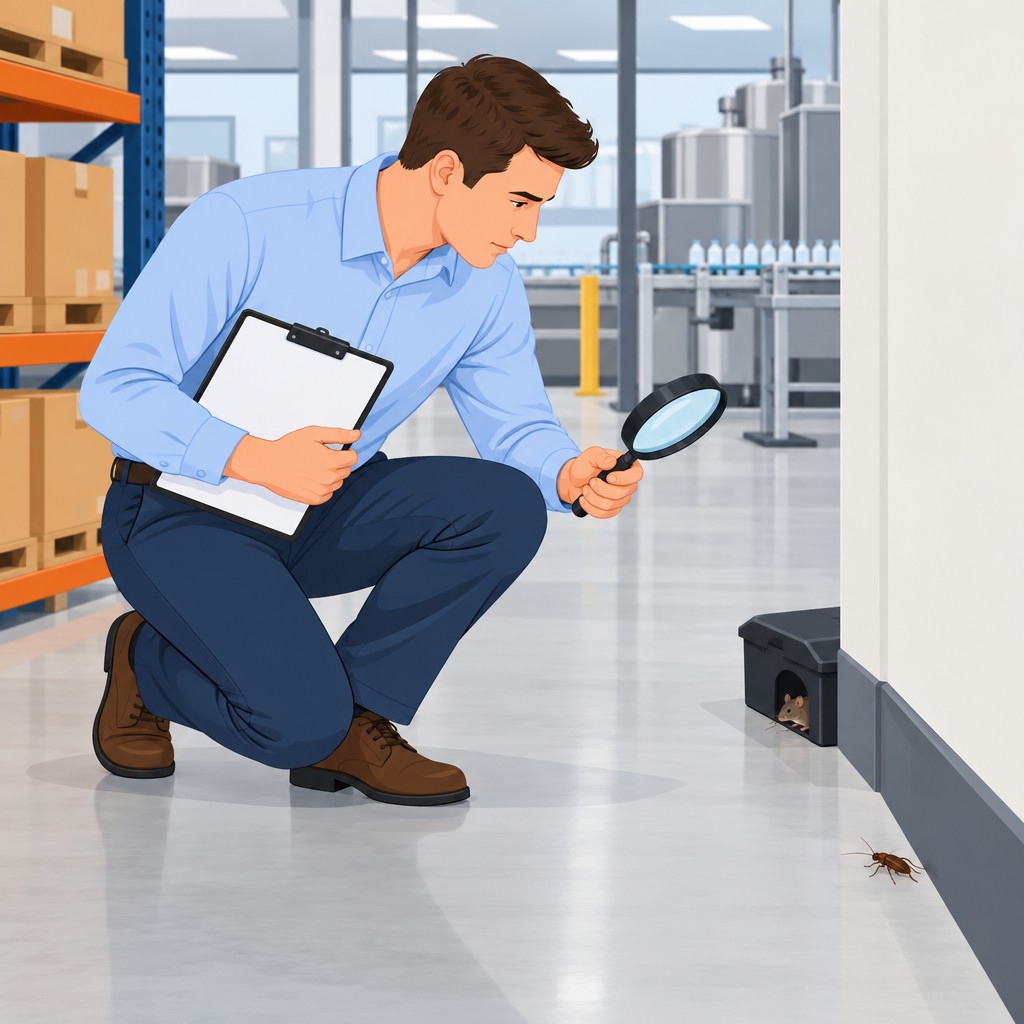
Inspectors examine storage rooms, production areas, and dining spaces for evidence of pest activity.
Regular inspections help them detect developing problems before infestations become more difficult to address.
They use inspection findings to support prompt responses when facilities show signs of pests.
Identifying Infestations and Selecting Treatment Methods
After finding an infestation, inspectors select treatment methods that match the pest type and infestation severity.
They may choose pesticides, baits, traps, or exclusion techniques for the response.
Safety, environmental impact, and regulatory compliance guide their treatment decisions.
They can also collaborate with pest control specialists on integrated pest management strategies.
Monitoring Pest Control Measures for Effectiveness
Inspectors follow up after treatment to determine whether control measures worked effectively.
They check whether workers applied treatments correctly and whether new infestations appeared.
Based on their findings, they recommend adjustments and ongoing prevention practices.
These activities help facilities control pests and maintain appropriate cleanliness.
Preventing Property and Product Damage
Pests can damage buildings, machinery, and stored goods.
They may also harm products before organizations identify the threat.
Therefore, inspections help identify potential risks early and support preventive action.
Protecting Public Health and Safety
Pests can spread diseases and trigger allergens.
Consequently, inspectors monitor areas where pests could threaten public health.
They also support timely action that protects people entering or using affected spaces.
Supporting Regulatory Compliance
Inspectors check whether pest management practices follow regulations and standards.
They use established protocols and guidelines to support compliant pest control.
As a result, organizations can reduce risks involving penalties and legal issues.
Compliant practices can also support effective and environmentally friendly pest management.
You Might Also Like: Case Studies: Successful Environmental Initiatives in Farming
Skills and Qualifications for Pest Management Inspectors
Quality control inspectors need practical knowledge to assess pest management work accurately.
These skills help inspectors evaluate conditions, methods, and treatment results.
Inspectors also need current knowledge to support safe and effective pest management.
- Knowledge of pests and their behavior
- Understanding of pest control methods and products
- Attention to detail and strong observation skills
Knowledge of Pests and Their Behavior
Inspectors must understand different pests and their behavior.
This knowledge helps them identify specific infestations during inspections.
It also helps inspectors select suitable control methods for each pest problem.
Understanding Pest Control Methods and Products
Inspectors should understand the pest control methods and products available.
They need knowledge of chemical and non-chemical approaches.
This understanding supports effective pest management while protecting people and the environment.
Attention to Detail and Strong Observation Skills
Inspectors need strong observation skills during every inspection.
Pests can hide in difficult areas or blend into their surroundings.
Therefore, careful inspections help inspectors identify conditions that require attention.
Transform Your Career Today
Unlock a personalized career strategy that drives real results. Get tailored advice and a roadmap designed just for you.
Start NowRegularly improving these skills helps inspectors maintain effective pest management practices.
Staying informed about pest control techniques also supports accurate assessments.
These capabilities help inspectors promote pest-free environments in various settings.
See Related Content: Becoming an Extension Agent: Career Pathways
Challenges Faced by Quality Control Inspectors in Pest Management
Quality control inspectors face several challenges while managing pest infestations.
These challenges include resistant pests, treatment safety, and changing industry requirements.
Therefore, inspectors must adapt their methods while protecting employees, clients, and service quality.
- Dealing with resistant pests
- Ensuring employee and client safety during treatment
- Staying current with pest control technologies and regulations
Managing Resistant Pest Populations
Some pests develop resistance to traditional control methods.
This resistance can prevent inspectors from eliminating infestations efficiently.
Inspectors must monitor treatment effectiveness and adjust their strategies when necessary.
They may test different pesticides or techniques to identify effective control methods.
Additionally, inspectors may use integrated pest management strategies to reduce chemical reliance.
These strategies combine sanitation, biological control, and habitat modification.
Using several control methods can help inspectors address resistant pests more effectively.
Protecting Employees and Clients During Treatment
Inspectors must protect employees and clients during pest management treatments.
Pesticides and other control methods can create health risks when workers handle them improperly.
Consequently, inspectors must enforce strict safety procedures throughout each treatment.
They must provide employees with training on handling pesticides and other control products safely.
Training should cover chemical risks, application procedures, and disposal requirements.
Inspectors also need to explain treatment risks and exposure-reduction measures to clients.
Clear re-entry instructions can help prevent accidents after treatment.
Maintaining Current Pest Management Knowledge
Inspectors must follow developments in pest control technologies and regulations.
New products, equipment, and techniques require inspectors to update their knowledge regularly.
Training seminars, workshops, and industry conferences can support this ongoing learning.
These activities introduce inspectors to methods that may improve pest control efficiency.
Inspectors must also monitor changes in compliance standards and pest control regulations.
Following current requirements helps inspectors align their practices with industry guidelines and laws.
By maintaining current knowledge, inspectors can manage infestations while supporting safe and compliant service.
Delve into the Subject: Key Skills Needed for a Successful Rangeland Manager
Training and Certification Options for Quality Control Inspectors
Quality control inspectors need focused preparation before evaluating pest management work.
Several training paths can develop the knowledge and practical abilities required for this role.
These options also help inspectors understand pest management methods and applicable state regulations.
- Pest control certification programs
- On-the-job training with experienced inspectors
- Continuing education courses
Pest Control Certification Programs
A pest control certification program offers a structured introduction to pest management principles.
Participants learn to identify common pests and understand their biology.
They also study methods for assessing infestations and planning appropriate pest management actions.
Certification training can explain how inspectors monitor treatment effectiveness.
Programs may also address state regulations and legal requirements for pest control activities.
On-the-Job Training with Experienced Inspectors
On-the-job training gives aspiring inspectors practical experience in real inspection settings.
Experienced inspectors can demonstrate how to examine conditions and recognize pest problems.
Trainees can observe pest control measures while receiving guidance from seasoned professionals.
Transform Your Career Today
Unlock a personalized career strategy that drives real results. Get tailored advice and a roadmap designed just for you.
Start NowThis experience also exposes them to varied pest management situations and workplace challenges.
Additionally, trainees can strengthen their problem-solving abilities through supervised practice.
Continuing Education for Current Knowledge
Continuing education helps quality control inspectors maintain current knowledge after their initial training.
These courses can address advanced pest management topics and emerging control technologies.
They may also explain updates to industry regulations and professional standards.
Regular learning allows inspectors to respond more effectively to changing pest control challenges.
It also supports consistent performance and continued professional development.
Building Professional Readiness
Certification, supervised experience, and continuing education provide complementary forms of preparation.
Together, these opportunities can strengthen an inspector’s ability to evaluate pest management work.
They also help inspectors remain informed while delivering effective pest management solutions to clients.
Discover More: Quality Control Inspector's Role in Harvest Quality
Collaboration with Other Professionals in Pest Management
Quality control inspectors collaborate with pest management professionals to support effective and thorough control measures.
They work closely with pest control technicians when implementing treatment plans.
This cooperation helps inspectors provide practical guidance during treatment activities.
Additionally, inspectors communicate with property owners and facility managers throughout the process.
These discussions reveal past pest problems, concern areas, and property-specific requirements.
Consequently, inspectors can tailor pest management activities to each property’s needs.
- Inspectors work with pest control technicians to implement treatment plans.
- Inspectors communicate with property owners and facility managers about pest control needs.
- Inspectors coordinate with regulatory agencies to support compliance requirements.
Inspectors also coordinate with regulatory agencies to support compliance with health and safety standards.
They maintain documentation, report pest-related issues, and follow applicable pest control regulations.
Through these partnerships, inspectors help create a coordinated pest management approach.
Effective collaboration supports a pest-free environment for all involved stakeholders.
Quality Control Inspector’s Role in Pest Management
Quality control inspectors verify pest management procedures and protocols across varied environments.
They check whether teams follow required standards during routine monitoring activities.
Consequently, their oversight supports consistent pest management practices.
Inspection and Monitoring Practices
Regular inspections help inspectors identify potential pest issues before those issues escalate.
During each review, they examine conditions and document signs of pest activity.
They report findings promptly, allowing responsible teams to address concerns.
Preventive Measures and Expert Coordination
Inspectors identify possible entry points and apply preventive measures against pest access.
They also coordinate with pest control experts when teams develop management strategies.
This cooperation helps align preventive actions with observed conditions.
Continuous Knowledge and Environmental Protection
Continuous education helps inspectors remain aware of current pest control techniques.
Meanwhile, consistent monitoring supports pest-free environments through regular protocol enforcement.
These combined activities strengthen the inspector’s role in maintaining controlled conditions.
Additional Resources
Google search results for Quality Control Inspector's Role in Pest Management Agricultural
Bing search results for Quality Control Inspector's Role in Pest Management Agricultural


