




The Role of Park Rangers
Park rangers protect national parks and preserve natural heritage.
They also support safe recreation for millions of annual visitors.
Additionally, their work balances conservation needs with public access.
Challenges Facing Park Rangers
Park rangers manage complex responsibilities across remote and heavily visited environments.
They protect ecosystems while addressing visitor safety, resource use, and illegal activities.
Furthermore, changing environmental conditions increase the difficulty of effective park management.
- Wildlife protection requires rangers to protect animals and visitors during dangerous situations.
- Resource management involves sustaining water and energy supplies while accommodating park visitors.
- Rangers monitor and address poaching, vandalism, and illegal camping.
- Visitor education helps people follow park rules, practice safety, and support conservation.
- Climate change intensifies risks from wildfires, extreme weather, and ecosystem disruption.
- Overcrowding challenges rangers to protect ecosystems while maintaining positive visitor experiences.
- Limited funding restricts efforts to address conservation and management concerns effectively.
- Remote locations can make communication with visitors, staff, and agencies difficult.
- Infrastructure maintenance requires resources to keep trails, buildings, and roads functional.
- Rangers prevent human-wildlife conflicts, including bear encounters and property damage.
Protecting Parks for Future Generations
Park rangers preserve valuable natural spaces through daily protection and management.
Their dedication supports wildlife, visitors, and the long-term health of park ecosystems.
Therefore, their work helps conserve national parks for future generations.
Lack of Funding
National parks need adequate funding to support effective management.
Limited financial resources can hinder park rangers from managing and maintaining these vital natural resources.
Therefore, funding shortages can compromise essential services, conservation programs, and emergency preparedness.
Impact of Budget Cuts
- Budget cuts can reduce the number of park rangers available to patrol and protect the park.
- Insufficient funding can leave trails, visitor centers, and restrooms without necessary repairs.
- Rangers may lack vehicles, communication devices, and safety gear needed for effective duties.
- Limited funding can hamper habitat restoration, wildlife monitoring, and invasive species control.
- Budget cuts can weaken ranger responses to wildfires and other emergencies.
During a severe wildfire, rangers may lack resources to combat flames effectively.
That shortage can cause widespread ecosystem damage and potentially harm visitors.
Moreover, limited funding can prevent conservation projects that preserve park biodiversity.
Addressing national park funding remains essential for effective management and protection.
Policymakers must allocate sufficient resources to support ranger work and sustain these valuable natural areas.
Without adequate funding, rangers cannot fully preserve national parks for the future.
Endangered species protection creates complex responsibilities within national parks.
Park rangers must monitor wildlife while responding to threats across expansive landscapes.
Effective conservation therefore depends on preparation, cooperation, and suitable tools.
Difficulties in Protecting Endangered Species
Several obstacles make wildlife protection difficult, particularly in remote areas.
Rangers must detect illegal activity while covering large territories.
Meanwhile, habitat loss increases pressure on vulnerable animal populations.
- Limited Resources: Park rangers often lack enough manpower and technology for effective wildlife monitoring.
- Remote Locations: Vast, remote parks complicate patrols and efforts to prevent illegal activities.
- Poaching Threat: Poachers target endangered animals for valuable parts or sport.
- Habitat Destruction: Deforestation and development remove habitats that endangered species need.
Risks in Enforcing Wildlife Conservation Laws
Wildlife enforcement also exposes rangers to personal and legal risks.
Armed poachers may use violence when rangers attempt to make arrests.
Furthermore, legal loopholes and public resistance can complicate enforcement.
- Confronting Poachers: Rangers may face dangerous encounters with armed poachers.
- Legal Challenges: Loopholes in existing legislation can hinder conservation enforcement.
- Public Opinion: Local communities or tourist groups may resist strict conservation measures.
Resources That Strengthen Wildlife Conservation
Rangers need practical support to improve monitoring and conservation efforts.
Modern tools can extend surveillance and help teams track wildlife.
Training and partnerships can also strengthen responses to conservation threats.
- Technology: Drones, GPS tracking systems, and surveillance cameras support wildlife monitoring.
- Training: Comprehensive instruction helps rangers understand conservation laws and enforcement techniques.
- Community Engagement: Education encourages local communities to support wildlife protection.
- Collaboration: Law enforcement agencies and conservation organizations can provide additional support.
Community education can build broader understanding of wildlife protection.
Local involvement supports conservation efforts over the long term.
Together, these measures can help endangered species survive for future generations.
Explore Further: Parole Officer: Developing Case Plans
Visitor Management
Managing large crowds challenges park rangers during busy national park seasons.
Rangers must protect visitors while preserving the park’s natural environment.
During peak seasons, crowd pressure creates safety and conservation challenges.
- Overcrowding strains park resources and infrastructure, creating safety concerns and environmental damage.
- Park rangers provide emergency assistance, enforce rules, and explain potential hazards.
- Rangers teach Leave No Trace principles and conservation practices to reduce visitor impacts.
- Rangers mediate conflicts involving noise, littering, or wildlife harassment in crowded areas.
Strategies for Visitor Education and Management
Park rangers address these challenges through visitor education and management strategies.
These approaches support responsible behavior while balancing conservation and recreation.
They also help visitors understand park rules, resources, and potential hazards.
Transform Your Career Today
Unlock a personalized career strategy that drives real results. Get tailored advice and a roadmap designed just for you.
Start Now- Visitor centers provide information about natural and cultural resources, park rules, and responsible behavior.
- Interpretive programs explain ecosystem significance and strengthen visitors’ appreciation of conservation efforts.
- Signage informs visitors about rules, trail conditions, wildlife sightings, and other important information.
- Ranger-led patrols monitor activities, enforce rules, and provide assistance when necessary.
- Visitor outreach uses social media, newsletters, and community events to promote responsible behavior.
Together, these strategies improve visitor safety, protect natural resources, and support respectful recreation.
Explore Further: Challenges Faced by Crime Scene Investigators on the Job
Climate Change and National Parks
Climate change directly affects national parks and creates numerous challenges for park rangers.
Rising temperatures and changing weather patterns disrupt ecosystems, wildlife habitats, and water resources.
Rangers respond by protecting natural resources, monitoring environmental changes, and supporting sustainable park management.
Climate Change Impacts
- Rising temperatures and changing weather patterns increase wildfire frequency and intensity.
- Rangers manage and suppress wildfires to protect ecosystems, wildlife, and visitors.
- Climate change alters wildlife habitats and forces animals to seek suitable conditions elsewhere.
- Rangers monitor habitat shifts and protect the park’s biodiversity.
- Changing precipitation patterns and melting glaciers contribute to water scarcity.
- Water shortages affect plant and animal life throughout national parks.
- Rangers conserve water resources and support sustainable water management practices.
- Climate change disrupts plant and animal communities within delicate park ecosystems.
- Rangers monitor ecological changes and help restore ecosystem health.
Ranger Responses to Climate Change
Park rangers address climate change impacts through education, sustainable practices, monitoring, and cooperation.
They combine practical conservation work with research and adaptation planning.
These efforts support environmental conservation and help protect national parks for future generations.
- Rangers educate visitors about reducing carbon footprints and practicing eco-friendly behaviors.
- Visitor education encourages actions that preserve natural resources and mitigate climate change.
- Rangers reduce waste, conserve energy, and promote sustainable initiatives within parks.
- These practices reduce park carbon emissions and minimize ecological impacts.
- Rangers research environmental changes affecting ecosystems and wildlife.
- The resulting data supports conservation strategies and adaptation plans.
- Rangers collaborate with government agencies, conservation organizations, and local communities.
- These stakeholders develop resilience strategies that address climate change challenges.
You Might Also Like: Must-Have Tools for Every Cybersecurity Specialist
Search and Rescue Operations
Search and rescue operations form an essential part of park ranger duties.
National park visitors often enter remote and rugged areas.
Rangers use specialized skills and training to assist lost or injured hikers.
Demand for Search and Rescue Operations
Park rangers receive numerous calls from lost or injured hikers.
These calls often originate in remote areas of national parks.
Moreover, emergencies can occur anytime, requiring immediate ranger response.
Risks During Emergency Response
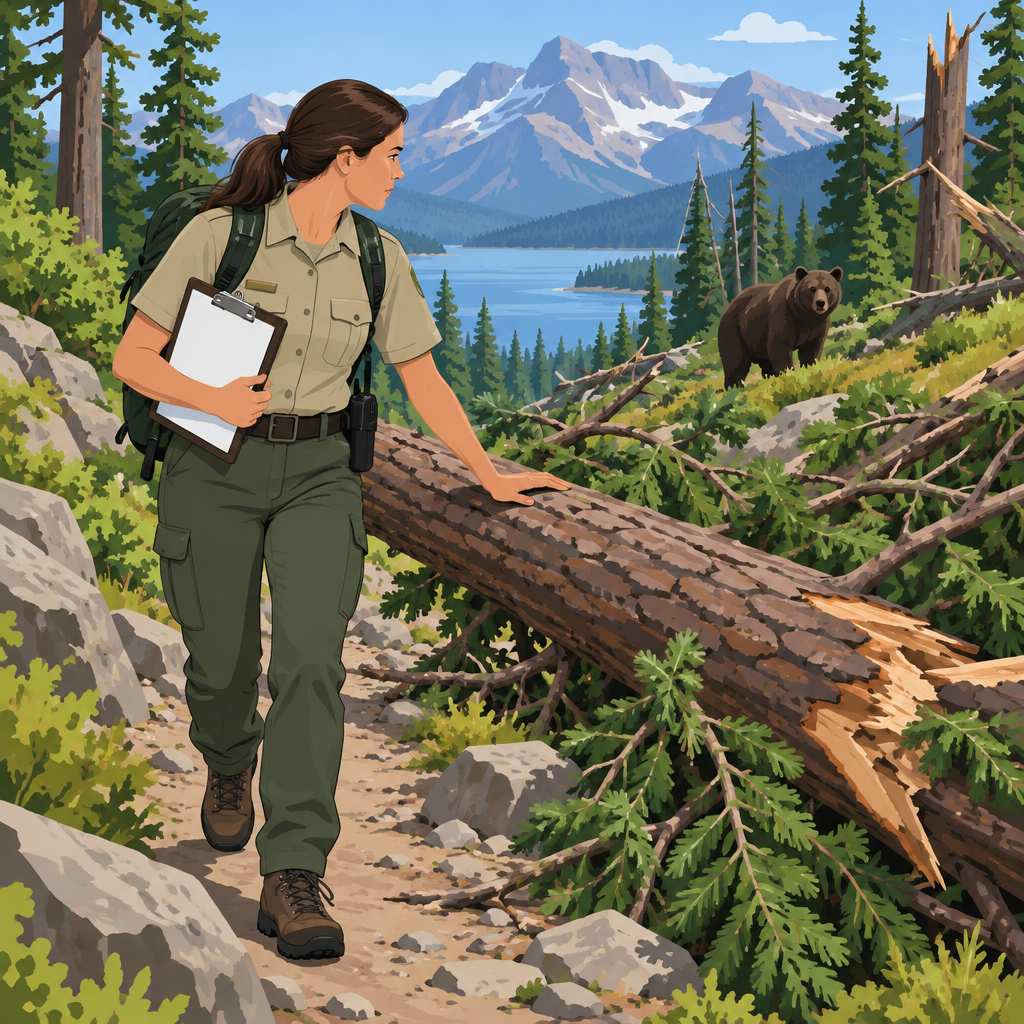
Remote emergency responses expose park rangers to significant risks.
They navigate rough terrain and adverse weather while reaching distressed hikers.
They may also encounter wildlife during unpredictable operations.
Skills for Successful Rescue Missions
Successful rescue missions require technical skills, physical fitness, and problem-solving abilities.
Rangers must read maps and navigate challenging areas.
They provide first aid and perform swift water rescues.
Additionally, strong communication helps teams coordinate with emergency services.
Equipment Used During Rescue Operations
Rangers use GPS devices and communication radios during rescue missions.
Medical kits help them address injuries in the field.
Ropes and harnesses support operations across difficult terrain.
Helicopters can assist aerial searches and evacuations.
Rangers must use equipment effectively to protect rescuers and victims.
Training and Collaboration in Emergency Response
Regular training keeps park rangers prepared for search and rescue operations.
Exercises and simulations help them strengthen essential skills.
They also learn current techniques and emergency protocols.
Furthermore, collaboration with law enforcement and search and rescue teams improves coordination.
Medical personnel provide additional support during emergency situations.
Supporting Visitors During Emergencies
Search and rescue remains among the most challenging ranger responsibilities.
These operations demand skill, physical fitness, and teamwork.
Park rangers protect visitors and provide assistance during emergencies.
They also protect and preserve the natural environment while assisting people.
Gain More Insights: The Importance of DEA Agents in Combating Opioid Crisis
Resource Management
Managing natural resources in national parks requires careful planning to sustain ecological balance within protected areas.
- Park rangers face invasive species that threaten native plants and animals.
- They also restore habitats to strengthen biodiversity and improve ecosystem health.
- Furthermore, they manage fires because wildfires can severely damage park ecosystems.
Water Management
Clean water supports wildlife and visitors throughout national parks.
- Rangers monitor water quality and quantity to protect aquatic ecosystems.
- They also address pollution from sources such as runoff from nearby urban areas.
- Additionally, droughts and altered precipitation patterns threaten water resources.
Land Management
Land management protects natural landscapes, cultural sites, and recreational opportunities within national parks.
Transform Your Career Today
Unlock a personalized career strategy that drives real results. Get tailored advice and a roadmap designed just for you.
Start Now- Rangers balance wilderness preservation with visitor access and recreational needs.
- They protect sensitive habitats from overuse and continuing degradation.
- Moreover, they resolve conflicts among hikers, campers, and wildlife enthusiasts through communication and planning.
Vegetation Management
Vegetation management promotes healthy ecosystems and preserves biodiversity within national parks.
- Rangers control invasive plants that outcompete native vegetation and disrupt ecological balance.
- They restore damaged vegetation through reforestation and other resource intensive techniques.
- They also prevent habitat fragmentation and promote corridors for wildlife movement.
Long Term Sustainability of Park Resources
Resource management addresses interconnected challenges involving water, land, and vegetation.
Park rangers protect ecological integrity by coordinating these essential management responsibilities.
Their work supports the long term sustainability of natural resources within protected areas.
Interagency Collaboration
- Park rangers rely on collaboration with other federal agencies.
- Furthermore, law enforcement partnerships help ensure public safety within parks.
- Fire departments also help manage wildfires in national parks.
- Additionally, wildlife services protect endangered species and manage wildlife populations.
Importance of Interagency Collaboration
- Interagency collaboration enhances communication and coordination among different entities.
- Moreover, agencies can share resources, expertise, and proven practices.
- This cooperation strengthens emergency responses during natural disasters or accidents.
- Finally, partnerships support a holistic approach to park management and conservation.
Benefits of Partnerships in Addressing Challenges
- Partnerships help agencies address illegal activities, including poaching and illegal logging.
- Joint efforts also help agencies combat natural disasters such as wildfires.
- These partnerships protect park visitors from potential dangers and hazards.
- Collaborative conservation initiatives preserve the ecological integrity of national parks.
Enhancing Emergency Response Capabilities
- Agencies can quickly deploy resources and personnel during emergencies.
- Training programs and drills improve readiness for various scenarios.
- Established communication networks support real-time information exchange.
- Medical service coordination enables swift assistance for park visitors.
Park Rangers’ Commitment to National Park Protection
Park rangers face funding limits, wildlife protection duties, visitor management demands, and climate-related pressures.
They also handle search and rescue operations, resource management, and collaboration with other agencies.
Despite these challenges, rangers remain dedicated to safeguarding national parks’ natural beauty and resources.
Additional Resources
Google search results for Challenges Faced by Park Rangers in National Parks Protective Services
Bing search results for Challenges Faced by Park Rangers in National Parks Protective Services


