




Introduction
Crime scene investigators play a critical role in solving crimes.
They collect and analyze evidence during their investigations.
However, various challenges can impact the integrity of their work.
Lack of Resources
Crime scene investigators often face limited resources during their work.
These limitations include shortages of equipment, personnel, and investigation funding.
Consequently, investigators must manage demanding cases with insufficient support.
Impact on Investigations
Limited resources can reduce the effectiveness of crime scene investigations.
Investigators may lack advanced technology and essential tools for detailed analysis.
As a result, teams may struggle to examine evidence thoroughly and efficiently.
Evidence Integrity Risks
Inadequate resources can threaten the integrity of evidence collected at crime scenes.
Without proper equipment, investigators may mishandle evidence during collection or analysis.
Insufficient personnel can also cause teams to overlook important evidence.
Consequences of Limited Resources
Resource shortages can delay investigations and prevent teams from completing necessary procedures.
Furthermore, investigators may fail to gather crucial evidence effectively.
These difficulties can leave cases unresolved for extended periods.
Challenges Facing Crime Scene Investigators
Many investigators work with outdated equipment and insufficient operational support.
Complex criminal cases place additional demands on already limited investigative teams.
Therefore, investigators may experience frustration while meeting essential case requirements.
Adequate Resources for Effective Investigations
Investigators need adequate resources to conduct thorough and accurate examinations.
Proper equipment supports reliable evidence collection, preservation, and analysis.
Additional personnel and funding can strengthen investigations and protect evidence integrity.
Emotional Toll
Crime scene investigations can take a significant emotional toll.
Violent cases can affect investigators especially deeply.
Cases involving children may create additional emotional challenges.
- Witnessing Violence: Investigators often witness gruesome scenes involving murders, assaults, and other traumatic events.
- Blood, injuries, and death can disturb investigators deeply.
- Children Victims: Cases involving children can create especially difficult emotional reactions.
- Psychological Trauma: Trauma may cause PTSD symptoms, including flashbacks, nightmares, anxiety, and difficulty concentrating.
Mental Health Support
Mental health support helps investigators process traumatic experiences.
Agencies should provide resources that address emotional stress.
Support can help investigators protect their well-being while pursuing justice.
- Counseling Services: Counseling gives investigators a safe space to process emotions, thoughts, and experiences.
- Mental health professionals can help investigators develop coping strategies and manage stress.
- Peer Support Programs: Peer programs connect colleagues who understand the job’s unique challenges.
- Sharing experiences can reduce isolation and strengthen mutual support.
- Training and Education: Training can teach stress management, resilience, and self-care techniques.
- Education encourages investigators to prioritize mental health and seek help when necessary.
By prioritizing mental health support, agencies can reduce the job’s emotional impact.
These resources also promote the well-being of investigators who seek justice for victims.
Delve into the Subject: Must-Have Tools for Every Cybersecurity Specialist
Time Constraints During Crime Scene Investigations
Crime scene investigators often face significant time constraints.
These pressures can reduce the thoroughness of their investigations.
Several conditions make it difficult to balance speed with careful evidence handling.
- Urgency to Collect Evidence
Investigators must quickly collect and preserve evidence before it degrades or becomes tampered with. - Multiple Crime Scenes
Investigators may have limited time to examine multiple scenes or large areas thoroughly. - Need for Timely Analysis
Investigators must analyze evidence quickly so the investigation can progress. - External Stakeholder Expectations
Law enforcement agencies, prosecutors, and the public often expect investigators to produce quick results. - Resource Allocation
Limited personnel and equipment can reduce the time available for thorough crime scene processing.
Effects of Time Pressure on Investigations
Time pressure can affect evidence collection, analysis, documentation, and courtroom preparation.
Investigators may also prioritize efficiency over meticulous examination.
Consequently, rushed procedures can weaken the overall quality of an investigation.
- Overlooking Vital Evidence
Rushed examinations may cause investigators to miss evidence that could help solve the case. - False Assumptions
Incomplete information can encourage hasty conclusions or inaccurate assumptions. - Contamination of Evidence
Hasty collection practices may contaminate or mishandle evidence, potentially affecting its courtroom admissibility. - Poor Documentation
Rapid processing can produce incomplete documentation and complicate later event reconstruction. - Legal Implications
Oversights and errors can jeopardize the investigation’s integrity and the prosecution’s progress.
Therefore, investigators must balance rapid processing with accuracy and careful attention to detail.
Strategic resource allocation can help investigators conduct their work effectively and accurately.
You Might Also Like: The Importance of DEA Agents in Combating Opioid Crisis
Crime scene investigators face heavy workloads and high stress while processing evidence and supporting investigations.
Transform Your Career Today
Unlock a personalized career strategy that drives real results. Get tailored advice and a roadmap designed just for you.
Start Now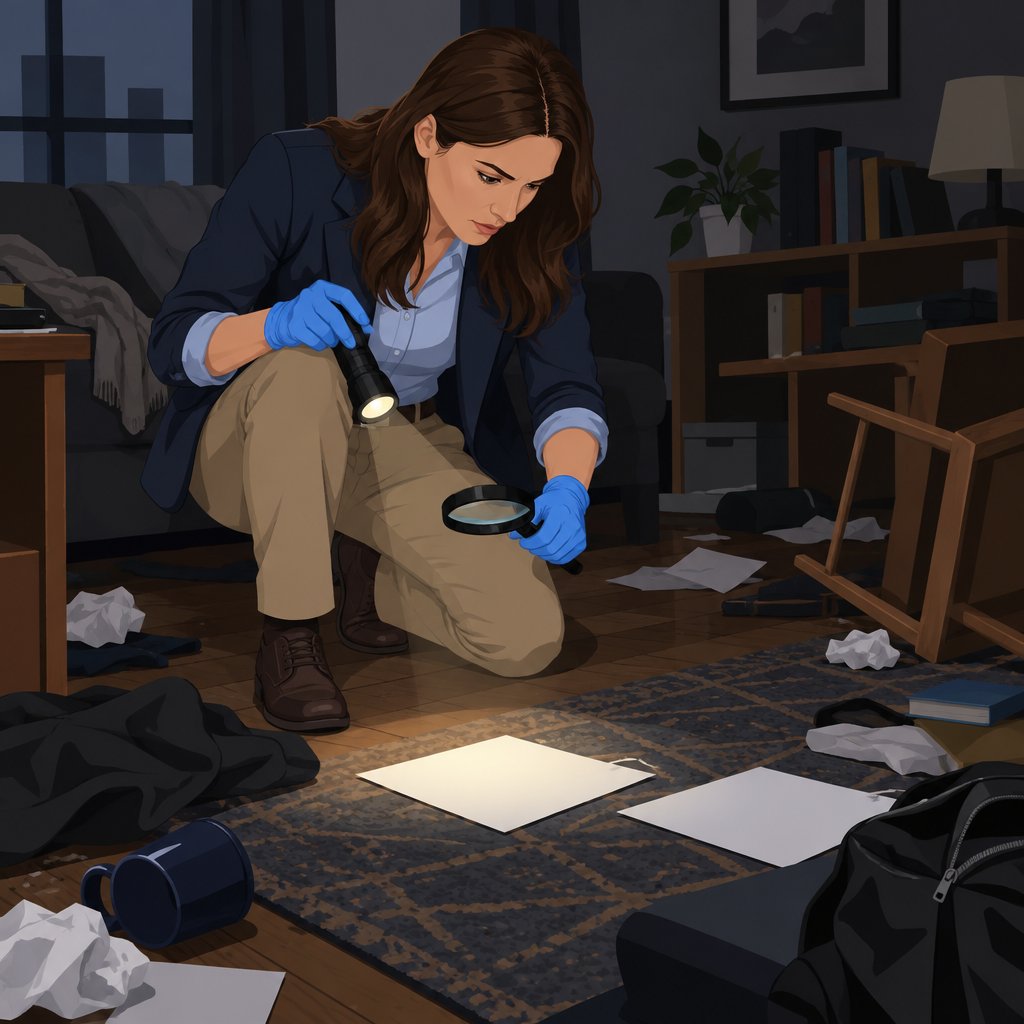
Workload and Case Demands
- Investigators often work long hours, sometimes through the night, to process crime scenes thoroughly.
- They collect evidence, analyze findings, photograph scenes, create sketches, and interview witnesses and suspects.
- Each case demands careful attention because an oversight can affect the investigation.
- They often manage several cases at once, increasing pressure to perform effectively.
Stress During Investigative Work
- The work creates stress because investigators handle high-pressure situations during demanding investigations.
- They must remain calm and focused while processing violent crimes or mass casualties.
- Investigators also face deadlines because timely work supports the pursuit of justice.
- They may testify in court, which adds pressure to an already demanding role.
Risk of Professional Burnout
- Heavy workloads and sustained stress create a significant risk of burnout.
- Burnout can reduce performance, cause emotional exhaustion, and contribute to physical health issues.
- Investigators should recognize warning signs and respond before burnout affects their well-being.
Strategies for Sustaining Well-Being
- Self-care helps investigators protect their mental and physical well-being during demanding work.
- Regular exercise, healthy eating, and adequate sleep can help manage stress and prevent burnout.
- Support from colleagues, friends, or counselors can provide an outlet for job-related concerns.
- Hobbies and activities outside work can relieve stress and encourage work-life balance.
- These strategies can help investigators manage demanding responsibilities more effectively.
- They can also support continued performance in the field of forensic science.
Learn More: Daily Responsibilities of a State Trooper Explained
Interagency Cooperation
Crime scene investigators coordinate with law enforcement agencies, forensic laboratories, and legal teams.
Effective communication helps investigators conduct their work efficiently and accurately.
Furthermore, cooperation supports consistent evidence handling throughout investigations.
Coordination with Law Enforcement Agencies
Investigators often work with local police departments, the FBI, and the DEA.
Each agency may follow different protocols and procedures, which can complicate coordination.
Therefore, investigators must manage communication and competing priorities across participating agencies.
Common coordination challenges include the following:
- Differences in protocols and procedures
- Communication barriers
- Competing priorities
Effective Communication and Collaboration
Investigators need clear communication channels with other agencies during investigations.
They must share information and evidence promptly to support efficient case resolution.
Additionally, collaboration helps agencies coordinate their responsibilities and avoid unnecessary delays.
Effective interagency cooperation provides several important benefits:
- Enhanced information sharing
- Reduced duplication of efforts
- Improved case resolution
Strategies for Improving Interagency Cooperation
Investigators can improve cooperation by establishing consistent communication practices.
They can also clarify agency responsibilities before investigations require joint action.
Moreover, shared training and agreements can strengthen collaboration between participating agencies.
Useful strategies for improving cooperation include the following:
- Establish regular meetings and briefings
- Designate a liaison officer for each agency
- Develop mutual aid agreements
- Implement standardized protocols for information sharing
- Provide training on effective communication and collaboration
Discover More: Public Safety Officer: Impact of Legislation on Duties
Dealing with the Media and Public Perception
- Crime scene investigators often face scrutiny and pressure from the media and public.
- They must maintain professionalism and composure during intense media attention.
- Meanwhile, investigators must balance public transparency with sensitive information protection.
- Furthermore, sensational media coverage can hinder the investigation process.
- Investigators may face criticism when early disclosures jeopardize the case.
Handling Media Inquiries
- Crime scene investigators must manage media inquiries carefully to protect the investigation.
- They should provide accurate information without revealing details that could impede the case.
- Many investigators receive media training to communicate effectively with reporters.
- They also prepare to address difficult questions and information requests.
Public Perception
- Public perception can significantly affect crime scene investigators’ work.
- Negative media portrayals can erode trust in investigators and law enforcement agencies.
- Therefore, investigators must maintain credibility and public confidence in their abilities.
- Public skepticism can also limit witness cooperation and information sharing.
Transparency and Information Protection
- Crime scene investigators must balance transparency with sensitive information protection.
- They must weigh the public’s right to know against investigative needs.
- Releasing excessive information can compromise the case and its integrity.
- However, withholding information can trigger accusations of a cover-up.
- Investigators must carefully decide what information to release and when.
Building Trust with the Public
- Crime scene investigators must build and maintain public trust.
- They can strengthen trust through transparency and responsive public communication.
- Additionally, their commitment to justice can reinforce public confidence.
- Positive community relationships can help investigators gain valuable information and support.
- Regular updates can reassure the public that investigators continue working diligently.
Legal and Ethical Dilemmas
- Crime scene investigators often face legal and ethical challenges during their work.
- For example, investigators must balance the pursuit of justice with respect for privacy rights.
- They must also handle evidence carefully to prevent tampering or compromise.
- Furthermore, investigators must follow protocols and professional standards to protect evidence integrity.
- Although investigators may feel pressure to work faster, they should not overlook required procedures.
Importance of Upholding Professional Standards
- Professional standards help investigators collect and analyze evidence accurately.
- They also help investigators avoid legal repercussions and challenges to evidence validity.
- By following proper protocols, investigators can strengthen cases against perpetrators and support justice.
- However, courts may deem evidence inadmissible when investigators fail to follow professional standards.
- Additionally, ethical conduct builds trust in the criminal justice system and promotes fairness.
Adherence to Protocols for Evidence Integrity
- Investigators must follow protocols to preserve evidence integrity and prevent contamination.
- They must document every investigative step to maintain transparency.
- If investigators ignore protocols, courts may question or invalidate the evidence.
- Proper evidence handling helps secure convictions and hold guilty individuals accountable.
- Therefore, strict protocol compliance strengthens cases and supports prosecution arguments.
Supporting Crime Scene Investigator Well-Being
Crime scene investigators face numerous challenges in their demanding line of duty.
They manage emotional stress while confronting physical dangers during their work.
These pressures can make their responsibilities especially difficult.
Therefore, society should recognize and support their well-being.
Protecting their mental and physical health helps preserve investigation integrity.
Furthermore, that support helps investigators perform effectively and uphold standards of justice.
Additional Resources
Bing search results for Challenges Faced by Crime Scene Investigators on the Job Protective Services


