




Introduction
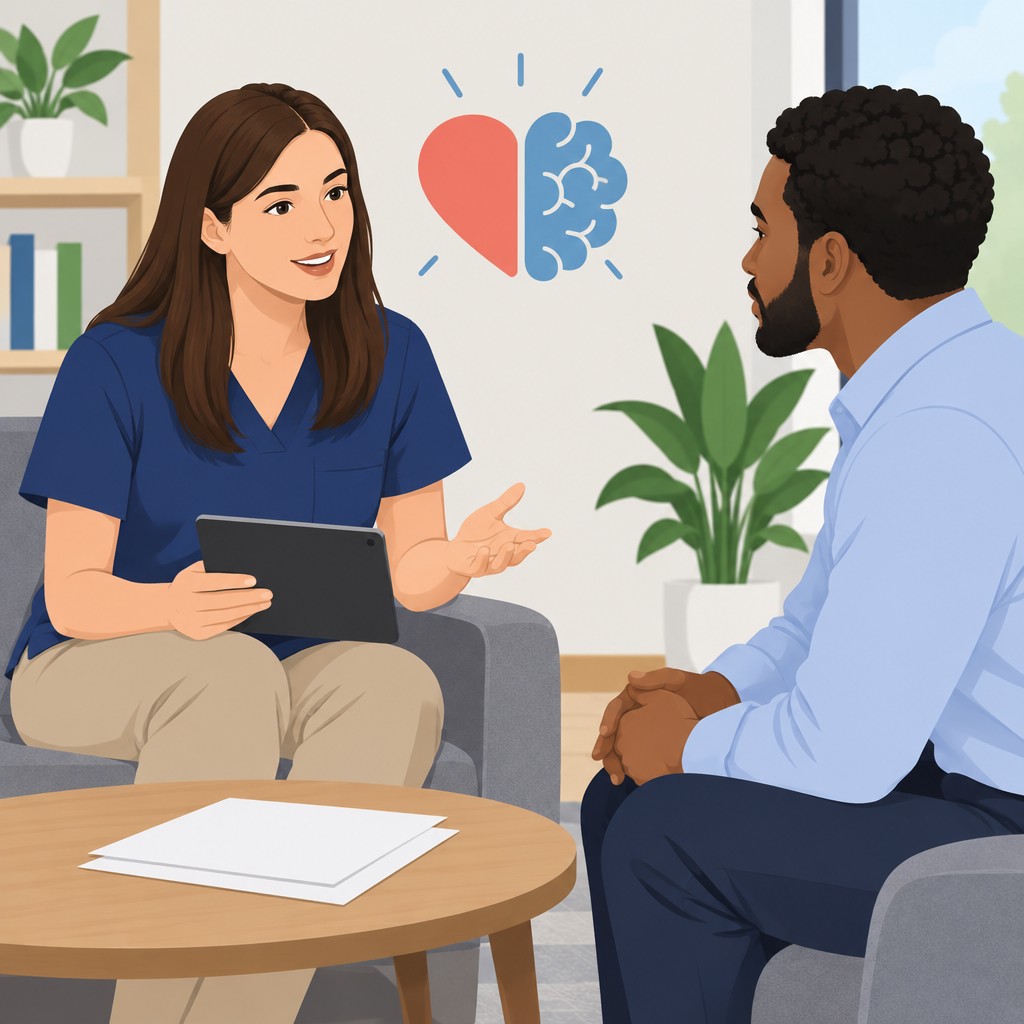
Mental health technicians play a crucial role in educating patients with mental health conditions.
This education empowers individuals to manage their conditions effectively.
Additionally, this post discusses patient education’s importance in mental health care.
It also highlights mental health technicians’ roles in this process.
Responsibilities in Patient Education
Mental health technicians explain mental health disorders and available treatment options.
They also teach coping skills that help patients manage symptoms effectively.
Additionally, technicians provide guidance about medication use and potential side effects.
They assess each patient’s understanding and treatment progress to support personalized care.
Importance of Patient Education
Patient education empowers individuals to take control of their mental health and well-being.
Accurate information helps patients make informed decisions about their treatment.
Learning about a condition can reduce stigma and increase self-awareness.
Furthermore, education can improve treatment adherence and encourage active recovery participation.
Effective Patient Education Strategies
Building trust and rapport creates a foundation for effective communication.
Using clear language helps patients understand complex conditions and treatment choices.
Encouraging questions allows technicians to address concerns and reduce patient anxiety.
Visual aids, written materials, and other resources can improve learning and information retention.
Challenges and Practical Solutions
Limited time and resources can make comprehensive patient education difficult.
Therefore, technicians should prioritize essential information and focus on key learning objectives.
Collaboration with healthcare providers can strengthen education and extend available support.
Technology can also support remote education and reach a wider audience.
Continuous training and professional development further improve technicians’ education skills and knowledge.
Patient Education Supports Recovery
Patient education promotes mental health awareness and supports individual well-being.
Mental health technicians provide information, guidance, and support throughout treatment.
As a result, patients can make informed decisions, manage symptoms, and participate actively in recovery.
Communication Skills in Patient Education
Communication skills strengthen patient education and support meaningful interactions between Mental Health Technicians and patients.
First, effective communication helps Mental Health Technicians build trust and rapport with patients.
Consequently, patients may feel more comfortable discussing their mental health concerns.
- Clear explanations make complex mental health concepts easier for patients to understand.
- Active listening helps technicians recognize patients’ concerns, fears, and needs.
- Adaptable communication respects different styles and individual preferences.
Simple language helps patients understand information without relying on technical jargon.
Additionally, technicians can explain complex concepts in a clear and concise manner.
Some patients prefer direct communication, while others respond better to empathy.
Therefore, technicians should adjust their approach to communicate information effectively.
Supportive conversations help patients feel heard, valued, and understood.
Strong communication skills help technicians create an environment that supports effective patient education.
Find Out More: Victim Advocacy in Domestic Violence Cases
Promoting Self-Care and Wellness Through Patient Education
Mental health technicians promote self-care and wellness through patient education.
They guide individuals toward healthier lifestyles and stronger mental well-being.
Their education helps patients develop practical skills for daily wellness.
Encouraging Healthy Lifestyle Choices
Technicians encourage regular exercise as part of a healthy lifestyle.
They also discuss balanced nutrition and its importance for well-being.
These choices can help patients support their physical and mental health.
Transform Your Career Today
Unlock a personalized career strategy that drives real results. Get tailored advice and a roadmap designed just for you.
Start NowTeaching Relaxation and Stress Management
Stress management remains an important part of mental health education.
Technicians teach deep breathing exercises to help patients manage stress.
They may also introduce mindfulness and progressive muscle relaxation techniques.
Emphasizing Self-Care Activities
Self-care activities help patients maintain their mental well-being.
Technicians emphasize setting boundaries and practicing mindfulness regularly.
They also encourage activities that provide joy and relaxation.
Providing Resources for Continued Support
Technicians provide resources that support ongoing self-care practices.
These resources may include support groups, mental health hotlines, and online guidance.
Through education and support, patients can make positive changes in their lives.
Gain More Insights: Public Health Social Work: Volunteer Opportunities
Collaboration with Other Healthcare Professionals in Patient Education
Collaboration with healthcare professionals strengthens coordinated patient education.
Mental health technicians work with psychologists, social workers, and psychiatrists to support consistent patient care.
Furthermore, interdisciplinary communication helps teams monitor progress and identify specialized services when needed.
- Mental health technicians work closely with psychologists, social workers, and psychiatrists.
- They share information and coordinate care plans for patients.
- Additionally, they participate in interdisciplinary meetings to discuss patient progress.
- Finally, they refer patients to specialized services or programs as needed.
You Might Also Like: Human Services Assistant: Ethics and Professional Conduct
Addressing Stigma and Misconceptions in Patient Education
Patients may view mental health conditions as signs of personal weakness.
Patient education can challenge these beliefs and promote greater understanding.
Furthermore, respectful education can support acceptance and encourage patients to seek appropriate help.
- Education about mental health myths and stereotypes
- Open discussions about conditions and treatment
- Advocacy for respectful healthcare practices
- Access to support groups, therapy, and community resources
Educating Patients About Mental Health Myths
Mental health technicians can explain that mental health conditions do not reflect personal weakness.
They can also address stereotypes that may prevent patients from discussing their experiences.
By providing clear information, technicians promote understanding and acceptance of mental health conditions.
Encouraging Open Dialogue About Treatment
Open conversations can help patients discuss mental health conditions without unnecessary shame.
Creating a safe environment may encourage patients to share concerns about treatment.
As a result, honest dialogue can normalize help-seeking and strengthen patient participation.
Advocating for Respectful Mental Healthcare
Mental health technicians should promote respectful treatment for patients with mental health conditions.
They can challenge discriminatory practices and encourage empathy throughout healthcare settings.
Additionally, technicians can support awareness efforts that foster inclusive and supportive care.
Connecting Patients With Support Resources
Technicians can provide information about support groups, therapy options, and community resources.
These connections can help patients build supportive networks during their mental health journeys.
Therefore, resource guidance can empower patients to participate actively in their ongoing mental health care.
Find Out More: Mental Health Technician and Patient Interaction
Assessing Patient Knowledge and Understanding
- Conduct educational assessments to identify patient knowledge gaps.
- Tailor educational materials and strategies to meet patients’ needs.
- Use plain language and visual aids to improve understanding.
- Monitor progress and adjust education plans as needed.
Mental health technicians assess patient knowledge and understanding before providing education about conditions and treatment.
This assessment identifies knowledge gaps that may affect the patient’s ability to understand care.
Technicians then tailor educational materials and strategies to meet each patient’s needs.
Plain language makes complex mental health information easier to understand.
Visual aids can further clarify important concepts for patients.
This approach can help patients retain information and participate actively in their mental health care.
Technicians monitor progress throughout the education process.
Regular checks help reveal unclear concepts or the need for additional information and support.
Consequently, technicians adjust education plans to provide information patients need to manage their mental health effectively.
Empowering Patients to Participate in Treatment
- Patients participate in decisions about their care and treatment goals.
- Patients develop self-advocacy and self-management skills for responding to symptoms.
- Patients strengthen their autonomy and empowerment throughout their mental health journeys.
- Patients use tools and resources to support education and recovery.
One of the mental health technician’s critical responsibilities involves helping patients participate actively in treatment.
Transform Your Career Today
Unlock a personalized career strategy that drives real results. Get tailored advice and a roadmap designed just for you.
Start NowPatients can contribute to decisions about their care and identify meaningful treatment goals.
When patients help choose their goals, they may show stronger commitment to their treatment plans.
Moreover, self-advocacy encourages patients to express needs, preferences, and concerns.
Self-management strategies can help patients respond to symptoms and recognize when they need support.
By supporting autonomy, technicians can help patients feel more control over their mental health journeys.
Technicians can provide tools and resources that support patient education and recovery.
These resources may help patients build confidence while managing their mental health needs.
Furthermore, technicians should respect each patient’s preferences, strengths, and challenges.
Tailored education and support can create a more personalized approach to care.
Ultimately, patient ownership can strengthen self-efficacy and support a greater sense of well-being.
Patient Education Supports Informed Mental Health Care
Patient education gives individuals practical knowledge for navigating mental health care.
That knowledge can clarify diagnoses, treatment options, coping strategies, and self-care practices.
Consequently, patients can make informed choices about their ongoing care.
Education also supports treatment adherence and clearer communication with healthcare providers.
Furthermore, informed patients can take a more active role in managing their mental health.
This participation can strengthen autonomy and encourage personal responsibility during treatment.
Healthcare professionals should therefore make patient education a consistent part of mental health care.
By prioritizing education, care teams can support better outcomes and a more informed community.
Mental health technicians can continue advocating for education that promotes patient well-being.


