




Positive Mental Health Care Interactions
Mental health technicians support patients who face mental health challenges.
Positive interactions help create a healing and supportive care environment.
Therefore, technicians should communicate respectfully, consistently, and compassionately.
Building Trust With Patients
Technicians build trust through respectful and reliable interactions.
This trust supports effective communication and cooperation during treatment.
As trust develops, patients may feel safer participating in their care.
Active Listening and Understanding
Technicians actively listen to understand each patient’s needs and concerns.
This approach promotes empathy, validation, and a stronger therapeutic relationship.
In addition, attentive listening helps patients feel heard and respected.
Empathy and Compassionate Support
Technicians show empathy by recognizing each patient’s distress and isolation.
Compassionate support helps patients feel understood during difficult experiences.
Consequently, patients can experience greater connection and emotional safety.
Professional Boundaries and Respect
Technicians establish clear boundaries while remaining empathetic and supportive.
These boundaries maintain professional relationships and protect everyone involved.
They also promote a safe, respectful, and consistent care environment.
Collaborative Treatment Relationships
Technicians collaborate with patients throughout the treatment process.
This partnership encourages patients to take an active role in recovery.
Furthermore, collaboration promotes autonomy, self-efficacy, and personal empowerment.
Positive Reinforcement and Progress
Technicians acknowledge patients’ small victories during the recovery journey.
This recognition can strengthen confidence, motivation, and resilience.
Over time, positive reinforcement supports progress and a stronger sense of achievement.
Supportive Care for Healing and Recovery
Effective technician-patient interactions contribute to healing and recovery.
Trust, empathy, collaboration, and reinforcement create a nurturing care environment.
Together, these practices support patients’ well-being throughout treatment.
The Role of Mental Health Technicians
Mental health technicians provide direct care to patients experiencing mental health challenges.
They assist with assessment, planning, and treatment implementation under professional supervision.
Their work prioritizes patient safety, recovery, and greater independence.
Patient Care Responsibilities
Technicians observe patients and document changes in their mental state or behavior.
They also assist with eating, bathing, grooming, and other daily activities.
Additionally, technicians follow treatment plans and report patient progress to the healthcare team.
- Monitoring patient behavior and mental status
- Assisting with activities of daily living
- Implementing directed treatment plans
- Providing emotional support and encouragement
- Documenting progress and behavioral changes
- Collaborating with healthcare professionals
- Maintaining a safe, therapeutic environment
- Educating patients and families about mental health care
Crisis Support and Team Collaboration
During crises, mental health technicians use de-escalation skills to reduce tension.
They maintain a calming presence while helping patients regain emotional control.
Effective communication helps technicians serve patients across different ages and backgrounds.
Importance of Building Rapport with Patients
- Establishing trust and connection with patients supports effective treatment.
- Moreover, rapport creates a safe, supportive environment where patients can open up.
- Patients engage more readily in therapy and follow treatment plans when technicians establish rapport.
- Additionally, rapport improves communication and understanding between patients and technicians.
Strategies for Establishing Trust and Connection
- Active listening shows patients that technicians hear their concerns and feelings.
- Furthermore, empathy helps technicians understand each patient’s perspective and demonstrate genuine care.
- Technicians should respect patient autonomy and involve patients in treatment decisions.
- Consistency in care and demeanor helps technicians build trust and reliability.
- Finally, consistent positive interactions over time foster a strong therapeutic alliance.
Delve into the Subject: How to Navigate Case Management Documentation
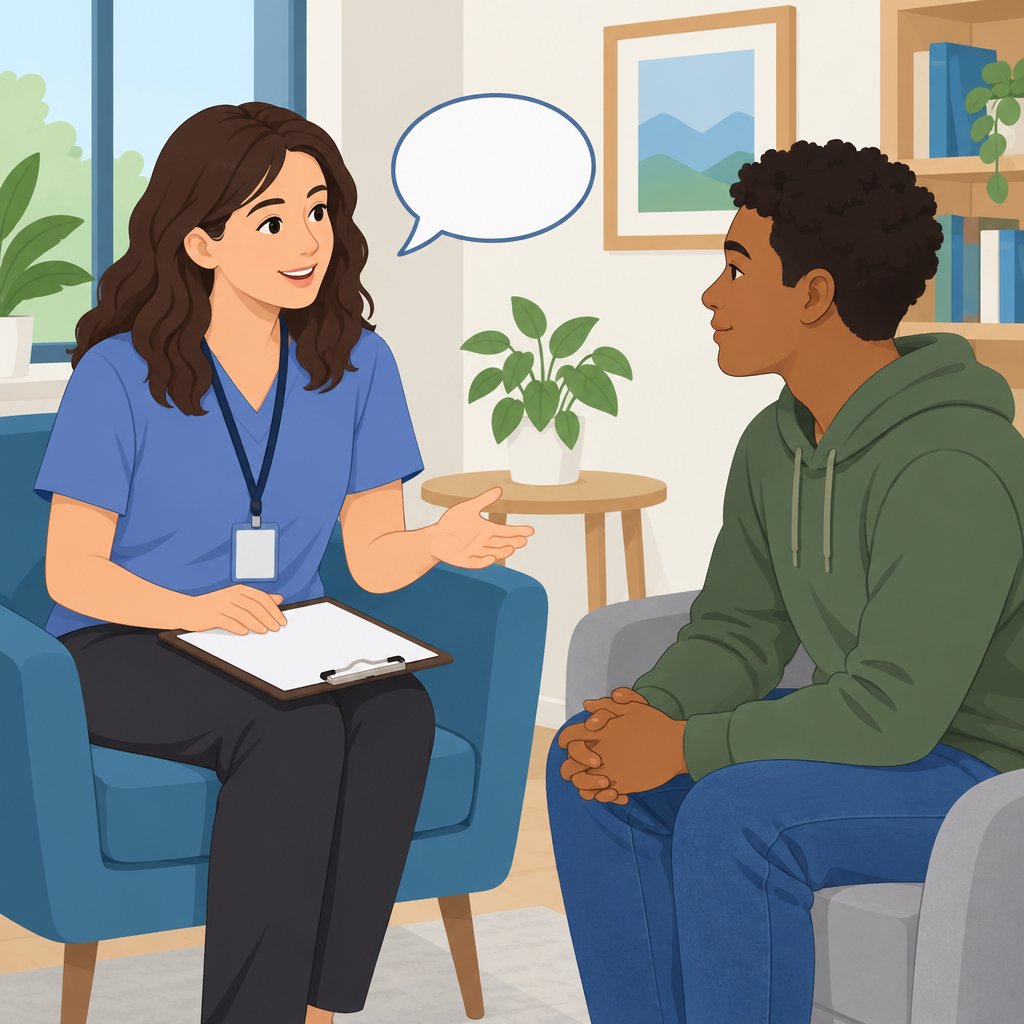
Effective Communication Skills
Effective communication shapes how mental health technicians interact with patients.
It helps technicians share information clearly and respond appropriately to patient concerns.
Additionally, communication skills support respectful exchanges throughout the therapeutic relationship.
Significance of Effective Communication Skills
Clear communication helps patients understand treatment plans, medications, and therapy objectives.
It also encourages patients to discuss their thoughts, feelings, and experiences more openly.
Furthermore, respectful communication reduces misunderstandings and supports patient participation in care.
Transform Your Career Today
Unlock a personalized career strategy that drives real results. Get tailored advice and a roadmap designed just for you.
Start Now- Effective communication helps technicians build trust, which supports the therapeutic process.
- Good communication encourages patients to share personal thoughts, feelings, and experiences.
- Clear explanations help patients understand treatment plans, medications, and therapy objectives.
- Accurate communication minimizes misunderstandings that could affect treatment outcomes.
- Respectful and empathetic communication empowers patients to participate actively in their care.
Communication Techniques for Mental Health Technicians
Mental health technicians can use several techniques to understand patients and respond with sensitivity.
These techniques help patients express concerns while technicians remain attentive and supportive.
Moreover, thoughtful responses can encourage patients to explore their emotions more deeply.
- Active listening involves hearing concerns, validating feelings, and showing empathy.
- Nonverbal cues include body language, facial expressions, and tone of voice.
- Reflective communication restates patient expressions to demonstrate understanding.
- Empathetic responses acknowledge emotions without judgment or criticism.
- Open-ended questions invite thoughtful responses and deeper emotional insights.
By applying these skills consistently, technicians can create a supportive and therapeutic environment.
Such an environment can promote healing and support patient recovery.
Find Out More: Life Skills Instructor: Working with Diverse Populations
Empathy and Compassion
Empathy and compassion guide mental health technicians when they interact with patients facing mental health issues.
Technicians need to understand patients’ feelings and emotions deeply.
These qualities help technicians respond with care during challenging conversations.
Importance of Demonstrating Empathy and Compassion
Demonstrating empathy and compassion creates a supportive and comforting environment for patients.
It also builds trust and rapport between patients and technicians.
Furthermore, compassionate care can reduce stigma and encourage patients to express thoughts and feelings.
- Creates a supportive and comforting environment for patients
- Builds trust and rapport between the patient and the technician
- Helps reduce stigma associated with mental health issues
- Encourages patients to share their thoughts and feelings
How Empathy and Compassion Improve Patient Care
Empathy and compassion improve patient care in several important ways.
When patients feel understood, they may engage more fully in treatment.
They may also participate actively in therapy and pursue their recovery goals.
- Enhances the therapeutic relationship between patients and technicians
- Increases patient satisfaction and support for treatment plans
- Reduces feelings of isolation and loneliness among patients
- Promotes empowerment and self-worth among patients
These qualities show patients that technicians value and understand them.
As a result, patients may feel less isolated while receiving care.
Compassionate interactions can also strengthen patients’ sense of empowerment and self-worth.
See Related Content: Crisis Intervention Techniques Every Specialist Should Know
Conflict Resolution
Mental health technicians and patients may experience conflict because they hold different opinions.
Misunderstandings can increase tension during challenging interactions.
Technicians can address conflict by responding with patience, respect, and clear communication.
Potential Conflicts
Different perspectives may cause disagreements between technicians and patients.
Unclear messages can also create frustration or confusion.
Recognizing these sources helps technicians respond before tensions escalate.
Tips for Resolving Conflicts
Active listening helps technicians understand concerns and communicate clearly.
Calm behavior can reduce tension during difficult conversations.
Empathy encourages technicians to consider the patient’s perspective.
- Listen actively and express your thoughts clearly.
- Remain calm and composed during challenging situations.
- Consider the patient’s perspective with empathy.
- Collaborate with the patient on a mutually beneficial solution.
- Seek help from a supervisor or colleague when necessary.
- Take a break when tension begins to escalate.
- Use deep breathing or mindfulness exercises to support de-escalation.
- Set respectful boundaries while remaining compassionate.
Strategies for Maintaining a Positive Relationship
Genuine interest can help technicians create meaningful connections with patients.
Consistent and reliable interactions can strengthen trust over time.
Patient involvement can support autonomy and shared decision-making.
- Show genuine interest and care for the patient.
- Build trust through consistent and reliable interactions.
- Respect the patient’s autonomy during decision-making.
- Validate feelings and experiences without judgment.
- Celebrate progress and achievements, including small steps.
- Offer support and encouragement during difficult periods.
- Practice cultural sensitivity and awareness.
- Adjust your approach according to the patient’s needs.
Building a Supportive Therapeutic Environment
Proactive conflict management can help technicians navigate challenging situations.
Respectful collaboration can support healthier interactions with patients.
Empathy, respect, and cooperation can help maintain a supportive care environment.
Gain More Insights: Common Challenges Faced by Life Skills Instructors
Professional Boundaries With Patients
Mental health technicians should define their professional relationships with patients clearly.
They should establish limits regarding personal disclosures and physical contact.
Technicians must communicate boundaries consistently and respectfully.
- Clearly define the professional relationship with each patient.
- Establish limits on personal disclosure and physical contact.
- Communicate boundaries consistently and respectfully.
- Involve supervisors or colleagues when boundary violations occur.
Professional Standards and Conduct
Professionalism requires technicians to follow applicable codes of conduct and ethical standards.
They must protect patient confidentiality during every professional interaction.
Transform Your Career Today
Unlock a personalized career strategy that drives real results. Get tailored advice and a roadmap designed just for you.
Start NowSupervision and consultation help technicians maintain appropriate professional standards.
- Adhere to professional codes of conduct and ethics.
- Respect patient confidentiality at all times.
- Avoid dual relationships that could compromise objectivity.
- Seek supervision and consultation to uphold professional standards.
Ethical Responsibilities in Patient Care
Ethical practice requires technicians to respect each patient’s autonomy and dignity.
Technicians should recognize conflicts of interest that might influence decisions.
They must consider power differences within every therapeutic relationship.
- Respect the autonomy and dignity of each patient.
- Avoid conflicts of interest that might affect decision-making.
- Obtain informed consent before providing treatment or interventions.
- Recognize power differences and their effects on therapeutic relationships.
Clear boundaries and professional conduct help technicians create safe, therapeutic environments.
Ethical standards protect patient well-being and support responsible professional practice.
Recognizing Signs of Distress
Recognizing distress signs helps mental health technicians provide appropriate care.
It also enables early intervention before symptoms develop into potential crises.
Moreover, technicians can tailor interventions when they understand each patient’s needs.
Distress may appear through changes in behavior, mood, or emotional expression.
Importance of Early Distress Recognition
Early identification can prevent distress symptoms from escalating.
Recognizing distress signals allows technicians to provide timely intervention and support.
Additionally, prompt attention can strengthen trust between patients and technicians.
Addressing distress quickly may help prevent further deterioration in mental health.
Appropriate Responses to Patient Distress
Technicians should listen attentively to each patient’s concerns.
They should validate emotions while offering a safe, supportive environment.
Furthermore, technicians can collaborate with patients to develop coping plans.
They should provide resources or referrals when patients need additional support.
Support Strategies for Patients in Need
Technicians should offer empathy and understanding without judging patients.
They can encourage self-care activities that promote patient well-being.
Teaching coping skills and relaxation techniques can help patients manage distress.
Regular follow-up allows technicians to monitor progress and adjust interventions.
Supporting Improved Mental Health Outcomes
Mental health technicians help patients navigate challenging experiences with empathy and care.
Early support can promote safer responses and more effective distress management.
Consistent attention to distress supports improved mental health outcomes over time.
Patient Well-Being and Recovery Outcomes
Supportive exchanges can improve patients’ comfort and sense of safety during treatment.
These conditions may strengthen well-being and encourage progress toward recovery.
Furthermore, attentive listening helps technicians understand patients’ needs throughout care.
Technicians can also offer steady support as patients navigate their recovery journeys.
Such care can reinforce treatment efforts and help patients participate more confidently.
Respectful relationships can support therapy and promote lasting mental wellness.
Patients may also develop greater empowerment and resilience through consistent support.
Technicians should make each interaction purposeful, supportive, and focused on patient progress.
Additional Resources
Google search results for Mental Health Technician and Patient Interaction Social and Human Services
Bing search results for Mental Health Technician and Patient Interaction Social and Human Services


