




Introduction
A machinist is a skilled tradesperson.
This professional operates machinery to create precise metal parts.
Throughout history, machining has played a vital role in various industries.
Meanwhile, technology has continued to shape its development.
Education and Training Requirements
A machinist typically needs a high school diploma or equivalent.
Some machinists also complete technical or vocational training.
This preparation supports the knowledge needed for modern manufacturing work.
Technical Skills in Operating Machinery and Reading Blueprints
A machinist sets up and operates various types of machinery.
Common equipment includes lathes, milling machines, and grinders.
Machinists also read and interpret blueprints to understand specific requirements.
Attention to Detail and Precision in Machinist Work
Attention to detail remains crucial in machinist work.
Machinists create precision parts according to specific requirements.
Even a small mistake can cause costly production errors.
The Different Types of Machines and Tools Used by Machinists
Machinists use diverse machines and tools to shape materials accurately.
Modern production combines computer-controlled equipment with traditional cutting and finishing tools.
These resources support precise, efficient, and consistent manufacturing work.
CNC Machines and Their Role in Modern Manufacturing
CNC machines use computer controls to guide tool movements during manufacturing.
They improve precision and efficiency when production requires consistent results.
Furthermore, programmers create code that directs each machine’s operations.
- CNC machines are computer-controlled tools used in modern manufacturing.
- They offer high precision and efficiency during the production process.
- Programmers create code to control CNC machine movements.
- CNC machines perform complex tasks with minimal human intervention.
Traditional Tools Such as Lathes, Mills, and Grinders
Traditional machines shape, cut, and finish materials through mechanical processes.
Lathes rotate workpieces while cutting tools shape their surfaces.
Meanwhile, mills remove material, and grinders refine surface finishes.
- Lathes shape materials through rotational movement.
- Mills remove material from workpieces with cutting tools.
- Grinders achieve a high level of surface finish on materials.
- Skilled machinists operate these traditional tools effectively.
Importance of Staying Up-to-Date with Technological Advancements in Machining
Manufacturing technology continues to evolve and introduce new machining possibilities.
Therefore, machinists must monitor new tools and techniques to remain competitive.
Training and education help machinists understand current developments and improve production results.
- Technology in manufacturing constantly evolves and advances.
- Machinists need awareness of new tools and techniques to stay competitive.
- Training and education help machinists keep up with current trends.
- New technologies can improve efficiency and quality during production.
By combining CNC machines, traditional tools, and current technology, machinists support modern manufacturing.
These resources help manufacturers produce accurate products efficiently and on time.
Discover More: Lumberjack Camps: A Glimpse into Community Life
Day-to-Day Responsibilities of a Machinist
Machinists manage several responsibilities during each workday.
Their work combines technical skills, attention to detail, and collaboration.
These responsibilities help them produce high-quality products efficiently.
Machine Setup and Part Production
Machinists read and interpret blueprints or technical drawings.
They set up and operate lathes, mills, and grinders to create precision parts.
This work requires accurate machine adjustments and careful attention to production requirements.
Finished Product Inspection
Machinists inspect finished products to confirm that they meet required specifications.
They use quality control practices to identify deviations from established standards.
Consequently, inspection helps ensure that completed parts satisfy production expectations.
Process Improvement Collaboration
Machinists collaborate with engineers and designers to review production processes.
Together, they identify areas where modifications may improve efficiency and quality.
This cooperation connects machining experience with design and engineering knowledge.
Transform Your Career Today
Unlock a personalized career strategy that drives real results. Get tailored advice and a roadmap designed just for you.
Start NowUncover the Details: The Economic Impact of the Fishing Industry
Machinists play a critical role in the manufacturing process for several important reasons.
Transforming Raw Materials Into Finished Products
Machinists transform raw materials such as metal, plastic, and wood into usable products.
They shape these materials according to specific production requirements.
As a result, their work supports the creation of finished goods.
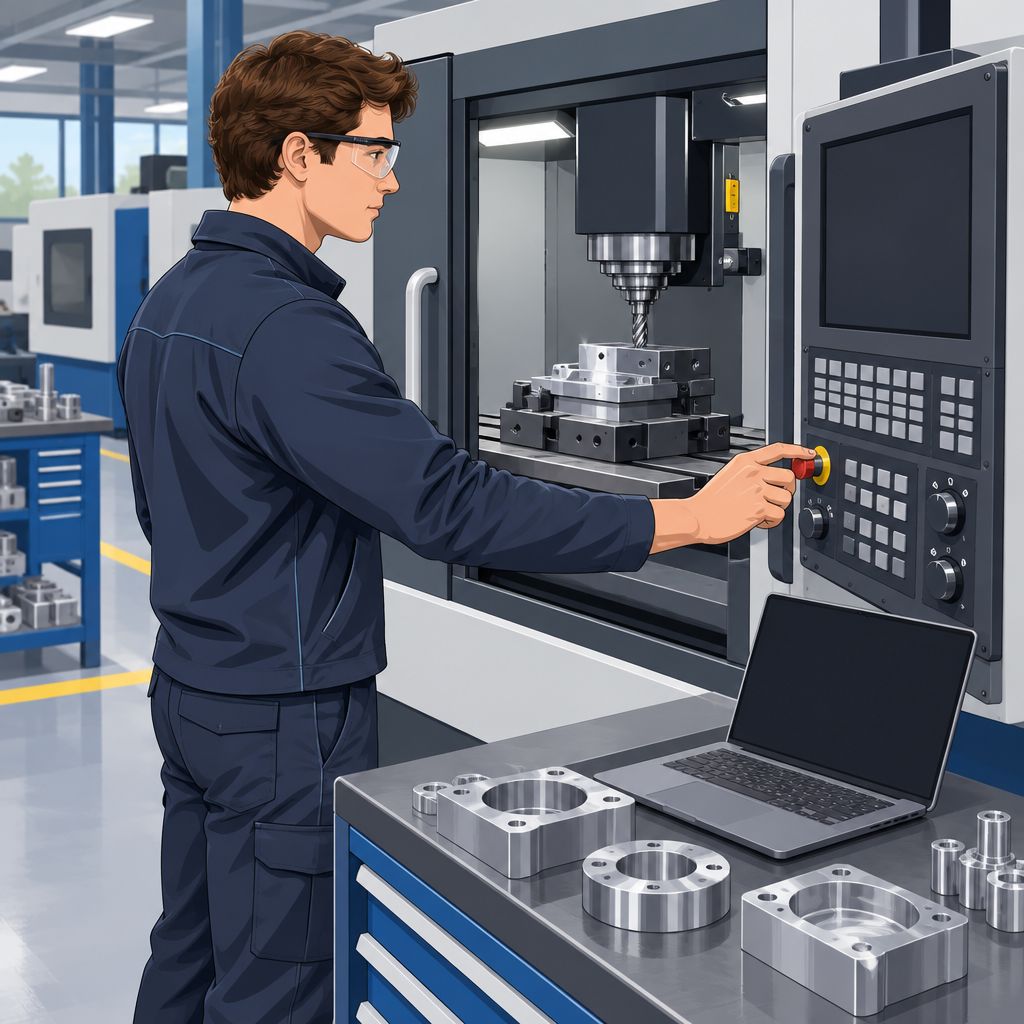
Influencing Efficiency and Product Quality
Machinists directly influence production efficiency and product quality.
Their precision and attention to detail help products meet required specifications.
Therefore, their work supports consistent performance throughout the production line.
Solving Problems and Improving Processes
Machinists solve problems that arise during production.
They apply technical expertise and creativity to develop practical solutions.
Additionally, they improve processes and overcome obstacles affecting manufacturing work.
Consequently, machinists serve as a backbone of modern manufacturing.
Their skills help manufacturers produce goods with precision, efficiency, and quality.
Ultimately, their expertise remains essential across a wide range of manufacturing work.
Delve into the Subject: Warehouse Worker Tools and Equipment Overview
Future Outlook for Machinists in Manufacturing
Machinists have a promising future within the manufacturing industry.
Several developments will influence their work and career opportunities in the coming years.
As technology advances, manufacturers will continue needing professionals who understand modern production equipment.
Growing Demand for Skilled Machinists
Manufacturing companies will need skilled machinists to operate and maintain various machines.
Furthermore, machinists can help companies maintain efficient and productive operations.
This ongoing need should create favorable employment prospects for capable professionals.
Advancement and Specialization Opportunities
Machinists can advance their careers by developing expertise within specific manufacturing industries.
For example, aerospace, automotive, and medical manufacturing offer distinct areas for specialization.
By focusing on one sector, machinists can build deeper knowledge and become industry specialists.
Machinists Supporting Automation and Robotics
Machinists contribute significantly to automation and robotics throughout manufacturing operations.
They use their CNC expertise to set up and maintain automated equipment.
Consequently, their work helps improve efficiency and productivity within manufacturing systems.
Delve into the Subject: Understanding Construction Contracts
Machinists’ Impact on Modern Manufacturing
Machinists play a crucial role in modern manufacturing by using their skills to produce high-quality parts and products.
They bring diverse skills and expertise, including precision machining, problem-solving, and experience with various materials.
Moreover, machinists help ensure smooth and efficient manufacturing operations.
For interested individuals, machinist careers offer a dynamic and rewarding path.
As industry demand rises, dedicated workers can find opportunities for growth and development.
Therefore, exploring modern manufacturing can help aspiring machinists make a significant industry impact.


