




Introduction
Warehouse worker tools and equipment support smooth warehouse operations.
They also promote safety within the warehouse environment.
These tools help maximize efficiency and productivity while minimizing risks.
Importance of Proper Warehouse Tools
Task-specific tools help warehouse workers complete their responsibilities with greater precision.
They also support timely task completion and consistent work quality.
Additionally, suitable equipment helps workers manage workplace hazards more effectively.
Benefits of Appropriate Warehouse Tools
Appropriate tools allow workers to handle tasks accurately and precisely.
Furthermore, suitable equipment helps workers complete assignments within expected timeframes.
As a result, workers can produce better outcomes while reducing avoidable hazards.
- Accuracy: The right tools support accurate and precise task performance.
- Efficiency: Proper equipment helps workers complete tasks promptly.
- Safety: Suitable tools reduce risks associated with warehouse activities.
- Quality: Appropriate equipment improves the quality of completed work.
Risks of Improper Warehouse Tools
Improper tools can make warehouse tasks slower and more difficult.
Moreover, unsuitable equipment can expose workers to additional accident and injury risks.
Using incorrect tools may also harm products, equipment, or warehouse structures.
- Decreased Productivity: Workers may need more time to complete tasks.
- Increased Risk of Injury: Improper equipment can raise accident risks.
- Potential Damage: Incorrect tools may damage products or equipment.
- Waste of Resources: Inefficient equipment can waste time, effort, and resources.
Tools Used in Warehouse Operations
Warehouse workers use different tools to move, track, organize, and protect goods.
Each tool serves a specific purpose within daily warehouse activities.
Using these resources appropriately helps workers manage goods and complete assigned tasks.
- Pallet Jacks: Workers use these tools to move pallets within the warehouse.
- Forklifts: These machines lift and transport heavy loads and pallets.
- Hand Trucks: Workers use hand trucks to move smaller loads and packages.
- Barcode Scanners: These devices support inventory tracking and management.
- Box Cutters: Workers use box cutters to open packaging materials.
- Shelving Units: These units provide organized storage space for warehouse goods.
- Workbenches: Workers use workbenches for packing, sorting, and organizing items.
- Safety Gear: Helmets, gloves, and safety vests help protect workers from hazards.
Types of Equipment
Warehouses use various equipment types to move, store, and manage inventory.
These resources help workers handle different materials and warehouse activities.
Each equipment category supports specific tasks within the warehouse environment.
Forklifts
Forklifts lift and move heavy loads throughout a warehouse.
They include electric, propane, and diesel-powered varieties.
Operators need specialized training, and certification may support lawful operation.
Pallet Jacks
Pallet jacks move pallets between locations within a warehouse.
Workers can choose manual or electric models for different tasks.
Proper training helps operators prevent accidents and handle goods correctly.
Conveyor Belts
Conveyor belts transport goods from one warehouse area to another.
They streamline picking and packing activities while reducing manual labor.
Therefore, workers need training to operate and maintain conveyor systems.
Automated Warehouse Systems
Automation improves productivity and can reduce warehouse labor costs.
These systems include robots, automated pickers, and inventory management software.
Employees need technical training to operate, maintain, and troubleshoot these systems.
Racking and Shelving Systems
Racking and shelving systems organize and store warehouse inventory.
Common options include pallet racks, cantilever racks, and mezzanine shelving.
Workers must understand proper loading practices to prevent accidents and overloading.
With suitable equipment and training, workers can handle warehouse tasks effectively.
These practices also support a steady flow of warehouse operations.
Gain More Insights: Understanding Construction Contracts
Safety Measures
Warehouse safety requires consistent attention from every employee.
Employers must establish clear practices that reduce risks during daily tasks.
Employees should follow those practices while working in shared warehouse areas.
Protective Gear Requirements
Protective gear provides a basic barrier against common workplace hazards.
Transform Your Career Today
Unlock a personalized career strategy that drives real results. Get tailored advice and a roadmap designed just for you.
Start NowEach item supports a different part of the body during warehouse tasks.
Therefore, employees should select and wear the required gear before starting work.
- Always wear a helmet to protect your head from falling objects.
- Use safety goggles to prevent eye injuries from flying debris.
- Wear gloves to protect your hands from cuts and bruises while handling equipment.
- Wear steel-toed boots to protect your feet from heavy objects.
Warehouse Safety Guidelines
Clear safety guidelines help employees perform tasks with greater control.
Employers should explain each protocol and confirm that workers understand it.
Employees must follow instructions while using equipment and machinery.
- Train every employee to use equipment and machinery safely.
- Inspect equipment regularly for damage or wear and tear.
- Keep work areas clean and organized to prevent tripping hazards.
- Use caution when operating forklifts and other heavy machinery.
Practical Safety Protocols
Warehouse teams can apply several practical protocols during routine operations.
These protocols reinforce protective habits and support safer coordination.
Regular communication helps employees address concerns during warehouse activities.
- Ensure that every employee wears protective gear during warehouse work.
- Use a buddy system when lifting heavy objects.
- Display safety signs and labels in prominent warehouse areas.
- Hold regular safety meetings to discuss concerns or issues.
Consistent safety practices help create a more secure warehouse environment for everyone.
Discover More: Tips for Efficiently Packing and Unpacking Belongings
Importance of Regular Maintenance and Inspections
Regular maintenance helps warehouse equipment operate safely and efficiently.
Inspections can identify problems before equipment malfunctions during warehouse tasks.
Therefore, consistent equipment care supports a safer and more efficient work environment.
Warehouse Worker’s Role in Reporting Issues
Warehouse workers should promptly report equipment issues or malfunctions.
Regular inspections help workers identify conditions that require attention.
Additionally, workers can test equipment functionality and report concerns quickly.
- Conduct regular equipment inspections
- Look for signs of wear and tear
- Test equipment functionality
Tips for Proper Maintenance and Care
Proper maintenance can help prolong the lifespan of warehouse tools and equipment.
Workers should follow maintenance procedures and handle equipment correctly.
Furthermore, proper storage protects equipment when employees are not using it.
- Follow the manufacturer’s maintenance guidelines
- Clean equipment regularly
- Lubricate moving parts as needed
- Store equipment properly when not in use
- Train employees on proper equipment usage
Learn More: How to Stay Organized on a Construction Site
Efficiency and Productivity
Warehouse operations depend on efficient processes and productive use of available resources.
Proper tools and equipment help companies complete tasks with greater speed and consistency.
They also help workers manage warehouse activities with less unnecessary effort.
As a result, businesses can improve daily performance across their warehouse operations.
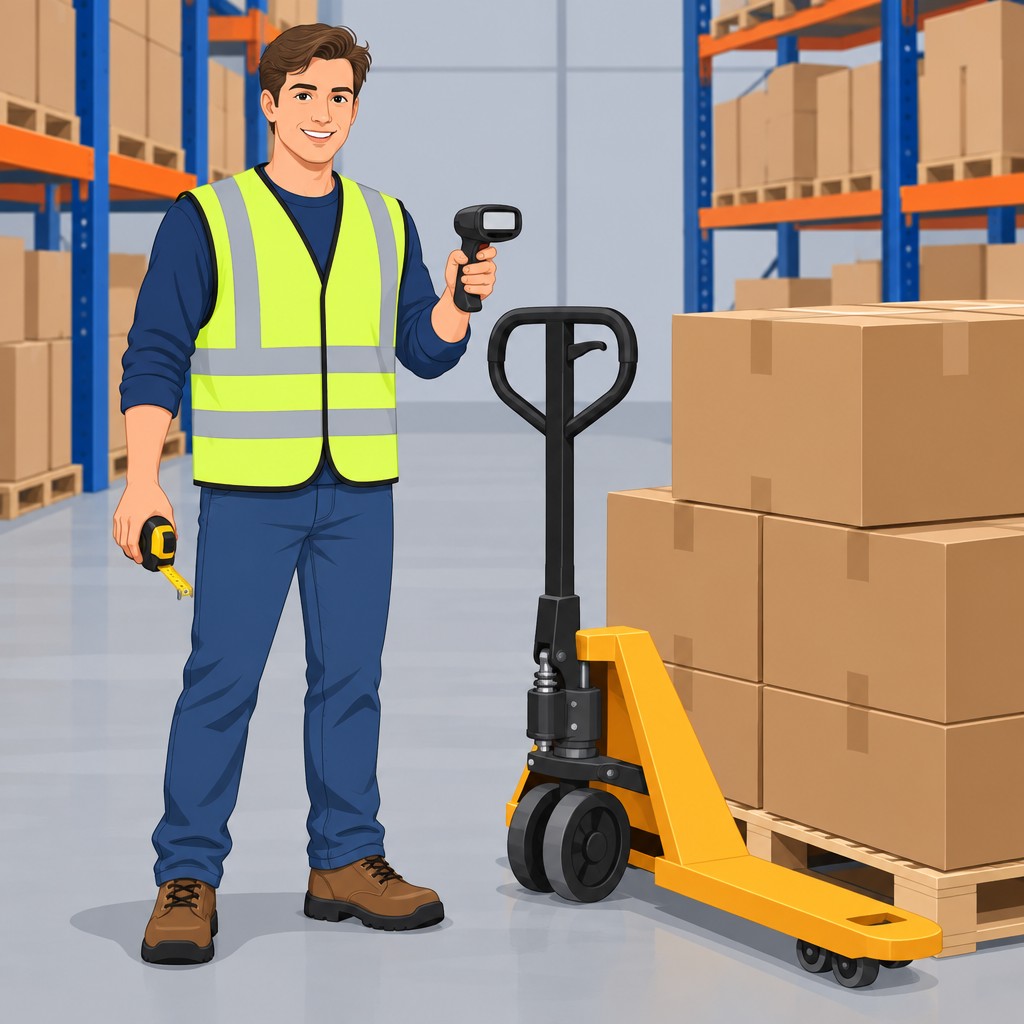
Technology and Automation in Warehouse Operations
Technology and automation have changed how warehouses complete time-consuming and labor-intensive tasks.
These solutions can shorten processes while supporting consistent productivity levels.
For example, automated conveyor systems transport goods between locations without manual movement.
Similarly, robotic palletizers stack and organize products while reducing errors.
- Forklifts: Forklifts help workers move heavy pallets and materials quickly.
- Barcoding Systems: Barcoding systems track products and help workers locate items efficiently.
- Automated Guided Vehicles (AGVs): AGVs transport goods within warehouses without direct human intervention.
- WMS Software: WMS software provides real-time data that supports inventory control and operational decisions.
Uncover the Details: The Impact of Legislation on Mining Practices
Training and Development
- Training programs help warehouse workers safely and effectively use tools and equipment.
- Ongoing development keeps warehouse workers updated on new technologies and industry practices.
- Certifications prove workers’ skills and knowledge, improving job opportunities and career advancement.
Benefits of Training Programs
- Training programs improve warehouse efficiency and productivity.
- Proper equipment handling reduces the risk of accidents and injuries.
- Skill-building opportunities enhance employee morale and job satisfaction.
Benefits of Ongoing Development and Certifications
- Ongoing development increases job security and opportunities for career growth.
- Certifications boost employee confidence when handling various tools and equipment.
- Continued learning ensures compliance with industry standards and regulations.
Resources for Training Programs and Certifications
- Check local vocational schools or community colleges for warehouse worker training programs.
- Online platforms like Coursera and Udemy offer warehouse management and equipment operation courses.
- WERC provides certification programs for warehouse workers through industry-specific training resources.
Hand Tools and Maintenance Resources
Workers use hammers, screwdrivers, and pliers for routine warehouse tasks.
Meanwhile, wrenches, lubricants, and voltage testers support equipment maintenance and repairs.
These resources help workers address daily needs and maintain workplace equipment.
Material Handling and Storage Solutions
Forklifts, pallet jacks, and conveyors move heavy items around the warehouse.
These handling tools help workers transport materials quickly and safely.
Shelving units, bins, and racks organize inventory while maximizing available storage space.
Protective and Emergency Equipment
Workers should wear helmets, safety goggles, gloves, and steel-toed boots.
This protective gear helps prevent injuries during warehouse tasks.
Fire extinguishers, first aid kits, and emergency exit signs support emergency readiness.
Technology and Workplace Readiness
Barcode scanners, inventory management software, and RFID systems streamline warehouse processes.
These technologies also improve inventory management and daily operations.
Transform Your Career Today
Unlock a personalized career strategy that drives real results. Get tailored advice and a roadmap designed just for you.
Start NowProper training, regular maintenance, and safety practices help prevent accidents.
Workers should select appropriate equipment to support a safe and productive workplace.
Additional Resources
Bing search results for Warehouse Worker Tools and Equipment Overview Construction and Manual Labor


