




A Day in the Life of a Rail Yard Engineer
A rail yard engineer operates and maintains locomotives and trains within a railway yard.
Rail transportation moves goods and people efficiently across the United States.
Each shift requires careful preparation, coordination, maintenance, and problem-solving.
Morning Preparation and Safety Checks
Engineers usually begin their shifts early in the morning.
They inspect locomotives and examine the tracks before starting operations.
These checks help engineers confirm that equipment remains ready for service.
Coordinating Train Yard Operations
After completing inspections, engineers move trains into and out of the rail yard.
They coordinate with other engineers and yard operators throughout the day.
This teamwork supports a smooth flow of train traffic.
Locomotive Maintenance Responsibilities
Engineers perform routine maintenance to keep locomotives operating efficiently.
They refuel locomotives and change their oil during the workday.
They also inspect equipment for potential problems before those issues affect operations.
Responding to Operational Problems
Unexpected challenges can interrupt normal rail yard activities.
Engineers troubleshoot mechanical problems when they occur.
They also address delays that affect train schedules.
Completing the Shift Handoff
At the end of each shift, engineers conduct a final locomotive inspection.
They secure the equipment for the next crew.
They then brief incoming engineers about issues that occurred during the day.
Supporting Reliable Rail Transportation
Rail yard engineering demands attention, technical skill, and consistent coordination.
Engineers help keep trains moving smoothly and efficiently.
Their work supports the safe transportation of goods and people across the country.
Rail Yard Engineer Responsibilities
- Operating locomotives within the rail yard
- Shunting cars to their proper tracks
- Inspecting equipment for safety and maintenance issues
First, the engineer moves locomotives through the rail yard.
This work positions trains for loading and unloading.
Precision helps the engineer navigate tight spaces and avoid obstacles.
Next, the engineer shunts cars onto their assigned tracks.
This process includes coupling and uncoupling cars.
Careful attention ensures that each car reaches its correct location.
Additionally, the engineer inspects locomotives, cars, and other equipment.
Regular checks reveal safety concerns and maintenance issues.
The engineer reports defects or malfunctions promptly to prevent accidents or delays.
These responsibilities demand skill, attention to detail, and consistent adherence to safety protocols.
They support efficient yard operations and timely train movement.
Typical Schedule of a Rail Yard Engineer
The schedule can be demanding, yet the work remains rewarding.
Each day brings new challenges and opportunities.
Dedication helps keep the rail yard running smoothly.
Early Morning Start Time
My work typically starts bright and early.
I usually report at the crack of dawn.
This early arrival gives me time to prepare for the day ahead.
Long Shifts With Potential for Overtime
Shifts can be quite lengthy.
They sometimes last 10-12 hours or even more.
Transform Your Career Today
Unlock a personalized career strategy that drives real results. Get tailored advice and a roadmap designed just for you.
Start NowI must remain willing to work extra hours when needed.
Irregular Hours Based on Train Schedules
Train schedules can make working hours irregular.
Because schedules can be unpredictable, flexibility remains essential.
This profession requires flexibility throughout the working day.
Despite these demands, the career feels incredibly rewarding.
Operating heavy machinery provides excitement and responsibility.
Keeping the rail yard running smoothly brings satisfaction.
This career offers a unique blend of excitement and responsibility.
Find Out More: The Importance of Dock Workers in Maritime Transport
Challenges Faced by Rail Yard Engineers
Rail yard engineers face demanding conditions while keeping rail yard operations safe and efficient.
Their work requires adaptability, alertness, and resilience throughout changing shifts.
Weather, workplace hazards, and scheduling demands can test their skills each day.
Extreme Weather Conditions
Extreme weather can make rail yard work more difficult for engineers.
Heat and cold require engineers to remain focused while supporting smooth train operations.
Snowstorms, heavy rain, and strong winds can affect tracks and create operational delays.
Safety Around Moving Trains
Moving trains create serious safety concerns for engineers working throughout the yard.
Loud noises, vibrations, and limited visibility can make safe navigation more difficult.
Therefore, engineers must stay vigilant, follow safety protocols, and complete proper training.
Pressure to Maintain Schedules
Strict deadlines place continuing pressure on engineers to keep trains on schedule.
A delay can affect the broader rail network, the company, and customers awaiting deliveries.
As a result, stress and fatigue may affect performance during demanding operations.
Professional Resilience in Rail Yard Operations
Skilled engineers address these challenges through adaptability and careful attention.
Their efforts support safe and efficient rail yard operations.
They also maintain high standards of performance and professionalism.
Uncover the Details: Maximizing Efficiency with Freight Management Software
Skills and Qualifications for Rail Yard Engineers
Rail yard engineers need technical knowledge, communication abilities, and strong problem-solving skills.
They also need composure, adaptability, and focus while managing demanding rail yard conditions.
These qualities support safe and efficient coordination throughout rail yard operations.
Training and Certification Requirements
A bachelor’s degree in engineering or a related field provides foundational knowledge about rail systems and operations.
Additionally, aspiring rail yard engineers must obtain certification from the Federal Railroad Administration.
This certification demonstrates knowledge of rail safety regulations and operational practices.
Many rail companies also provide on-the-job training programs for new hires.
These programs give employees hands-on experience with rail yard operations and daily workplace challenges.
- Complete a bachelor’s degree in engineering or a related field
- Obtain certification from the Federal Railroad Administration
- Participate in on-the-job training provided by rail companies
Ability to Work Well Under Pressure
Rail yard engineers coordinate train movements within demanding schedules.
Therefore, they must remain calm and focused during high-stress situations.
During emergencies, quick decisions can influence rail yard safety and operational efficiency.
Moreover, changing schedules require engineers to adjust plans without losing focus.
Unexpected challenges may require immediate responses and careful coordination with other personnel.
- Handle high-stress situations while coordinating train movements
- Maintain composure during rail yard emergencies
- Adapt quickly to changing schedules and unforeseen challenges
Communication and Problem-Solving Skills
Clear communication helps rail yard engineers coordinate with personnel and train operators.
Specific instructions can reduce misunderstandings and support efficient train movement.
Transform Your Career Today
Unlock a personalized career strategy that drives real results. Get tailored advice and a roadmap designed just for you.
Start NowMeanwhile, analytical thinking helps engineers address routing, scheduling, and maintenance issues.
They also collaborate with team members to resolve operational challenges.
Through teamwork, engineers can apply shared knowledge to improve rail yard efficiency.
- Communicate effectively with rail yard personnel and train operators
- Solve complex train routing and scheduling issues
- Collaborate with team members to improve operational efficiency
Discover More: Safety Protocols for Railroad Engineers
Advantages of a Career as a Rail Yard Engineer
A career as a rail yard engineer offers several professional advantages.
These benefits include competitive compensation, advancement opportunities, and employment stability.
Rail yard engineers also support essential transportation operations.
Competitive Salary and Benefits
Rail yard engineers can earn competitive salaries that reflect their skills and expertise.
Many rail companies also provide healthcare, retirement plans, and vacation time.
Additionally, some companies offer bonuses and incentives for performance and strong safety records.
These benefits can increase total compensation and strengthen the career’s financial appeal.
Opportunities for Advancement Within the Industry
Rail yard engineers can pursue advancement through experience and additional training.
Rail companies often provide training programs for employees seeking greater responsibility.
For example, experienced employees may become locomotive engineers, supervisors, or managers.
These positions typically provide increased pay and additional benefits.
Therefore, the industry can support long-term professional growth.
Job Security in an Essential Field
Rail transportation remains an essential part of the economy.
It moves goods and passengers efficiently and reliably across the country.
Rail yard engineers help keep trains moving and shipments arriving on time.
Consequently, rail companies continue to need employees with relevant skills.
Even during economic downturns, rail transportation continues serving important transportation needs.
Delve into the Subject: Port Operations Manager: Streamlining Operations
Equipment and Tools Used by Rail Yard Engineers
Rail yard engineers use specialized equipment to move goods and materials efficiently.
These tools also support safe operations throughout the rail yard.
Together, they help engineers coordinate movements and protect coworkers during daily work.
Locomotives and Rail Cars
Locomotives and rail cars transport goods and materials throughout the rail yard.
Typically, diesel-powered locomotives pull or push rail cars along the tracks.
Boxcars, flatcars, tank cars, and other rail cars carry different types of cargo.
Therefore, workers must maintain this equipment carefully to prevent mechanical problems and work disruptions.
Communication Devices
Communication devices help rail yard engineers coordinate movements with coworkers.
Engineers commonly use two-way radios to contact other engineers, yardmasters, and dispatchers.
They discuss train movements, track assignments, and other important information.
Additionally, some rail yards use digital systems to track train locations and status in real time.
Safety Gear and Personal Protective Equipment
Safety gear helps rail yard engineers reduce injury risks during yard operations.
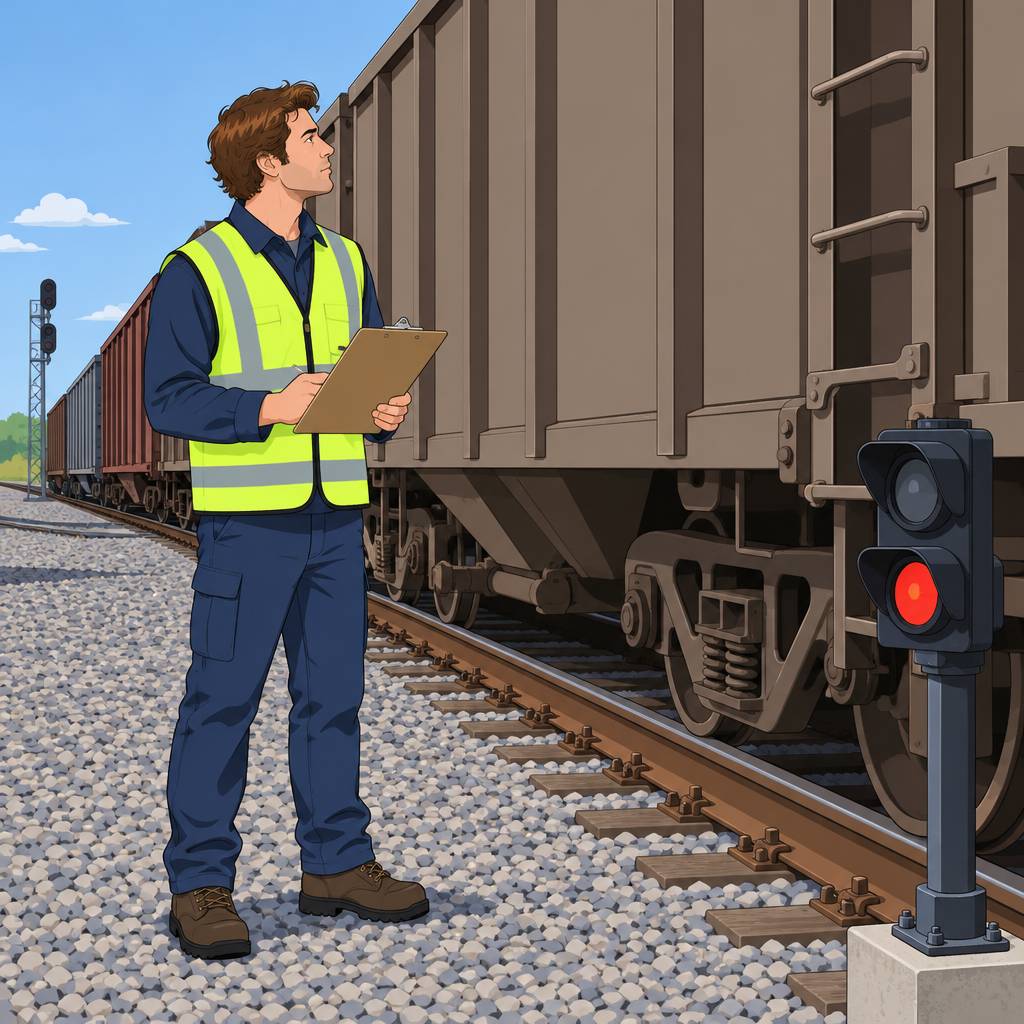
Required PPE includes hard hats, safety vests, steel-toed boots, gloves, and safety glasses.
Engineers also follow signaling, track inspection, and emergency response procedures.
Regular briefings and training sessions prepare them to manage situations that may arise.
These tools enable engineers to transport goods and materials effectively.
At the same time, proper equipment use supports safety for engineers and coworkers.
A Rail Yard Engineer’s Workday
Before sunrise, I arrive at the yard and inspect the locomotive and equipment.
Transform Your Career Today
Unlock a personalized career strategy that drives real results. Get tailored advice and a roadmap designed just for you.
Start NowI confirm that every item works properly before beginning the scheduled train assembly.
Next, I assemble the train cars and place them in the required order.
I follow the schedule carefully while preparing the train for movement.
Then, I contact the yard manager and request clearance for departure.
After receiving clearance, I follow every required safety protocol.
During the journey, I monitor speed, track conditions, and signals continuously.
Meanwhile, I coordinate with engineers and yard operators during cargo pickups and deliveries.
At the day’s end, I return to the yard and park the train.
Finally, I shut down the locomotive and complete the necessary paperwork.
Why This Work Matters
Rail yard engineers help move cargo safely and efficiently across the country.
Their careful work supports businesses that depend on reliable transportation.
Furthermore, their daily efforts help keep the economy moving.
Anyone interested in rail transportation can explore this challenging career field.
Additional Resources
Google search results for Day in the Life of a Rail Yard Engineer Transportation and Logistics
Bing search results for Day in the Life of a Rail Yard Engineer Transportation and Logistics


