




Railroad Engineering Safety Protocols
Railroad engineering requires safety protocols that protect engineers and passengers.
However, human error, equipment malfunctions, and track defects can cause industry accidents.
Therefore, railroad engineers must follow key safety protocols to prevent accidents and injuries.
Personal Protective Equipment (PPE)
- Railroad engineers should wear helmets, safety glasses, and steel-toed boots.
- Proper fitting and maintenance help PPE provide maximum protection.
- PPE creates a barrier between engineers and potential workplace hazards.
Importance of Wearing PPE
Railroad engineers need personal protective equipment to stay safe while performing their duties.
Helmets protect the head from impacts caused by falling objects or collisions.
Safety glasses shield the eyes from flying debris and dust.
Steel-toed boots protect feet from heavy objects and improve stability on uneven tracks.
Guidelines for Fitting and Maintaining PPE
Workers must fit and maintain PPE properly to preserve its protective qualities.
Helmets should feel snug and comfortable, with the chin strap secured.
Safety glasses should fit securely around the eyes without limiting vision.
Steel-toed boots should include reinforced toes and ankle support for rough terrain.
Regular inspections help workers identify wear, damage, and equipment requiring replacement.
Preventing Injuries with PPE
PPE can significantly reduce railroad engineers’ exposure to workplace injuries.
Helmets help prevent serious head trauma during falls and accidents.
Safety glasses protect against debris, dust, and chemical splashes.
Steel-toed boots help prevent crushing injuries and protect against sharp objects.
By selecting, fitting, and maintaining PPE, engineers can work more safely on the railroad.
Railroad Engineer Training and Certification
- Railroad engineers complete mandatory training before they operate trains.
- They also earn certification by demonstrating the knowledge and skills required for safe train operation.
- Training programs cover operating procedures, emergency response, and effective communication.
- Additionally, refresher courses help engineers maintain current knowledge of safety rules and regulations.
- These programs strengthen workforce competence and support efficient railroad operations.
Ongoing Education and Refresher Courses
- Ongoing education helps engineers keep pace with changing technology and safety practices.
- Refresher courses reinforce essential knowledge and practical skills over time.
- Regular instruction can reduce risks and help prevent railroad accidents.
- Furthermore, engineers who study current practices can maintain consistent safety performance.
- Continuous learning helps engineers adapt to revised regulations and operating procedures.
Benefits of a Well-Trained Railroad Workforce
- Well-trained engineers follow established procedures more consistently, which reduces accident risks.
- They can respond more effectively when emergencies or unexpected situations arise.
- Improved safety can increase productivity by reducing disruptions caused by incidents.
- Competent engineers help minimize downtime and keep trains operating smoothly and on schedule.
- Therefore, investment in training and certification supports safety, efficiency, and customer satisfaction.
Uncover the Details: Port Operations Manager: Streamlining Operations
Communication Protocols
Clear communication among railroad engineers and team members supports workplace safety.
This coordination helps prevent accidents during railroad operations.
Therefore, engineers and team members must share information consistently.
- Engineers use hand signals and verbal cues during operations.
- Regular safety briefings keep everyone informed and prepared.
- A common language and terminology ensures clear communication.
Effective Communication Strategies
Railroad engineers rely on effective communication during high-risk situations.
These strategies help prevent accidents and protect team members.
Consequently, engineers must communicate clearly and respond appropriately.
- Engineers use clear and concise language to convey important information.
- Active listening helps team members understand instructions and respond appropriately.
- A communication hierarchy streamlines decision-making processes.
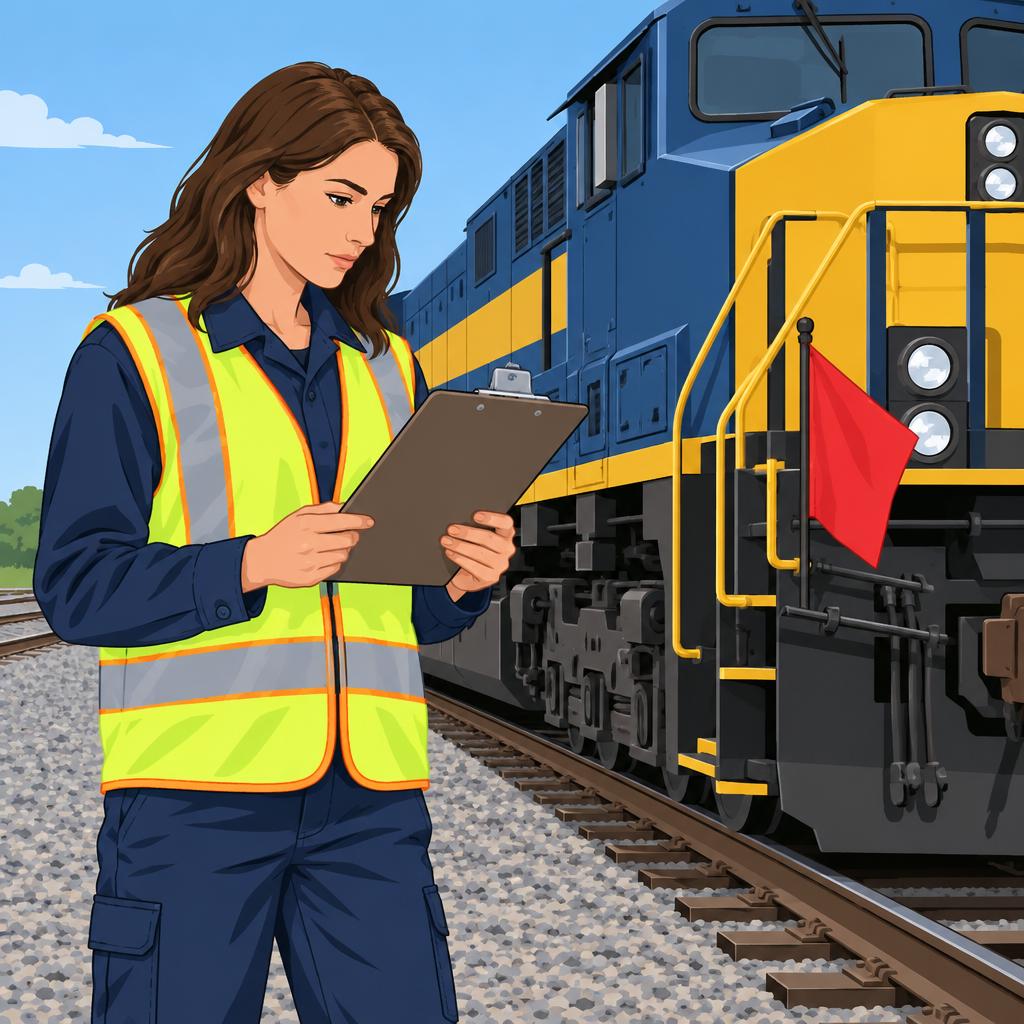
Technology Supporting Railroad Communication
Technology enhances communication among railroad engineers and team members.
It also supports efficiency and safety during railroad operations.
Furthermore, communication technology helps teams coordinate and identify potential hazards.
- Two-way radios provide real-time updates and operational coordination.
- GPS integration supports train tracking and monitoring.
- Automatic warning systems alert engineers about potential hazards.
Learn More: How to Build a Strong Resume for Logistics Technicians
Hazard Identification and Reporting
Railroad engineers face hazards such as track debris, severe weather, and mechanical problems.
Timely hazard identification helps engineers respond before unsafe conditions cause accidents.
Engineers should assess risks, communicate clearly, and follow established reporting procedures.
- Debris on railroad tracks
- Inclement weather conditions
- Mechanical equipment issues
Identifying and Assessing Railroad Hazards
Engineers should inspect their operating environment before beginning railroad operations.
They must recognize debris, weather conditions, and mechanical issues that could affect safe movement.
Additionally, engineers should conduct risk assessments and select measures that reduce identified dangers.
Reporting and Preventing Unsafe Conditions
Engineers should report hazards promptly through designated communication channels.
Clear reports help responsible teams take immediate action and address unsafe conditions.
Routine inspections, timely repairs, and consistent procedures can reduce accidents linked to reported hazards.
Training, Collaboration, and Emergency Response
Regular training teaches engineers how to identify and report hazards effectively.
Team members should share hazard information clearly so everyone can respond appropriately.
Engineers must also understand emergency response plans and act quickly during emergencies.
Transform Your Career Today
Unlock a personalized career strategy that drives real results. Get tailored advice and a roadmap designed just for you.
Start NowInspections, Documentation, and Continuous Improvement
Railroad companies should inspect tracks and equipment regularly to detect developing problems.
Engineers should document hazard reports and record the safety measures taken.
Safety reviews can use employee feedback to improve hazard identification and reporting procedures.
Regulatory Compliance and Employee Well-Being
Engineers must follow applicable industry standards and company safety requirements.
Compliance supports consistent hazard management and reduces preventable operational risks.
Companies should support engineer well-being through training, resources, and a safe working environment.
Learn More: Port Operations Manager: Ensuring Port Safety Standards
Emergency Response Procedures
Understanding emergency protocols remains crucial for railroad engineers.
During derailments and collisions, swift and effective responses can save lives.
Therefore, engineers need clear actions for urgent situations.
Overview of Emergency Response Protocols
Railroad companies establish protocols for various emergency scenarios.
These protocols support passenger and crew safety during emergencies.
They also outline step-by-step procedures for engineers to follow.
Importance of Practicing Emergency Drills
Personnel need regular emergency drills to maintain effective responses.
By simulating real-life scenarios, engineers become familiar with emergency protocols.
As a result, they can act quickly when emergencies occur.
Examples of Successful Emergency Responses
The railroad industry has recorded instances where swift responses saved lives.
Established procedures also helped prevent further damage during emergencies.
Additionally, engineers managed these situations by working together as a team.
You Might Also Like: Top Challenges Faced by Supply Chain Managers Today
Fatigue Management
Fatigue creates serious risks for railroad engineers and can threaten everyone aboard a train.
Long hours, irregular schedules, and demanding duties can increase fatigue during railroad operations.
Furthermore, fatigue can cause human error and potentially catastrophic accidents.
Engineers should recognize fatigue symptoms and follow established rest and break schedules.
Proper rest helps engineers recharge physically and mentally, reducing the likelihood of workplace errors.
Importance of Rest and Break Schedules
Rest and break schedules serve as critical safety protocols within the railroad industry.
Fatigue impairs cognitive functions, slows reaction times, and weakens judgment.
Therefore, engineers who skip breaks can endanger themselves and everyone aboard the train.
By following these schedules, engineers can maintain stronger alertness and performance levels.
Strategies for Managing Fatigue
Engineers can use several practical strategies to manage fatigue and support consistent performance.
Adequate sleep before each shift supports alertness and concentration.
Additionally, hydration and nutritious meals provide energy for demanding work.
Short breaks allow engineers to rest their eyes, stretch, and clear their minds.
Engineers should avoid depending on caffeine or energy drinks as quick solutions.
These products can cause energy crashes later during a shift.
Regular exercise can improve fitness and stamina for long shifts.
Shift rotation can reduce monotony and help limit chronic fatigue.
Finally, engineers should tell supervisors or coworkers when fatigue affects focus.
- Get adequate sleep before each shift to support alertness and concentration.
- Drink enough water and eat nutritious meals during demanding work periods.
- Take short breaks to rest your eyes, stretch, and clear your mind.
- Avoid relying on caffeine or energy drinks because later energy crashes may occur.
- Exercise regularly to improve fitness and stamina for long shifts.
- Consider rotating shifts to reduce monotony and chronic fatigue.
- Tell supervisors or fellow engineers when fatigue prevents proper focus.
Track Inspections and Maintenance
Regular track inspections help protect railroad engineers and passengers.
They reveal wear and damage before those conditions threaten track safety.
Transform Your Career Today
Unlock a personalized career strategy that drives real results. Get tailored advice and a roadmap designed just for you.
Start NowFurthermore, timely maintenance preserves track integrity and reduces accident risks.
Importance of Track Inspections
Inspectors identify signs of wear and damage during regular track examinations.
Early findings allow maintenance teams to address unsafe conditions promptly.
Consequently, inspections help prevent potential accidents and derailments.
- Inspectors identify signs of wear and damage early.
- Regular inspections help prevent potential accidents and derailments.
- Maintenance teams preserve the structural integrity of tracks.
Protocols for Reporting and Addressing Issues
Workers should report damage or unusual wear immediately.
Maintenance teams can then begin repair work without unnecessary delays.
Additionally, established reporting guidelines help teams communicate issues consistently.
- Workers should report damage or wear immediately.
- Maintenance teams should complete repair work promptly.
- Workers should follow established guidelines when reporting issues.
Examples of Track Maintenance Prevention
Properly maintained tracks reduce the risk of derailments.
Prompt repairs address unsafe conditions before accidents occur.
Regular inspections reveal potential problems before they escalate.
- Properly maintained tracks reduce the risk of derailments.
- Promptly addressing issues helps prevent accidents.
- Regular inspections catch potential problems before they escalate.
By following these inspection and maintenance protocols, railroad engineers support a safer working environment.
They also help minimize the risk of accidents on the tracks.
Maintaining Safe Railroad Operations
As this discussion on railroad engineer safety ends, several practices remain essential.
First, always follow the established safety procedures provided by your company.
These protocols protect you and the people around you.
Furthermore, prioritize safety during every daily task.
Workers can become complacent after performing the same duties for years.
However, safety must remain at the forefront of every decision.
Even a brief moment can cause an accident, so avoid unnecessary risks.
Lastly, continue training and education to stay current with railroad safety protocols.
Regulations and best practices constantly evolve.
Therefore, remain informed about changes that may affect your work.
Following procedures, prioritizing safety, and continuing education supports a secure workplace.
Moreover, every worker shares responsibility for making railroad operations safer.
Additional Resources
Google search results for Safety Protocols for Railroad Engineers Transportation and Logistics
Bing search results for Safety Protocols for Railroad Engineers Transportation and Logistics


