




Port Operations Management
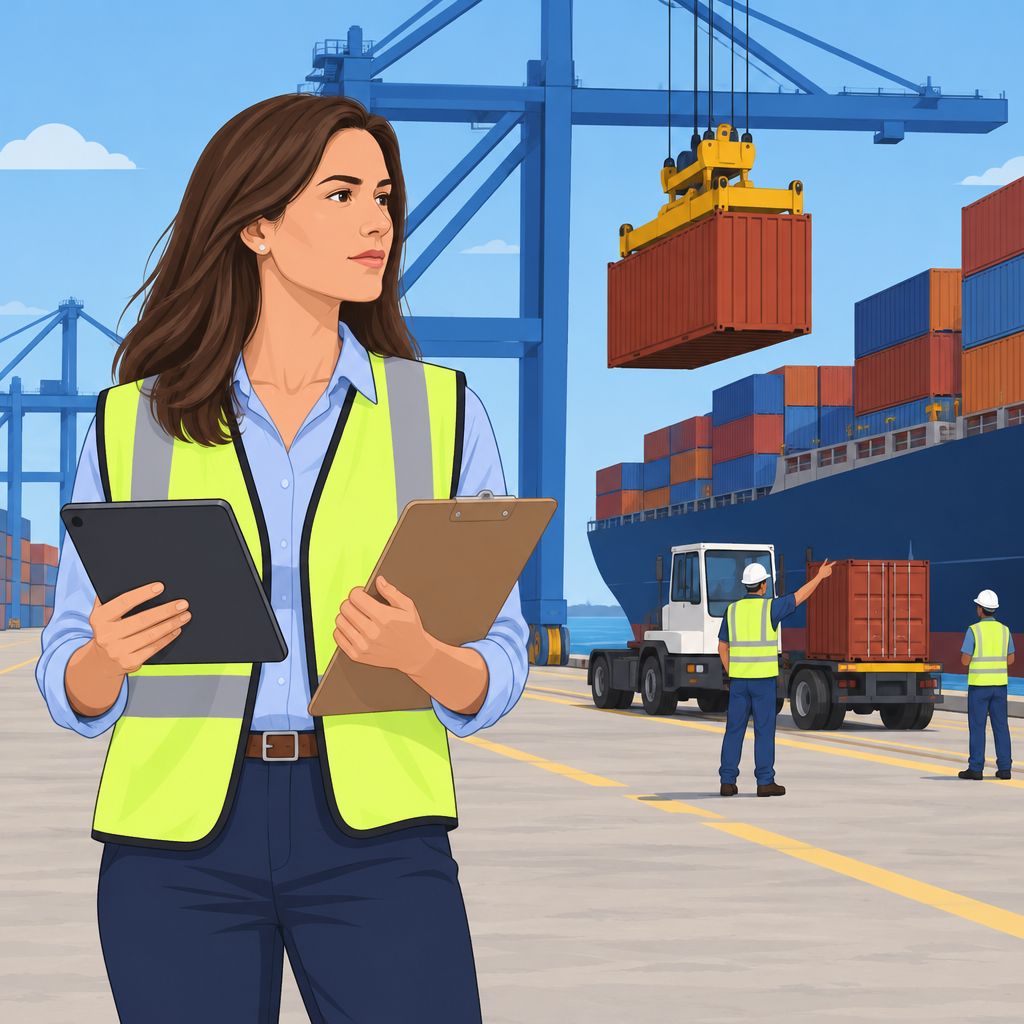
A Port Operations Manager oversees the daily operations of a port facility.
They coordinate activities, manage staff, and ensure safe and efficient operations.
Furthermore, streamlining port operations helps maximize productivity, reduce costs, and improve overall performance.
By optimizing processes and procedures, a Port Operations Manager enhances operational efficiency and effectiveness.
Port Operations Manager Responsibilities
A port operations manager coordinates activities across the facility each day.
They support orderly vessel, cargo, and resource movements.
Their decisions help maintain smooth and efficient port performance.
Day-to-Day Port Operations
The manager oversees activities occurring throughout the port each day.
They coordinate departments to maintain consistent operational performance.
Furthermore, they assess issues and make timely decisions when problems arise.
They also coordinate vessel arrivals, departures, cargo storage, and resource use.
Safety and Security Compliance
The manager places safety and security at the center of port activities.
They ensure operations follow applicable compliance standards and regulations.
Regular safety inspections help identify risks before accidents occur.
Meanwhile, security protocols help protect employees, visitors, and port facilities.
The manager also monitors industry regulations and relevant operational practices.
Cargo Handling and Logistics
The manager directs cargo movement and storage within the port.
They work with logistics partners, shipping companies, and other stakeholders.
This coordination supports efficient goods handling and timely deliveries.
Additionally, they optimize workflows and streamline cargo handling processes.
Technology can further improve efficiency and reduce delays during cargo operations.
Identifying Inefficiencies in Current Operations
A thorough analysis reveals inefficiencies throughout port operations.
Stakeholders can help identify bottlenecks and areas of waste.
Teams should document each issue for further analysis.
- Conduct a thorough analysis of all port operations.
- Identify bottlenecks and areas of waste.
- Involve key stakeholders in the assessment process.
- Document all identified inefficiencies for further analysis.
Introducing Technology Solutions for Improved Efficiency
Technology can improve efficiency across port operations.
Automated systems support cargo tracking and equipment monitoring.
Employee training helps teams maximize the benefits of new technology.
- Research and implement automated systems for cargo tracking.
- Use Internet of Things devices for real-time equipment monitoring.
- Invest in predictive maintenance software for machinery.
- Train employees on new technology to maximize its benefits.
Streamlining Communication and Coordination
Clear communication strengthens coordination among port departments.
Regular discussions help teams address cross-departmental issues.
Defined protocols reduce misunderstandings and support information sharing.
- Implement a centralized communication platform for all departments.
- Hold regular meetings to discuss cross-departmental issues.
- Encourage collaboration and information sharing among teams.
- Develop clear communication protocols to avoid misunderstandings.
Focusing on these areas helps the port operations manager create a productive operating environment.
You Might Also Like: How to Build a Strong Resume for Logistics Technicians
Optimizing Port Traffic Flow
Efficient port operations support the smooth movement of goods and vessels.
Port managers can improve traffic flow by coordinating schedules, cargo movements, and facility activities.
Continuous improvement helps teams adapt to changing market conditions, technologies, and regulations.
Vessel Scheduling and Berthing Arrangements
A comprehensive schedule helps minimize congestion during vessel arrivals and departures.
Meanwhile, coordination with shipping lines and agents supports timely berthing arrangements.
Advanced scheduling software can improve berth allocation and maximize available port capacity.
- Develop schedules that coordinate vessel arrivals and departures efficiently.
- Coordinate with shipping lines and agents before incoming vessels arrive.
- Use scheduling software to optimize berthing allocation and port capacity.
- Apply efficient turnaround strategies to reduce vessel idle time.
Coordination With Transportation Providers
Effective coordination keeps cargo moving smoothly into and out of the port.
Clear communication helps teams track shipments and identify transportation delays early.
Transform Your Career Today
Unlock a personalized career strategy that drives real results. Get tailored advice and a roadmap designed just for you.
Start NowDigital tracking provides visibility into cargo locations and shipment status.
- Collaborate with trucking companies, rail operators, and other transportation providers.
- Establish communication channels for tracking cargo shipment progress.
- Use digital tracking to monitor cargo locations and transportation status.
- Optimize truck appointments to reduce waiting and handling times.
Reducing Delays and Operational Bottlenecks
Teams should identify potential bottlenecks before they disrupt port activities.
Regular facility and equipment inspections can prevent breakdowns that create delays.
Real-time monitoring reveals inefficient processes and supports faster operational decisions.
- Identify bottlenecks and address them before they escalate.
- Inspect facilities and equipment regularly to maintain reliable functionality.
- Monitor port activities in real time to locate inefficient processes.
- Coordinate with stakeholders to improve communication and problem-solving.
Maintaining Efficient Port Traffic Flow
These strategies help port teams improve traffic flow and operational efficiency.
A proactive management approach can strengthen the port’s competitive position.
Port teams should remain informed, adaptable, and focused on continuous operational improvement.
You Might Also Like: Port Operations Manager: Ensuring Port Safety Standards
Improving Inventory Management
Effective inventory management supports streamlined port operations.
It gives managers clearer control over goods, resources, and storage needs.
Moreover, accurate information helps teams plan work and coordinate activities efficiently.
- Implement inventory tracking systems
- Monitor and control inventory levels
- Reduce storage costs and improve inventory accuracy
Implementing Inventory Tracking Systems
Inventory tracking systems provide real-time visibility into goods and their locations.
Managers can use this information to plan resources and coordinate port activities.
As a result, accurate tracking supports more efficient operations.
Monitoring and Controlling Inventory Levels
Managers must regularly monitor inventory levels to maintain appropriate stock.
This practice helps ports prevent stockouts and avoid unnecessary overstock situations.
Consequently, balanced inventory levels reduce costly operational delays and disruptions.
Reducing Storage Costs and Enhancing Inventory Accuracy
Effective inventory management also reduces storage costs and improves inventory accuracy.
Managers can analyze storage needs and optimize warehouse space for greater efficiency.
Regular audits and tracking systems reduce errors and support smoother operations.
Find Out More: Top Challenges Faced by Supply Chain Managers Today
Enhancing Customer Service
Strong customer service helps port operations create a positive experience for customers.
It also supports customer loyalty through clear communication and responsive assistance.
Port operations managers can strengthen service by addressing individual customer needs.
- Communicating shipment status clearly
- Resolving customer complaints and issues promptly
- Providing personalized services for customer needs
Communicating Shipment Status
Customers need timely information about their shipment status.
Real-time tracking systems can provide updates throughout the shipping process.
Furthermore, regular communication helps managers address delays before they affect customer satisfaction.
Resolving Customer Complaints Promptly
Customer complaints and issues may arise during different stages of shipping.
Port operations managers should establish an efficient process for addressing concerns quickly.
By listening to feedback and taking swift action, managers can provide effective solutions.
Providing Personalized Services
Customers often have different requirements and preferences for shipping services.
Personalized services allow port operations managers to respond more closely to those needs.
For example, managers may offer expedited shipping, flexible delivery schedules, or customized packaging solutions.
These service improvements help port operations deliver a more responsive customer experience.
Discover More: Continuing Education for Transportation Analysts
Ensuring Compliance With Regulations
- Stay updated on industry regulations and requirements
- Implement safety and security protocols
- Conduct regular audits to ensure compliance
Port operations managers must monitor changing regulations and requirements.
Because regulations can change frequently, managers should stay ahead of new obligations.
They must also implement safety and security protocols throughout port operations.
Safety measures protect employees and support smooth operational performance.
Meanwhile, security protocols protect the port from potential threats.
Transform Your Career Today
Unlock a personalized career strategy that drives real results. Get tailored advice and a roadmap designed just for you.
Start NowManagers should conduct regular audits to verify compliance across all operations.
Audits can review shipment documentation and environmental requirements.
They also identify non-compliance and create opportunities for timely correction.
Proactive compliance practices can streamline operations and improve efficiency.
Furthermore, compliance reduces the risk of fines or penalties.
It also helps maintain a positive reputation among industry stakeholders.
Monitoring Performance and Analyzing Port Data
- Tracking key performance indicators (KPIs) for port operations
- Analyzing data to identify trends and areas for improvement
- Making data-driven decisions to optimize operations
Port managers need performance data to maintain smooth and efficient operations.
They can track key performance indicators to evaluate operational effectiveness.
Useful metrics include vessel turnaround time, container dwell time, and berth productivity.
Regular monitoring helps managers identify areas that require corrective action.
Furthermore, managers can analyze information from terminal operating systems and GPS tracking devices.
These sources can reveal trends and patterns affecting port performance.
Data analytics tools can uncover insights that support efficient and cost-effective operations.
Managers can also use reliable data to guide operational decisions.
This approach reduces dependence on assumptions and intuition.
For example, historical container traffic data can reveal upcoming peak periods.
Managers can then allocate resources to reduce congestion and delays.
Consequently, proactive planning can improve efficiency and customer satisfaction.
Data analysis can also expose bottlenecks and other operational inefficiencies.
Managers can address these issues early with targeted improvement strategies.
Therefore, performance monitoring supports continuous improvement across port operations.
Data-driven insights help managers optimize processes, resources, and operational outcomes.
Training and Development of Staff
- Providing training on new systems and procedures
- Promoting a culture of continuous improvement
- Recognizing and rewarding employees for their contributions
Training staff on new systems and procedures equips employees to manage changing port operations.
Furthermore, this preparation gives the team skills for navigating modern port technology.
Continuous improvement encourages innovation and greater efficiency across the workforce.
Managers can encourage staff to own their professional development and pursue opportunities for growth.
This approach can increase productivity and strengthen operational effectiveness.
Additionally, recognizing employee contributions helps maintain team morale and motivation.
Managers can acknowledge hard work and dedication to create a positive workplace.
Consequently, employees feel valued and appreciated for their efforts.
Investing in staff development supports smoother and more efficient port operations over time.
By building skills, encouraging improvement, and recognizing contributions, managers can support consistent operational performance.
Operational Gains from Streamlined Port Processes
Streamlined port operations improve efficiency, productivity, and customer satisfaction.
They remove unnecessary steps and reduce bottlenecks that delay the movement of goods and services.
As a result, teams achieve faster turnaround times and improve overall operational performance.
Moreover, efficient operations use resources effectively, minimize wastage, and support competitive pricing.
Standardized procedures help managers manage risks, meet regulatory requirements, and strengthen safety and security measures.
Therefore, continuous process improvement helps a port remain competitive in a dynamic industry.
Additional Resources
Transform Your Career Today
Unlock a personalized career strategy that drives real results. Get tailored advice and a roadmap designed just for you.
Start Now


