




Introduction
Landscape architecture involves planning and designing outdoor spaces.
These spaces create functional and aesthetically pleasing environments.
Community spaces in urban and suburban areas foster social connections.
They also promote a sense of belonging.
Therefore, landscape architecture shapes community spaces that facilitate social interaction and promote well-being.
Historical Perspective on Landscape Architecture
Landscape architecture has shaped environments across many historical periods.
It has also created spaces where communities gather and interact.
Its history reveals changing relationships among nature, culture, and public life.
Early Examples in Ancient Civilizations
Ancient societies integrated gardens, water systems, and public areas into built environments.
These designs often connected natural features with religious, civic, or cultural purposes.
Their approaches established enduring examples of organized outdoor space.
- Ancient Egyptians designed intricate gardens around temples and palaces.
- Greek and Roman societies incorporated gardens, aqueducts, and public spaces into cities.
- Chinese landscape architects created harmonious gardens reflecting nature, architecture, and culture.
- Islamic gardens used geometric designs, water features, and lush vegetation.
Evolution of Landscape Architecture as a Profession
The profession developed formally during the nineteenth century.
Frederick Law Olmsted’s Central Park design helped demonstrate landscape architecture’s public importance.
Later, education programs and organizations strengthened its professional identity.
- During the nineteenth century, Frederick Law Olmsted designed Central Park in New York City.
- During the twentieth century, formal education programs and professional organizations established landscape architecture.
- Today, landscape architects design urban parks, green spaces, sustainable projects, and ecological restoration efforts.
Impact on Public Spaces
Modern landscape architects influence how people experience shared outdoor environments.
They balance social needs, ecological concerns, and long-term resilience.
Their work can support healthier and more inclusive communities.
- Landscape architects create parks, plazas, and streetscapes that enhance residents’ quality of life.
- They use sustainable practices and resilient designs to address climate change effects.
- They design green spaces that encourage physical activity and support public health.
- They promote inclusive designs that create accessible and equitable public spaces.
Landscape architects shape parks, plazas, streetscapes, and other public settings.
They also connect environmental stewardship with daily community life.
Through these efforts, public spaces can support connection, activity, and enjoyment of nature.
Principles of Landscape Architecture
Landscape architecture considers environmental factors during the design process.
It integrates natural elements into urban landscapes.
It also promotes sustainability and green practices.
- Consideration of environmental factors in design
- Integration of natural elements into urban landscapes
- Promotion of sustainability and green practices
Consideration of Environmental Factors in Design
Landscape architects study each area’s ecosystem before designing its spaces.
They consider climate, topography, and biodiversity during the planning process.
As a result, their designs can support nature and create resilient environments.
Integration of Natural Elements into Urban Landscapes
Landscape architects incorporate green spaces, water features, and natural materials into urban designs.
These elements bring nature into cities and neighborhoods.
Consequently, they can improve air quality, reduce heat island effects, and support recreation.
Promotion of Sustainability and Green Practices
Landscape architects use environmentally friendly materials in their designs.
They also incorporate energy-efficient features and spaces that support biodiversity.
By prioritizing sustainability, they help create healthier and more livable communities.
These principles help landscape architects create community spaces that combine function and beauty.
You Might Also Like: How to Handle Emergencies as a Lumberjack
Design Process in Landscape Architecture
Landscape architects follow a structured process when creating community spaces.
They study site conditions, develop design ideas, and guide construction activities.
Each stage helps designers respond to community needs and site conditions.
Initial Site Analysis and Assessment
Landscape architects begin by conducting a thorough site analysis and assessment.
They examine topography, soil composition, vegetation, and existing infrastructure.
This examination reveals the site’s strengths, constraints, and design opportunities.
Transform Your Career Today
Unlock a personalized career strategy that drives real results. Get tailored advice and a roadmap designed just for you.
Start NowAdditionally, designers gather information through site visits, surveys, and research.
These findings guide design decisions that respond to the community’s needs and context.
Conceptual Design Development
After completing the site analysis, landscape architects develop conceptual design ideas.
They transform the site into a functional and visually appealing community space.
Designers consider circulation, zoning, hardscape elements, vegetation, and focal points.
They use sketches, renderings, and three-dimensional models to visualize proposed designs.
These tools also help designers communicate ideas to stakeholders.
The conceptual phase allows teams to explore and refine ideas before preparing detailed plans.
Design Implementation and Construction
Once designers finalize the concept, landscape architects prepare for implementation and construction.
They create detailed construction drawings, specifications, and cost estimates.
Contractors and subcontractors then execute grading, planting, paving, and amenity installation.
During construction, landscape architects monitor progress and protect the design intent.
They also encourage community engagement throughout the construction phase.
This involvement helps residents develop ownership and pride in the new community space.
Find Out More: Top Companies Hiring Insulation Workers in the USA
Community Spaces Designed by Landscape Architects
- Public parks and recreational areas
- Urban plazas and squares
- Mixed-use developments with green spaces
Landscape architecture helps create vibrant spaces that support social interaction and outdoor activities.
Designers combine artistic and scientific approaches to make ordinary areas functional and inviting.
These community spaces can improve residents’ quality of life and encourage meaningful connections.
Public Parks and Recreational Areas
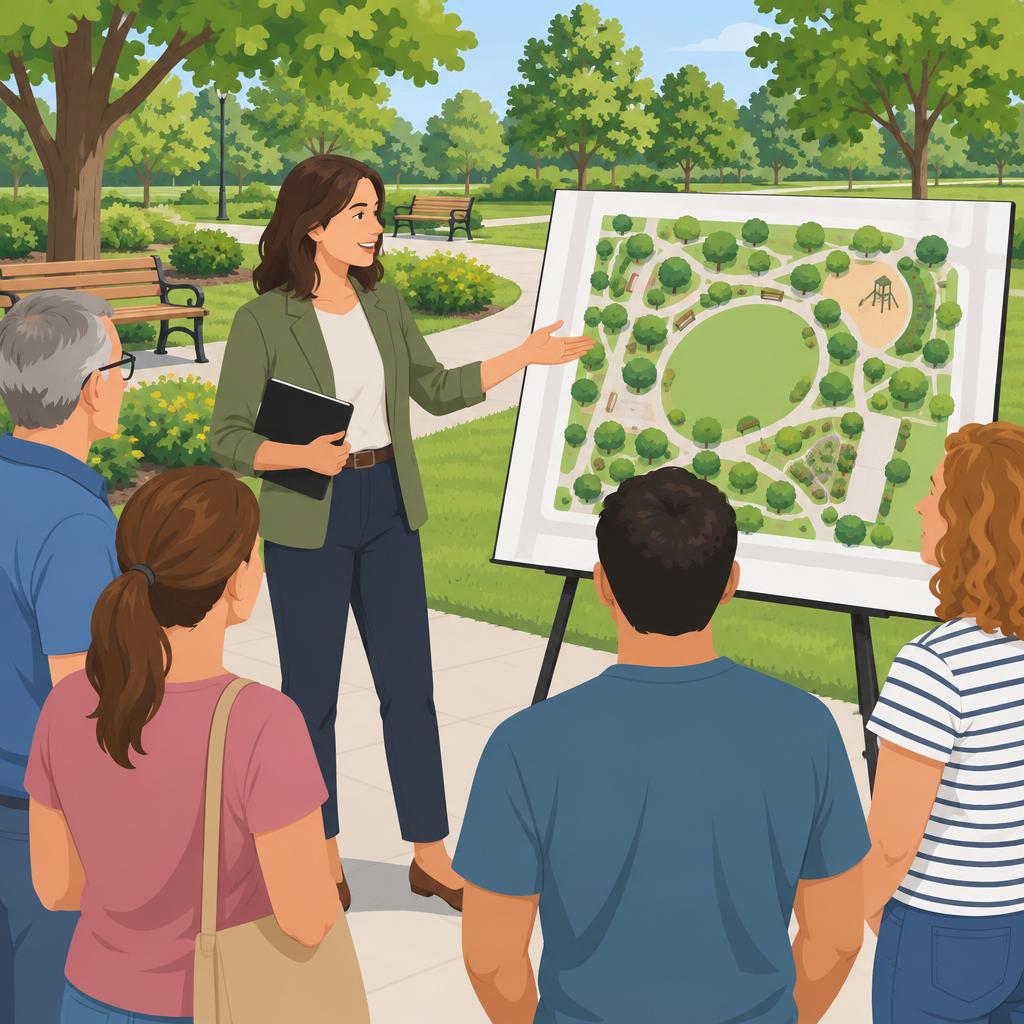
Public parks connect residents with nature while supporting physical activity and recreation.
Landscape architects include playgrounds, sports fields, walking trails, picnic areas, and open green spaces.
These amenities also provide gathering places for community events and celebrations.
Urban Plazas and Squares
Urban plazas and squares give people places to socialize, relax, and participate in cultural activities.
Landscape architects design these areas for outdoor markets, performances, and public gatherings.
Seating, lighting, and greenery make urban environments more inviting and encourage community engagement.
Mixed-Use Developments with Green Spaces
Mixed-use developments combine residential, commercial, and recreational facilities within integrated communities.
Landscape architects shape courtyards, gardens, and green rooftops within these developments.
Green spaces create a sense of place, support sustainability, and improve community appearance.
Community Benefits of Thoughtful Landscape Design
Landscape architecture can transform ordinary areas into vibrant community hubs.
Well-designed spaces promote social cohesion, strengthen belonging, and support residents’ well-being.
Thoughtful planning and innovative design help communities connect with nature and build meaningful relationships.
See Related Content: Warehouse Manager: Leading with Effective Leadership
Benefits of Community Spaces Created by Landscape Architecture
Community spaces designed through landscape architecture improve neighborhood life in practical and visible ways.
These places combine visual appeal with opportunities for interaction, recreation, and community participation.
Therefore, thoughtful investment can strengthen daily experiences for present and future generations.
Promotion of Physical Activity and Wellness
Green spaces invite residents to walk, jog, play sports, and pursue other active routines.
Moreover, these settings offer relief from busy urban surroundings and support physical and mental well-being.
Access to nature can also reduce stress, anxiety, and depression among community members.
- Green spaces and parks encourage activities such as jogging, walking, and playing sports.
- These spaces provide a sanctuary from urban activity and promote physical and mental well-being.
- Nature access can help reduce stress, anxiety, and depression among individuals.
Social Interactions and Community Engagement
Shared outdoor settings give residents welcoming places to meet and strengthen social ties.
Additionally, organized events and activities help build community spirit and camaraderie.
Public art and cultural programs create opportunities for creativity, expression, and dialogue.
Transform Your Career Today
Unlock a personalized career strategy that drives real results. Get tailored advice and a roadmap designed just for you.
Start Now- Community spaces help residents gather, strengthen social ties, and develop a sense of belonging.
- Events and activities foster community spirit and camaraderie among residents.
- Public art and cultural programs encourage creativity, expression, and dialogue.
Enhancement of Property Values and Quality of Life
Well-designed spaces improve neighborhood appearance and make nearby areas more desirable.
Consequently, proximity to parks and green spaces can attract homebuyers and investors.
Residents near these spaces often report greater satisfaction with their surroundings and quality of life.
- Well-designed community spaces add aesthetic value and improve neighborhood appeal.
- Nearby parks and green spaces can support higher property values and attract potential buyers.
- Residents near community spaces often experience greater satisfaction with their living environment.
Community Investment and Neighborhood Vitality
Together, these benefits support healthier, more connected, and more appealing neighborhoods.
Such spaces contribute to community vitality and long-term sustainability.
Continued investment can benefit both present residents and future generations.
Learn More: Tile Trends 2025: What's Hot in Tile Design and Installation
Challenges in Creating Community Spaces
Landscape architects face several challenges when creating community spaces.
These challenges include limited funding, competing interests, and accessibility requirements.
Effective planning helps designers respond to community needs while managing project constraints.
Limited Budgets and Resources
Designing and building community spaces requires substantial financial resources.
Many municipalities have limited budgets for these public projects.
Consequently, landscape architects must create high-quality spaces within strict financial limits.
Balancing Stakeholder Needs
Community spaces serve residents, local businesses, and government agencies.
These groups may express different priorities for the same project.
Therefore, landscape architects must navigate conflicts and prioritize competing needs.
Inclusive and Accessible Design
Landscape architects must make community spaces inclusive and accessible to everyone.
Designers need to consider people with disabilities and varied cultural backgrounds.
Careful planning enables these spaces to serve diverse community members effectively.
Despite these obstacles, landscape architects help shape communities and improve residents’ quality of life.
Future Trends in Landscape Architecture for Community Spaces
Landscape architecture continues to evolve as designers address changing community needs.
These trends improve functionality, visual appeal, sustainability, and environmental resilience.
Furthermore, designers increasingly combine adaptable strategies, digital tools, and community participation.
Resilience and Climate Adaptation
Landscape architects increasingly apply resilient design principles to address challenges associated with climate change.
These strategies help community spaces respond to changing environmental conditions.
Additionally, climate-adaptive planning supports sustainable and environmentally responsible public environments.
- Designers use green infrastructure to manage stormwater and reduce flooding impacts.
- Rain gardens and bioswales provide important stormwater management features.
- Designers create spaces that withstand droughts, heatwaves, and other extreme weather events.
- Climate-adaptive strategies help communities develop more sustainable outdoor spaces.
Technology in Design and Planning
Technology now influences how landscape architects analyze sites and develop design proposals.
Digital tools improve visualization, planning accuracy, and communication with stakeholders.
Moreover, immersive platforms help community members understand proposed design solutions.
- Three-dimensional modeling software supports accurate visualization of design concepts.
- GIS mapping tools assist landscape architects during site analysis and planning.
- Augmented reality provides immersive views of proposed community spaces.
- Virtual reality helps residents explore potential design solutions before implementation.
- Technology helps designers respond to diverse community needs and preferences.
Collaborative Community Design
Landscape architects increasingly involve residents and stakeholders during the design process.
This collaboration helps designers understand local needs and preferences.
Furthermore, shared decision-making encourages stronger connections between residents and their community spaces.
- Designers seek community input early in the planning process.
- Residents can share feedback about proposed designs and priorities.
- Design charrettes encourage dialogue among designers, planners, and community members.
- Workshops create opportunities for collaborative planning and discussion.
- Resident participation supports responsive and user-friendly community spaces.
- Community involvement can foster local ownership and pride.
Integrated Directions for Community Spaces
Future community spaces will combine resilience, technology, and meaningful public participation.
Designers can use these approaches to create vibrant and sustainable environments.
As a result, landscape architecture can continue enhancing residents’ quality of life.
Community Spaces Strengthen Urban Life
Landscape architecture shapes community spaces that bring people together.
These spaces support social interaction, recreation, and cultural activities.
Therefore, urban planners and policymakers should prioritize public space development in cities.
By supporting community spaces, residents can build stronger feelings of belonging and connection.
Well-designed spaces improve societal well-being and quality of life.
Transform Your Career Today
Unlock a personalized career strategy that drives real results. Get tailored advice and a roadmap designed just for you.
Start NowFurthermore, collective action can promote vibrant and inclusive public spaces throughout communities.
Their impact extends beyond physical appearance – they shape how residents interact with and experience their surroundings.
Recognizing their value can help communities become more cohesive and thriving.


