




Emergency Readiness in Forestry
Lumberjacks work outdoors, where unpredictable weather and dangerous equipment create serious risks.
Therefore, emergencies can happen suddenly during forestry work.
Workers must prepare carefully to protect themselves and everyone nearby.
The Daily Work of a Lumberjack
Lumberjacks harvest timber and work in forestry to provide wood for various industries.
They use heavy machinery and sharp tools to fell trees and process timber.
Consequently, the job demands strength, agility, and focused attention.
Emergency Skills for Lumberjacks
Emergencies may involve equipment injuries or entrapment beneath a fallen tree.
Quick, effective action can determine whether someone survives or suffers serious harm.
Lumberjacks must also prepare for cuts, falls, and becoming lost in the wilderness.
Furthermore, first aid skills and safety protocols can save lives.
Proper training helps workers respond effectively when emergencies arise.
Regularly updating emergency response skills keeps lumberjacks prepared for workplace dangers.
Understanding Potential Emergencies in Lumberjack Work
Lumberjacks face emergencies involving falling trees, difficult terrain, powerful tools, weather, wildlife, plants, and vehicles.
Recognizing these hazards helps workers plan responses and protect themselves and their teammates.
Workers should assess conditions, maintain equipment, and remain alert throughout every task.
Common Workplace Accidents
Falling trees, slips, falls, and chainsaw injuries create serious workplace risks.
Workers need clear escape plans and constant awareness of nearby hazards.
Proper training, maintenance, footwear, chaps, and helmets can reduce injury risks.
- Workers must plan a clear escape route before cutting or approaching a tree.
- Appropriate footwear with strong traction helps prevent slips and falls on challenging terrain.
- Chainsaw operators should complete proper training and use chaps, helmets, and other safety gear.
Environmental Hazards in Forest Work
Remote worksites can expose lumberjacks to high winds, heavy rain, snow, wildlife, and poisonous plants.
Changing weather can make travel and outdoor work more difficult.
Workers should understand local environmental hazards and prepare suitable clothing and shelter.
- Workers should dress in layers and keep shelter nearby during extreme weather.
- Knowledge of local wildlife helps workers avoid dangerous encounters with snakes, bears, and insects.
- Learning to identify poisonous plants can prevent skin irritation and allergic reactions.
Equipment Failures and Preventive Checks
Equipment failures can create sudden dangers during cutting, travel, and other work activities.
Regular inspections help workers identify problems before equipment becomes unsafe.
Workers should also monitor protective gear and transportation equipment throughout the workday.
- Pre-use checks, regular maintenance, and proper handling can reduce chainsaw malfunctions.
- Workers should inspect helmets, gloves, and eye protection for wear before using them.
- Vehicle maintenance and essential spare parts can help prevent unexpected breakdowns at remote worksites.
Emergency preparation supports safer decisions when conditions change unexpectedly.
Clear procedures help workers respond quickly and protect everyone nearby.
Workers should remain vigilant, stay informed, and place safety above production demands.
Emergency Response Preparation
Lumberjacks need practical response skills before emergencies occur.
These skills help workers act quickly and support injured colleagues.
Regular preparation also strengthens safety practices throughout fieldwork.
- First aid training prepares lumberjacks to respond effectively.
- An emergency kit should contain bandages, antiseptic wipes, and pain medication.
- Safety protocols clarify response steps and reporting procedures.
Maintaining Readiness During Fieldwork
First aid training extends beyond a job requirement because it may save a life.
Lumberjacks should refresh their training regularly to maintain emergency readiness.
They should learn CPR, wound care, and basic medical assistance.
Workers should keep emergency kits accessible whenever they work in the field.
Furthermore, workers should review emergency exits and first aid station locations.
They must also understand how to report accidents and request assistance.
Consistent preparation helps lumberjacks respond confidently when unforeseen circumstances arise.
Delve into the Subject: Top Companies Hiring Insulation Workers in the USA
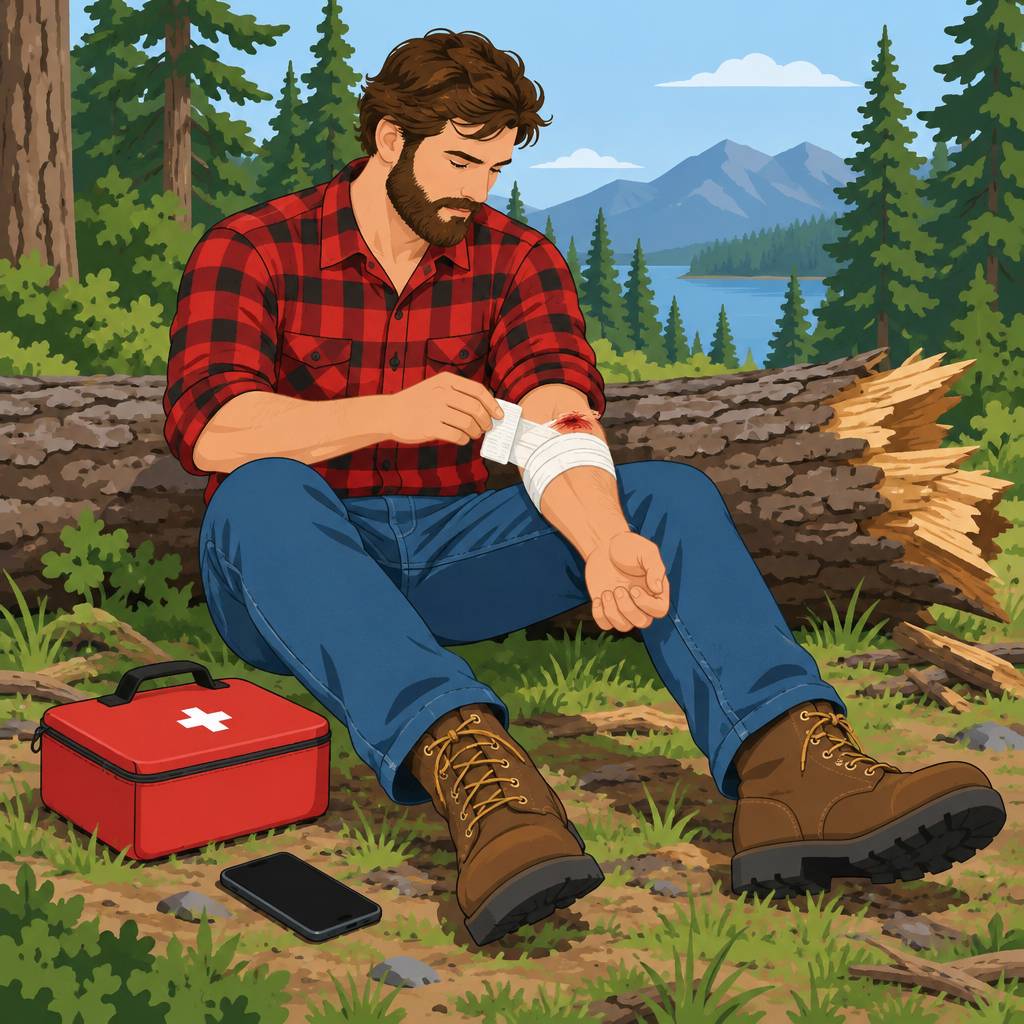
Staying Alert and Aware While Working
As a lumberjack, staying alert and aware remains crucial.
Constantly scan the area for potential hazards or dangers.
Transform Your Career Today
Unlock a personalized career strategy that drives real results. Get tailored advice and a roadmap designed just for you.
Start NowFurthermore, maintain awareness throughout every task.
Recognizing Signs of Danger
Recognizing danger signs is one of the most important lumberjack skills.
Watch for unstable trees and hazardous weather conditions.
Also identify potential risks that could threaten your safety.
Communicating Effectively with Team Members
Effective communication helps lumberjacks handle emergencies with their team members.
Clearly convey every issue or concern to the team.
Meanwhile, listen carefully to instructions from others.
Using Proper Safety Equipment at All Times
Using correct safety equipment remains non-negotiable for lumberjacks.
Therefore, wear a hard hat, goggles, gloves, and steel-toed boots.
These items protect you from potential injuries.
Learn More: Warehouse Manager: Leading with Effective Leadership
Responding to Emergencies
When faced with an emergency, a lumberjack should remain calm and assess the situation promptly.
Calm decision-making helps workers identify hazards and choose an appropriate response.
A prompt assessment reveals the emergency’s severity and the resources needed.
Remaining Calm and Assessing the Situation
First, take a deep breath and clear your mind.
Next, survey the surroundings for potential dangers.
Then, evaluate the emergency’s severity and determine the best course of action.
- Stay calm and composed
- Survey the surroundings for dangers
- Evaluate the emergency’s severity
- Determine the resources needed
Calling for Help When Needed
When an emergency exceeds your control, call for additional help.
Contact emergency services or team members for assistance.
Provide clear information and follow instructions from emergency responders.
- Dial emergency services immediately
- Provide clear and concise information
- Communicate with team members
- Follow emergency responders’ instructions
Administering First Aid if Necessary
Basic first aid knowledge can provide valuable support during an emergency.
Assess the injured person’s condition before providing immediate care.
Control bleeding, stabilize injuries when needed, and keep the person calm.
- Assess the injured person’s condition
- Control bleeding and apply pressure to wounds
- Stabilize fractures or dislocations when needed
- Comfort the injured person and keep them calm
Maintaining Safety During Emergency Response
Effective emergency response requires quick thinking and resourcefulness.
Workers must remain calm while protecting themselves and others.
Preparation and these response practices support safer emergency handling.
Discover More: Tile Trends 2025: What's Hot in Tile Design and Installation
Evacuation Procedures
Lumberjacks need effective evacuation procedures for emergencies.
These procedures help workers leave hazardous areas quickly and safely.
They also help teams confirm that every member reaches safety.
- Establish evacuation routes and meeting points
- Account for every team member
- Learn how to evacuate the work area safely
Establishing Evacuation Routes and Meeting Points
First, establish evacuation routes for different emergency scenarios.
Clearly mark each route and communicate it to every team member.
Additionally, identify meeting points outside the work area.
Ensuring Every Team Member Is Accounted For
During an evacuation, every team member must leave the area safely.
Assign one team member to conduct a headcount at the meeting point.
This headcount confirms whether everyone has evacuated the work area.
Evacuating the Work Area Quickly and Safely
Every second matters during an emergency.
Lumberjacks should know the quickest and safest route from their work area.
Regular drills help teams practice efficient evacuation procedures.
Following these procedures helps lumberjacks protect themselves and their teammates.
Transform Your Career Today
Unlock a personalized career strategy that drives real results. Get tailored advice and a roadmap designed just for you.
Start NowTherefore, workers should keep safety as their highest priority.
Gain More Insights: Mover Career: Essential Soft Skills for Success
Learning from Past Emergencies
Lumberjacks should reflect on past emergencies to improve future responses.
Fallen trees, chainsaw accidents, and injuries can create unexpected emergencies.
Learning from experience helps lumberjacks handle emergencies more effectively.
Conducting Post-Incident Debriefings
After an emergency, conduct a debriefing with the team.
Discuss the actions that supported an effective response.
Also identify the parts of the response that need improvement.
Identifying Areas for Improvement
Analyze the root causes of past emergencies.
This analysis can reveal weaknesses that require attention.
Addressing those weaknesses can strengthen future emergency responses.
Implementing Changes to Prevent Future Emergencies
Use the findings to improve emergency protocols.
Update training and equipment when necessary.
These proactive changes can help prevent similar emergencies.
Building a Safer Emergency Response
Effective emergency handling helps lumberjacks protect themselves and their colleagues.
Quick responses can prevent accidents from escalating, while proper training can save lives and minimize injuries.
Furthermore, preparation supports a safer work environment for everyone.
- Quick responses can prevent accidents from escalating.
- Proper training can save lives and minimize injuries.
- Preparation helps create a safer work environment for everyone.
Therefore, lumberjacks should continue reviewing procedures, updating skills, practicing drills, maintaining equipment, and staying alert.
- Regularly review emergency procedures with your team.
- Stay current with first aid and safety protocols.
- Conduct drills that practice different emergency responses.
- Invest in safety equipment and maintain it properly.
- Stay alert and vigilant while working in the forest.
By staying prepared and proactive, lumberjacks can reduce professional risks and support safer work for themselves and colleagues.
Additional Resources
Google search results for How to Handle Emergencies as a Lumberjack Construction and Manual Labor
Bing search results for How to Handle Emergencies as a Lumberjack Construction and Manual Labor


