




The Importance of Supporting Janitors and Custodians
Janitors and custodians maintain clean and safe environments.
They work in offices, schools, hospitals, and public spaces.
Despite their essential contributions, these workers often face workplace challenges.
These challenges can affect their well-being and job satisfaction.
Therefore, people should recognize and address these difficulties.
This recognition can clarify the struggles workers encounter each day.
Additionally, support and advocacy can promote a more inclusive workplace.
Valuing these workers reflects fairness and respect for every workforce member.
Recognizing their roles can encourage respect, appreciation, and equity at work.
Physical Demands
- Janitorial work requires heavy lifting of equipment and supplies.
- Repetitive motions, such as mopping and scrubbing, can strain muscles.
- Long hours on the feet can cause fatigue and discomfort.
Risks of Injury and Strain
- Improper lifting techniques can cause back injuries.
- Repetitive cleaning movements can strain the shoulders and wrists.
- Prolonged standing can contribute to varicose veins or joint pain.
Tips for Protecting Physical Health
- Use proper lifting techniques to prevent back injuries.
- Take breaks to rest and stretch muscles during long shifts.
- Use ergonomic tools and equipment to reduce physical strain.
- Wear supportive footwear to reduce pressure on the feet and legs.
Strategies for Well-being
- Drink water throughout the day to maintain energy levels.
- Maintain good posture to prevent back and neck pain.
- Exercise regularly to strengthen muscles and improve flexibility.
- Seek medical attention promptly when injuries or discomfort appear.
Exposure to Harmful Chemicals
Janitors and custodians often handle toxic cleaning chemicals at work.
These substances can create serious health risks without proper precautions.
Therefore, workers need clear safety practices when handling them.
- Inhaling cleaning fumes can cause respiratory problems, including asthma or chronic bronchitis.
- Direct chemical contact can cause skin irritation, rashes, or chemical burns.
- Cleaning products can irritate the eyes or damage the cornea after contact.
- Some workers may experience allergic reactions, including sneezing or coughing.
Prolonged exposure can also create serious long-term health effects.
Employers should provide training and safety equipment to reduce these workplace risks.
Recommendations for Using Safer Cleaning Products
Safer products can reduce workers’ exposure to harmful cleaning chemicals.
- Choose eco-friendly cleaning agents made with natural, non-toxic ingredients.
- Read product labels carefully to understand risks and usage instructions.
- Maintain good ventilation while using cleaning chemicals to reduce inhalation risks.
These practices help workers make safer choices during routine cleaning tasks.
Employers should also explain product hazards and safe handling procedures.
Proper Protective Equipment
Protective equipment helps limit contact with cleaning chemicals during workplace tasks.
- Wear protective gloves to prevent skin irritation and chemical burns.
- Use goggles or safety glasses to protect the eyes from splashes and fumes.
- Consider a face mask to help reduce inhalation of harmful fumes.
Workers should use suitable equipment whenever they handle cleaning chemicals.
Employers must provide the necessary tools and training for safer working conditions.
Gain More Insights: Drywall Installation: Tips for Smooth Finishing
Low Wages and Job Insecurity
Janitors and custodians face serious financial challenges because many employers offer low wages.
- Low wages make it difficult for janitors and custodians to cover basic expenses.
- Many janitors and custodians work long hours while earning minimal pay.
- Workers in these roles often face constant job insecurity.
- Many workers lack healthcare and retirement benefits, which increases their financial challenges.
Economic Challenges
Low wages often prevent janitors and custodians from covering basic living expenses.
- Some workers take multiple jobs to make ends meet.
- Unstable jobs and unpredictable schedules make financial planning difficult.
- Workers without sick leave risk losing income when illness prevents them from working.
Ways to Improve Wages and Job Security
Employers, policymakers, and the public can support fair wages and stronger job security.
- Employers can pay living wages that reflect regional living costs.
- Employers can provide healthcare, paid time off, and retirement plans.
- Policymakers can support legislation that guarantees fair wages and benefits.
- The public can support businesses that treat and compensate workers fairly.
Addressing low wages and job insecurity can create a fairer, more sustainable work environment.
Find Out More: Importance of Collaboration in Construction Projects
Lack of Respect and Recognition
Janitors and custodians often feel undervalued despite the important work they perform.
Moreover, limited recognition can affect their morale and sense of belonging at work.
Organizations should recognize these workers as essential contributors to workplace cleanliness and safety.
- Undervalued and Underappreciated: Janitors and custodians may feel undervalued and underappreciated for their daily contributions.
- Importance of Recognition: Recognition highlights the vital role these workers play in maintaining clean and safe environments.
- Gratitude for Janitors and Custodians: Employers can show gratitude through respectful treatment and meaningful appreciation.
Ways to Show Gratitude and Respect
Employers can create programs that recognize janitors and custodians for their consistent efforts.
Additionally, professional development opportunities can help these workers feel valued and respected.
Regular feedback and public appreciation can further reinforce the importance of their work.
- Acknowledgment Programs: Acknowledgment programs can recognize the contributions of janitors and custodians.
- Professional Development Opportunities: Professional development opportunities can demonstrate respect and support career growth.
- Regular Performance Feedback: Regular performance feedback shows that employers notice and appreciate their work.
- Celebrating Achievements: Celebrating achievements and milestones can strengthen morale and workplace recognition.
- Public Recognition: Public recognition can reinforce self-esteem and acknowledge their valuable contributions.
By using these approaches, employers can build a workplace culture that respects and appreciates essential workers.
Gain More Insights: Top Tools and Equipment Used by Professional Surveyors
Mental Health Challenges
Janitors and custodians often face mental health challenges because their work demands sustained physical and mental effort.
These challenges can affect their daily well-being and ability to remain engaged at work.
Stress, burnout, and isolation represent important concerns for these workers.
- Demanding work environments can leave janitors and custodians physically and mentally exhausted.
- Repetitive cleaning tasks can cause fatigue, disengagement, and burnout.
- Working alone or during off-hours can increase feelings of loneliness and isolation.
Stigma and Barriers
Workplace stigma can discourage janitors and custodians from discussing mental health concerns.
Many workers fear judgment or negative consequences if they disclose personal struggles.
Financial, awareness, and scheduling barriers can also limit access to mental health resources.
Transform Your Career Today
Unlock a personalized career strategy that drives real results. Get tailored advice and a roadmap designed just for you.
Start Now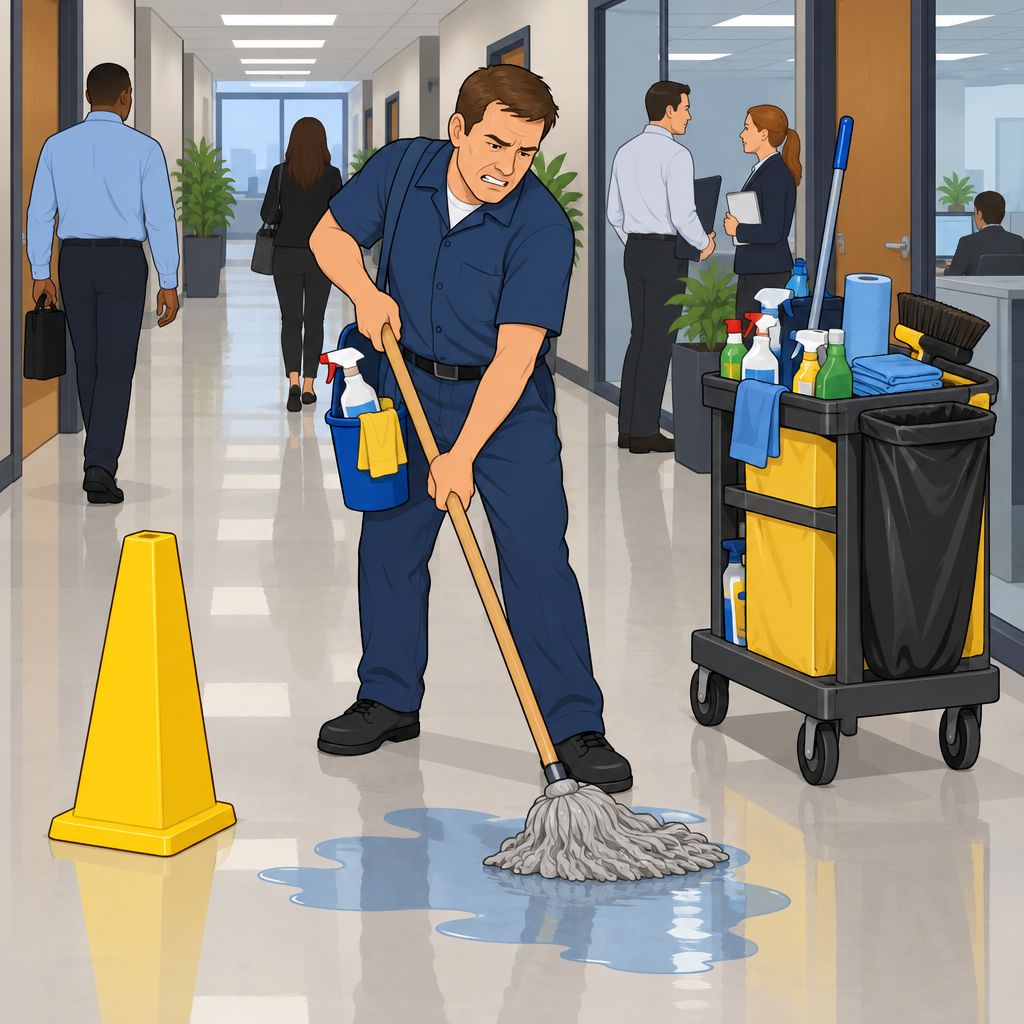
Access to Mental Health Support
Employers can make support easier by encouraging respectful, open communication.
Accessible counseling services and online support groups can help workers manage stress and burnout.
Mental health training can help supervisors recognize signs of distress among their staff.
- Employers should create supportive spaces where janitors can discuss mental health concerns comfortably.
- Organizations can offer counseling services, online support groups, and mental health workshops.
- Supervisors can learn to recognize distress and guide workers toward available support.
Building a Supportive Work Environment
Flexible scheduling can help janitors prioritize self-care and reduce the risk of burnout.
Team-building activities can strengthen community and reduce feelings of isolation among workers.
Employers can also reinforce belonging by recognizing janitors’ dedication and contributions.
- Flexible schedules can help workers balance job responsibilities with personal needs.
- Team-building events can foster connection among janitors and custodians.
- Appreciation events, rewards, or bonuses can acknowledge workers’ dedication.
A supportive workplace can help janitors and custodians thrive while improving their overall well-being.
You Might Also Like: Effective Problem-Solving in Construction Projects
Janitors and custodians often have limited opportunities to advance their careers.
Several workplace barriers can restrict their access to professional growth.
However, organizations can create stronger pathways by supporting employee development.
Barriers to Career Advancement
Limited formal education or training can make higher-level positions harder to reach.
Additionally, workplace stigma can discourage employees from pursuing advancement.
Seniority systems, limited openings, and low wages can further restrict career progress.
- Lack of formal education or training
- Stigma surrounding janitorial roles
- Seniority-based promotion systems
- Limited job openings in higher positions
- Low wages that can deter further education
Training and Education for Professional Growth
Training and education can help janitors and custodians develop skills for higher-level positions.
Moreover, organizations can strengthen career development by investing in accessible learning programs.
Mentorship programs can also connect experienced employees with workers seeking career guidance.
Organizational Pathways for Advancement
Organizations can support advancement by creating clear and accessible career pathways.
They can also recognize employee effort while encouraging continuous learning and development.
These measures can demonstrate commitment to employee potential and workplace contributions.
- Implement training programs to upskill employees
- Offer tuition assistance for further education
- Establish clear advancement criteria and opportunities
- Recognize and reward employees for their hard work
- Promote a culture of continuous learning and development
Advocating for Fair Treatment
Janitors and custodians encounter numerous workplace challenges every day.
Therefore, collective action remains crucial for addressing these workplace challenges.
Furthermore, promoting dignity and respect can create a more supportive environment for every worker.
Additionally, workplaces and communities must advocate for fair treatment and support for janitors and custodians.


