




Preparing for a First Radio Show
Preparing for your first radio show is crucial for success.
A prepared host projects confidence and authority.
Listeners appreciate engaging content delivered smoothly.
When you know your material, you can handle unexpected moments with poise.
The excitement surrounding your first show can feel exhilarating.
You have likely envisioned it countless times.
Adrenaline can feel thrilling, yet intimidating.
Nerves may create a whirlwind of emotions.
Embracing excitement and anxiety remains part of the process.
Preparation channels nerves into positive energy.
Confidence grows when you understand your content thoroughly.
Therefore, understand your topics and anticipate potential questions.
Preparation also helps you manage segment timing effectively.
You want to balance the show’s flow and keep listeners engaged.
Audience connection matters during every broadcast.
Additionally, preparation helps you anticipate listener reactions.
You can tailor your delivery style for stronger audience connection.
This approach enhances the interactive experience for listeners.
Moreover, a structured outline keeps your show organized.
The outline serves as a roadmap for discussion.
It can prevent awkward silences and distracting tangents.
A smooth flow keeps listeners interested and encourages them to stay tuned.
Your first radio show sets the tone for future broadcasts.
If you prepare carefully and remain excited, you establish a foundation for growth.
Each experience builds confidence for subsequent shows.
Every broadcast becomes a stepping stone in your journey as a radio host.
Understand the Format of the Show
Preparing for your first radio show requires thorough understanding of the show’s format.
This foundation guides your content and delivery.
Therefore, consider the show’s type, duration, audience, and structure.
Research the Type of Show
The show type determines your conversational style and content choices.
It also helps you select suitable preparation techniques.
First, identify the format and study its central requirements.
- Talk Show: Use a conversational tone for discussions about current events, lifestyle, or entertainment.
- Music Show: Learn the relevant genre, trends, artists, and song histories for your audience.
- Interview Show: Prepare engaging questions that encourage insightful responses from guests.
- News Show: Present accurate, objective, compelling, and succinct news stories.
Familiarize Yourself with Show Length
Show length affects the amount of content you can present.
Segment planning gives each topic enough time and attention.
Additionally, planned breaks help create a steady listening pace.
- Determine Duration: Confirm how long the entire show will run, usually between thirty minutes and two hours.
- Segment Length: Divide the show into segments lasting about five to twenty minutes.
- Plan Breaks: Schedule time for advertisements, music, and listener engagement.
- Transition Smoothly: Practice moving between segments to create a seamless listening experience.
Understand the Show’s Audience
Your audience shapes the content you create.
Tailor your topics and tone to their interests and preferences.
Listener feedback can further refine your approach.
- Identify Target Demographic: Consider the audience’s age, interests, and location when choosing topics and tone.
- Engage Your Audience: Invite participation through calls, social media, chat platforms, and listener feedback.
Create a Detailed Outline
An outline gives your show clarity and coherence.
Begin by identifying the major segments.
Transform Your Career Today
Unlock a personalized career strategy that drives real results. Get tailored advice and a roadmap designed just for you.
Start NowThen arrange each segment in a logical order.
- Opening Segment: Introduce the show, preview the content, and consider including a catchy jingle.
- Main Content: Divide the central discussion into smaller segments that maintain listener engagement.
- Interviews or Guest Segments: Prepare questions and key points while adapting to guest responses.
- Closing Segment: Summarize the discussion, thank listeners, and introduce the next show or episode.
Gather Equipment and Test It
Your equipment strongly influences sound quality.
Test every component before broadcasting live.
Early testing lets you correct audio problems before the show begins.
- Microphone: Choose a quality microphone and test its clarity for background noise.
- Headphones: Use closed-back headphones to monitor your audio while speaking.
- Audio Interface: Use an audio interface when connecting your microphone to a computer or mixer.
- Broadcast Software: Learn the necessary features and navigation before airing the show.
- Test Broadcast: Conduct test runs to check audio levels and equipment functionality.
Prepare Content Ahead of Time
Advance preparation helps you manage every aspect of the show.
Research supports clear and credible discussions.
Practice also helps you deliver each segment with greater control.
- Research Topics Thoroughly: Collect data, quotes, and relevant stories connected to your discussion topics.
- Create Engaging Scripts: Use scripts as guides instead of reading them word for word.
- Use Visual Aids: Prepare slides or notes to help you remain organized during a live broadcast.
- Practice Delivery: Rehearse several times to improve pacing and reduce nervousness.
Engage with Listeners
Listener engagement helps build a loyal audience.
Interactive features can make discussions more lively.
Choose participation methods that match your content and audience.
- Encourage Calls: Invite listeners to call with questions and contribute to the discussion.
- Utilize Social Media: Promote the show, share snippets, and respond to audience comments.
- Create Challenges or Contests: Develop content-related activities that encourage participation and excitement.
Keep Learning and Growing
Each show provides opportunities to improve your skills.
Approach every episode with a mindset focused on growth.
Use feedback and continued learning to strengthen your work as a host.
- Solicit Feedback: Request constructive feedback from your audience and peers.
- Listen to Other Broadcasters: Analyze different formats, techniques, and engagement strategies.
- Stay Updated on Trends: Follow industry changes and shifts in listener preferences.
- Attend Workshops or Conferences: Participate in broadcasting events for skills, insights, and professional connections.
Understanding your format and preparing carefully creates a stronger foundation for your broadcast.
Remain authentic, confident, and connected to your audience.
With dedication and practice, you can create an enjoyable experience for yourself and your listeners.
Create a Run Sheet
A run sheet provides a clear roadmap for your first radio show.
It keeps your content organized and helps you manage each segment.
With a structured plan, you can guide the broadcast confidently.
Outline the Show Flow
A clear outline guides the show’s direction from beginning to end.
Plan transitions carefully so each segment connects naturally with the next.
Include enough variety to maintain listener interest throughout the broadcast.
- Introduction: Introduce yourself and the show briefly, then engage your audience.
- Segment One: Discuss a relevant and interesting first topic.
- Music Break: Add a short music segment between discussions.
- Segment Two: Present a related topic or theme.
- Listener Interaction: Reserve time for listener calls or messages.
- Interview Segment: Introduce your guest and guide the discussion with prepared questions.
- Wrap Up: Summarize the main points and preview the next show.
Schedule Guests and Interviews
Guests can add depth and different perspectives to your radio show.
Schedule each interview clearly so guests know when to participate.
Prepare your questions early to keep every conversation focused and engaging.
- Guest Profile: Describe each guest’s expertise and discussion topic.
- Timing: Assign a specific interview time for every guest.
- Prepared Questions: Create questions that help the conversation flow smoothly.
- Engagement: Invite listeners to submit questions for the guests.
Sample Run Sheet Template
A simple template makes the planning process easier.
Use specific time ranges to keep each activity within its intended slot.
Adjust the schedule to match your show’s format and available content.
- 00:00 – 00:05: Introduce the hosts and the show.
- 00:05 – 00:20: Discuss the first topic.
- 00:20 – 00:22: Play a short music break.
- 00:22 – 00:37: Discuss the second topic.
- 00:37 – 00:45: Host listener calls.
- 00:45 – 01:00: Conduct the guest interview.
- 01:00 – 01:05: Wrap up and preview the next episode.
Improve Run Sheet Performance
Keep the run sheet flexible enough to handle unexpected changes during a live show.
Monitor the clock so each segment receives its planned amount of time.
After broadcasting, use feedback and practice sessions to refine future run sheets.
- Be Flexible: Adapt the plan when unexpected events occur.
- Manage Time: Watch the clock and maintain the planned pace.
- Seek Feedback: Ask for reactions to the run sheet after broadcasting.
- Practice: Rehearse the show before going live.
Build Confidence Through Preparation
A detailed run sheet keeps your first radio show organized and engaging.
It also gives you a practical guide for handling each part of the broadcast.
Prepare carefully, remain flexible, and enjoy your new role on the air.
Uncover the Details: The Impact of AI on the Video Editing Profession
Practice Your Script
Preparing a radio show requires more than speaking into a microphone.
When you practice your script, you create a strong foundation for the entire show.
With consistent rehearsal, your delivery becomes smoother, clearer, and more engaging.
Write Effective Scripts
A detailed script organizes your thoughts and helps you cover every important point.
Additionally, clear notes can guide your delivery without making it sound forced.
Transform Your Career Today
Unlock a personalized career strategy that drives real results. Get tailored advice and a roadmap designed just for you.
Start NowUse the following elements to create a practical script for each segment.
- Introduce Your Show: Write a compelling introduction that captures attention immediately.
- Outline Key Topics: Arrange your main ideas in a clear and logical structure.
- Include Transitions: Prepare transition phrases that guide listeners smoothly between topics.
- Prepare Commercial Breaks: Script announcements that share relevant information without disrupting the program’s flow.
- Use Timing Cues: Add timing notes to help each segment remain within its allotted length.
Rehearse a Natural Delivery
After writing your script, rehearse it until your delivery sounds natural and engaging.
Furthermore, repeated practice reveals awkward wording, timing problems, and unclear sections.
These techniques can help you strengthen your speaking performance.
- Read Aloud: Read the script aloud several times to hear how the words connect.
- Record Yourself: Record practice sessions and review the playback for useful feedback.
- Practice with a Timer: Time every segment so you can stay within the live show’s schedule.
- Focus on Tone and Pace: Adjust your tone and pace to maintain audience interest.
- Seek Feedback: Perform a practice show for friends or family and consider their criticism.
Build Improvisation Skills
A script provides structure, yet live radio can still require spontaneous responses.
Therefore, improvisation practice helps you adapt when conversations or segments change unexpectedly.
Use these exercises to become more comfortable speaking beyond your written notes.
- Know Your Content Inside and Out: Study every topic detail to support spontaneous speaking.
- Practice Q&A Sessions: Role-play potential listener questions to sharpen your responses.
- Stay Calm Under Pressure: Maintain composure when circumstances move beyond your prepared script.
- Embrace Mistakes: Accept occasional errors and let your authentic personality remain visible.
Strengthen Your Delivery
Strong delivery keeps listeners engaged and helps your message sound confident.
Meanwhile, deliberate vocal choices can make each segment more expressive and memorable.
Focus on these elements while reviewing your recorded practice sessions.
- Articulation: Pronounce every word clearly and avoid mumbling or slurring.
- Volume Control: Adjust your volume for emphasis without straining your voice.
- Use Inflection: Vary your pitch to communicate emotion and maintain a dynamic delivery.
- Body Language: Stand while speaking when possible to support energy behind the microphone.
- Visualize Your Audience: Imagine speaking with one specific person to create a personal connection.
Shape Engaging Transitions
Transitions connect separate segments and help listeners follow the show’s direction.
In addition, thoughtful transitions can maintain attention during changes in subject or pace.
Practice the following methods to move smoothly from one part of the show to another.
- Use Transitional Phrases: Say phrases such as “Now, let’s move on to” before changing topics.
- Summarize Before Moving On: Recap important points before introducing the next segment.
- Pose Rhetorical Questions: Ask relevant questions that prepare listeners for the upcoming topic.
- Utilize Sound Effects: Add thoughtful sound effects to signal a change in the program.
- Build Anticipation: Tease upcoming content before a break to encourage listeners to continue listening.
Protect Your Voice
Your voice serves as your primary tool during a radio show.
For that reason, proper care and conditioning can support clear vocal delivery.
Follow these practices before and during your preparation.
- Stay Hydrated: Drink plenty of water to keep your vocal cords in good condition.
- Avoid Caffeine and Alcohol: Limit these drinks before your show because they can cause dehydration.
- Warm Up: Complete simple vocal exercises before speaking to help prevent strain.
- Rest Your Voice: Reduce unnecessary speaking before the show so your vocal cords can recover.
- Maintain Good Posture: Sit or stand upright to support breathing and vocal projection.
Develop Your Unique Style
Every successful radio host develops a recognizable and personal style.
Moreover, authenticity helps listeners connect with your voice and personality.
Consider these approaches while shaping your presence on the show.
- Identify Your Strengths: Recognize the qualities that make your hosting style distinctive.
- Be Yourself: Let your genuine personality come through during each segment.
- Use Humor Appropriately: Add humor when it suits your content and remains true to your brand.
- Be Passionate: Share enthusiasm for your topics to help captivate listeners.
- Develop a Signature Closing: Create a memorable sign-off that leaves a lasting impression.
These techniques can increase your confidence and improve your performance.
As you practice more often, your delivery will sound increasingly natural.
Eventually, you can move beyond speaking and create a stronger connection with your audience.
Find Out More: Understanding Social Media Analytics and Metrics
Understanding Broadcast Equipment
Learning the technology can strengthen your confidence before your show begins.
Understanding each device can also improve your performance during the broadcast.
Before going live, practice operating every piece of equipment required for your show.
- Learn how dynamic and condenser microphones differ.
- Adjust the microphone position for clear sound.
- Practice using the soundboard to adjust levels and mix inputs.
- Explore recording software such as Audacity or GarageBand.
- Use headphones to monitor audio quality in real time.
Practicing with Headphones
Headphones help you hear your voice clearly during practice.
They also reveal changes in tone that you might otherwise miss.
Use them consistently while checking your sound and speaking technique.
- Conduct regular sound checks during practice sessions.
- Test your voice from different distances from the microphone.
- Listen for distortion or feedback in the volume levels.
- Notice ambient noise and adjust your speaking volume accordingly.
Effective Microphone Technique
Speaking effectively into a microphone requires steady technique.
Your position affects how clearly listeners hear your words.
Practice controlled delivery so your voice remains clear and engaging.
- Maintain a consistent distance of about six to twelve inches.
- Use a windscreen to reduce plosive sounds.
- Speak slightly off-axis when necessary.
- Vary your volume to emphasize important points without shouting.
- Articulate your words clearly and avoid mumbling.
- Control your speaking speed so listeners can follow easily.
Handling Common Technical Problems
Technical problems can interrupt your show without warning.
Prepare by learning how to identify and address common equipment issues.
Quick checks can help you restore sound and continue your broadcast.
- Check connections and audio settings when the microphone produces no sound.
- Confirm that the microphone is turned on and not muted.
- Reduce speaker volume to limit echo or feedback.
- Move the microphone away from speakers when feedback occurs.
- Adjust software or hardware settings to reduce audio delay.
- Restart unresponsive equipment and check connections or updates.
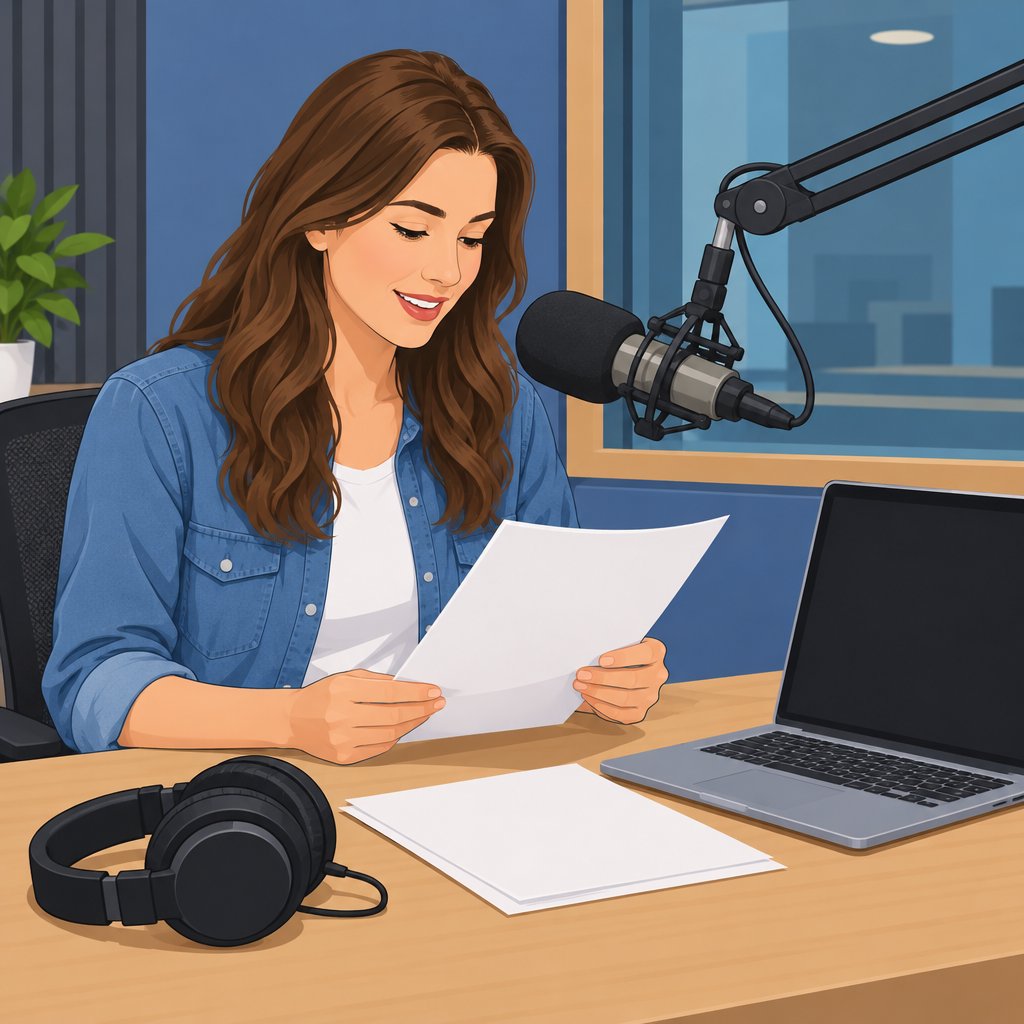
Learning Through Practical Experiments
Regular practice helps you become more comfortable with broadcast technology.
Trial and error can reveal which approaches suit your delivery style.
Use each practice session to identify improvements and strengthen your skills.
- Host mock shows with friends to practice real-time broadcasting.
- Record practice sessions and review them afterward.
- Take notes about areas that need improvement.
- Experiment with different formats and delivery styles.
Using Learning Resources
Many resources can help you understand broadcasting technology.
Choose materials that explain the equipment or software you use.
Transform Your Career Today
Unlock a personalized career strategy that drives real results. Get tailored advice and a roadmap designed just for you.
Start NowDifferent learning formats can clarify technical ideas in useful ways.
- Watch YouTube tutorials about specific equipment or software.
- Take online courses covering audio engineering or broadcasting.
- Join broadcaster forums and communities for troubleshooting discussions.
Connecting Technology with Audience Engagement
Technology supports your connection with the audience.
However, meaningful interaction still depends on the content and communication.
Use technical preparation to make your conversations clearer and more inclusive.
- Encourage listeners to call in or send messages.
- Maintain dialogue that feels inclusive and interactive.
- Collect feedback through surveys or social media.
- Use audience feedback to understand listener preferences.
- Provide valuable content about relevant topics.
- Keep listeners interested through informed discussion.
Familiarity with broadcast technology creates a stronger foundation for your show.
Continued practice can improve your confidence when you go live.
Each learning opportunity can help you grow within this exciting medium.
Discover More: Effective Use of White Space in Web Design
Research and Gather Material for the Show
Begin by researching your chosen topics.
Collect varied materials that inform and entertain your listeners.
Thorough preparation supports smoother delivery.
- Identify your niche: Focus on an area that interests your intended audience.
- Explore trending topics: Check social media and news outlets for current discussions.
- Check relevant forums: Visit online communities for fresh insights and possible discussion angles.
- Use reputable sources: Reference credible books, articles, or studies to support your points.
- Interview experts: Contact professionals in your niche for additional perspectives.
- Listen to existing shows: Study similar radio shows or podcasts to identify effective approaches.
- Compile a list: Record key points to create a roadmap for your show.
Use Anecdotes to Build Connection
Anecdotes give listeners a glimpse into your experiences.
They create personal connections and make your content more memorable.
Relevant stories can also make discussions easier to follow.
- Share personal stories: Connect authentic experiences with the topic under discussion.
- Involve listeners: Invite your audience to share their own experiences.
- Keep stories relevant: Tie every anecdote to your main theme.
- Use humor: Add lighthearted moments to establish rapport and ease tension.
Incorporate Jokes and Humor
Thoughtful humor can engage your audience.
Lighthearted jokes may ease tension and break the ice.
However, choose humor that supports your presentation style.
- Use relatable humor: Choose jokes that reflect shared experiences.
- Manage timing: Deliver jokes when they best fit the conversation.
- Learn from others: Observe how successful comedians and hosts use humor.
- Try different styles: Experiment with puns and observational humor.
- Avoid controversial topics: Keep comedy entertaining rather than alienating.
Present Facts That Stimulate Curiosity
Interesting facts inform listeners and encourage curiosity.
They can add depth to your discussions.
Therefore, select information that strengthens your main points.
- Choose compelling facts: Share information that surprises listeners or challenges common knowledge.
- Verify your sources: Fact-check every detail before presenting it.
- Build stories with facts: Connect information to anecdotes and explain its relevance.
- Encourage discussion: Ask listeners to share their responses.
- Stay focused: Balance facts with other content to maintain interest.
Engage with Your Audience
Active engagement keeps listeners invested in your show.
Create opportunities for them to interact and share feedback.
In addition, continued interaction can strengthen your show community.
- Ask open-ended questions: Encourage listeners to think and respond.
- Use social media: Continue discussions on platforms such as Twitter or Facebook.
- Poll your audience: Let listeners express opinions about relevant topics.
- Include listener stories: Share submitted stories to foster community involvement.
- Host giveaways: Use contests to encourage participation and excitement.
Strengthen Delivery Through Practice
Practice supports smooth delivery.
Rehearse your material until you feel comfortable and confident.
Consistent preparation also helps you manage pacing and presentation.
- Record your practice: Review recordings to identify areas for improvement.
- Invite feedback: Ask friends or mentors for constructive criticism.
- Manage timing: Ensure each segment fits its allotted time.
- Visualize success: Imagine your performance to support confidence.
- Fine-tune delivery: Adjust your tone, volume, and rhythm for stronger engagement.
Engaging preparation gives listeners a captivating experience.
Your dedication can make the first show memorable and successful.
Explore Further: Content Strategy for Lead Generation
Preparing for your first radio show can feel exciting and nerve wracking.
Rehearsing with co hosts or guests helps create a smooth and engaging broadcast.
Practice also gives everyone opportunities to improve timing, communication, and confidence.
Benefits of Rehearsing Together
Rehearsal helps you discover timing problems before the live broadcast.
It also helps co hosts and guests develop smoother transitions between topics.
Furthermore, shared practice builds chemistry and reduces uncomfortable pauses during conversations.
- Improved Timing: Time each segment carefully so the complete show fits its allotted schedule.
- Smoother Transitions: Practice connecting topics naturally to maintain the show’s flow.
- Building Chemistry: Rehearsal encourages rapport and a natural conversational style.
- Avoiding Awkward Silence: Practice replaces unintended pauses with purposeful conversation.
- Boosting Confidence: Repeated practice makes everyone more comfortable during the broadcast.
Preparing for an Effective Rehearsal
Start by deciding what you want the rehearsal to accomplish.
Next, discuss those objectives with your co host or guest.
Then, organize your outline and gather the equipment needed for practice.
- Set Clear Objectives: Identify specific goals before beginning each rehearsal.
- Choose a Realistic Setup: Practice in an environment similar to the studio whenever possible.
- Prepare Your Script: Create an outline covering topics, segments, and important discussion points.
- Bring Your Equipment: Use the equipment required during the actual show.
- Schedule Regular Practices: Hold several sessions before the live broadcast.
Making the Rehearsal Productive
During practice, follow the outline so everyone remains focused.
Use timing tools to measure each segment accurately.
Transform Your Career Today
Unlock a personalized career strategy that drives real results. Get tailored advice and a roadmap designed just for you.
Start NowAt the same time, encourage honest feedback and authentic discussion.
- Follow the Outline: Cover each required point without losing direction.
- Time Your Segments: Use a timer or stopwatch to measure segment length.
- Practice Transitions: Develop connecting language for changes between topics.
- Encourage Feedback: Discuss strengths and improvements openly with one another.
- Add Authenticity: Let each participant bring personality into the conversation.
Managing Technical Details
Technical preparation prevents equipment problems from disrupting the broadcast.
Check every audio source and confirm that each participant remains easy to hear.
Also, discuss responses to connection problems or equipment failures before going live.
- Test the Equipment: Check microphones, headphones, and other required devices.
- Manage Audio Levels: Adjust levels for clear sound without distortion.
- Practice Ads and Promotions: Rehearse promotional messages to improve delivery.
- Incorporate Sound Effects: Practice the timing and placement of every effect.
- Plan for Unexpected Issues: Decide how to handle dropped connections or equipment failures.
Building a Supportive Practice Environment
A supportive atmosphere makes rehearsals more productive and comfortable.
Respectful communication helps participants share useful feedback without hesitation.
Meanwhile, flexibility allows spontaneous discussions to strengthen the show.
- Be Respectful: Consider each person’s opinions and feedback carefully.
- Encourage Each Other: Recognize successful moments during practice.
- Remain Flexible: Adapt when spontaneous discussions create useful material.
- Have Fun: Enjoying practice can add energy to the broadcast.
- Maintain Professionalism: Balance enjoyment with responsible preparation.
Reviewing Each Rehearsal
After each rehearsal, review the session with your co host or guest.
Identify successful elements and areas that need further attention.
Use those observations to guide the next practice session.
- Review the Feedback: Discuss suggestions and address important concerns.
- Identify Strengths and Weaknesses: Assess what worked and what needs improvement.
- Record Your Session: Listen to playback and identify opportunities for growth.
- Plan for the Next Rehearsal: Use your findings to structure future practice.
- Stay Positive: Focus on lessons learned instead of lingering on mistakes.
Rehearsing with a co host or guest prepares everyone for a more engaging radio show.
Focus on timing, transitions, chemistry, and communication throughout each practice session.
Commit to regular rehearsal, apply feedback, and enjoy the preparation process.
Manage Nerves
Your first radio show can create excitement and anxiety.
These emotions often appear together before your debut.
Effective techniques can help you manage anxiety and speak confidently on air.
Practice Relaxation Techniques
Relaxation techniques can calm your nerves before the broadcast.
Choose methods that help you focus and release tension.
Practice these techniques regularly so they feel familiar before your show.
- Deep Breathing: Inhale for four counts, hold for four seconds, and exhale for six counts.
- Progressive Muscle Relaxation: Tense and relax each muscle group from your toes to your head.
- Visualization: Picture yourself in a calm setting and imagine a successful performance.
- Mindfulness Meditation: Focus quietly on your breath to center your thoughts and reduce anxiety.
- Aromatherapy: Use lavender or chamomile scents before your show to help ease tension.
Build Confidence Through Familiarity
Uncertainty can intensify nervousness before a broadcast.
Familiarity with your material and tools can strengthen your confidence.
Use focused preparation to reduce avoidable concerns before going on air.
- Know Your Material: Review your topics carefully so you understand the content you will cover.
- Rehearse Your Delivery: Practice several times so the show’s flow feels comfortable.
- Review Equipment: Confirm the functions of the equipment you will use during the broadcast.
- Complete a Test Run: Conduct a practice broadcast with friends or family and consider their feedback.
Respond Calmly to Mistakes
Mistakes can happen during any broadcast.
Accepting that possibility can reduce performance anxiety.
A calm response allows you to continue without losing your connection with listeners.
- Stay Calm: Pause, breathe, and continue if you make a mistake on air.
- Use Humor Carefully: A light-hearted comment can reduce tension after a blunder.
- Review the Broadcast: Analyze mistakes later and use them to improve your performance.
- Share Relevant Experiences: A personal story can make your response feel more authentic.
Focus Attention on Your Audience
Audience-focused thinking can reduce self-consciousness.
Consider how your content can benefit the people listening.
This perspective can shift attention away from your nerves.
- Engage Your Listeners: Think of your audience as friends rather than critics.
- Invite Feedback: Encourage listeners to share their responses during or after your show.
- Encourage Questions: Interactive segments invite participation and redirect attention toward conversation.
Support Your Physical Readiness
Your physical condition can influence your mental state.
Simple habits can help you remain focused before and during the show.
Give your body the support it needs to manage nervous energy.
- Get Enough Sleep: Aim for seven to eight hours of sleep before your show.
- Stay Hydrated: Drink water to support your vocal cords and concentration.
- Eat a Healthy Snack: Choose a small, nutritious snack for energy without heaviness.
Use Visualization to Reinforce Confidence
Visualization can help you approach the broadcast with greater confidence.
Imagine the performance in detail before you enter the studio.
Specific mental rehearsal can prepare you for common moments on air.
- Practice Daily: Imagine yourself on air from your opening line through listener reactions.
- Repeat Affirmations: Say, “I am confident” or “I have valuable insights.”
- Visualize Specific Moments: Picture yourself answering questions and engaging with listeners.
Seek Support from Fellow Broadcasters
Fellow broadcasters can understand the concerns that accompany a first show.
Sharing your experiences can make you feel less isolated.
Experienced peers can also offer reassurance and practical guidance.
- Join a Local Radio Group: Radio clubs and workshops can connect you with experienced professionals.
- Share Your Experiences: Discuss your concerns with peers who may understand similar feelings.
- Seek a Mentor: An experienced broadcaster can provide reassurance and practical tips.
Managing nerves can help you approach your first radio show with confidence.
Preparation, audience focus, and acceptance of mistakes can make the debut more manageable.
These techniques can help you turn nervous energy into a memorable broadcast experience.
Transform Your Career Today
Unlock a personalized career strategy that drives real results. Get tailored advice and a roadmap designed just for you.
Start NowReadiness for a Confident Radio Debut
Strong preparation brings your topic, structure, delivery, and technical knowledge together.
Meanwhile, audience interaction can make the broadcast feel responsive and engaging.
Invite listeners to participate through social media or live discussion.
Prepare questions and discussion topics that encourage meaningful participation.
Then, remain relaxed and let your enthusiasm shape the broadcast.
Your energy can strengthen the connection between you and your listeners.
By applying these strategies, you can approach your radio debut with greater readiness.
Enjoy the experience and continue improving through practice.
Additional Resources
Google search results for How to Prepare for Your First Radio Show Media and Communication
Bing search results for How to Prepare for Your First Radio Show Media and Communication


