




Introduction
Creating outdoor spaces in small urban areas enhances residents’ quality of life.
These spaces provide opportunities for relaxation and social interaction, improving overall well-being.
This post explores creative ways to maximize outdoor spaces in urban settings.
Importance of Outdoor Spaces
Outdoor spaces in small urban areas offer residents a needed escape from busy city life.
They provide fresh air, nature, and tranquility within busy urban environments.
Additionally, these spaces promote physical activity and reduce stress.
They also foster community connections among residents.
Creative Approaches for Maximizing Outdoor Areas
This section explores vertical gardens, rooftop terraces, pocket parks, and community gardens.
Additionally, versatile furniture, lighting, and planters can maximize limited space.
These practical ideas can transform small urban areas into inviting outdoor retreats.
Assessing Available Outdoor Space
Small urban outdoor spaces require careful assessment before design work begins.
This process helps residents use the area effectively.
First, measure the space, identify constraints, and define its intended purpose.
- Measure the available outdoor area
- Identify any limitations or constraints
- Determine the purpose of the outdoor space
Measuring the Available Outdoor Area
Accurate measurements establish the area’s dimensions before design decisions begin.
They help determine which furniture, accessories, and plants can fit comfortably.
Consequently, suitable scale prevents overcrowding and avoids leaving valuable space unused.
Identifying Limitations and Constraints
Small urban areas may face limited sunlight, noise pollution, reduced privacy, or tight dimensions.
Identify these constraints early so the design can address them creatively.
For example, vertical gardens can maximize space, while soundproofing elements can reduce noise pollution.
Defining the Space’s Purpose
Define whether the space will support relaxation, dining, or a garden oasis.
This purpose guides the selection of furniture, lighting, and decorations.
Consider the activities you envision, then choose features that support those needs.
Careful assessment can produce a functional and stylish outdoor area.
Additionally, thoughtful planning helps maximize the potential of a small urban space.
Designing the Layout
- Choose functional and space-saving furniture
- Utilize vertical space for plants and decor
- Create designated areas for dining, lounging, and activities
When designing outdoor spaces for small urban areas, the layout plays a crucial role.
These considerations help you maximize the available space effectively.
Plan each feature around the space’s intended use.
Functional and Space-Saving Furniture
Selecting the right furniture remains essential in a small outdoor area.
Choose multipurpose pieces, such as foldable tables and chairs, for flexible use.
Store these pieces easily when you do not need them.
Compact furniture with built-in storage can further improve space efficiency.
Vertical Space for Plants and Decor
Small urban areas often leave vertical space underused.
Hanging planters, wall-mounted shelves, and trellises add greenery without consuming floor space.
These features also create a visually appealing backdrop for the outdoor area.
Designated Areas for Dining, Lounging, and Activities
Dividing the outdoor space into activity areas creates order and organization.
Place a small bistro set or foldable table in the dining area.
Add comfortable seating for lounging, then reserve another area for gardening or yoga.
Careful layout design can create a functional and inviting environment in a small urban area.
Prioritize functionality and space-saving solutions to make the most of limited outdoor space.
Find Out More: How to Write a Standout Resume for Machinist Jobs
Transform Your Career Today
Unlock a personalized career strategy that drives real results. Get tailored advice and a roadmap designed just for you.
Start NowMaximizing Greenery in Small Urban Spaces
Greenery brings color and life to compact outdoor areas.
Plants can also improve air quality and help reduce stress levels.
Careful plant selection helps residents create inviting urban retreats.
- Incorporate plants and greenery to add color and life.
- Use hanging plants or vertical gardens to save space.
- Consider low-maintenance plants for easier upkeep.
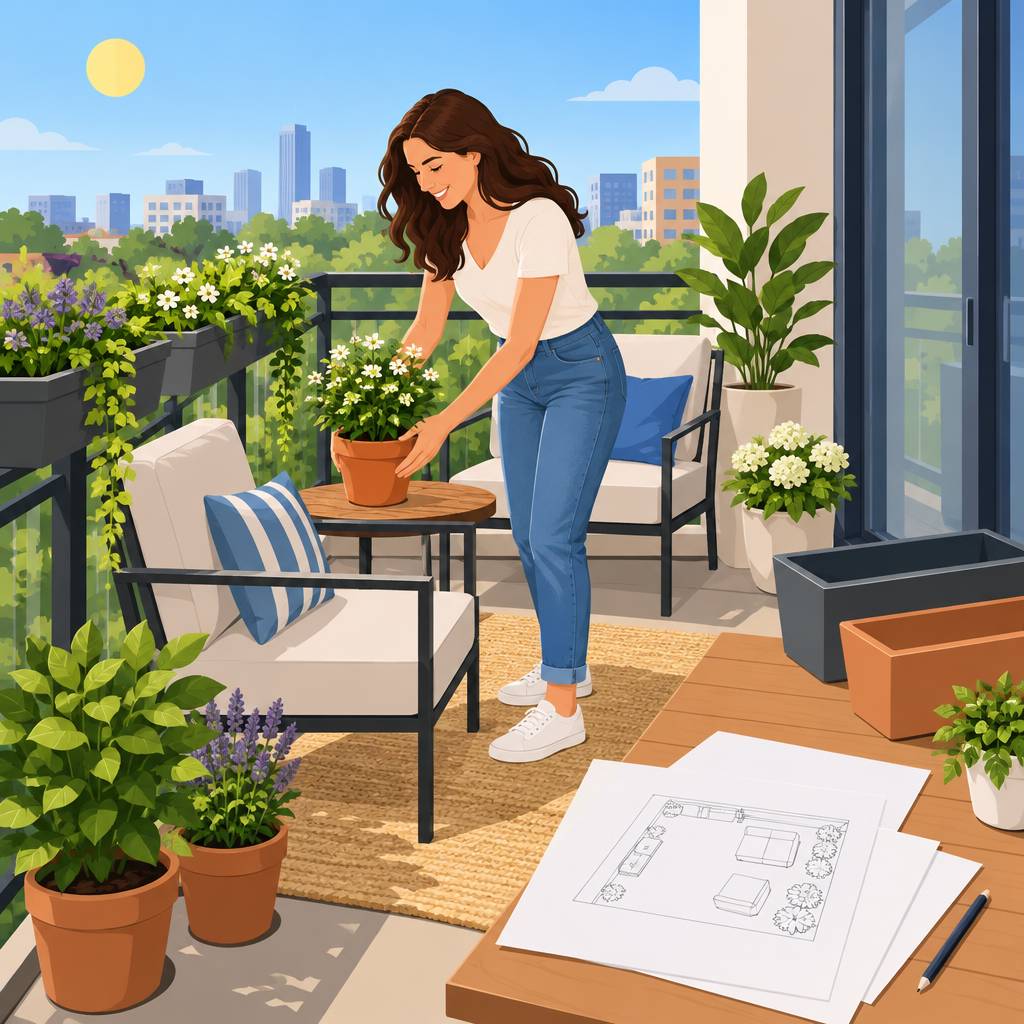
Adding Color and Life with Plants
Choose plants with varied shapes, sizes, and colors to create visual interest.
Next, combine flowers, shrubs, and small trees to add depth.
This varied planting approach makes the outdoor area feel more vibrant.
Using Vertical Gardens to Save Space
Small urban areas often limit the available floor space for plants.
Therefore, hanging plants and vertical gardens provide practical display options.
Hang planters from ceilings or walls to create a lush green setting.
Selecting Low-Maintenance Plants
Busy urban residents may have limited time for plant care.
Choose succulents, cacti, and air plants for simpler maintenance.
These plants provide greenery without requiring constant attention.
By combining varied plants, vertical displays, and easy-care options, residents can create inviting outdoor spaces.
Gain More Insights: Overcoming Common Challenges in Construction
Lighting for Small Urban Outdoor Spaces
Thoughtful lighting helps small urban outdoor spaces remain useful after sunset.
Moreover, it can make a compact oasis feel cozy and inviting.
Select fixtures according to the atmosphere and function you want to create.
- Install ambient lighting to enjoy the outdoor space after sunset.
- Use overhead, wall-mounted, or ground lights to illuminate pathways.
- Choose solar-powered lights for environmentally friendly and cost-effective illumination.
- Place solar lights strategically to highlight important outdoor features.
- Add string lights or lanterns for warmth and ambiance.
- Hang them from trees, pergolas, fences, or railings.
- Alternatively, place lanterns in glass jars for a charming atmosphere.
Meanwhile, adjust the placement and intensity to produce either a soft glow or functional brightness.
Lighting also transforms the appearance and mood of an outdoor space.
With suitable fixtures and placement, you can create an inviting atmosphere day or night.
Different lighting types can help a small urban oasis feel comfortable and special.
Uncover the Details: Best Practices for Painting Trim and Moldings
Creating Privacy in Small Urban Outdoor Spaces
Privacy helps small urban outdoor spaces feel comfortable, peaceful, and personal.
Whether you have a tiny balcony or compact backyard, thoughtful design can create a private oasis.
Several practical features can enhance seclusion without overwhelming a limited outdoor area.
Privacy Screens and Partitions
Privacy screens or partitions can block neighboring views effectively.
Choose wood, metal, or fabric to match your outdoor design.
Additionally, these features create intimacy within a compact outdoor area.
Tall Plants and Trellises
Tall plants can shield your outdoor area from nearby views.
For instance, tall bushes or trees can form a natural perimeter barrier.
Alternatively, trellises can support vines while adding greenery and privacy.
Pergolas and Canopies for Seclusion
A pergola can define a cozy seating area in your outdoor space.
Meanwhile, a canopy can provide shade and strengthen the sense of seclusion.
You can also hang curtains or drapes for an additional privacy layer.
By combining these elements, you can create a tranquil retreat for relaxation.
See Related Content: How to Maintain High Standards in Janitorial Work
Using Multifunctional Elements Outdoors
- Choose furniture with built-in storage or dual purposes
- Incorporate foldable or collapsible items for easy storage
- Opt for modular pieces that can be rearranged as needed
Small urban outdoor areas benefit from furniture that performs more than one function.
These choices help residents use limited space without sacrificing comfort or practicality.
Furthermore, flexible pieces make it easier to change the area for different activities.
Furniture With Built-In Storage
Choose benches with lift-up seats to create hidden storage for cushions, gardening tools, or outdoor games.
Transform Your Career Today
Unlock a personalized career strategy that drives real results. Get tailored advice and a roadmap designed just for you.
Start NowA coffee table can also double as a storage chest.
Consequently, these pieces reduce clutter while adding useful surfaces and seating.
Foldable Items for Flexible Storage
Foldable chairs and tables can create more room when residents are not using them.
Residents can collapse these items and tuck them into a corner or hang them on a wall.
As a result, the outdoor area remains easier to navigate during activities or movement.
Modular Pieces for Changing Arrangements
Modular seating lets residents rearrange layouts for different group sizes and activities.
Modular planters and shelving units also support versatile arrangements.
Therefore, the space can support gatherings, quiet moments, and changing daily needs.
These versatile solutions combine practicality with creative design in compact outdoor settings.
They also help residents maximize usability without filling the area with bulky furnishings.
Personalizing Small Urban Outdoor Spaces
- Add personal touches with decor and accessories.
- Incorporate your personal style and preferences.
- Consider DIY projects or upcycling furniture for a unique touch.
Personalization helps small urban outdoor spaces feel inviting, distinctive, and connected to the people who use them.
Decor and accessories can add character while making the area more welcoming.
Additionally, personal preferences can guide colors, materials, and decorative choices.
Whether you favor minimalism or bohemian design, your selections can make the space feel like home.
DIY projects and upcycled furniture can introduce distinctive details while helping control costs.
For example, repurpose an old crate as a planter or build seating from pallets.
These projects can make an outdoor area feel unique and reflect your personality.
Together, these choices balance practical use with individual expression.
Maintaining the Space
- Establish a regular cleaning and maintenance routine.
- Consider weather-resistant materials to support durability.
- Keep plants pruned and watered for a healthy outdoor environment.
Creating Valuable Outdoor Retreats in Urban Spaces
Creative planning can help residents shape useful outdoor spaces in small urban areas.
Vertical gardens and multifunctional furniture offer practical ways to maximize limited room.
Additionally, thoughtful design helps residents use every square inch efficiently.
Greenery can transform a tiny area into a peaceful retreat.
Cozy seating can make the space more welcoming.
Effective lighting can also extend its appeal after sunset.
Furthermore, outdoor spaces can support mental well-being and extend living areas.
Therefore, investing time and effort into a welcoming outdoor area can benefit daily life.
Start applying these ideas gradually, then observe how the space serves your needs.
Finally, sharing additional tips can inspire others to create beautiful urban outdoor spaces.


