




Introduction
Physical fitness standards are crucial for highway patrol officers.
These standards ensure officers perform their duties effectively.
Being in top shape enables quick and efficient emergency responses.
Highway patrol officers must meet specific physical requirements.
These requirements ensure officers can handle the job’s physical demands.
Overview of Physical Fitness Standards
Highway patrol officers must meet specific physical fitness standards.
These standards ensure they perform their duties effectively.
Physical fitness assessments evaluate strength, endurance, and cardiovascular fitness.
Common tests include push-ups, sit-ups, running, and obstacle courses.
Components of Physical Fitness Standards
Officers need upper body and core strength to restrain suspects.
Good endurance is necessary for standing long periods or chasing suspects.
Strong cardiovascular fitness helps officers endure the job’s physical demands.
Physical Fitness Tests for Highway Patrol Officers
- Push-ups assess upper body strength with a minimum repetition requirement.
- Sit-ups measure core strength and endurance with a set number of repetitions.
- Running evaluates cardiovascular fitness through timed distance runs.
- Obstacle courses test agility, coordination, and overall physical fitness.
Importance of Physical Fitness for Highway Patrol Officers
Physical fitness is a crucial aspect of an officer’s job in the highway patrol.
It is not just about looking good or being in shape.
Physical fitness directly impacts their ability to perform duties effectively.
Highway patrol officers often engage in physically demanding tasks.
These tasks include foot pursuits and defensive tactics.
Officers must be in peak physical condition to apprehend suspects successfully.
They also need this condition to defend themselves and others effectively.
Physical fitness plays a vital role in enhancing officer safety.
When officers are physically fit, they are better equipped to handle job challenges.
They respond more effectively in high-pressure situations.
Fit officers are less likely to succumb to exhaustion or fatigue.
Being in good physical shape reduces the risk of injury.
Highway patrol officers face various hazards while on duty.
Physical fitness helps prevent injuries during altercations or accidents.
Prioritizing physical well-being is a necessity for highway patrol officers.
Maintaining fitness ensures officers are prepared to handle job demands.
Fit officers protect both themselves and the communities they serve.
Uncover the Details: TSA Officer Responsibilities Beyond Airport Checkpoints
Training and Preparation
- Highway patrol officers have access to various training programs.
- These programs include strength training, cardiovascular exercise, agility drills, and endurance building exercises.
- Officers can also utilize gym memberships, workout videos, and fitness apps to supplement their training.
Importance of Regular Exercise and Proper Nutrition
- Regular exercise is crucial for officers to maintain physical fitness required for their demanding job.
- Proper nutrition is equally important as it provides the necessary fuel for workouts and promotes overall health.
- Exercise and nutrition work hand in hand to improve strength, endurance, flexibility, and overall performance on duty.
Guidelines and Recommendations for Officer Fitness
- Set specific fitness goals and create a workout plan tailored to your needs and schedule.
- Include a variety of exercises in your routine to target different muscle groups and prevent plateaus.
- Stay consistent with your workouts and make adjustments as needed to continue challenging yourself.
- Focus on improving areas where you may be weaker, such as cardio endurance, strength, or flexibility.
- Seek guidance from fitness professionals or personal trainers for personalized advice and support.
- Stay motivated by tracking your progress, celebrating small victories, and maintaining a positive mindset.
- Remember to listen to your body, rest when needed, and prioritize recovery to avoid injuries and burnout.
Find Out More: Career Pathways for Disaster Response Coordinators
Accountability and Testing Procedures
- Physical fitness standards are assessed through regular testing.
- Officers must meet established standards to maintain their fitness level.
- Consequences for failing to meet standards include remedial training.
- Further consequences might include probation or even dismissal.
Testing Procedures
- Fitness tests include running, push-ups, sit-ups, and flexibility exercises.
- Tests are administered by trained fitness instructors or medical professionals.
- Officers must follow specific guidelines during testing.
- Procedures ensure accurate and consistent evaluation of physical fitness.
Frequency of Testing
- Fitness testing occurs at regular intervals throughout the year.
- Some agencies require quarterly testing, while others may have bi-annual tests.
- Regular testing ensures that officers maintain their fitness level consistently.
- Officers are notified in advance of testing dates to prepare adequately.
Consequences for Failing to Meet Standards
- Officers who fail to meet standards may be placed on probation.
- Probationary periods are used for coaching and retraining officers.
- If an officer consistently fails to meet standards, disciplinary action may follow.
- Non-compliance with fitness standards may lead to dismissal from the patrol agency.
Learn More: Key Skills for Success as an Emergency Management Director
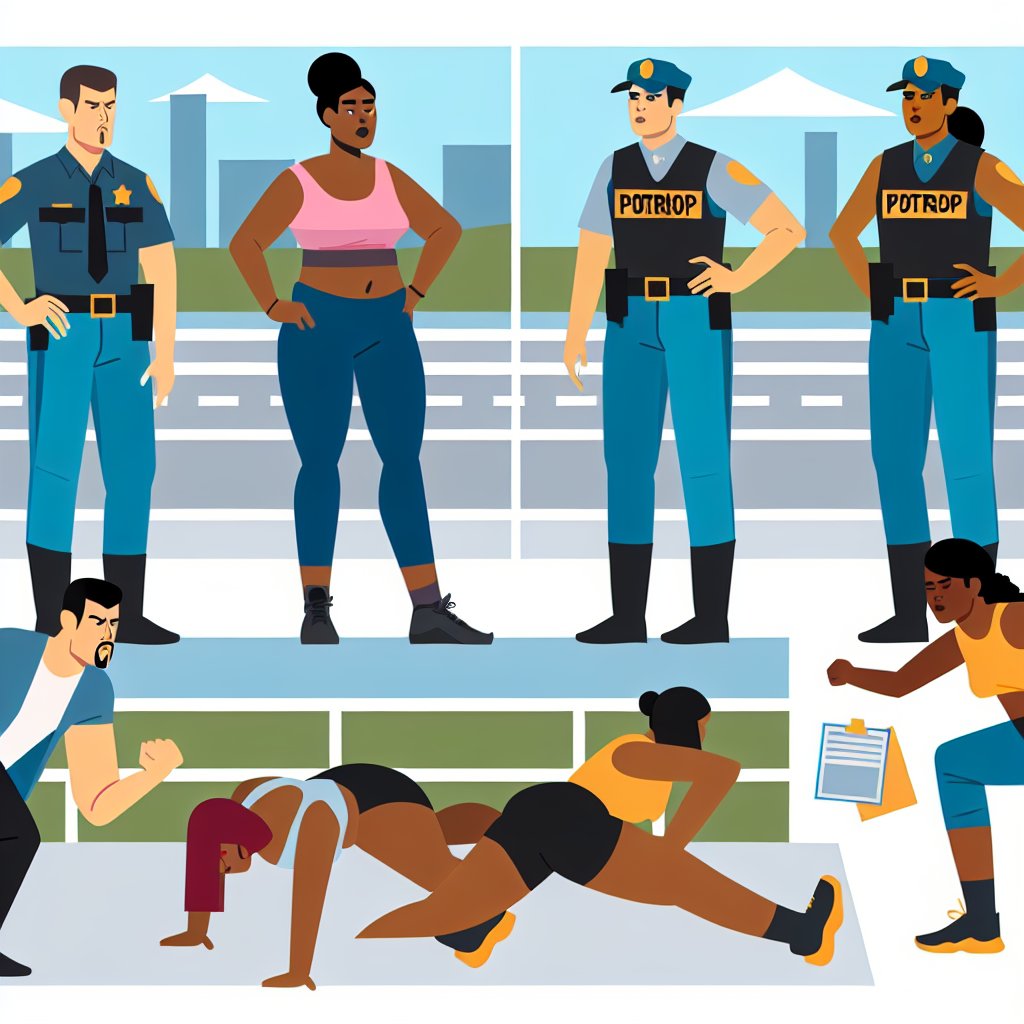
Resources and Support
- Agency support and resources are crucial for officers to maintain physical fitness.
- Fitness instructors play a vital role in guiding officers with their training and exercise routines.
- Wellness programs can also provide valuable assistance in helping officers stay fit and healthy.
- Additional resources such as fitness equipment and workout facilities may be available to officers.
Delve into the Subject: State Trooper Use of Force Policies and Training
Benefits of Physical Fitness
Physical fitness is crucial for highway patrol officers to perform their duties effectively and safely.
Here are some benefits:
- Improved overall health: Regular exercise can help officers maintain a healthy weight and reduce the risk of chronic diseases such as heart disease and diabetes.
- Reduced stress: Physical activity has been proven to reduce stress levels and improve mental well-being, helping officers cope with the demands of their job.
- Enhanced job performance: Being physically fit allows officers to be more alert, agile, and capable of handling challenging situations that may arise while on duty.
Real-Life Examples Demonstrating Physical Fitness Benefits
- A highway patrol officer who regularly engages in cardiovascular exercise was able to chase down a speeding vehicle and prevent a potentially dangerous situation.
- Another officer’s strength training regimen helped them quickly restrain a combative suspect, preventing harm to themselves and others.
- Physical fitness also played a role in an officer’s ability to stay focused during long shifts, ensuring they remained sharp and responsive to emergencies.
These examples highlight how physical fitness directly impacts an officer’s effectiveness in performing their duties and keeping themselves and the public safe.
Physical Fitness Importance for Highway Patrol Officers
Physical fitness is crucial for highway patrol officers to perform their duties effectively.
Meeting and exceeding fitness standards ensures officers are ready to handle physical job demands.
Officers can respond to emergency situations promptly by maintaining high fitness levels.
Additionally, physical fitness improves overall health and well-being for officers.
Transform Your Career Today
Unlock a personalized career strategy that drives real results. Get tailored advice and a roadmap designed just for you.
Start NowFitness reduces injury risks and enhances job performance significantly.
It is essential for officers to prioritize their fitness regularly and strive to exceed standards.
By doing so, officers excel in their roles and serve their communities effectively.
Maintaining a high fitness level allows highway patrol officers to enhance job performance consistently.
They can build confidence in their abilities through proper physical conditioning.
Officers set positive examples for their colleagues by upholding strong fitness standards.
Therefore, physical fitness should remain a top priority for all highway patrol officers.
This commitment ensures they perform their duties to the best of their abilities and keep the public safe.


