




Roles of TSA Officers Beyond Airports
TSA officers play vital roles in security beyond airports.
They safeguard various settings with diverse responsibilities.
These officers are crucial in maintaining safety and order in public transportation.
Public transportation includes trains and buses.
TSA officers may also be deployed to secure high-profile events.
Examples of such events include concerts and sporting competitions.
Additionally, they conduct security screenings at government buildings.
These screenings ensure protection against various threats.
TSA officers are trained to handle emergencies effectively.
They respond swiftly to any security breaches.
They collaborate with law enforcement agencies to coordinate security measures.
This collaboration is especially important for large gatherings.
Moreover, TSA officers may inspect cargo shipments at ports.
The goal is to prevent illegal goods from entering the country.
TSA officers also oversee security protocols at sensitive locations.
Such locations include nuclear facilities and embassies.
These officers extend their expertise beyond airports.
They safeguard public safety in diverse environments.
Protecting Transportation Infrastructure
TSA officers are often deployed to protect train stations.
They also safeguard bus terminals.
Additionally, they provide security at ports.
Having TSA presence in these locations helps deter potential threats.
It also ensures public safety.
TSA officers require specific training and skills.
This training helps them carry out their duties effectively in non-airport settings.
When it comes to TSA officer responsibilities beyond airport checkpoints, one area is screening passengers at events.
This could include large gatherings such as sporting games, concerts, and political rallies.
Challenges of Screening Passengers at Events
- High Volume of Individuals: TSA officers must be prepared to screen a large number of people efficiently.
- Non-Traditional Setting: Unlike airports, events present unique challenges in space and layout.
- Limited Resources: Officers may have limited equipment and support at these off-site locations.
Despite these challenges, it is crucial for TSA officers to maintain security protocols.
They must follow strict procedures while conducting screenings outside of airports.
Considerations for Screening at Events
- Thorough Inspection: Officers need to perform thorough inspections on all individuals to ensure safety.
- Quick Screening Process: Efficiency is key when dealing with a large crowd at an event.
- Communication: Coordination with event staff and local authorities is vital for successful screenings.
By focusing on these considerations and overcoming the challenges, TSA officers contribute to the safety of attendees.
They help ensure security at various events.
You Might Also Like: Career Pathways for Disaster Response Coordinators
When it comes to assisting law enforcement agencies, TSA officers play a crucial role in providing security support during emergencies.
They also support special operations to maintain safety and order.
Collaboration with Local Law Enforcement
TSA officers often collaborate with local law enforcement agencies to enhance security measures in various situations.
- They work together to ensure that security protocols are followed and maintained.
- During emergencies, TSA officers assist law enforcement in establishing perimeters and crowd control.
- They may also conduct bag checks and screenings to prevent unauthorized items from entering secure areas.
Support Provided in Law Enforcement Activities
TSA officers are trained to assist in a variety of law enforcement activities to ensure public safety.
- They may help with crowd control during large events or situations requiring heightened security presence.
- Perimeter security is a critical duty where officers monitor and secure outer boundaries of an area.
- Bag checks are conducted to detect any potential threats or prohibited items that could pose risks.
Training and Coordination for Effective Cooperation
Effective collaboration between TSA officers and law enforcement requires specific training and coordination.
- TSA officers undergo specialized training to work seamlessly with law enforcement agencies in various scenarios.
- Coordination meetings and exercises ensure smooth communication and response during emergencies.
- Interagency cooperation is essential to maximize security efforts and maintain a unified approach to public safety.
You Might Also Like: Key Skills for Success as an Emergency Management Director
Responsibilities of TSA Officers in Conducting Security Assessments
When it comes to the responsibilities of TSA officers beyond airport checkpoints, they conduct security assessments.
Involvement in Security Assessments
TSA officers are actively involved in conducting security assessments at various facilities and public spaces.
Transform Your Career Today
Unlock a personalized career strategy that drives real results. Get tailored advice and a roadmap designed just for you.
Start NowThey identify vulnerabilities and potential risks to ensure safety.
The officers work closely with local law enforcement agencies and security personnel.
They gather relevant information and assess the overall security posture of a location.
Protocols and Techniques Used in Security Evaluations
TSA officers utilize a range of protocols and techniques to evaluate security measures outside airports.
These include physical inspections, threat assessments, and risk analysis.
They test security systems and procedures to find potential weaknesses.
The officers also use advanced technology, such as x-ray machines and explosive trace detection equipment.
Recommendations for Security Improvements
Based on their assessments, TSA officers provide detailed recommendations for enhancing security measures.
They address vulnerabilities to improve overall safety.
TSA officers collaborate with stakeholders to implement these recommendations effectively.
Enhancing Security Preparedness and Response Capabilities
TSA officers play a key role in enhancing security preparedness in non-airport environments.
By identifying potential risks, they help organizations prepare for security incidents.
They conduct training sessions and drills to test response procedures.
The officers improve coordination among security personnel through these exercises.
The involvement of TSA officers in security assessments beyond checkpoints is essential for public safety.
See Related Content: State Trooper Use of Force Policies and Training
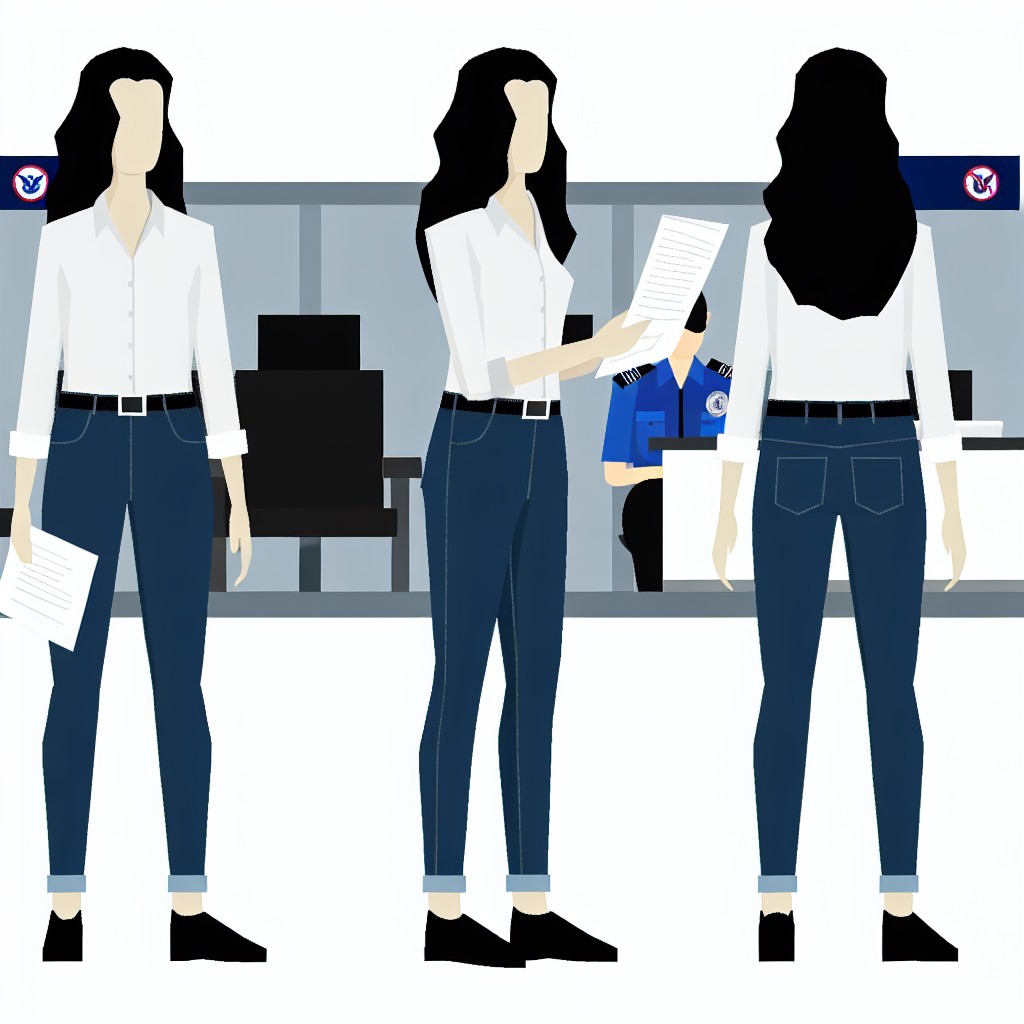
Training and Education Initiatives
- Role of TSA officers in conducting training sessions for transportation workers and the public
- Topics covered: recognizing suspicious behavior, responding to security threats, implementing emergency protocols
- Benefits of sharing expertise to enhance security awareness and readiness in different sectors
TSA officers play a crucial role in conducting training sessions and educational programs for transportation workers and the general public.
These initiatives are essential in raising awareness and readiness for security threats in various sectors beyond airport checkpoints.
During these training sessions, TSA officers cover a range of topics designed to equip participants with the necessary knowledge and skills.
They focus on identifying and responding to potential security risks effectively and efficiently.
One key focus area is recognizing suspicious behavior to prevent security incidents before they escalate.
Additionally, TSA officers provide guidance on responding to different types of security threats.
This guidance ensures a coordinated response that mitigates risks across settings.
By sharing their expertise, officers help enhance the overall security posture beyond airport environments.
Emergency protocols are another critical aspect covered during these training sessions.
TSA officers educate participants on the proper procedures to follow in case of an emergency.
This instruction ensures a swift and efficient response to any security incident that may arise.
Such preparation is invaluable for safeguarding lives and property during crisis situations.
By sharing their knowledge and experience, TSA officers contribute to a culture of security awareness and preparedness in various sectors.
Their insights help transportation workers and the public understand the importance of vigilance and proactive security measures.
This understanding supports efforts to safeguard against potential threats effectively.
Training and education initiatives led by TSA officers play a vital role in enhancing security awareness beyond airport checkpoints.
Through these programs, officers empower participants to recognize threats, respond effectively, and implement emergency protocols.
This empowerment ultimately creates safer environments for all individuals involved.
Learn More: The Role of Secret Service Agents in National Security
Key Responsibilities of TSA Officers Beyond Airport Checkpoints
TSA officers conduct security checks on public transportation.
They work to prevent potential threats.
TSA officers collaborate with law enforcement agencies.
This collaboration helps enhance security measures.
They monitor transportation infrastructure for suspicious activities.
Transform Your Career Today
Unlock a personalized career strategy that drives real results. Get tailored advice and a roadmap designed just for you.
Start NowTSA officers respond promptly when they detect threats.
They enforce regulations to ensure safety protocol compliance.
The enforcement covers various transportation sectors.
TSA officers provide training programs.
These programs raise security awareness among employees and travelers.
Importance of TSA Officers in Safeguarding Transportation Infrastructure
TSA officers play a critical role in national security.
They also protect public safety.
Their vigilance helps prevent terrorist attacks.
They also deter criminal activities effectively.
By securing transportation systems, TSA officers maintain smooth travel.
This ensures safe experiences for all travelers.
They contribute to the nation’s overall security posture.
They achieve this by safeguarding critical infrastructure.
Valuing the Essential Contributions of TSA Officers
Readers should appreciate the dedicated work of TSA officers.
Their commitment reflects a strong dedication to traveler protection.
Supporting TSA officers enhances confidence in transport systems.
Recognition of their role promotes a safer transportation environment.


