




Introduction
Audio engineers play a vital role in producing high-quality sound across various platforms.
Their expertise enhances music, film, and live events.
These professionals manipulate sound through technology and creativity.
As a result, they ensure audio meets industry standards.
Importance in Various Industries
In the music industry, audio engineers shape recordings and live performances.
They fine-tune vocals, instruments, and effects to create polished tracks.
Consequently, their work influences how listeners perceive music.
In film and television, audio engineers enhance the storytelling experience.
They synchronize dialogue, sound effects, and background scores.
This meticulous attention to detail creates an immersive experience for audiences.
Live events, such as concerts and conferences, depend heavily on audio engineers.
They manage sound systems, monitor levels, and troubleshoot issues in real-time.
Therefore, their skills ensure every attendee enjoys a clear and dynamic experience.
Essential Skills and Tools
Audio engineers must use various tools and software proficiently.
Digital Audio Workstations (DAWs) serve as the cornerstone of their work.
Additionally, engineers must stay updated with the latest plugins and technologies.
Critical listening skills remain essential for audio engineers.
They identify subtle differences in sound and make precise adjustments.
This ability helps them produce a balanced and rich audio landscape.
Ongoing Challenges
Audio engineers often face several challenges in their work.
Staying current with technology and trends can prove demanding.
Moreover, tight deadlines may pressure them to meet client expectations.
Collaboration with artists and producers presents additional challenges.
Effective communication and shared understanding remain crucial.
Navigating differing opinions can sometimes create creative conflicts.
Despite these challenges, audio engineers remain dedicated to their craft.
Their passion drives them to overcome obstacles and improve sound experiences for everyone.
Audio engineers face numerous challenges, especially regarding the equipment they use.
High-quality equipment can significantly improve the audio production process.
However, limited access can hinder even talented audio engineers.
Limited Access to High-Quality Equipment
Many audio engineers struggle to access proper equipment.
Several factors contribute to this challenge.
- Insufficient Budget: Many engineers cannot afford superior equipment because budget constraints limit their purchasing options.
- Equipment Availability: Some regions lack specialized equipment vendors, which can delay projects and reduce production quality.
- Outdated Technology: Some engineers rely on older equipment that may not meet current production standards.
- Inadequate Training: Limited access to advanced tools can prevent engineers from developing modern technical skills.
Effects on Audio Production Quality
Inadequate equipment affects every stage of audio production.
Engineers may struggle to meet expected industry standards.
These limitations can also reduce creative flexibility and client confidence.
- Compromised Sound Quality: Inferior equipment can produce poor sound and make professional results harder to achieve.
- Limited Creative Control: Engineers have fewer manipulation options when they lack high-quality tools.
- Increased Production Time: Engineers may spend extra time correcting problems caused by subpar equipment.
- Poor Client Satisfaction: Clients may seek other services when engineers cannot deliver expected standards.
- Reputation Damage: Repeated quality problems can weaken an engineer’s reputation and discourage future collaborations.
Strategies for Managing Equipment Limitations
Audio engineers can use practical strategies to improve their working conditions.
These approaches can expand access while controlling costs.
They can also support stronger skills and more consistent production results.
- Budget Wisely: Engineers can prioritize essential equipment through a comprehensive budget plan.
- Leverage Rental Services: Rental services provide access to high-quality tools without requiring major purchases.
- Consider Collaborations: Collaborating with other professionals allows engineers to share equipment and resources.
- Invest in Training: Workshops and online courses can strengthen engineers’ ability to use modern technology.
- Use Budget Equipment: Engineers can research reviews and user experiences before selecting affordable equipment.
- Participate in Community Groups: Local audio communities can provide support and useful equipment insights.
- Stay Informed on Technology: Industry knowledge helps engineers make better equipment investment decisions.
- Use Software Solutions: Effective audio editing software can help compensate for certain hardware limitations.
Equipment limitations can affect sound quality, creative expression, client satisfaction, and professional reputation.
By applying these strategies, engineers can improve their capabilities and maintain stronger production standards.
Transform Your Career Today
Unlock a personalized career strategy that drives real results. Get tailored advice and a roadmap designed just for you.
Start NowBetter access to suitable tools helps audio engineers work more effectively in a competitive industry.
Audio engineers manage recording, mixing, and mastering tasks under demanding schedules.
Strict timelines can challenge their ability to preserve sound quality.
This section examines deadline pressures and practical strategies for managing limited time.
The Pressure of Tight Deadlines
Tight deadlines affect many audio engineering projects.
Clients often request specific release dates for albums, films, or podcasts.
Consequently, engineers must complete detailed work within fixed periods.
- Clients may expect quick turnarounds without sacrificing quality.
- Complex projects often require additional time, although deadlines may remain unchanged.
- Technical problems can arise unexpectedly and cause delays.
- High demand adds pressure within the fast-paced audio industry.
Moreover, unexpected issues can reduce the time available for revisions.
Therefore, engineers must balance client expectations with the project’s technical demands.
Effects of Time Constraints on Audio Quality
Time constraints can significantly affect an audio engineer’s work.
When engineers rush, they may overlook important details or simplify essential processes.
As a result, the final production may lose balance, clarity, or creative depth.
- Engineers may lack enough time to achieve a balanced mix.
- Limited time can weaken critical mastering processes.
- Restricted schedules can limit creative exploration and experimentation.
- Rushed teams face a greater likelihood of making mistakes.
These compromises can disappoint both clients and audiences.
Nevertheless, careful planning can reduce the effects of deadline pressure.
Time Management Strategies for Audio Engineers
Audio engineers can manage demanding schedules by organizing tasks and setting clear priorities.
They can also protect quality by reviewing progress throughout each project stage.
The following strategies support efficient workflows without removing necessary creative attention.
Prioritize Tasks.
Engineers should identify the most important tasks and address them first.
A priority matrix can help them visualize competing responsibilities.
Set Realistic Goals.
Engineers should divide large projects into achievable milestones.
Short, defined targets can reduce overwhelm and maintain concentration.
Create a Schedule.
A detailed schedule can keep each project stage moving forward.
Specific time blocks can also reduce procrastination and distractions.
Use Technology Wisely.
Audio software and digital audio workstations can streamline repetitive tasks.
Engineers should learn useful shortcuts and features within their preferred tools.
Allow for Flexibility.
Unforeseen challenges can disrupt even the most careful schedule.
Buffer time allows engineers to address problems without derailing the project.
Practice Good Communication.
Regular updates help engineers manage expectations among clients and team members.
Transparent communication can also build understanding when delays arise.
Build a Team.
Collaboration can reduce pressure during demanding production periods.
Delegating suitable tasks ensures that each project element receives proper attention.
Continue Learning.
Engineers can improve efficiency by studying new techniques and technologies.
Transform Your Career Today
Unlock a personalized career strategy that drives real results. Get tailored advice and a roadmap designed just for you.
Start NowWorkshops and online courses may provide useful ideas for faster workflows.
Maintain Quality Control.
Engineers should reserve time to review their work carefully.
This review can reveal errors and identify adjustments before delivery.
Stay Calm Under Pressure.
Anxiety can affect concentration and reduce performance during demanding periods.
Regular breaks, exercise, and mindfulness can support a clear, focused mind.
Balancing Production Speed and Artistic Quality
Audio engineers must balance fast delivery with careful artistic decision-making.
Effective planning helps them meet deadlines while preserving important production details.
Technology, communication, and teamwork can further support consistent results.
Continued learning also helps engineers refine their workflows over time.
By remaining adaptable, they can respond to unexpected challenges more effectively.
The central goal remains creating exceptional sound within the available time.
Discover More: Client Management Tips for Media Sales Reps
Communication as a Driver of Audio Project Success
Effective communication supports successful audio engineering projects.
It creates shared understanding between audio engineers and their clients.
When everyone shares the same vision, projects move more smoothly and efficiently.
Clients often bring specific expectations or creative ideas to each project.
Engineers must interpret those ideas accurately before making production decisions.
Clear questions help engineers understand client preferences and project goals.
Consequently, collaboration can encourage creativity and improve the final audio product.
Communication Problems That Disrupt Audio Projects
Poor communication can create confusion throughout an audio engineering project.
Vague language, assumptions, and weak follow-up often cause these difficulties.
As a result, engineers and clients may waste time resolving preventable misunderstandings.
- Misunderstood Objectives: Poorly expressed goals can send a project in the wrong direction.
- Technical Jargon: Unexplained industry terminology can prevent clients from understanding important decisions.
- Late Feedback: Delayed responses can cause disruptive changes near project completion.
- Lack of Documentation: Missing records can cause teams to forget details and expectations.
- Emotional Misinterpretations: Misread tone or body language can create unnecessary conflict.
These breakdowns can damage project outcomes and working relationships.
Engineers may feel frustrated when unclear requests interrupt their workflow.
Meanwhile, clients may reject results that do not match their expectations.
Practical Communication Skills for Audio Engineers
Engineers can improve communication by using deliberate and consistent practices.
These practices clarify expectations while supporting respectful collaboration.
They also help teams address concerns before problems become difficult to manage.
Active Listening
Active listening requires engineers to focus fully on each client conversation.
Engineers should confirm meaning instead of relying on assumptions.
This approach helps clients feel understood and encourages more precise discussions.
- Maintain eye contact to demonstrate engagement.
- Paraphrase client statements to confirm understanding.
- Avoid interrupting while clients explain their thoughts.
- Ask clarifying questions whenever details remain unclear.
Clear and Accessible Language
Engineers should explain technical ideas using language clients can understand.
Simple explanations reduce confusion during creative and technical discussions.
Furthermore, familiar comparisons can make complex audio concepts easier to grasp.
- Briefly explain technical terms when they become necessary.
- Avoid acronyms that clients may not recognize.
- Use analogies to explain complicated concepts.
- Summarize important points throughout each discussion.
Regular Client Feedback
Client feedback keeps production decisions aligned with the intended result.
Engineers should invite responses throughout the project rather than waiting until completion.
Regular exchanges also give engineers time to address concerns efficiently.
- Ask clients for input at regular project stages.
- Create clear opportunities for clients to share reactions.
- Accept constructive criticism and practical suggestions.
- Schedule follow-up discussions to review feedback carefully.
Thorough Project Documentation
Documentation gives both parties a reliable record of project decisions.
Transform Your Career Today
Unlock a personalized career strategy that drives real results. Get tailored advice and a roadmap designed just for you.
Start NowWritten records reduce confusion when discussions occur across multiple stages.
They also provide a reference when teams review progress or expectations.
- Record detailed notes during meetings and discussions.
- Share written summaries for client confirmation.
- Use project management tools to track decisions.
- Organize files and communication records consistently.
Awareness of Nonverbal Communication
Nonverbal signals can strengthen or weaken conversations.
Engineers should notice how clients respond during important discussions.
Careful observation can reveal discomfort that spoken words do not express.
- Monitor posture, facial expressions, and body language.
- Observe client reactions to assess their comfort.
- Use charts or diagrams to clarify ideas.
- Maintain a friendly and approachable manner.
Trust Through Professional Rapport
Strong rapport creates a more comfortable environment for honest communication.
Engineers can remain professional while showing genuine interest in clients.
Over time, trust can make collaboration more open and productive.
- Learn about client preferences and communication needs.
- Share relevant experiences to create common ground.
- Balance professionalism with a personable approach.
- Recognize shared milestones and achievements.
Ongoing Communication Development
Communication skills improve when engineers practice them consistently.
Training can help engineers handle difficult conversations with greater confidence.
Peer feedback can also identify habits that limit clarity.
- Attend workshops that focus on communication skills.
- Complete relevant online courses or webinars.
- Practice realistic scenarios through role-playing exercises.
- Request feedback from peers about communication style.
Communication Practices That Strengthen Audio Results
Clear dialogue helps engineers translate client visions into effective audio experiences.
It also supports stronger working relationships throughout changing project requirements.
By listening carefully and documenting decisions, engineers can reduce avoidable disruption.
Clients value engineers who explain decisions and respond thoughtfully.
That responsiveness encourages collaboration and improves confidence in the process.
Therefore, communication remains a practical foundation for successful audio engineering work.
Explore Further: Typical Day in the Life of a Media Sales Representative
Common Technical Challenges
Audio engineers regularly manage technical problems during recording, mixing, and other production tasks.
Equipment failures and software problems can interrupt workflows without warning.
Recognizing common difficulties helps engineers respond quickly and protect production efficiency.
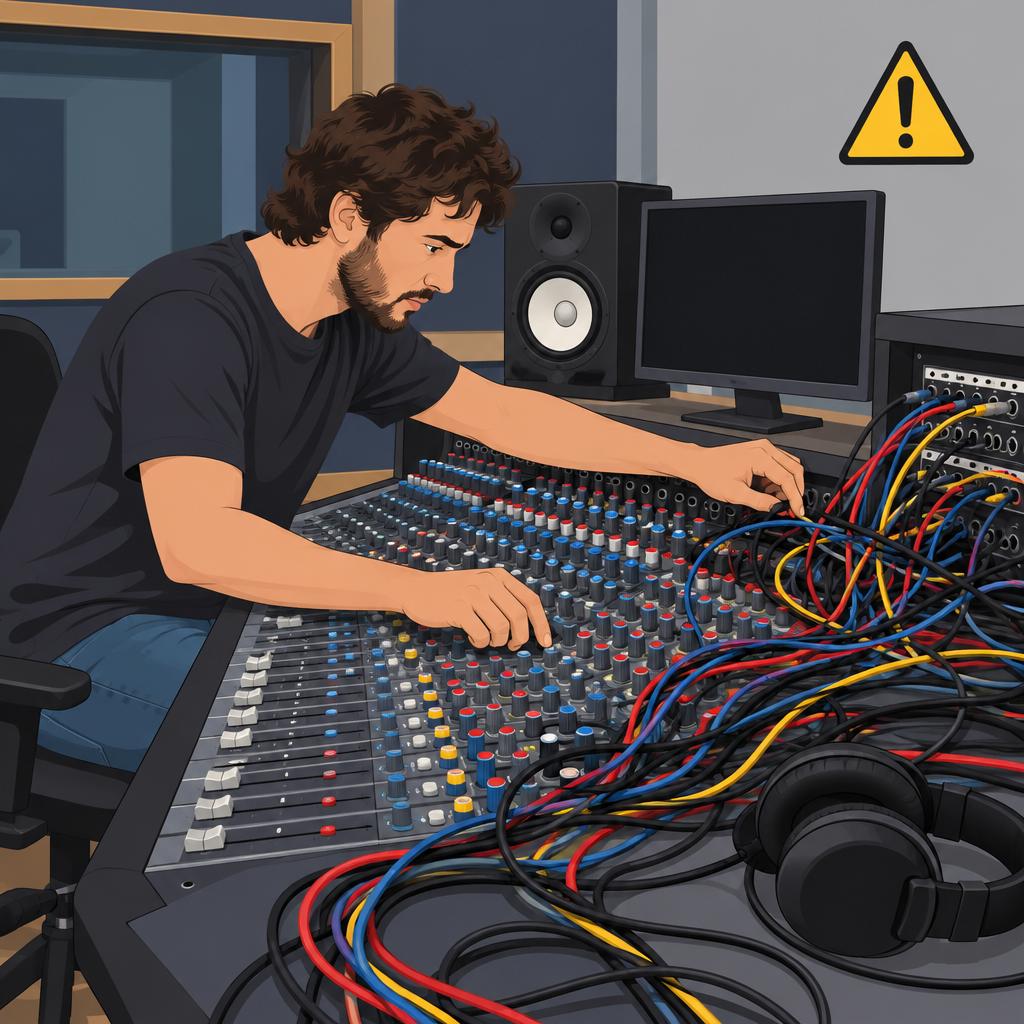
- Hardware can fail unexpectedly because of faulty connections, damaged cables, or aging equipment.
- Audio software may freeze or crash, causing lost work and extended downtime.
- Different hardware and software versions may not work well together, creating serious setbacks.
- Incorrect settings, weak hardware, and environmental noise can reduce audio quality.
- Buffer settings and limited processing power can create delays during recording and mixing.
These problems can affect sound quality, timing, and the continuity of an audio session.
Therefore, engineers benefit from organized checks and practical backup procedures.
Careful preparation makes technical disruptions easier to isolate and resolve.
Effective Troubleshooting Practices
Engineers need systematic troubleshooting methods to restore workflows efficiently.
They should first determine the problem’s source by checking each component.
Next, they can apply focused solutions instead of changing several variables at once.
- Engineers should identify the problem before testing possible solutions.
- Diagnostic tools can analyze issues and suggest useful solutions.
- Inspecting cables and connections can reveal loose or damaged components.
- Restarting hardware and software can resolve minor technical glitches.
- Software updates can reduce bugs and improve performance.
- User manuals and online resources often explain equipment-specific troubleshooting steps.
- Other engineers can provide fresh perspectives through forums and professional communities.
Although simple checks often solve minor faults, complex issues may require additional guidance.
For that reason, engineers should document recurring problems and their successful solutions.
This record can shorten future troubleshooting sessions and support consistent results.
Benefits of Staying Current with Technology
Audio technology changes continuously, so engineers must monitor new tools and software features.
Current knowledge helps professionals choose suitable solutions for changing production demands.
It also reduces problems caused by outdated systems and limited manufacturer support.
- Newer technology can improve sound quality and operating efficiency.
- Updated tools can streamline editing, rendering, and other production processes.
- Current software usually works more reliably with modern hardware.
- Manufacturers generally provide stronger support for newer technology.
- Industry events can introduce innovative tools and encourage professional connections.
Engineers can evaluate new options while maintaining familiar tools for dependable work.
Gradual adoption allows professionals to learn features without disrupting established workflows.
Additionally, professional networking can reveal practical experiences with emerging technology.
Continuing Education for Technical Growth
Technical knowledge requires ongoing development because equipment and software continue to change.
Engineers can strengthen their abilities through structured learning and independent practice.
Regular education also encourages informed decisions during troubleshooting and equipment selection.
- Workshops and courses provide practical experience with new technologies and techniques.
- Industry leaders can offer insights into emerging trends and useful methods.
- Experimenting with software features helps engineers understand their available tools.
- Industry publications provide reviews and analysis of developing equipment.
- Online forums allow engineers to exchange knowledge about technical challenges.
Hands-on learning can reveal practical solutions that formal instructions may not fully explain.
Transform Your Career Today
Unlock a personalized career strategy that drives real results. Get tailored advice and a roadmap designed just for you.
Start NowMeanwhile, discussions with peers can expose engineers to alternative approaches.
Consistent learning helps professionals remain prepared for evolving technical demands.
Building Long-Term Technical Readiness
Technical difficulties will remain part of audio engineering, despite careful preparation.
Engineers can reduce disruption by combining systematic troubleshooting with current technical knowledge.
Adaptability, preparation, and continued learning support reliable audio production.
These practices help engineers respond confidently when equipment or software behaves unexpectedly.
You Might Also Like: Importance of Visual Content in Corporate Communications
Creative Differences in Audio Engineering
Audio engineers often work in collaborative settings.
In these environments, creative differences can arise with clients or colleagues.
These conflicts may involve artistic visions, production methods, or sound aesthetics.
Engineers must navigate these differences carefully to support successful projects.
Sources of Creative Conflict
Creative conflicts typically develop from several factors.
Different expectations can affect decisions about sound, workflow, and artistic direction.
Recognizing these sources helps teams address disagreements more effectively.
- Divergent Visions: Clients may imagine a specific sound, while engineers may recommend another approach.
- Experience Levels: Different backgrounds can shape expectations, preferences, and production methods.
- Artistic Interpretation: Mixing and sound design can affect how each person evaluates the final product.
- Technical Limitations: Budgets and equipment restrictions can challenge ambitious creative plans.
Strategies for Resolving Creative Differences
Effective communication and a strategic approach can help teams resolve creative conflicts.
Team members should focus discussions on the project’s goals and practical needs.
Consequently, respectful collaboration can turn disagreements into productive decisions.
- Listen Actively: Understand the other person’s perspective before responding to concerns.
- Communicate Clearly: Explain technical details precisely and connect them to project goals.
- Find Common Ground: Identify shared objectives to create a stronger sense of direction.
- Accept Compromise: Flexible discussions can produce solutions that support multiple creative priorities.
- Encourage Collaboration: Joint sound experiments can reveal options that respect different artistic visions.
Professionalism During Creative Disagreements
Professionalism remains essential when people evaluate different creative choices.
It supports respectful discussions and keeps attention on the project’s needs.
Moreover, professional conduct helps teams preserve productive working relationships.
- Builds Trust: Professional behavior encourages team members to share ideas openly.
- Improves Communication: Clear exchanges help participants resolve misunderstandings more quickly.
- Prevents Escalation: Calm responses can keep disagreements from damaging the working atmosphere.
- Enhances Reputation: Engineers who manage conflict well can strengthen their professional reputation.
Open Communication in the Creative Process
Open communication helps teams address differences before they become larger problems.
Candid discussions can clarify expectations and reveal gaps in understanding.
Regular exchanges also give participants opportunities to adjust their approaches.
- Schedule Regular Check-Ins: Discuss updates and challenges to keep everyone informed.
- Create Respectful Discussions: A safe environment allows team members to express opinions honestly.
- Document Decisions: Accurate records can reduce confusion during later project stages.
- Encourage Constructive Feedback: Clear feedback guidelines help participants improve the final product.
Empathy in Creative Collaboration
Empathy can change how people respond to creative differences.
Understanding emotions and motivations may reduce tension during difficult discussions.
As a result, empathetic communication can support more balanced decisions.
- Recognize Stressors: External pressures may affect how clients and colleagues respond.
- Validate Emotions: Acknowledging feelings can reduce tension and encourage cooperation.
- Adapt Your Approach: Flexible communication can improve understanding during challenging exchanges.
Managing Stubbornness and Stalled Discussions
Creative differences can sometimes cause discussions to stall.
Recognizing this situation allows participants to change their problem-solving approach.
Patient responses can create space for more productive conversations later.
- Identify the Sticking Point: Clarify the core issue before proposing a solution.
- Take a Break: A short pause can reduce emotion and encourage fresh perspectives.
- Seek External Opinions: A third party may identify alternative solutions during a stalled discussion.
Building Stronger Creative Partnerships
Creative differences remain a natural part of audio engineering.
Engineers can manage them through adaptability, professionalism, and focused communication.
Empathy and collaboration can help teams develop solutions that respect different perspectives.
When teams address disagreements constructively, the audio production process can become more productive.
See Related Content: Building an SEO Specialist Personal Brand
Budget Constraints in Audio Engineering
Audio engineering projects often operate under strict financial limits.
These limits can affect project quality, scope, staffing, and scheduling.
Engineers must therefore allocate available funds carefully.
Resourcefulness and creativity help teams protect important production goals.
Challenges Created by Limited Budgets
Limited budgets create several practical challenges for audio engineering teams.
These pressures can influence equipment choices, staffing decisions, and production schedules.
Transform Your Career Today
Unlock a personalized career strategy that drives real results. Get tailored advice and a roadmap designed just for you.
Start NowThey can also reduce opportunities for experimentation and professional growth.
- Equipment Quality: High-quality equipment often carries a substantial price, forcing engineers toward less capable alternatives.
- Staff Expertise: Financial limits may encourage companies to hire less experienced engineers, affecting project quality.
- Time Constraints: Tight budgets can shorten schedules, leaving engineers less time to refine their work.
- Limited Resources: Reduced funding can restrict access to useful plugins and software, limiting creative possibilities.
- Fewer Projects: Financial limitations may reduce the number of accepted projects, limiting experience and portfolio variety.
Practical Ways to Control Production Costs
Engineers can preserve important standards by managing limited resources strategically.
Efficient planning helps teams direct money toward the most important production needs.
Meanwhile, creative approaches can reduce spending without eliminating useful capabilities.
- Prioritize Expenses: Identify essential project components and direct available funds toward them first.
- Invest in Versatile Equipment: Select equipment that performs multiple functions and reduces specialized purchases.
- Use Open-Source Software: Free software options can provide useful capabilities without adding financial pressure.
- Rent Equipment: Renting expensive gear can lower costs when projects require equipment temporarily.
- Develop DIY Solutions: Engineers can create equipment or software solutions that reduce expenses and support distinctive results.
- Collaborate with Professionals: Resource sharing can lower expenses while combining the skills of several engineers.
Effective Project Budget Negotiations
Budget negotiations require preparation, clear explanations, and realistic expectations.
Engineers can strengthen discussions by connecting requested resources with project outcomes.
Flexible proposals may help stakeholders protect essential work within available funding.
- Prepare Thoroughly: Understand the project scope and required resources before discussing financial terms.
- Highlight Value: Explain how the proposed work and resources support positive project results.
- Present Multiple Options: Offer different budget scenarios while protecting the project’s essential requirements.
- Build Relationships: Maintain trust with clients and stakeholders to encourage productive negotiations.
- Remain Flexible: Adapt plans and accept reasonable compromises when they preserve project integrity.
Maintaining Quality Through Financial Planning
Budget constraints can influence nearly every part of an audio engineering project.
Nevertheless, careful spending can help engineers maintain strong production standards.
Strategic negotiations can also create agreements that benefit both engineers and stakeholders.
Ultimately, resourceful planning turns financial limitations into opportunities for practical innovation.
Adaptability in a Changing Audio Industry
Audio engineers must adapt when market demands shift unpredictably.
Flexibility helps them respond as industry trends and technologies evolve.
Staying informed about industry trends can give engineers a significant professional advantage.
Professional Practices That Support Success
Technological proficiency helps engineers maintain high production standards.
Engineers can protect sound quality by selecting suitable tools for each project.
Proactive troubleshooting helps engineers resolve issues before those issues consume valuable time.
Strong relationships within teams can improve workflow and encourage creative collaboration.
Resilience and Continuous Growth
Aspiring audio engineers need resilience when professional challenges arise.
They can treat difficulties as opportunities to strengthen their skills.
Continuous learning helps engineers remain relevant in a competitive field.
By combining technical skill, creativity, and teamwork, engineers can build successful careers.
Additional Resources
Google search results for Common Challenges Faced by Audio Engineers Media and Communication
Bing search results for Common Challenges Faced by Audio Engineers Media and Communication


