




Role of Extension Agents
Extension agents provide education and resources to farmers.
They use knowledge and expertise to promote food security.
Their guidance helps farmers adopt innovative agricultural practices.
Extension Agents in Agricultural Development
Extension agents work closely with farmers to improve productivity and sustainability.
They provide training in best practices, pest management, and crop rotation.
Additionally, they help farmers access seeds and fertilizers.
Farmers can increase yields and income through this support.
Consequently, their work helps communities strengthen food security.
Background of Extension Agents
- Extension agents connect individuals and communities with educational resources.
- They support fields such as agriculture, nutrition, and family services.
- Additionally, these professionals encourage food security and sustainable practices.
- Their work helps communities make informed choices about food production and consumption.
History of Extension Services
- Extension services began more than a century ago during the late nineteenth century.
- Initially, these programs addressed rural farmers’ needs through practical knowledge.
- In 1914, the Smith-Lever Act established the Cooperative Extension Service.
- Since then, extension services have expanded into areas such as food security.
Evolution of Extension Education Programs
- Extension education programs continue adapting to society’s changing needs.
- Although agriculture shaped their beginnings, these programs now address food security and other concerns.
- Modern programs use technology and innovative teaching methods to reach wider audiences.
- Moreover, partnerships with government agencies and nonprofit organizations strengthen program impact.
Training and Qualifications of Extension Agents
- Extension agents commonly study agriculture, nutrition, or a related discipline.
- Specialized training develops their education, outreach, and program development skills.
- Many agents earn advanced degrees, including master’s or doctoral qualifications.
- Furthermore, continuing professional development keeps agents informed about current practices and emerging trends.
Providing Technical Assistance to Farmers
Extension agents work directly with farmers on crop selection, soil management, pest control, and irrigation.
They provide practical guidance that helps farmers improve productivity.
Consequently, farmers can increase food production through informed farming decisions.
Conducting Workshops and Training Sessions
Extension agents organize workshops and training sessions on best farming practices.
These events address sustainable agriculture, organic methods, and crop rotation techniques.
Therefore, farmers strengthen their skills and adopt more efficient practices.
Disseminating Agricultural Technologies and Innovations
Extension agents keep farmers informed about agricultural technologies and innovations.
They introduce tools, equipment, and techniques that may improve crop yields.
Moreover, these approaches can help farmers reduce post-harvest losses.
Strengthening Food Security Through Agricultural Support
Through these activities, extension agents support food security.
They help farmers improve productivity while adopting sustainable practices.
They also help farmers stay informed about agricultural advancements.
Discover More: Climate Change Mitigation: Role of Conservationists
Impact of Extension Agents on Food Security
Extension agents strengthen food security by supporting smallholder farmers.
They provide knowledge and resources that help farmers improve their livelihoods.
Consequently, their work can increase food availability and support farmer income.
Increased Crop Yields and Production
Extension agents explain agricultural practices that can improve crop performance.
As farmers apply this guidance, they can achieve higher yields.
In turn, increased production can strengthen food supplies for communities.
Improved Market Access for Smallholder Farmers
Extension agents help smallholder farmers connect with markets.
This access can help producers sell their crops at fair prices.
As a result, farmers may increase income from their produce.
Reduced Post-Harvest Losses
Agents teach farmers proper handling methods after harvest.
These practices can reduce losses before food reaches communities.
Therefore, more harvested food remains available for community needs.
Find Out More: Marketing Organic vs. Conventional Farm Products
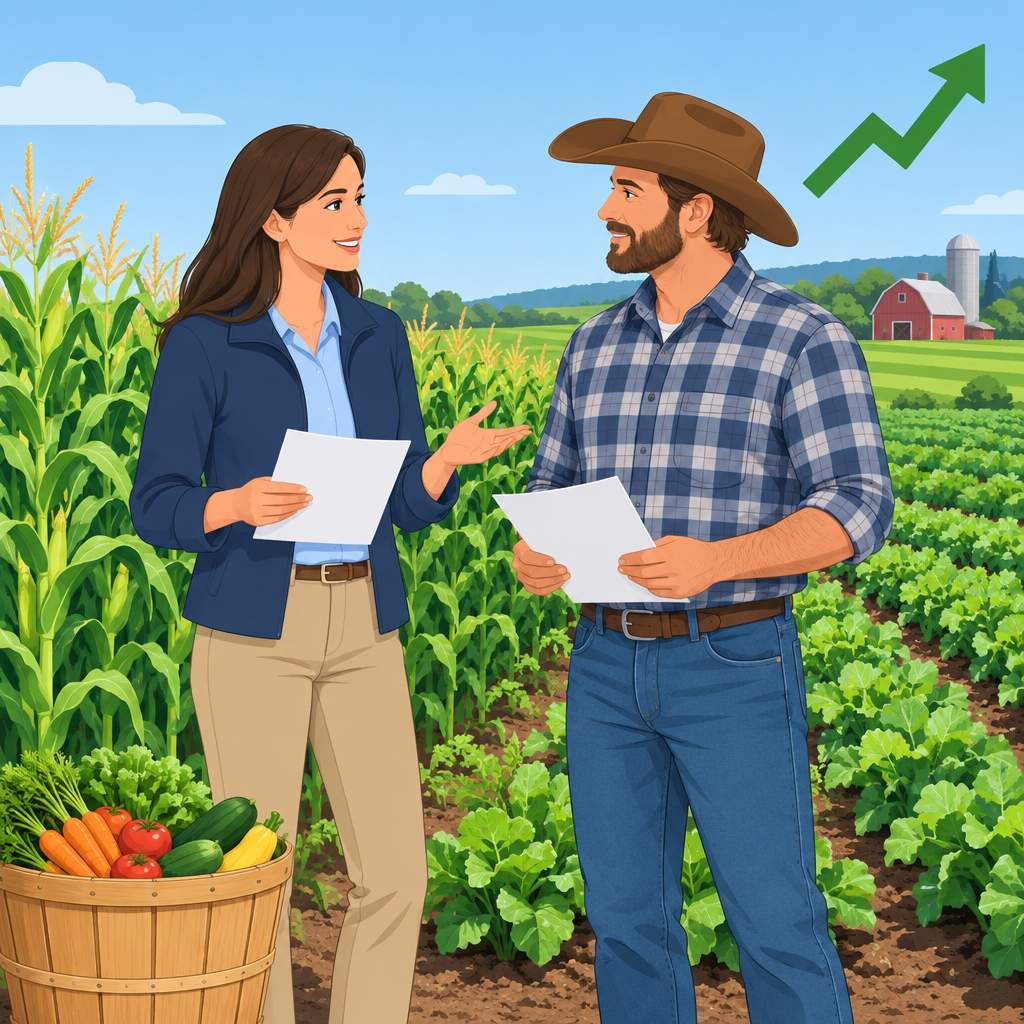
Challenges Facing Extension Agents
Extension agents play a crucial role in promoting food security.
They work directly with farmers to improve agricultural practices and increase productivity.
However, several challenges can limit their efforts to achieve this goal.
Limited Funding and Resources
Extension agents often operate with limited budgets.
Consequently, insufficient funding can restrict their ability to support farmers.
This resource shortage can hinder their efforts to promote food security effectively.
Transform Your Career Today
Unlock a personalized career strategy that drives real results. Get tailored advice and a roadmap designed just for you.
Start NowLimited Government Support
Extension agents rely on government agencies to implement programs that benefit farmers.
However, some agencies may not prioritize food security or agricultural development.
As a result, extension agents may receive inadequate support for their work.
Farmer Resistance to New Practices
Farmers may resist adopting new agricultural practices.
Some farmers prefer traditional methods or question the value of new techniques.
Therefore, resistance can make it difficult for extension agents to promote food security.
Strengthening Extension Services
Addressing these challenges can strengthen extension agents’ efforts.
Adequate funding and resources can support their work.
Government agency support can further improve food security and agricultural development.
See Related Content: 4-H Youth Agents: Promoting Sustainable Agriculture
Extension agents can improve food security by expanding their outreach and strengthening their community impact.
Strengthening Partnerships with Government and NGOs
- Government collaboration can provide extension agents with valuable resources and support.
- Meanwhile, NGOs can offer funding and expertise that help agents reach more communities.
- These partnerships also support the exchange of best practices and innovative approaches to food security challenges.
Providing Ongoing Training and Professional Development Opportunities
- Continuous training keeps extension agents informed about the latest agricultural practices and technologies.
- Furthermore, professional development strengthens communication, community engagement, and project management skills.
- Training programs can also address sustainable farming practices and nutrition education.
Utilizing Technology for Remote Assistance and Information Dissemination
- Technology enables extension agents to assist farmers in rural and hard-to-reach areas.
- Mobile apps and online platforms can share guidance about crop management, pest control, and market prices.
- Additionally, webinars and video tutorials help agents reach wider audiences and engage farmers effectively.
These strategies can expand extension agents’ reach and strengthen their contribution to food security in communities.
Find Out More: Agricultural Loan Officers and Sustainable Farming
Success Stories of Extension Agents in Promoting Food Security
Extension agents support food security by helping farmers improve production and harvest.
They provide essential knowledge and skills for farming.
Moreover, they connect farmers with resources that can strengthen household and community food supplies.
Communities Benefiting from Extension Services
In a rural African village, extension agents trained farmers in modern agricultural practices.
Consequently, farmers increased crop yields and improved the community food supply.
In an Asian country, agents helped smallholder farmers adopt sustainable farming techniques.
This support significantly reduced food insecurity levels.
Testimonials from Farmers About Livelihood Improvements
A Latin American farmer described how extension guidance supported crop diversification.
The farmer increased productivity and secured a stable income for the family.
Similarly, a female farmer in Southeast Asia valued support for improving soil health.
She also optimized water use and enhanced the nutritional value of her produce.
Recognition for Outstanding Extension Work
Several countries have honored extension agents for exceptional commitment to food security.
These awards recognize dedication to agricultural development and sustainable food production.
They also highlight the contribution of extension work to poverty alleviation globally.
Extension Agents and Sustainable Food Security
Extension agents remain vital to sustainable agriculture and food production efforts.
They connect farmers with agricultural innovations that can improve yields and farm productivity.
Consequently, communities can strengthen food security through improved agricultural practices.
Therefore, governments, organizations, and stakeholders should provide stronger support and resources for extension services.
Such investment can expand their reach among smallholder farmers and farming communities.
Their work deserves recognition because it supports efforts against hunger and poverty.
Their continued contribution remains important for sustainable agriculture and food production.
Additional Resources
Google search results for Extension Agents: Promoting Food Security Agricultural
Bing search results for Extension Agents: Promoting Food Security Agricultural


