




Introduction
4-H Youth Agents promote sustainable agriculture by educating and engaging youth in agricultural practices.
Sustainable agriculture preserves the environment, conserves resources, and supports food security for future generations.
This section explores sustainable agriculture, the roles of 4-H Youth Agents, and their contributions to youth education.
What Is a 4-H Youth Agent?
A 4-H Youth Agent works in agricultural education and youth development.
This professional helps young people build practical skills and knowledge.
The role connects youth with agricultural learning opportunities in their communities.
Definition of a 4-H Youth Agent
A 4-H Youth Agent oversees and coordinates 4-H programs and activities.
Cooperative Extension programs employ these trained educators.
They collaborate with schools, community organizations, and volunteers.
Responsibilities in Sustainable Agriculture
These agents guide youth through sustainable agriculture education and projects.
They also create partnerships that connect young people with agricultural organizations.
Additionally, they assess how effectively their programs support sustainable agriculture.
- Educate youth about sustainable farming practices
- Organize sustainable agriculture workshops and training sessions
- Support youth sustainable agriculture projects
- Build partnerships with local farmers and agricultural organizations
- Encourage community service related to sustainable agriculture
- Advocate for policies supporting sustainable agriculture practices
- Evaluate the impact of 4-H programs on sustainable agriculture
Through these activities, agents encourage youth to take responsibility for agriculture and the environment.
They equip young people with knowledge and skills that support sustainable practices.
Their work helps prepare youth to approach agriculture with greater environmental awareness.
Education Background Needed
A bachelor’s degree in a related field is typically required to become a 4-H Youth Agent.
Agriculture, education, and youth development provide beneficial academic preparation.
This preparation supports work involving youth programs, agricultural learning, and community relationships.
Skills and Knowledge Necessary for the Role
Several abilities help 4-H Youth Agents serve youth and community members effectively.
These abilities support program coordination, educational communication, and environmental stewardship.
Together, they help agents connect sustainable agriculture with youth development.
- Strong communication skills help agents interact effectively with youth, educators, and community members.
- Knowledge of sustainable agriculture supports environmental stewardship and educational programming.
- Leadership abilities help agents coordinate and oversee 4-H programs and activities.
Training and Qualifications for 4-H Youth Agents
Candidates need education, experience, specialized training, and a sustained commitment to youth development.
They can strengthen their qualifications through certifications, networking, and continuous learning.
A strong work ethic also supports organized and proactive program service.
- Candidates should obtain a bachelor’s degree in agriculture, education, youth development, or a related field.
- Prior youth leadership experience can strengthen an applicant’s qualifications.
- 4-H training programs help candidates understand the organization’s mission and values.
- Some states or organizations may require certifications in youth development or agriculture.
- A genuine interest in youth development supports effective service in this role.
- Proactive, organized, and dedicated professionals can support the mission of 4-H.
- Networking helps candidates build relationships within agriculture and youth development communities.
- Continuous learning keeps agents informed about sustainable agriculture trends and practices.
Successful 4-H Youth Agents combine education, practical experience, and passion for youth development.
They use these qualifications to promote sustainable agriculture among young people.
Delve into the Subject: Agricultural Loan Officers and Sustainable Farming
Programs and Initiatives Led by 4-H Youth Agents
4-H Youth Agents develop projects that advance sustainable agriculture practices.
These initiatives connect young people with gardening, farming, conservation, and healthy food education.
They also involve community members in practical activities that support environmental responsibility.
- Community gardens teach participants sustainable gardening practices through hands-on activities.
- Agri-tourism workshops explain economic and environmental benefits to youth and community members.
- Environmental stewardship programs focus on conserving natural resources and reducing agriculture’s environmental impact.
- Healthy eating initiatives promote local, sustainable foods and connect food choices with health.
Examples of Projects Supporting Sustainable Agriculture
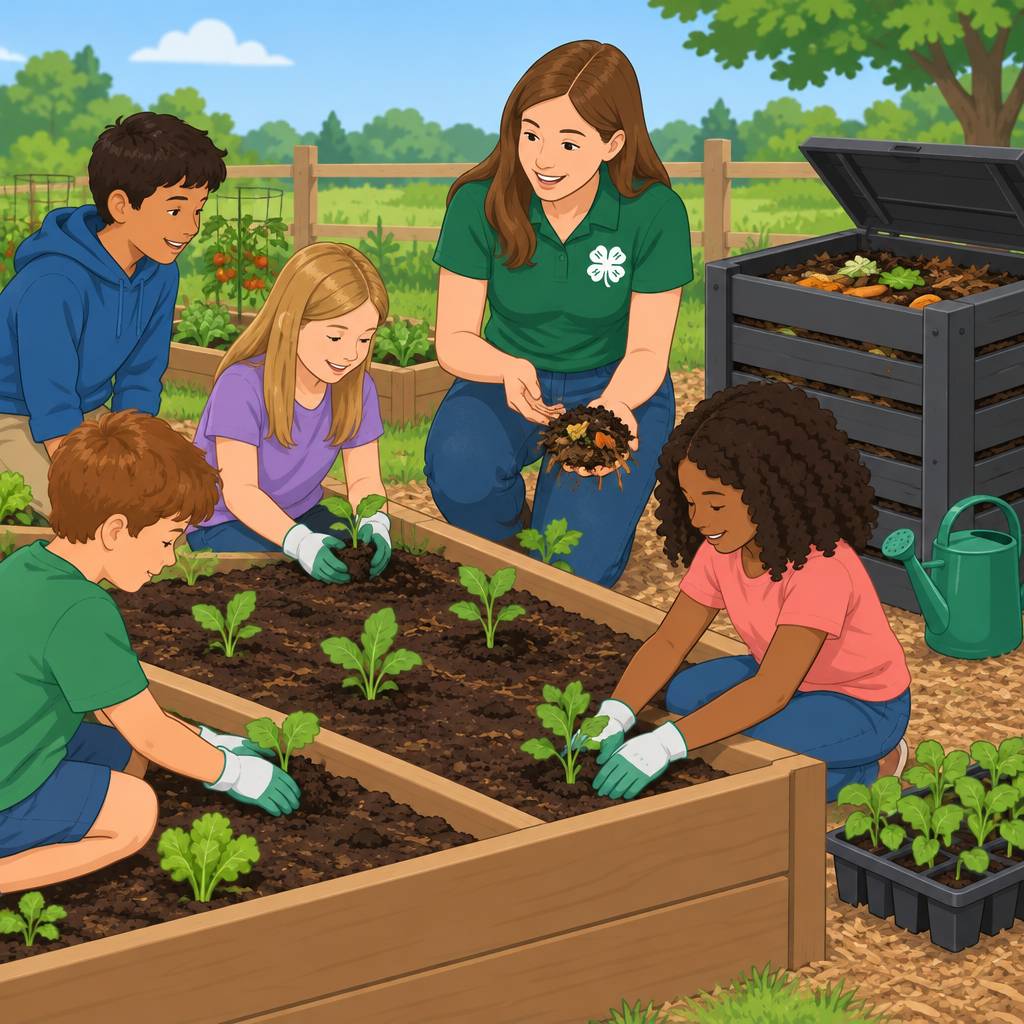
One notable project establishes a school garden program for students.
The agent collaborates with local schools to create raised bed gardens.
Students learn gardening, healthy eating, and sustainability through the program.
Another initiative creates a composting project with a local farmer.
The project reduces food waste and produces nutrient-rich compost for farm soil.
Additionally, farm-to-table events connect community members with locally grown produce.
These events support local farmers while educating the public about sustainable farming practices.
Community and Environmental Impacts
4-H Youth Agent programs raise awareness of sustainable agriculture among youth and community members.
They encourage participants to understand environmental stewardship and responsible resource use.
Furthermore, these initiatives connect agricultural learning with community development and personal health.
Transform Your Career Today
Unlock a personalized career strategy that drives real results. Get tailored advice and a roadmap designed just for you.
Start Now- Increased awareness helps participants understand sustainable agriculture and environmental stewardship.
- Local agriculture and agri-tourism initiatives contribute to rural economic development.
- Environmental programs conserve natural resources and reduce agriculture’s environmental impact.
- Healthy eating initiatives improve access to local, sustainable foods and support better nutrition.
Through these programs, agents strengthen connections between communities, agriculture, and the environment.
Their work helps young people practice sustainability while supporting local agricultural efforts.
These efforts contribute to a more sustainable future for agriculture and surrounding communities.
Delve into the Subject: How to Build a Successful Pest Control Advisory Business
Collaborations with Local Farmers and Organizations
Partnerships help 4-H Youth Agents promote sustainable agriculture.
Local farmers and organizations provide expertise and resources for this work.
These relationships also connect agents with people pursuing similar agricultural goals.
Additionally, collaboration strengthens community engagement and raises awareness of sustainable agriculture.
- Local farmers and organizations provide valuable expertise and resources.
- Collaboration expands agents’ networks among people pursuing similar agricultural goals.
- Partnerships help agents engage communities and explain sustainable agriculture’s importance.
Collaborative Approaches for Advancing Sustainable Agriculture
4-H Youth Agents use several collaborative approaches to advance their sustainable agriculture goals.
These approaches combine education, practical demonstrations, farmer knowledge, and community advocacy.
Consequently, partnerships help agents share sustainable practices with broader audiences.
- Agents partner with farmers and organizations to host workshops and training sessions.
- They implement demonstration projects that showcase sustainable agriculture techniques.
- They facilitate farmer exchanges that share knowledge and sustainable practices.
- They develop educational materials that promote sustainable agriculture within communities.
- They advocate for policies that support sustainable agriculture practices.
These partnerships help 4-H Youth Agents promote sustainable agriculture effectively.
They also support a more resilient food system for future generations.
Explore Further: Navigating Dairy Science Job Markets
Educating the Public About Sustainable Agriculture
4-H Youth Agents use several methods to educate the public about sustainable agriculture.
They connect communities with practical information about responsible agricultural practices.
These efforts help people understand environmental stewardship and sustainable resource use.
Workshops and Seminars
4-H Youth Agents organize workshops and seminars for people interested in sustainable agriculture.
These events allow experts to share knowledge and practical insights with attendees.
Topics include organic farming, water conservation, and emerging agricultural technologies.
Field Days
Field days give participants direct experience with sustainable agricultural practices.
Agents hold these events on farms or agricultural research stations.
Participants observe demonstrations, ask questions, and communicate with farmers and experts.
Farm Tours
Farm tours introduce participants to different approaches to sustainable agriculture.
Visitors may explore small family farms and large commercial operations.
Seeing these settings helps attendees understand environmentally friendly agricultural practices.
Educational Materials and Resources
4-H Youth Agents create resources that explain sustainable agriculture clearly.
These resources include brochures, fact sheets, videos, and online materials.
Accessible information helps the public recognize important agricultural concepts and practices.
School and Community Partnerships
Agents collaborate with schools and community organizations to reach diverse audiences.
They provide educational programs, speaking engagements, and hands-on activities.
These partnerships engage students, teachers, and community members in sustainable agriculture.
They also expand public understanding of agriculture as part of environmental stewardship.
Through these educational methods, 4-H Youth Agents promote awareness of sustainable agricultural practices.
Their public outreach supports a more sustainable and environmentally responsible future.
Delve into the Subject: Collaboration in Entomology: Working with Other Scientists
Success Stories and Case Studies
4-H Youth Agents have led sustainable agriculture projects that benefit communities.
These projects connect agricultural education with practical action.
They also support healthier food systems, stronger local economies, and environmental care.
School Garden Project
One 4-H Youth Agent initiated a school garden project in a rural community.
Transform Your Career Today
Unlock a personalized career strategy that drives real results. Get tailored advice and a roadmap designed just for you.
Start NowThe project taught students about organic farming and sustainable practices.
It also supplied fresh produce for school lunches and encouraged healthy eating habits.
Community Farmers Market
Another 4-H Youth Agent worked with local farmers to establish a community farmers market.
The market gave residents access to fresh, locally grown produce.
It helped small-scale farmers increase income through direct sales.
Environmental Conservation Project
A group of 4-H Youth Agents partnered with conservation organizations in a nearby watershed.
They offered workshops covering soil conservation, water management, and organic farming techniques.
The project reduced soil erosion, improved water quality, and supported sustainable agriculture.
Positive Outcomes and Benefits for the Community
These projects produced several benefits for communities.
They strengthened economic opportunities, food access, and environmental stewardship.
Moreover, their effects reached farmers, students, consumers, and other community members.
Economic Growth
Sustainable agriculture practices helped local farmers increase their income.
Farmers markets and organic farming projects created new economic opportunities.
As a result, these initiatives supported agricultural growth in rural communities.
Food Security
The projects improved access to fresh, nutritious food in underserved areas.
School gardens and farmers markets made healthy produce easier to obtain.
They also helped residents learn about sustainable food production methods.
Environmental Sustainability
4-H Youth Agents promoted farming practices that protect natural resources.
Soil conservation and water management reduced environmental harm.
Organic farming practices also supported biodiversity and long-term ecosystem health.
Challenges Faced by 4-H Youth Agents
4-H Youth Agents face several challenges when they promote sustainable agriculture.
These challenges can limit their outreach, effectiveness, and ability to support agricultural change.
Agents must address financial, educational, social, and policy barriers during their work.
Obstacles to Sustainable Agriculture Practices
Many farmers and communities lack awareness of sustainable agriculture benefits.
As a result, agents may struggle to explain why sustainable methods matter.
Financial limitations, limited training, and existing policies can further restrict adoption.
- Many farmers and communities do not fully understand sustainable agriculture practices or their benefits.
- Farmers may lack the financial resources needed for initial investments in sustainable practices.
- Some farmers prefer traditional methods and resist changes to their established practices.
- Farmers in remote areas may lack access to information and training opportunities.
- Existing policies and regulations may not consistently support sustainable agriculture practices.
These obstacles often affect how quickly communities can adopt sustainable practices.
Therefore, agents must adapt their outreach to each community’s needs and circumstances.
Practical support can help farmers evaluate unfamiliar methods and address concerns.
Strategies for Overcoming Adoption Barriers
4-H Youth Agents can use education, partnerships, technology, and advocacy to address these challenges.
These strategies can improve access to knowledge while strengthening community participation.
Agents can also connect farmers with resources that support sustainable agriculture efforts.
- Agents can conduct educational workshops that explain sustainable practices and their benefits.
- They can collaborate with agencies and organizations that provide financial assistance.
- Strong relationships with farmers and community leaders can build trust and reduce resistance.
- Online resources and mobile applications can improve access to information and training.
- Agents can advocate for policies that support sustainable agriculture practices.
Educational outreach helps communities understand practical ways to support sustainable agriculture.
Meanwhile, partnerships can provide resources that individual farmers may not access alone.
Through these combined efforts, agents can strengthen sustainable agriculture initiatives in their communities.
Future Outlook and Recommendations
As agriculture evolves, 4-H Youth Agents can expand sustainable initiatives through focused education, partnerships, and community action.
These opportunities can strengthen sustainable practices while supporting resilient food systems for future generations.
Therefore, agents should connect growth strategies with practical learning and measurable community participation.
Opportunities for Sustainable Agriculture Growth
Local partnerships can help 4-H Youth Agents apply sustainable practices within farming communities.
School partnerships can introduce younger audiences to agriculture and encourage long-term sustainability.
Transform Your Career Today
Unlock a personalized career strategy that drives real results. Get tailored advice and a roadmap designed just for you.
Start NowTechnology and urban programs can further improve efficiency, food access, and local production.
- 4-H Youth Agents can work with local farmers to implement sustainable practices on their farms.
- Agents can partner with schools to teach students about sustainable agriculture and responsible resource use.
- Technology can help farmers improve efficiency and strengthen sustainability efforts.
- Urban initiatives can address food insecurity and encourage local food production.
- Policy advocacy can support sustainable practices and create conditions for agricultural growth.
Ways 4-H Youth Agents Can Advance Sustainability
Education and outreach can give communities practical knowledge about sustainable agriculture.
Additionally, networking can connect agents with organizations and stakeholders that share agricultural goals.
Hands-on youth engagement can help young people contribute actively to sustainable agriculture.
- Agents can host workshops, seminars, and events that explain sustainable agriculture practices.
- They can build partnerships that expand the reach of sustainable agriculture initiatives.
- Youth can participate in practical learning experiences that promote sustainable agriculture.
- Agents can provide farmers and community members with resources and training.
- Regular evaluation can reveal improvements and measure progress across sustainable agriculture initiatives.
By applying these recommendations, 4-H Youth Agents can strengthen sustainable agriculture and support environmentally conscious communities.
Moreover, continued collaboration can help communities build a more resilient future for generations to come.
Strengthening Sustainable Agriculture Through Youth Leadership
4-H Youth Agents promote sustainable agriculture by teaching young people practical, responsible farming practices.
Through hands-on activities, they help youth understand conservation and environmental stewardship.
Moreover, these mentors guide young people toward responsible decisions that can support agriculture’s future.
Their programs also encourage the next generation of farmers to value natural resources.
Consequently, these agents help shape agricultural practices that respect both communities and the environment.
Supporting their initiatives can strengthen efforts to build a healthier and more resilient agricultural system.
Individuals can contribute by engaging with programs led by 4-H Youth Agents.
In addition, public support can help sustain education focused on conservation and responsible farming.
Together, communities and youth can advance sustainable agriculture and protect the planet’s future.
Join this movement by supporting 4-H Youth Agents and their work with young people.
Additional Resources
Google search results for 4-H Youth Agents: Promoting Sustainable Agriculture Agricultural
Bing search results for 4-H Youth Agents: Promoting Sustainable Agriculture Agricultural


