




Understanding Domestic Violence Survivor Empowerment
Domestic violence affects millions of individuals worldwide.
Survivors often face immense physical, emotional, and psychological challenges.
Therefore, empowerment supports survivors throughout the recovery process.
It helps survivors regain control, rebuild self-esteem, and make positive choices for their futures.
Additionally, empowerment helps survivors overcome past trauma and thrive in their lives.
Education and Resources for Survivors
Education helps survivors recognize domestic violence and understand its effects.
Information about abuse can support informed decisions about safety and recovery.
Resources also connect survivors with immediate assistance and continuing support.
- Information about domestic violence and its effects
- Hotlines, shelters, and support groups for survivors
Domestic violence may involve physical, emotional, or financial abuse.
Learning about the cycle of abuse can clarify patterns within an abusive relationship.
Recognizing warning signs can help survivors address the abuse they experience.
Abuse can affect mental health, physical well-being, and personal relationships.
These effects may continue over time and shape the healing process.
Hotlines provide confidential support and information around the clock.
Shelters offer safe housing for people fleeing abuse.
Support groups give survivors space to connect with people who share similar experiences.
Together, these resources can support healing and recovery.
Self-Care and Trauma Healing
Domestic violence survivors can use self-care to support healing and personal growth.
These practices can reduce stress while helping survivors rebuild control over daily life.
Self-care also encourages attention to physical, emotional, and mental well-being.
Self-Care Practices That Support Recovery
Survivors can choose activities that match their needs, preferences, and recovery goals.
Additionally, regular self-care can strengthen resilience and encourage healthier daily routines.
Support from trusted professionals and peers can make these practices easier to maintain.
- Exercise: Exercise can release pent-up emotions, boost mood, and support overall health.
- Meditation: Meditation can calm the mind, reduce anxiety, and increase self-awareness.
- Therapy: Therapy can provide a safe space for processing experiences and developing coping strategies.
- Art Therapy: Painting or writing can help survivors express emotions through creative activities.
- Support Groups: Support groups can offer community, validation, and peer support during healing.
- Healthy Nutrition: Balanced meals can provide essential nutrients that support physical and mental recovery.
- Sleep Hygiene: Good sleep habits can help survivors rest, recharge, and improve well-being.
- Setting Boundaries: Boundaries can help survivors express needs and create safer, more respectful environments.
- Creative Outlets: Creative hobbies can provide joy, purpose, and self-expression beyond traumatic experiences.
- Time in Nature: Nature can offer calm, connection, and relief from stressful situations.
By practicing self-care, survivors can nurture well-being and reclaim personal strength after trauma.
See Related Content: How Gerontologists Help with Dementia Care
Building a Strong Support System
Fostering a strong support system can empower domestic violence survivors.
Friends, family, and professionals can offer emotional and practical support.
A reliable network can help survivors feel less isolated and overwhelmed.
- Friends, family, and professionals can provide emotional and practical support.
- A support system can help survivors feel less isolated and overwhelmed.
Ways to Build a Support Network
Survivors can begin building support by contacting trusted individuals.
Support groups and therapy can connect survivors with others who understand their experiences.
Local organizations and hotlines can also provide support for domestic violence survivors.
- Encourage survivors to contact trusted individuals for help and guidance.
- Recommend support groups or therapy to help survivors connect with others.
- Provide resources for local organizations or hotlines that support domestic violence survivors.
Reaching out for help can support healing and help survivors regain control of their lives.
Learn More: How School Social Workers Help with Attendance Issues
Empowerment Through Advocacy
Advocacy gives survivors a way to shape their narratives and influence change.
By speaking out, survivors can challenge domestic violence and encourage safer communities.
Additionally, survivors can choose advocacy activities that match their comfort and goals.
- Encourage survivors to speak out against domestic violence and advocate for change.
- Provide information about activism and organizations working to end violence.
Advocacy can include sharing personal stories on social media.
Survivors may also participate in protests or support policy changes.
These activities can help survivors find their voices and influence public conversations.
Support organizations help survivors pursue advocacy while offering services and awareness efforts.
Transform Your Career Today
Unlock a personalized career strategy that drives real results. Get tailored advice and a roadmap designed just for you.
Start NowConnecting survivors with these organizations can provide resources and supportive networks.
These networks can support healing and help survivors move forward.
Whether locally, nationally, or globally, survivors’ voices can contribute to meaningful change.
Through advocacy, survivors can reclaim power, challenge violence, and support safer communities.
Delve into the Subject: Mental Health Technician's Role in Patient Education
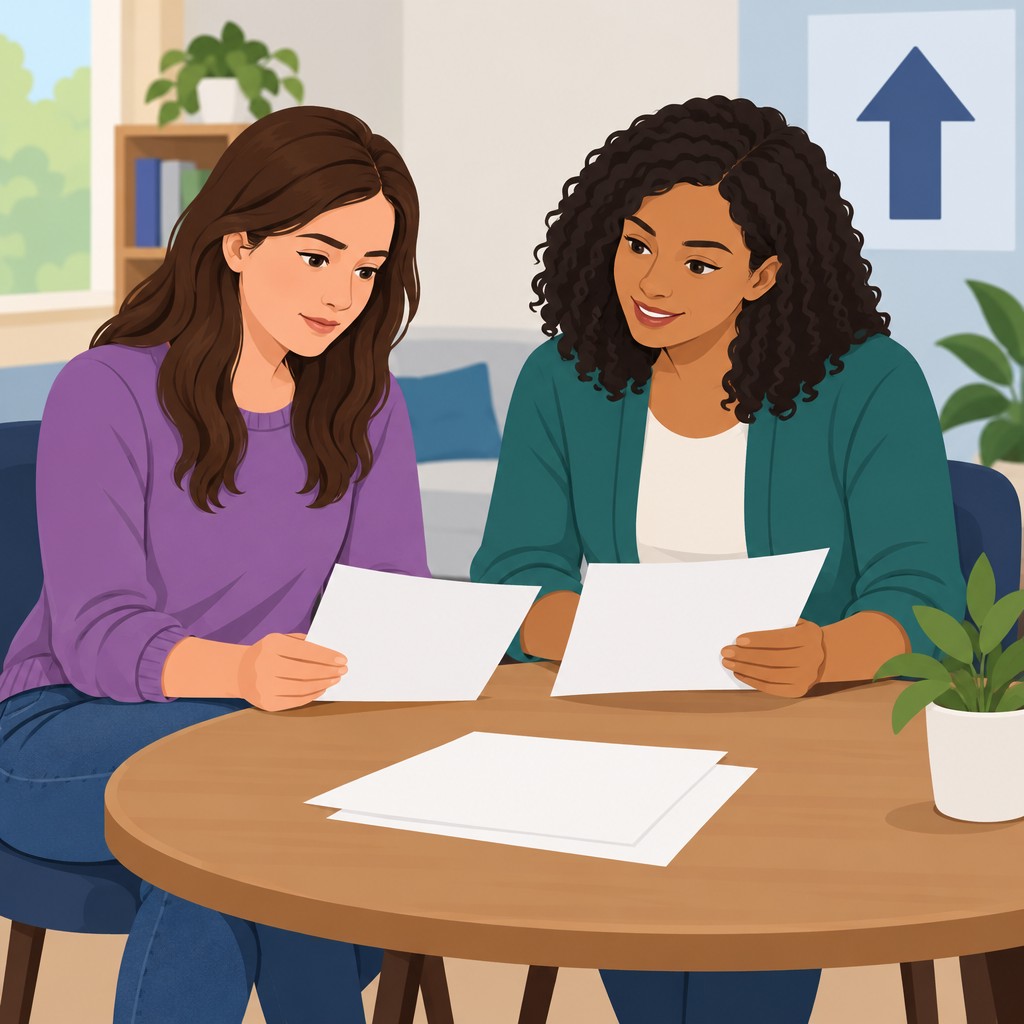
Impact of Domestic Violence on Self-Esteem
Domestic violence can significantly harm a survivor’s self-esteem.
Constant belittling and verbal abuse can erode a person’s self-worth and confidence.
Furthermore, physical violence can deepen these harmful effects.
Self-Esteem Building Practices
Survivors can use several practices to strengthen their self-esteem.
Meanwhile, positive self-talk can challenge harmful messages from abuse.
Supportive relationships and professional guidance can reinforce this personal work.
- Affirmations: Survivors can practice daily affirmations to strengthen self-esteem and encourage positive self-talk.
- Therapy: Survivors can seek therapy or counseling to process trauma and rebuild self-esteem.
- Positive influences: Supportive friends and family members can uplift survivors and validate their worth.
Empowering survivors to build self-esteem supports healing and recovery.
Addressing abuse-related harm helps survivors reclaim their sense of value.
These practices can also encourage greater self-love.
Delve into the Subject: Victim Advocacy in Domestic Violence Cases
Importance of Setting Boundaries in Relationships
- Boundaries establish personal limits and ensure respect from others.
- They create safety and security within relationships.
- Healthy boundaries promote self-worth and self-care.
- They prevent manipulation and control by others.
Strategies for Assertiveness and Setting Healthy Boundaries
- Help survivors identify their needs and values.
- Encourage open communication about feelings and desires.
- Teach effective ways to say “no” and set limits.
- Practice self-compassion and prioritize self-care.
- Use role-play scenarios to build assertiveness skills.
These tools can help survivors regain control over their lives.
They can also help survivors prevent future abuse.
Support and guidance remain essential as survivors assert themselves and set healthy relationship boundaries.
Financial Empowerment for Domestic Violence Survivors
- Financial abuse can devastate domestic violence survivors.
- Recognizing financial control helps explain how abuse can trap survivors.
- Without money or resources, survivors may struggle to leave abusive situations.
- Therefore, financial empowerment helps survivors regain control of their lives.
Financial Abuse and Barriers to Safety
- Abusers commonly use financial abuse to control their victims.
- It may restrict money, monitor spending, or prevent victims from working.
- Consequently, survivors may feel trapped and unable to escape violence.
Building Financial Independence and Confidence
- Financial education helps survivors understand their rights and available options.
- Additionally, budgeting skills support effective money management and future planning.
- Employment or entrepreneurship can help survivors pursue financial independence.
- Financial literacy programs, career training, and job placement services can provide valuable support.
- These resources help survivors build financial skills and confidence while rebuilding their lives.
Collective Commitment to Survivor Empowerment
Empowering domestic violence survivors remains crucial for healing.
Support survivors by listening, validating their experiences, and offering resources.
Additionally, encourage survivors to seek therapy and legal assistance for long-term healing.
Survivors can also practice mindfulness, exercise, and healthy relationships to support ongoing well-being.
Meanwhile, educate yourself and others about domestic violence to help break the cycle.
Communities should advocate for policies and programs that support survivors.
Together, we can help create a world where every survivor feels safe and empowered.
Take action now by responding with compassion and supporting survivor-centered change.


