




Disaster Response Coordinator Salary Expectations
Disaster Response Coordinators help manage emergency response efforts.
They create disaster response plans and coordinate activities with various agencies.
They also ensure effective resource deployment during emergencies.
These professionals support timely and organized disaster responses.
Their work can help save lives and minimize the effects of catastrophic events.
This post examines salary expectations for Disaster Response Coordinators.
It explains the compensation these professionals may expect for managing emergencies and disasters.
Disaster Response Coordinator Responsibilities
Disaster response coordinators organize emergency efforts during disasters.
They help agencies deliver timely and coordinated assistance.
Their work supports organized action when communities face emergencies.
- Coordinate response efforts during emergencies and disasters.
- Collaborate with agencies and organizations involved in disaster response.
- Develop and implement emergency response plans.
- Evaluate and improve response strategies using past experiences.
During emergencies, coordinators work closely with other agencies and organizations.
This cooperation supports a unified and timely response.
They may collaborate with local government agencies and nonprofit organizations.
They also engage other stakeholders involved in disaster response.
Emergency response plans describe the actions required during disasters.
These plans may include evacuation procedures and communication protocols.
They can also establish procedures for allocating available resources.
By implementing these plans, coordinators organize response activities effectively.
After each response, coordinators review the actions taken.
They identify weaknesses and determine where improvements remain necessary.
Then, they adjust response strategies to strengthen future efforts.
This continuous evaluation helps communities prepare for future emergencies.
Factors Affecting Salary Expectations
Several factors shape salary expectations for disaster response coordinators.
These factors include location, qualifications, organization type, and local demand.
Understanding them helps candidates negotiate effectively and assess career opportunities.
- Geographic location of the job
- Level of experience and education
- Size and type of organization
- Demand for disaster response coordinators in the area
Geographic Location of the Job
Job location can significantly influence salary expectations for disaster response coordinators.
High-cost areas often offer higher salaries to offset greater living expenses.
Rural or less populated areas may offer lower salaries because living costs are generally lower.
Level of Experience and Education
Experience and education also influence compensation in this field.
Professionals with more experience often command higher salaries.
Advanced degrees can strengthen salary expectations because employers value specialized knowledge and expertise.
Size and Type of Organization
Organizational size and type further shape salary expectations.
Government agencies, non-profit organizations, and private companies may offer different salary ranges.
Budget constraints, funding sources, and organizational structures influence those differences.
Larger organizations often offer higher salaries because they have more resources.
Demand for Disaster Response Coordinators
Local demand can also affect compensation for disaster response coordinators.
Areas prone to natural disasters may need more skilled coordinators.
High population densities can also increase demand and encourage higher salaries.
Conversely, lower-demand areas may offer less compensation because fewer employers compete for talent.
These factors provide a useful framework for evaluating salary expectations.
Transform Your Career Today
Unlock a personalized career strategy that drives real results. Get tailored advice and a roadmap designed just for you.
Start NowCandidates can use this information when negotiating compensation with potential employers.
Considering these conditions can support informed career decisions in this field.
Learn More: Real Stories: Experiences of CBP Officers
Salary Range for Disaster Response Coordinators
Disaster Response Coordinators often earn competitive pay because employers value their crisis management skills.
Reported annual salaries commonly range from $50,000 to $80,000.
Actual compensation depends on several employment and professional circumstances.
National Salary Estimates
BLS data places the national average salary within the stated $50,000 to $80,000 range.
This estimate provides a broad reference point for people evaluating the profession.
However, individual offers may differ substantially from the national figure.
Experience and Qualifications
Advanced degrees and specialized emergency management training can strengthen a candidate’s earning potential.
Professional certifications may also support higher compensation during salary discussions.
As coordinators gain experience, employers may assign greater responsibility and increase their pay.
Employer and Location Differences
Metropolitan areas often provide higher salaries because living costs tend to be greater.
Rural communities may offer different compensation levels for comparable coordination work.
Government agencies, nonprofit organizations, private companies, and consulting firms may use different pay structures.
Career Growth and Advancement
Coordinators can improve their earnings through advanced training and additional credentials.
Promotions into managerial or leadership roles may produce significant salary increases.
Continued professional development can help workers pursue positions with broader authority and stronger compensation.
Uncover the Details: Post-Retirement Opportunities for Wildland Firefighters
Salary Comparisons With Related Positions
Salary comparisons clarify how Disaster Response Coordinators differ from related emergency management positions.
These comparisons also show why compensation varies with authority, expertise, and assigned duties.
Emergency management directors generally oversee preparedness, response, and recovery efforts.
They often bring broader experience and deeper disaster management expertise, which may support higher compensation.
- Emergency management directors
- Disaster relief coordinators
- Disaster recovery specialists
Disaster Response Coordinators usually focus on coordinating response activities and collaborating with stakeholders.
Consequently, their compensation may differ from positions with broader authority or specialized recovery duties.
Disaster relief coordinators and disaster recovery specialists may perform different functions within disaster management.
Those distinctions can influence salary expectations even when roles support the same emergency mission.
Therefore, candidates should compare responsibilities rather than job titles alone.
Delve into the Subject: State Trooper Eligibility: Age, Education, and More
Benefits and Perks Offered in Addition to Salary
- Healthcare benefits
- Retirement plans
- Professional development opportunities
- Bonus or incentive programs for exceptional performance
Salary negotiations matter, but employers also offer benefits that influence your total compensation.
These benefits can strengthen your financial security and improve your job satisfaction.
Reviewing the full package helps you compare opportunities and negotiate appropriate support.
Healthcare Benefits
Healthcare benefits provide important protection for employees working in demanding field environments.
Comprehensive coverage may include medical, dental, and vision insurance.
Some employers also provide access to wellness programs that support employee health.
This coverage can reduce financial concerns when health needs arise.
Retirement Plans
Retirement plans help employees prepare for long-term financial goals.
Many organizations provide plans such as 401(k) accounts with matching contributions.
A reliable retirement plan can support future financial stability.
Professional Development Opportunities
Professional development helps Disaster Response Coordinators strengthen their skills and advance their careers.
Transform Your Career Today
Unlock a personalized career strategy that drives real results. Get tailored advice and a roadmap designed just for you.
Start NowEmployers may offer training programs, workshops, conferences, or tuition assistance.
These opportunities can expand your knowledge and improve your effectiveness in the role.
Performance Bonuses and Incentive Programs
Performance programs recognize employees who deliver exceptional results.
Some organizations provide bonuses or other incentives for outstanding work.
These rewards can provide additional compensation and acknowledge your dedication.
When evaluating an offer, compare the base salary with every included benefit.
Healthcare coverage, retirement plans, development opportunities, and incentives can substantially improve the package.
Careful review and negotiation can help ensure fair compensation and meaningful workplace support.
Delve into the Subject: Top Tools Used by Crime Scene Investigators Today
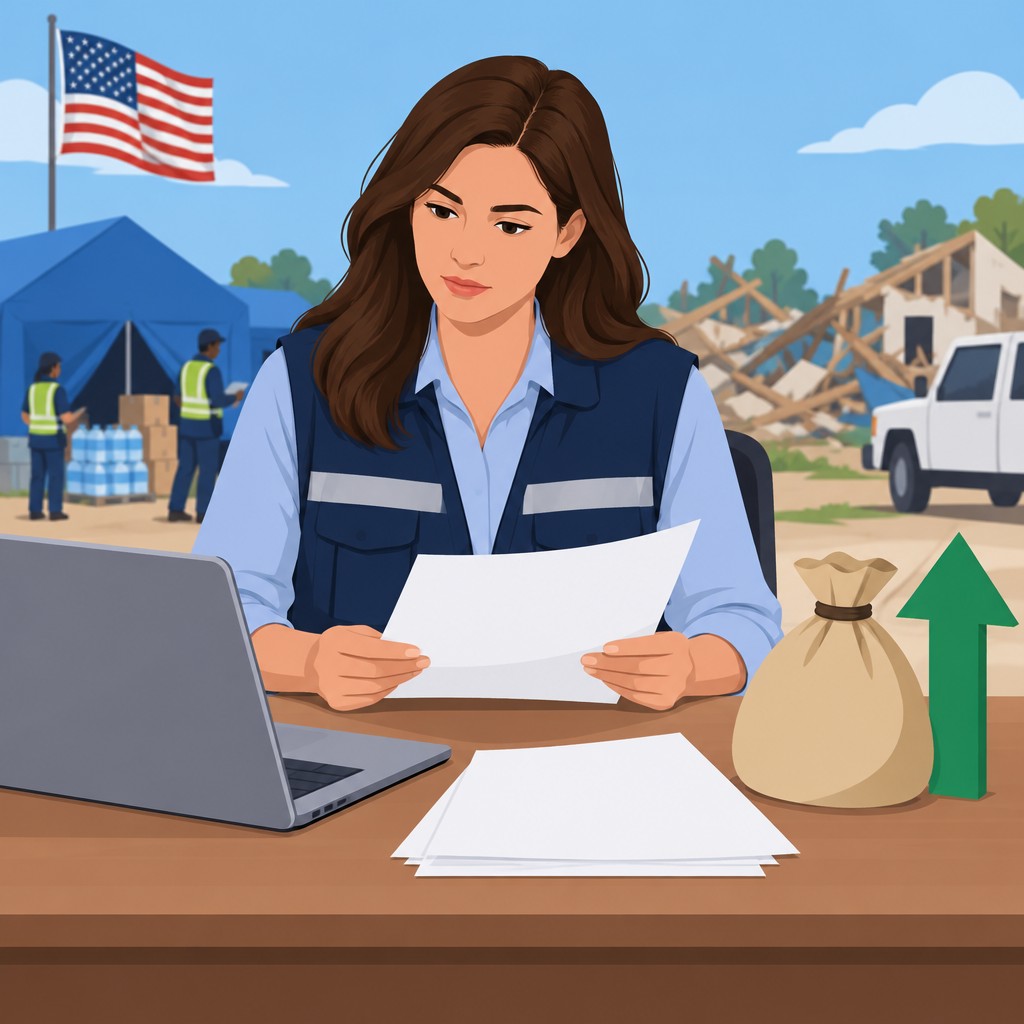
Negotiating Salary as a Disaster Response Coordinator
Salary negotiations require preparation and a clear understanding of your professional value.
Consider both financial compensation and non-monetary benefits during the discussion.
Use your experience, achievements, and future contributions to support your expectations.
Researching Industry Standards
Begin by researching typical compensation for Disaster Response Coordinators in your region.
Review how your skills, experience, and qualifications compare with available industry benchmarks.
Use that comparison to establish realistic and well-supported salary expectations.
- Research the average salary range for Disaster Response Coordinators in your region.
- Compare your qualifications with relevant industry benchmarks.
Highlighting Experience and Achievements
Present your previous disaster response and coordination experience as evidence of your professional value.
Describe emergency response initiatives or disaster recovery projects you successfully supported.
Connect those achievements to the organization’s need for effective coordination and reliable response efforts.
- Emphasize relevant disaster response and coordination experience.
- Showcase successful emergency response initiatives.
- Describe completed disaster recovery projects.
Demonstrating Growth and Organizational Value
Explain how your skills and expertise can support the organization’s success and long-term goals.
Show how your contributions could strengthen coordination and improve organizational results.
Mention additional training or certifications that could expand your capabilities.
- Explain how your expertise can support organizational goals.
- Identify contributions that could add value to the organization.
- Discuss training or certifications that could enhance your capabilities.
Considering Non-Monetary Compensation
Evaluate benefits and workplace features alongside the proposed salary.
Discuss arrangements that support your professional development and personal needs.
Assess whether the organization’s culture and benefits align with your priorities.
- Discuss flexible work arrangements during negotiations.
- Request professional development opportunities when appropriate.
- Evaluate workplace culture and available benefits.
Career Growth Opportunities
Disaster Response Coordinators can pursue several career growth opportunities.
Experience can lead to broader leadership responsibilities, specialized work, and additional professional qualifications.
These paths help professionals strengthen disaster management capabilities and support more effective response efforts.
Advancement to Emergency Management Director Roles
Experienced coordinators can advance to roles such as Emergency Management Director.
These leaders oversee disaster response efforts on a broader organizational scale.
They develop strategies and implement policies that improve preparedness and response.
Specialization in Disaster Management
Coordinators can specialize in natural disasters, man-made disasters, or public health emergencies.
Natural disasters include hurricanes, earthquakes, and floods.
Man-made disasters include terrorist attacks and industrial accidents.
Public health emergencies include pandemics and epidemics.
This focus allows professionals to develop expertise for targeted response efforts.
Continuing Education and Professional Certifications
Continuing education helps coordinators expand their skills and qualifications.
Professionals can pursue certifications such as Certified Emergency Manager.
Others may seek Certified Hazardous Materials Manager certification to demonstrate specialized expertise.
These credentials can support new opportunities and career advancement.
Together, these options help coordinators expand their knowledge and contribute to effective disaster response efforts.
Transform Your Career Today
Unlock a personalized career strategy that drives real results. Get tailored advice and a roadmap designed just for you.
Start NowContext for Disaster Response Coordinator Compensation
Experience and education strongly influence the salary a disaster response coordinator may reasonably expect.
Additionally, location can shape compensation because high-cost-of-living areas may offer higher salaries than rural areas.
Organization size and scope also affect pay, as large, well-funded organizations may offer more than smaller nonprofits.
Therefore, candidates should research compensation and seek a package matching their skills and responsibilities.
Additional Resources
Google search results for Salary Expectations for Disaster Response Coordinators Protective Services
Bing search results for Salary Expectations for Disaster Response Coordinators Protective Services


