




Introduction
CBP officers protect the country’s borders and help ensure national safety.
They enforce laws involving trade, customs, and immigration.
Their responsibilities support secure and lawful border operations.
Brief Explanation of CBP Officers
CBP officers work at ports of entry, airports, and other border crossings.
They inspect travelers, goods, and vehicles entering the country.
Additionally, they help prevent smuggling and human trafficking.
Importance of Sharing Real Stories and Experiences of CBP Officers
Sharing real stories and experiences gives the public insight into officers’ daily challenges.
These accounts clarify the difficulties officers face while performing their duties.
They also help people understand the importance and risks of protecting the country’s borders.
Overview of CBP Officers
CBP officers serve as federal law enforcement professionals who inspect people and goods entering the United States.
They work at airports, seaports, and land border crossings.
Through these duties, they apply immigration and customs requirements at ports of entry.
Duties and Responsibilities
At ports of entry, officers inspect travelers and identify possible threats.
They prevent human trafficking and drug smuggling while supporting lawful travel and trade.
Additionally, officers communicate clearly, notice important details, and make timely decisions under pressure.
These officers also coordinate with other law enforcement agencies to address security concerns and protect public safety.
Training and Qualifications
Applicants must hold U.S. citizenship and pass background, drug, and physical fitness checks.
They also need a bachelor’s degree or relevant work experience.
After selection, recruits train at the CBP Academy in Georgia.
Training covers immigration law, customs regulations, firearms, and risk assessment techniques.
Enforcing Immigration and Customs Laws
CBP officers enforce immigration and customs laws by identifying people who violate these requirements.
They use X-ray scanners, drug-sniffing dogs, and biometric systems to find illegal items and persons.
Furthermore, officers may deny entry and seize contraband while exercising professional judgment.
A Day in the Life of a CBP Officer
Working as a CBP officer requires commitment to safeguarding the country’s borders.
Each duty period combines preparation, observation, inspections, and communication.
These responsibilities create new challenges while supporting secure and lawful border operations.
Description of a Typical Day on Duty
Officers begin duty with a briefing about updates and important information.
Afterward, they patrol border areas and monitor activities that may appear suspicious.
During inspections, they examine vehicles, luggage, and individuals entering the country.
- Officers verify travelers’ documentation and purposes of their visits.
- They collaborate with other law enforcement agencies to support border security.
Challenges and Obstacles Faced
Officers may encounter uncooperative or hostile individuals during inspections.
They must identify smugglers and people with potentially illegal intentions.
Long hours and difficult weather conditions can make these duties more demanding.
- Officers manage high stress while maintaining composure and professionalism.
- They remain vigilant and alert to help prevent security breaches.
Success Stories and Impactful Moments
Thorough inspections can prevent illegal drugs from entering the country.
Officers may also help arrest wanted criminals attempting to flee the country.
Their actions can support victims, families, and broader border security efforts.
- Officers have intercepted human trafficking operations and rescued victims.
- They have reunited families separated by immigration issues.
- Exceptional service and dedication may earn formal recognition.
Although the work remains difficult, it can provide a strong sense of accomplishment.
Every duty period brings fresh challenges and opportunities to make a difference.
Through consistent service, officers help protect borders and support the country’s safety.
Delve into the Subject: Post-Retirement Opportunities for Wildland Firefighters
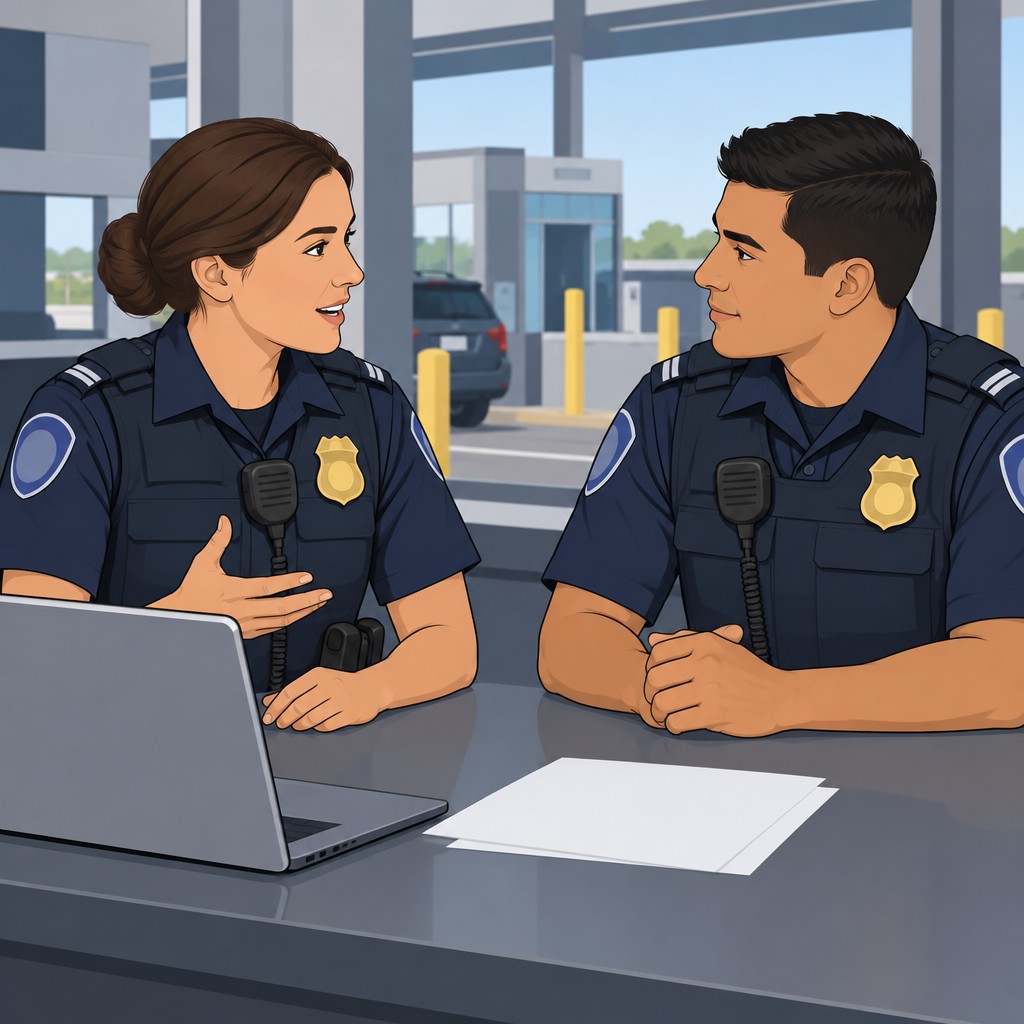
Dealing with Difficult Situations
Encounters with non-compliant individuals can challenge CBP officers.
Transform Your Career Today
Unlock a personalized career strategy that drives real results. Get tailored advice and a roadmap designed just for you.
Start NowHowever, active listening can help officers diffuse tense situations.
Therefore, CBP officers need training in conflict resolution.
Examples of Encounters with Non-Compliant Individuals
Some passengers refuse to follow instructions during secondary inspection.
Additionally, some individuals become aggressive when officers request necessary documents.
Other travelers may attempt to bribe officers to bypass security protocols.
- A passenger refusing to follow instructions during secondary inspection
- An individual becoming aggressive when asked to present necessary documents
- A traveler attempting to bribe an officer to bypass security protocols
Strategies for Diffusing Tense Situations
First, officers should remain calm and composed.
Meanwhile, active listening helps officers understand an individual’s perspective.
If a situation becomes volatile, officers should seek assistance from colleagues.
- Remain calm and composed to avoid escalating the situation
- Use active listening techniques to understand the individual’s perspective
- Seek assistance from colleagues if the situation becomes volatile
The Emotional Toll of the Job
Dealing with difficult individuals can affect CBP officers emotionally.
As a result, officers may experience stress, anxiety, and compassion fatigue.
Support from peers and supervisors remains crucial for officers’ mental well-being.
- Dealing with difficult individuals can take a toll on CBP officers
- Officers may experience stress, anxiety, and compassion fatigue
- Support from peers and supervisors is crucial for mental well-being
Gain More Insights: State Trooper Eligibility: Age, Education, and More
Memorable Experiences at the Border
Working as a CBP officer provides daily contact with diverse travelers and goods.
Each experience presents a unique and memorable situation at the border.
These encounters require knowledge, vigilance, and careful attention to legal requirements.
Interactions with Diverse Travelers and Goods
One fascinating part of this work involves meeting people from many different backgrounds.
Tourists and business professionals each bring distinct stories to the border.
Meanwhile, goods from various countries must comply with specific regulations and restrictions.
Therefore, officers must understand applicable requirements and remain alert during inspections.
Unique Cases and Interesting Discoveries
One memorable case involved a traveler attempting to smuggle exotic animals inside luggage.
The situation required quick thinking and cooperation with other agencies.
On another occasion, an inspection revealed counterfeit goods hidden among legitimate products.
That discovery demonstrated how thorough inspections can help prevent fraudulent activities.
Balancing Security with Legitimate Travel and Trade
CBP officers protect border security while supporting legitimate travel and trade.
This balance requires thorough screening procedures and proactive efforts against illicit activities.
Additionally, officers use advanced technology and training to identify potential threats.
They also respond effectively when suspicious behavior or unusual patterns appear.
Strong partnerships with other law enforcement agencies further support compliance and security.
Through this layered approach, officers protect the nation while facilitating lawful border activity.
Explore Further: Top Tools Used by Crime Scene Investigators Today
Impact of CBP Officers on National Security
CBP officers help safeguard the nation’s borders and protect its citizens.
Furthermore, their vigilance helps prevent potential threats from entering the country.
Their dedication strengthens national security through consistent border protection.
Role in Preventing Terrorism and Illegal Activities
CBP officers serve at the frontline of defense against terrorism and illegal activities.
They identify individuals who may pose threats to national security.
When necessary, officers apprehend individuals connected to those threats.
Collaboration with Other Law Enforcement Agencies
CBP officers work closely with other law enforcement agencies.
Through this cooperation, agencies share intelligence and coordinate their efforts.
As a result, collaboration improves efforts against criminal activities and security threats.
Importance of Upholding Immigration and Customs Laws
CBP officers enforce immigration and customs laws at the nation’s borders.
Transform Your Career Today
Unlock a personalized career strategy that drives real results. Get tailored advice and a roadmap designed just for you.
Start NowMoreover, consistent enforcement maintains the integrity of those borders.
This responsibility supports the safety and security of the country.
Discover More: Real-Life Stories from DEA Agents: Field Experiences
The Value of Sharing CBP Officer Experiences
Sharing real stories from CBP officers clarifies the challenges they face each day.
Moreover, these experiences reveal their dedication and hard work while protecting the nation’s borders.
Therefore, we should support and appreciate CBP officers for keeping the nation safe.
Additional Resources
Google search results for Real Stories: Experiences of CBP Officers Protective Services
Bing search results for Real Stories: Experiences of CBP Officers Protective Services


