Introduction
Wildland firefighters face unique challenges while balancing demanding work and personal life.
The profession requires long hours in challenging conditions.
Moreover, unpredictable assignments can disrupt personal plans.
Firefighters must remain ready to deploy at a moment’s notice.
Consequently, they may struggle to protect time for family, rest, and personal activities.
Meanwhile, wildfire suppression can impose significant physical and mental strain.
Crews often work long shifts in extreme heat, smoke, and rugged terrain.
These conditions can limit opportunities for self-care and relaxation.
Nevertheless, many firefighters value protecting communities and natural resources from wildfire devastation.
Therefore, a healthy balance can help prevent burnout and support overall well-being.
Practical strategies can help firefighters manage demanding work alongside personal life.
Wildland Firefighting and Community Protection
Wildland firefighters combat wildfires in rural, forested, and unincorporated areas.
They contain and suppress flames while protecting property and limiting fire spread.
Their work supports communities and natural landscapes during dangerous wildfire events.
Firefighting Responsibilities and Team Coordination
Firefighters clear brush and debris to create firebreaks.
They cut trees with hand tools, including axes and chainsaws.
Teams coordinate tactics and safety while monitoring changing fire conditions.
- Clear brush and debris to create firebreaks
- Use axes and chainsaws to cut down trees
- Operate bulldozers to construct fire lines
- Monitor weather conditions and fire behavior
- Coordinate team efforts to maintain safety
Physical and Mental Demands
Firefighters endure physically demanding work in harsh environments.
They carry heavy equipment across rugged terrain while maintaining physical fitness.
Firefighters remain alert during stressful situations and cope with witnessing destruction and loss.
- Endure long periods of demanding physical work
- Carry heavy equipment over rugged terrain
- Maintain peak physical fitness
- Remain focused during high-stress situations
- Cope with the psychological toll of destruction and loss
Unpredictable Conditions and Extended Shifts
Wildfires can change rapidly as weather conditions shift.
Firefighters adjust tactics by observing weather and fire behavior.
They may work long shifts for several days while containing and extinguishing fires.
These firefighters protect communities and natural landscapes despite serious risks and personal sacrifices.
Importance of Work-Life Balance for Wildland Firefighters
Wildland firefighters perform physically and mentally demanding tasks during their work.
Therefore, they need balance between professional duties and personal responsibilities.
Without that balance, firefighters may experience serious effects on their health and well-being.
- Wildland firefighters face physically and mentally demanding tasks in their line of work.
- Maintaining a healthy balance supports their overall well-being.
- Ignoring personal needs can create serious consequences for wildland firefighters.
Benefits of a Healthy Work-Life Balance
Effective time management helps wildland firefighters handle work and personal commitments.
Additionally, rest and time with loved ones support mental and emotional health.
As a result, balance can reduce stress, prevent burnout, and improve job performance.
- Effective time management helps firefighters prioritize professional and personal responsibilities.
- Rest, recovery, and time with loved ones strengthen mental and emotional health.
- A balanced life can reduce stress and support stronger performance at work.
Consequences of Neglecting Personal Well-Being
Overworking without breaks can leave wildland firefighters physically exhausted.
Furthermore, exhaustion can increase the risk of workplace injuries.
Neglecting relationships and self-care can also harm emotional health and quality of life.
- Continuous work without adequate breaks may cause physical exhaustion.
- Physical exhaustion can increase the risk of injury during demanding tasks.
- Neglected relationships may cause isolation and loneliness among wildland firefighters.
- Ignoring self-care can create long-term effects on mental health and quality of life.
Effects of Stress and Burnout on Performance
High stress can impair decision-making and increase the likelihood of mistakes.
Meanwhile, burnout can reduce motivation, job satisfaction, and resilience during difficult work.
Chronic stress may also contribute to physical conditions such as heart disease and hypertension.
- Stress can weaken decision-making abilities and increase workplace errors.
- Burnout can reduce job satisfaction, motivation, and coping abilities.
- Chronic stress and burnout may contribute to heart disease and hypertension.
Discover More: Emergency Management Director: Career Path and Education
Strategies for Achieving Work-Life Balance
Wildland firefighters can protect their well-being by prioritizing personal time.
Self-care supports overall health and helps prevent burnout.
Additionally, consistent personal time can support a fulfilling life beyond work.
Transform Your Career Today
Unlock a personalized career strategy that drives real results. Get tailored advice and a roadmap designed just for you.
Start NowPractical Tips for Wildland Firefighters
Firefighters can schedule self-care activities alongside their professional responsibilities.
They can also protect personal time by setting clear boundaries.
Meanwhile, communication helps loved ones understand their needs and provide support.
- Allocate time for exercise, meditation, or hobbies.
- Set boundaries between work and personal life.
- Communicate regularly with loved ones about work.
- Take breaks during shifts to recharge.
Ways to Manage Stress and Prevent Burnout
Mindfulness can help firefighters remain present during demanding periods.
Furthermore, enjoyable activities outside work can encourage relaxation.
Professional assistance can provide support when burnout or mental health concerns arise.
- Practice mindfulness techniques to reduce anxiety.
- Seek professional help for burnout symptoms or mental health concerns.
- Enjoy activities that promote relaxation outside work.
- Stay connected with coworkers for emotional support.
Importance of Setting Boundaries and Seeking Support
Clear boundaries help firefighters preserve time for personal needs.
Firefighters can communicate those needs with coworkers and supervisors.
In addition, colleagues and loved ones can offer valuable emotional support.
A strong support system can help firefighters manage demanding experiences.
By combining self-care, stress management, boundaries, and support, firefighters can protect their well-being.
These strategies can also help them enjoy personal life alongside their careers.
Discover More: TSA Officer Recruitment Events and Career Fairs
Time Management Techniques for Wildland Firefighters
Wildland firefighters can manage demanding schedules by organizing work and personal responsibilities carefully.
These techniques help them focus on essential duties while preserving time for recovery and personal activities.
Additionally, a practical plan can reduce confusion when assignments and deadlines compete.
- Prioritize tasks according to importance and deadlines.
- Set realistic goals for each day to make workloads manageable.
- Use to-do lists or digital calendars to track tasks and deadlines.
- Avoid multitasking because focused attention supports quality work.
- Schedule downtime and breaks throughout the day to recharge and maintain focus.
Benefits of Task Prioritization and Realistic Goals
Prioritizing tasks helps wildland firefighters direct their energy toward the most important responsibilities.
Realistic goals also create a clearer path through demanding workloads.
As a result, firefighters can manage responsibilities with greater control and less unnecessary pressure.
- Focusing on important tasks first can increase productivity.
- A clear plan can reduce stress and feelings of being overwhelmed.
- Regular planning can strengthen time management skills and efficiency.
- Completing tasks can create a sense of accomplishment and motivation.
- Effective scheduling can support both work responsibilities and personal activities.
Scheduling Downtime and Taking Breaks
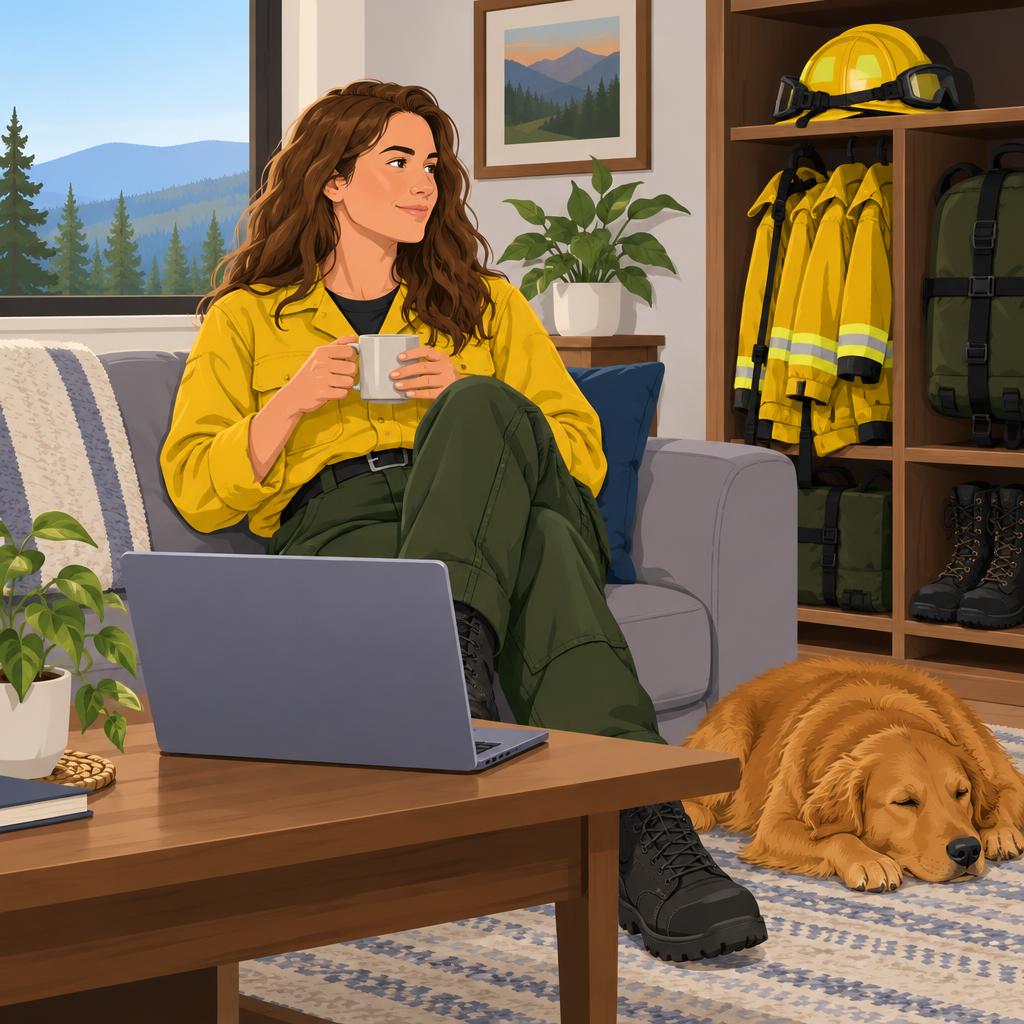
Wildland firefighting places significant physical and mental demands on personnel.
Therefore, firefighters should schedule downtime and take breaks whenever their responsibilities allow.
These pauses help them restore energy and return to tasks with renewed attention.
- Taking breaks can help prevent burnout and maintain performance.
- Short pauses can improve focus and concentration after demanding tasks.
- Stepping away from work can encourage creativity and fresh ideas.
- Regular breaks can support mental and physical well-being.
- Scheduled recovery time can help firefighters build resilience to stress and adversity.
These practices help wildland firefighters support productivity, recovery, and personal responsibilities.
Gain More Insights: Campus Security Officer: Conducting Safety Workshops
Importance of Pursuing Hobbies and Interests
Hobbies give wildland firefighters meaningful activities beyond their demanding professional responsibilities.
Additionally, outside interests provide a needed break from the stress associated with firefighting.
These activities can help firefighters unwind, relax, and recharge between demanding assignments.
Furthermore, personal interests allow firefighters to explore different aspects of themselves.
Ideas for Hobbies and Activities
Firefighters can choose hobbies that support relaxation, creativity, movement, or personal connection.
For example, outdoor activities can maintain a connection with nature during personal time.
Creative and quiet activities can also help firefighters shift attention away from work.
- Hiking and camping offer opportunities to explore the outdoors and connect with nature.
- Photography lets firefighters capture moments from their adventures or everyday lives.
- Gardening creates a peaceful home sanctuary while encouraging care for plants and flowers.
- Reading provides an escape into a good book and helps relax the mind.
- Cooking or baking encourages recipe experimentation while providing nourishing meals.
Benefits of a Healthy Work-Life Balance
A healthy balance supports job satisfaction and personal happiness.
Moreover, regular time for hobbies can help firefighters feel fulfilled, motivated, and energized professionally.
This balance can also help prevent burnout and strengthen relationships with colleagues and loved ones.
Discover More: Future Trends in Customs and Border Protection
Protecting Well-Being Beyond the Fireline
Balancing work and personal life helps wildland firefighters protect their overall well-being.
Wildland firefighters should prioritize self-care and establish clear boundaries between professional duties and personal life.
Additionally, they must protect their physical and mental health while working in this demanding profession.
Additional Resources
Google search results for Balancing Work and Life as a Wildland Firefighter Protective Services
Bing search results for Balancing Work and Life as a Wildland Firefighter Protective Services
Transform Your Career Today
Unlock a personalized career strategy that drives real results. Get tailored advice and a roadmap designed just for you.
Start Now