




DEA Agents and Drug Trafficking Enforcement
DEA agents combat drug trafficking and related crimes.
They work on the front lines against illegal drugs.
Their efforts aim to disrupt criminal organizations and protect communities.
Insights from Real-Life Experiences
Real-life accounts reveal the daily challenges DEA agents face.
These experiences offer practical insight into drug trafficking investigations.
They can also inform strategies for combating trafficking more effectively.
Infiltrating a Drug Cartel
Agents may infiltrate drug cartels during high-risk investigations.
They build trust while gathering evidence against criminal organizations.
Careful planning and team coordination support these operations.
Raiding a Meth Lab
Agents sometimes raid meth labs to stop illegal production.
They navigate hazardous materials and confront armed suspects.
Quick thinking and precise execution help them manage these dangerous operations.
Conducting Undercover Operations
Undercover operations help agents gather intelligence on drug traffickers.
Agents may pose as buyers or sellers during investigations.
They adapt to changing situations while protecting their cover under pressure.
Lessons for Drug Enforcement Efforts
These experiences show the complexity and danger of drug trafficking work.
Understanding these challenges can help communities support DEA efforts.
Such support can contribute to safer communities and efforts against illegal drugs.
Training and Preparation
DEA agents complete demanding physical and mental training programs.
Their preparation develops tactical abilities, investigative knowledge, and effective communication.
Rigorous fitness standards also prepare agents for operational demands.
- DEA agents undergo intense physical and mental training.
- They learn tactics, surveillance, firearms, and self-defense techniques.
- Agents also study drug laws, investigation procedures, and case management.
- While training, agents must pass rigorous physical fitness tests.
- Training emphasizes teamwork, communication, and critical thinking skills.
Skills and Knowledge Required for DEA Operations
DEA agents apply investigative skills when examining cases and gathering information.
They analyze details and adapt their approach as situations change.
Strong communication supports cooperation with informants and other agencies.
- DEA agents need strong investigative and analytical skills.
- They must adapt quickly to changing situations.
- Knowledge of drug trafficking organizations and trends remains essential.
- Agents must remain detail-oriented while gathering evidence effectively.
- Communication skills support work with informants and other agencies.
Undercover Access to a Cartel
DEA agents John and Sarah spent months building trust with cartel members in Mexico.
They posed as buyers and gained access to the organization’s inner workings.
Meanwhile, they gathered crucial intelligence for a major bust.
However, they faced constant threats because one mistake could expose their identities.
Risks During Covert Operations
John and Sarah navigated deception while watching for signs of suspicion.
Furthermore, they operated secretly without immediate support or assistance.
Their false identities also created significant emotional and psychological pressure.
- Agents risk discovery, which can place their lives in immediate danger.
- Secret operations can isolate agents from backup and other assistance.
- Maintaining a false identity can create intense psychological stress.
- Violent cartel members can threaten agents operating inside their organization.
- Legal responsibilities can create ethical uncertainty while agents maintain cover.
You Might Also Like: Emergency Management Director: Career Advancement Tips
International Coordination Against Drug Trafficking
DEA agents coordinate with international law enforcement agencies to address drug trafficking across borders.
This cooperation helps agents gather intelligence, share resources, and support joint operations.
In addition, partnerships can expose criminal networks operating across multiple jurisdictions.
- DEA agents collaborate with Interpol to locate traffickers who flee to other countries.
- Foreign agencies share information that helps identify smuggling routes and distribution networks.
- Joint investigations have helped dismantle major cartels and seize large quantities of illegal drugs.
Examples of Cross-Border Operations
Operation Archangel joined DEA agents with Mexican authorities against a cartel smuggling drugs across the US-Mexico border.
Through intelligence sharing, both agencies arrested key cartel members and seized millions of dollars worth of illegal drugs.
The operation disrupted the cartel’s supply chain and weakened its activities.
- Operation Trident brought DEA agents and Colombian authorities together against a major trafficking organization.
- That organization shipped cocaine to the US and Europe.
- Their coordinated work dismantled the organization and reduced cocaine trafficking from Colombia.
These operations show how international partnerships can disrupt trafficking networks and apprehend important participants.
Moreover, coordinated enforcement warns criminal organizations that global drug trafficking can face consequences.
Transform Your Career Today
Unlock a personalized career strategy that drives real results. Get tailored advice and a roadmap designed just for you.
Start NowSuch efforts support broader attempts to reduce illegal drug flows across borders.
See Related Content: How DNA Analysis Revolutionized Forensic Science
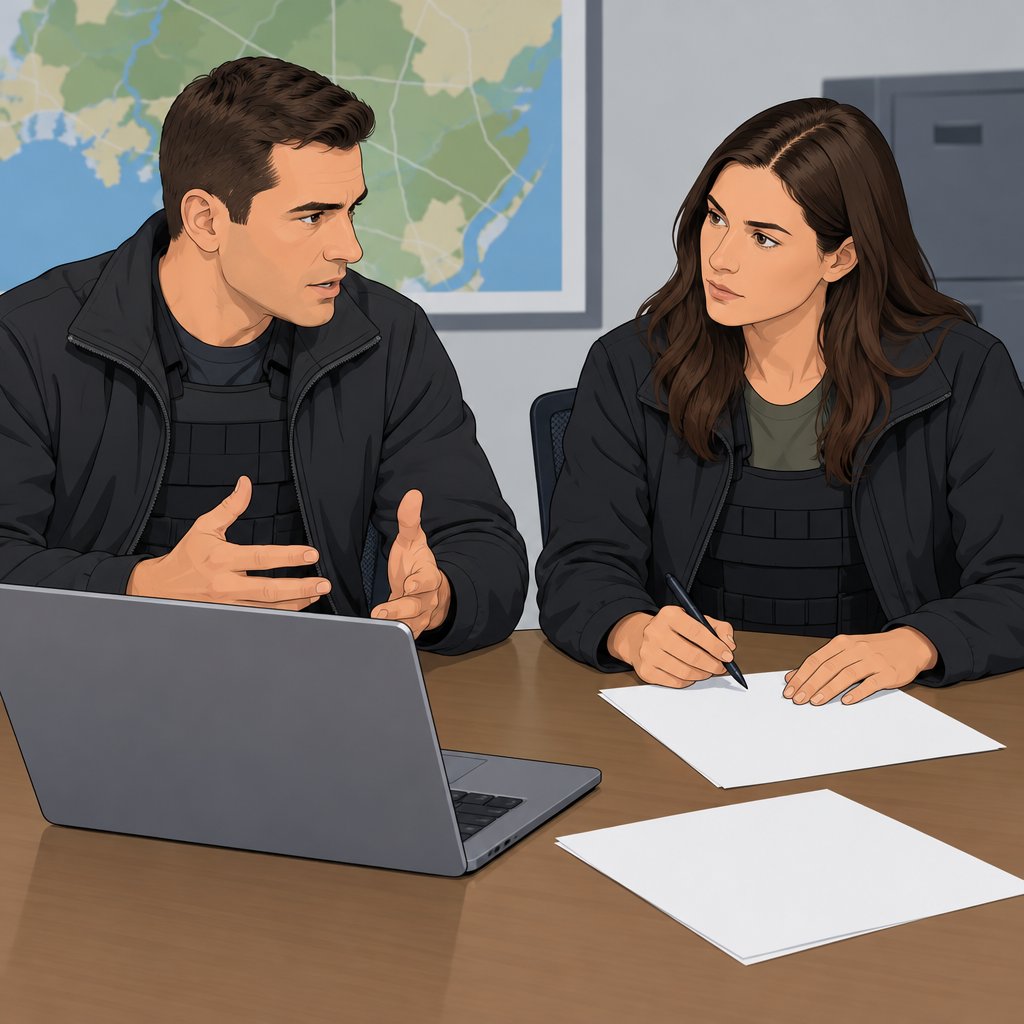
Raid Operations Against a Drug Trafficking Ring
DEA raid operations require careful planning, coordinated action, and significant courage.
Agents use investigative methods to target organized trafficking groups.
These operations can disrupt criminal networks and protect affected communities.
Operation Takedown
Operation Takedown targeted a notorious drug trafficking ring operating across state lines.
The organization had operated for years and maintained a strong internal structure.
Agents also knew the traffickers had previously engaged in violent confrontations with law enforcement.
Strategies Used During the Operation
Investigators combined intelligence gathering, surveillance, interagency cooperation, and tactical preparation.
These methods helped agents identify important participants and understand the organization’s activities.
Meanwhile, tactical personnel prepared to respond if the raid became dangerous.
- Agents conducted undercover work for months and gathered information about key participants and operations.
- Investigators used surveillance techniques to monitor the traffickers’ movements and activities.
- The DEA worked with local law enforcement agencies to combine resources and expertise.
- A SWAT team remained available to provide tactical support during the raid.
On the raid day, agents moved against the traffickers’ stronghold.
The confrontation became chaotic as both sides exchanged gunfire.
Agents followed their training and neutralized the immediate threats.
Results and Community Effects
The operation produced arrests, evidence seizures, and legal proceedings against the trafficking organization.
Authorities also removed drugs, weapons, and cash from the organization’s control.
These actions significantly disrupted the ring’s operations.
- Agents arrested several high-profile members, including the organization’s kingpin.
- Authorities seized large quantities of illicit drugs, weapons, and cash.
- The operation contributed to fewer drug-related crimes and violent incidents within the community.
- Prosecutors pursued charges against the arrested individuals under applicable law.
Operation Takedown demonstrated how coordinated enforcement can challenge entrenched trafficking organizations.
The arrests and seizures weakened the group’s ability to continue its activities.
For local residents, the operation offered renewed hope for greater safety and justice.
Learn More: Community Engagement by State Troopers
Managing Informant Relationships
- Informants provide critical information during DEA investigations.
- Agents must carefully manage informant relationships to maintain cooperation.
- Building and maintaining trust with informants remains an ongoing challenge.
- Agents must protect informants while supporting investigative objectives.
A Trust-Based DEA Partnership
One memorable experience involved Agent Smith and his informant, Carlos.
Carlos chose to change his life and help the DEA.
He provided support against a major drug cartel.
Smith approached Carlos cautiously because informant relationships involved significant risks.
Over time, their work on several operations built mutual trust.
Carlos supplied information about cartel operations and important participants.
His insights helped the agency make arrests and seizures.
Those actions disrupted the cartel’s activities.
Maintaining Carlos’s trust remained difficult despite their success.
Smith repeatedly reassured Carlos about his safety.
He also protected Carlos’s identity from possible cartel retaliation.
During one risky operation, Carlos faced grave danger after someone nearly exposed his cover.
Smith intervened quickly, protected Carlos, and reaffirmed their partnership.
Their relationship showed how informant work requires trust, communication, and shared commitment.
Informants can provide critical information during investigations.
Agents must manage these relationships carefully to maintain cooperation.
These responsibilities require dedication and resilience from DEA agents.
See Related Content: Counterterrorism Specialist: Developing Analytical Skills
Rapid Response During an Ambush
DEA agents faced an ambush by armed drug traffickers during a raid.
Transform Your Career Today
Unlock a personalized career strategy that drives real results. Get tailored advice and a roadmap designed just for you.
Start NowAlthough outnumbered and outgunned, they stayed calm and assessed the situation quickly.
They took cover behind vehicles and returned fire, disabling several assailants.
Then they called for backup and waited for support before moving forward.
Their decisions reflected a careful evaluation of risks and available responses.
They selected the safest course for addressing the immediate threat.
Meanwhile, clear communication helped them coordinate their actions.
Each agent shared updates, helping the team maintain a common understanding.
They also followed strict protocols, including continuous contact with headquarters.
Additionally, protective gear and tactical maneuvers supported their safety.
Their training and experience guided them through the intense encounter.
Teamwork and quick thinking helped them overcome the danger and complete the mission.
The agents emerged from the encounter without injuries.
DEA operations can affect agents’ personal lives in significant ways.
Although agents serve demanding roles, their work often reaches beyond official duties.
These pressures can shape family routines, relationships, and personal well-being.
Sacrifices Affecting Family Life
DEA agents often work long hours, so they sacrifice time with their families.
They may miss family events, holidays, and special occasions because work demands their attention.
Frequent assignments can strain relationships with spouses, children, and other family members.
- DEA agents often work long hours, so they sacrifice time with their families.
- They may miss family events, holidays, and special occasions because work demands their attention.
- Frequent assignments can strain relationships with spouses, children, and other family members.
- Moreover, agents may relocate often, uprooting families and disrupting established routines.
Challenges Affecting Personal Well-Being
Balancing professional demands with family responsibilities remains difficult for many agents.
Furthermore, high-stress assignments can create emotional and mental strain within relationships.
Agents may also feel guilty when work prevents them from supporting loved ones.
- Balancing professional demands with family responsibilities remains difficult for many agents.
- Furthermore, high-stress assignments can create emotional and mental strain within relationships.
- Agents may also feel guilty when work prevents them from supporting loved ones.
- Constant exposure to danger and trauma can affect agents’ mental health and overall well-being.
Despite these sacrifices, DEA agents continue working to protect and serve their country.
Therefore, recognizing these personal costs helps communities appreciate their service.
When people see agents in action, they should remember the private impact of that work.
Field Experiences of DEA Agents
Working as a DEA agent requires commitment to justice and community protection.
Agents accept serious risks while confronting drug-related crimes in demanding field conditions.
One agent described breaching a cartel hideout, where danger and adrenaline accompanied multiple arrests.
Persistence Under Pressure
Another agent conducted surveillance for weeks, carefully gathering evidence against a major drug trafficking ring.
That persistence and planning supported a significant bust.
Meanwhile, field challenges include threats, deception, and high-stakes situations.
Quick thinking and teamwork help agents navigate danger and achieve successful outcomes.
Despite these risks, agents remain dedicated to protecting society from drug abuse.
Their commitment offers hope in the continuing fight against narcotics.
Their stories illuminate sacrifices and the vital role they play in safeguarding communities.
Additional Resources
Google search results for Real-Life Stories from DEA Agents: Field Experiences Protective Services
Bing search results for Real-Life Stories from DEA Agents: Field Experiences Protective Services


