




Introduction
Understanding cybersecurity is crucial for modern bodyguards.
Cybersecurity helps bodyguards protect their clients effectively.
Cyber threats are increasing in today’s digital world.
Understanding Cyber Threats
Bodyguards face several cyber threats while protecting themselves and their clients.
These threats can target confidential information, devices, communications, and secure systems.
Recognizing common attack methods helps bodyguards respond to potential security risks.
- Social Engineering: Attackers manipulate individuals into disclosing confidential information or granting unauthorized system access.
- Phishing Attacks: Fraudulent emails or messages deceive individuals into providing sensitive information.
- Malware: Viruses, ransomware, and spyware can infect devices and compromise security.
- Denial of Service Attacks: Attackers overwhelm systems with traffic, making them unavailable to users.
- Man-in-the-Middle Attacks: Hackers intercept communications to steal data or inject malicious code.
Importance of Staying Informed
Staying informed helps bodyguards recognize emerging threats and address vulnerabilities before attackers exploit them.
Knowledge of potential attacks also supports proactive protection for bodyguards and their clients.
Current information enables relevant training, stronger preparedness, and effective responses as cyber threats evolve.
- Early Detection: Awareness of new threats helps bodyguards identify and address vulnerabilities before exploitation occurs.
- Preventative Measures: Threat knowledge helps bodyguards take proactive steps to protect themselves and their clients.
- Training and Education: Understanding cyber threats supports training that strengthens bodyguards’ skills and preparedness.
- Client Protection: Current knowledge helps bodyguards safeguard clients’ sensitive information and assets.
- Adaptability: Ongoing awareness helps bodyguards adjust and respond effectively to new challenges.
Importance of Encryption
Encryption helps secure communication devices and sensitive information.
Bodyguards use encryption to limit unauthorized access to conversations and data.
It also encodes transmitted information, making intercepted content difficult to decipher without a key.
- Encrypting Communication Devices: Bodyguards encrypt communication devices to keep conversations and data confidential.
- Protection from Cyber Attacks: Encryption protects sensitive information by encoding data transmitted between devices.
Modern bodyguards should understand encryption and apply it during their daily security practices.
This knowledge strengthens protection for bodyguards and their clients against potential cyber threats.
See Related Content: Wildland Firefighter Role in Community Education
Social Engineering Awareness
Social engineering uses deception to manipulate people into revealing confidential information.
Hackers exploit human behavior to access sensitive data or systems.
Therefore, bodyguards need awareness of these tactics when protecting clients.
Common Social Engineering Tactics
Phishing emails imitate legitimate sources and encourage recipients to click malicious links or share personal information.
Pretexting creates a false situation while the attacker pretends to be trustworthy.
Baiting offers something appealing, such as a free download, in exchange for sensitive information.
Meanwhile, tailgating occurs when someone follows an authorized person into a secured area without permission.
Training Bodyguards to Counter Social Engineering
Bodyguards protect clients from physical threats and also help safeguard sensitive information.
By learning these tactics, bodyguards can assess risks involving client data or systems.
Recognizing warning signs helps them prevent unauthorized access.
Additionally, effective response training strengthens client security.
Cybersecurity best practices can also help prevent costly data breaches and protect client reputations.
Awareness of emerging techniques supports proactive defense against social engineering attacks.
This vigilance can improve client safety and reduce risks to sensitive information.
You Might Also Like: Counterterrorism Specialist: Collaborative Investigations
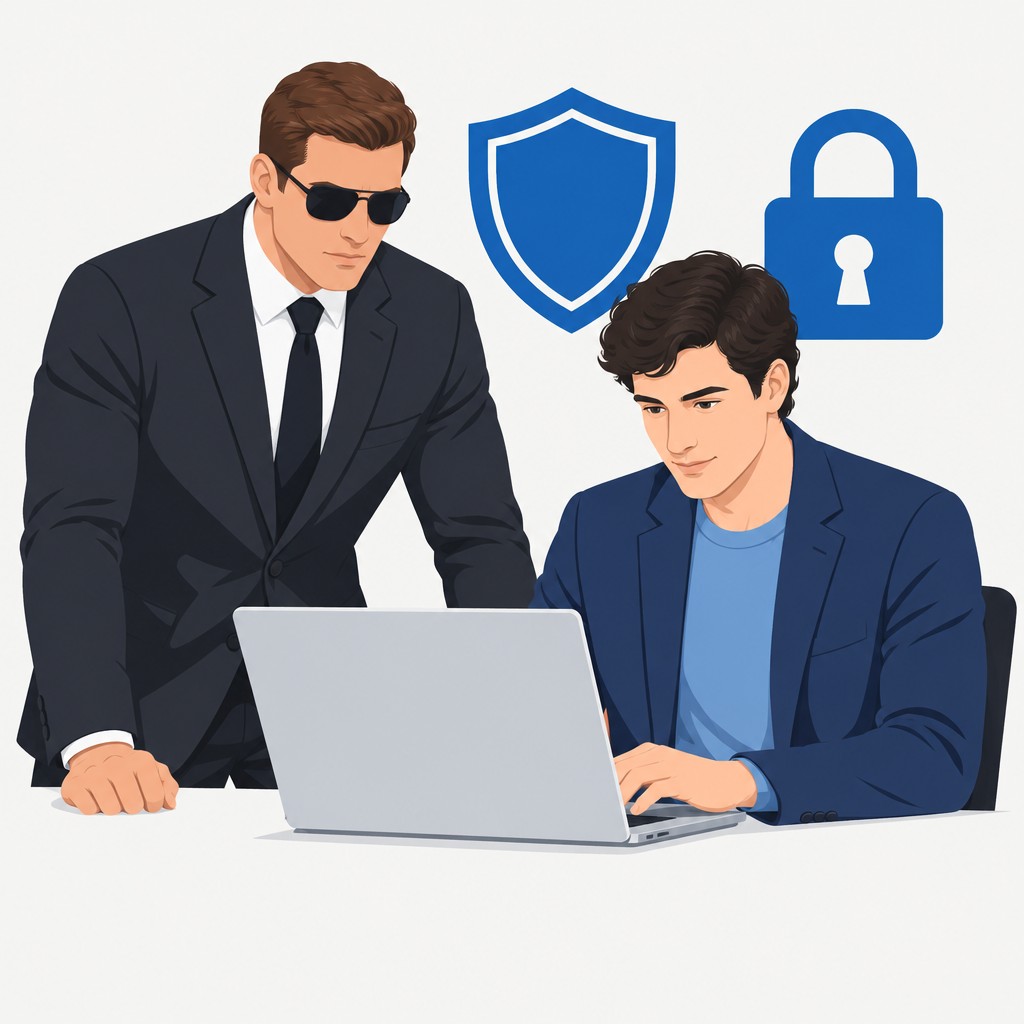
Implementing Secure Communication Protocols
Secure communication protocols help bodyguards protect sensitive information.
They also support secure communication between bodyguards, their teams, and clients.
Secure channels help prevent unauthorized access and eavesdropping during sensitive conversations.
They also support data integrity and confidentiality.
Bodyguards can use several protocols and tools to protect digital communication.
- Secure Socket Layer (SSL) encrypts data transmitted over the internet.
- Virtual Private Network (VPN) creates an encrypted connection over public networks.
- Secure Hypertext Transfer Protocol (HTTPS) encrypts data between websites and browsers.
- PGP provides encryption and authentication for email communication.
- Signal provides end-to-end encryption for text, voice, and video communication.
- Tor routes internet traffic through servers to protect anonymity and privacy.
Find Out More: Women in the Bomb Squad Technician Field
The Importance of Cybersecurity Training for Bodyguards
Cybersecurity training prepares bodyguards for threats that continue to evolve.
Because attackers change their methods, bodyguards must keep pace with new risks.
Protecting a client also includes safeguarding sensitive information from unauthorized access.
- Changing cyber threats require bodyguards to maintain current awareness.
- Client protection extends to online safety and sensitive information.
- Strong cybersecurity practices help reduce the risk of information theft.
Continuous Learning and Skill Updating
Continuous learning helps bodyguards maintain effective cybersecurity skills.
Transform Your Career Today
Unlock a personalized career strategy that drives real results. Get tailored advice and a roadmap designed just for you.
Start NowTechnology advances create new challenges that require regular skill updates.
Meanwhile, changing attacker tactics demand adaptable security practices.
- Technology advancements introduce cybersecurity challenges that bodyguards must address.
- Updated skills help bodyguards respond to changing attacker tactics.
- Ongoing education supports the use of current security measures.
Gain More Insights: Wildland Firefighter Preparedness Drills
Using VPNs for Secure Internet Browsing
Virtual Private Networks (VPNs) help modern bodyguards secure their online activities.
VPNs can enhance online security in several ways.
- VPNs encrypt internet traffic, making it virtually impossible for hackers to intercept data.
- They mask the user’s IP address, which helps prevent online activity tracking.
- VPNs secure connections to public Wi-Fi networks and protect against potential threats.
- They can bypass geographic restrictions and provide access to restricted content.
- VPNs add security when bodyguards access sensitive client information.
Bodyguards should use VPNs when accessing sensitive information online.
This practice provides several important security benefits.
- VPN encryption prevents unauthorized users from intercepting sensitive information.
- Secure transmission helps keep sensitive data confidential.
- Protected connections reduce the risk of data breaches involving online servers.
- Masked IP addresses help maintain privacy and limit online activity tracking.
- VPN use can help bodyguards meet data security and client confidentiality requirements.
By using VPNs during online activities, modern bodyguards can strengthen their cybersecurity practices.
They can also better protect sensitive information.
Securing IoT Devices
Internet of Things devices support modern bodyguard work by improving security measures and communication.
However, these devices remain vulnerable to cyber attacks that could compromise bodyguard and client safety.
Therefore, bodyguards must secure IoT devices effectively to reduce potential cyber threats.
Strong device security helps bodyguards protect themselves, their clients, and sensitive information.
Importance of Securing IoT Devices
- Securing IoT devices safeguards sensitive information and prevents unauthorized access.
- It also protects communication and location data from unauthorized exposure.
- Additionally, device security minimizes data breach risks and other cyber threats.
- These protections strengthen security protocols and support a safer working environment.
Tips for Securing IoT Devices in Bodyguard Work
- Update device firmware regularly to address security vulnerabilities.
- Change default passwords and use unique, strong replacements.
- Enable two-factor authentication for an additional access protection layer.
- Secure connected Wi-Fi networks with strong encryption and unique passwords.
- Monitor device activity regularly for suspicious behavior or unauthorized access.
Securing IoT devices represents a critical responsibility in modern bodyguard work.
Bodyguards should apply these practices consistently to strengthen their cybersecurity skills.
Effective protection helps maintain the safety and security of bodyguards and their clients.
Monitoring and Response Strategies
Real-time monitoring helps modern bodyguards detect cyber threats as they occur.
Additionally, it provides early warnings and gives bodyguards valuable time to reduce risks.
It also supports proactive defense before potential cyber attacks materialize.
- Immediate detection enables bodyguards to respond quickly when cyber threats appear.
- Early warnings give bodyguards time to mitigate developing cybersecurity risks.
- Proactive defense helps bodyguards address potential cyber attacks before they occur.
Furthermore, response strategies help bodyguards manage cyber attacks with speed and structure.
- Predefined strategies help bodyguards react swiftly and minimize potential damage.
- Containment measures prevent attacks from spreading across systems or networks.
- Recovery procedures guide bodyguards as they restore normal operations.
- Flexible strategies help bodyguards address different types of cyber threats effectively.
Together, monitoring and response strategies strengthen a modern bodyguard’s cyber defense capabilities.
Cybersecurity Priorities for Modern Bodyguards
Modern bodyguards need cybersecurity skills to protect their clients effectively.
They must understand digital threats and vulnerabilities that could compromise security.
Additionally, bodyguards should track current cybersecurity trends and techniques.
As technology advances, they need to adapt and strengthen their cybersecurity abilities.
Recognizing potential cyber threats helps bodyguards prevent attacks and protect client information.
Key Cybersecurity Priorities
- Understand digital threats and their potential security effects.
- Stay informed about changing cybersecurity trends and techniques.
- Adapt and improve cybersecurity skills as technology develops.
- Recognize potential cyber threats before they cause harm.
- Protect client information as a primary responsibility.
Therefore, cybersecurity skills remain essential for bodyguards working in the digital age.
Bodyguards should remain vigilant, act proactively, and continually improve their cybersecurity knowledge.
Additional Resources
Google search results for Cybersecurity Skills for Modern Bodyguards Protective Services
Bing search results for Cybersecurity Skills for Modern Bodyguards Protective Services


