




Forensic Science and Its Role
Forensic science applies scientific principles to solve crimes.
Forensic scientists play a crucial role in the criminal justice system.
They analyze evidence, interpret results, and provide expert testimony in court.
Work Environment and Professional Demands
Forensic scientists work in laboratories, crime scenes, and courtrooms.
They may work for government agencies, law enforcement, or private laboratories.
Furthermore, these scientists often work long hours during high-profile cases.
Strict protocols help them protect the integrity of evidence and results.
Meanwhile, teamwork connects forensic scientists with law enforcement and legal professionals.
They must also stay updated on the latest technologies and techniques.
Additionally, they may face stressful situations involving sensitive and graphic evidence.
Despite these challenges, forensic scientists find satisfaction in bringing justice to victims.
Their work can also provide closure to families.
Work Environment of Forensic Scientists
They analyze evidence in laboratories and may collect evidence at crime scenes.
Additionally, they present findings through reports and courtroom testimony.
Key Skills Required
Forensic scientists need several skills to examine evidence accurately and explain their findings clearly.
Attention to detail helps them analyze evidence accurately.
Critical thinking enables them to assess complex situations and draw logical conclusions.
- Attention to detail
- Critical thinking
- Analytical skills
- Communication skills
Furthermore, analytical skills help scientists interpret data and identify patterns in evidence.
Communication skills support clear reports and effective courtroom testimony.
Laboratory and Crime Scene Duties
Forensic scientists typically work in crime laboratories with specialized analytical equipment.
They may visit crime scenes to collect evidence and document their findings.
Some professionals work with law enforcement agencies, private laboratories, or government agencies.
Meanwhile, high-profile cases and court trials may require forensic scientists to work long hours.
They must work under pressure and meet strict deadlines.
Their findings can significantly affect legal proceedings.
Collaboration and Teamwork
Forensic scientists collaborate with law enforcement officers, attorneys, and medical examiners.
Teamwork helps specialists address different aspects of complex cases.
Effective communication and coordination ensure that investigators handle each part of an investigation properly.
They may also work with forensic psychologists and anthropologists.
These professionals can help analyze behavioral patterns and physical evidence.
Training and Education
Forensic scientists typically study a scientific field such as chemistry, biology, or physics.
Many professionals earn advanced degrees and complete specialized forensic science training.
Continuing education helps them keep pace with technological and procedural advances.
Some scientists pursue certifications that demonstrate expertise in specific forensic science areas.
Professional Development
Forensic scientists attend conferences, workshops, and seminars to learn about current research.
These events also help them network with colleagues in the field.
Professional organizations, including the American Academy of Forensic Sciences, provide resources and support.
Forensic scientists may participate in research projects that advance forensic science.
They can also help improve investigative techniques through ongoing research.
Continuous development allows them to maintain their skills and contribute to solving crimes.
Transform Your Career Today
Unlock a personalized career strategy that drives real results. Get tailored advice and a roadmap designed just for you.
Start NowDaily Responsibilities
Forensic scientists examine physical evidence to uncover clues in criminal cases.
They document their findings in detailed reports for courtroom presentation.
They also collaborate with law enforcement agencies during criminal investigations.
- They analyze physical evidence to identify clues and support criminal investigations.
- They record observations and results in detailed reports.
- They work with law enforcement agencies to help solve crimes.
- They may testify as expert witnesses in criminal court cases.
Laboratory Responsibilities
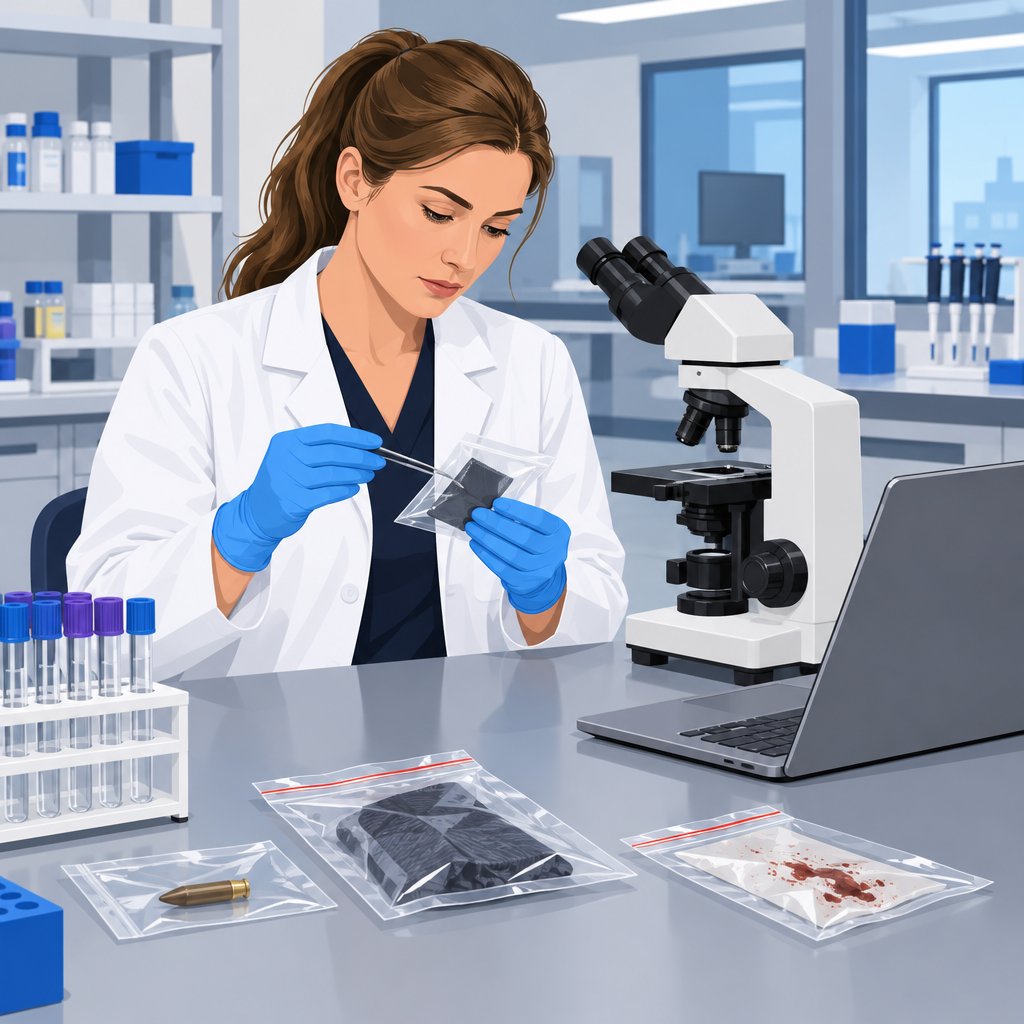
Most forensic scientists conduct their work in well-equipped laboratories.
These facilities contain technology designed for accurate evidence analysis.
Scientists follow strict procedures to protect evidence integrity.
Their work may involve DNA samples, fibers, weapons, and other physical evidence.
Collaboration Among Specialists
Forensic scientists regularly collaborate with specialists from different disciplines.
DNA analysts, ballistics experts, and toxicologists may contribute to investigations.
These professionals combine their findings to develop comprehensive analyses.
Their combined expertise helps investigators understand the evidence more fully.
Working Hours and Pressure
Forensic scientists may work long hours on urgent cases.
Crime scene responses can require work during weekends and holidays.
Deadlines may require scientists to adjust their schedules.
Their findings can significantly influence investigations and court cases.
Professional Development
Forensic science continues to develop as new techniques and technologies emerge.
Scientists maintain their skills through ongoing training and education.
Continuous learning helps them apply current methods accurately.
They must also maintain careful attention to detail throughout their work.
Legal and Ethical Standards
Forensic scientists must follow legal and ethical standards.
They present accurate findings without allowing personal bias to influence their analyses.
Strict guidelines help them preserve professional integrity.
Their careful work supports accountability within the criminal justice system.
Uncover the Details: Correctional Officer Inmate Management
Laboratories
Forensic scientists primarily work in laboratories conducting evidence tests and analyses.
These facilities use advanced technology and equipment to support evidence testing.
Meanwhile, controlled and quiet conditions help scientists analyze evidence accurately.
Teams also collaborate with other experts when cases require complex analysis.
Crime Scenes
At crime scenes, forensic scientists collect and analyze evidence on-site.
This fieldwork can demand long hours in changing weather conditions.
Careful attention to detail helps scientists preserve accurate evidence records.
Furthermore, strict protocols protect evidence integrity throughout collection.
Medical Examiner’s Offices
Some forensic scientists work in medical examiner offices, assisting with autopsies and determining causes of death.
This setting involves deceased bodies, so emotional resilience and a strong stomach are necessary.
Additionally, their findings support criminal investigations and legal proceedings.
Scientists must remain focused and detail-oriented while handling challenging work.
Police Departments
Other forensic scientists work within police departments, analyzing evidence gathered during investigations.
This arrangement encourages close collaboration with law enforcement agencies.
Clear communication helps scientists and investigators follow evidence-analysis guidelines.
Because police work can move quickly, scientists must work efficiently under pressure.
Transform Your Career Today
Unlock a personalized career strategy that drives real results. Get tailored advice and a roadmap designed just for you.
Start NowFind Out More: Probation Officer Caseload Management Tips
Challenges Faced by Forensic Scientists
Forensic scientists work in demanding conditions that create several professional challenges.
These pressures can affect their schedules, emotional well-being, and ability to manage evidence.
Despite these demands, they continue supporting criminal investigations through careful evidence work.
High-Stress Situations
Forensic scientists often collect and analyze evidence at crime scenes under intense pressure.
They must maintain accuracy while investigating violent crimes and tragic events.
These experiences can place significant stress on their mental health.
Long Working Hours
Unpredictable crime investigations can require forensic scientists to work extended hours.
They may work weekends and holidays when investigations require immediate assistance.
They may also appear in court outside their regular working schedules.
Exposure to Disturbing Evidence
Forensic scientists regularly examine graphic crime scene photographs and autopsy reports.
They may also handle bodily fluids during evidence collection and analysis.
Repeated exposure to disturbing material can cause emotional stress and trauma.
Managing Heavy Caseloads
Forensic scientists often manage many cases that require timely processing.
They must balance competing demands while giving each case appropriate attention.
Heavy workloads can make consistent, thorough case management difficult.
Forensic scientists provide valuable evidence that supports criminal investigations and public safety.
Their work requires focus, resilience, and careful attention to evidence.
Recognizing these challenges can encourage greater support for these dedicated professionals.
See Related Content: Continuing Education and Training for DEA Agents
Training and Education
A Bachelor’s degree in forensic science or a related field is essential for aspiring forensic scientists.
Additionally, internship or work experience in forensic science provides valuable hands-on training.
Meanwhile, continuing education helps forensic scientists stay current with advancements in the field.
Finally, certifications from professional organizations can enhance credibility and expertise.
Discover More: Bomb Squad Technician: Real-Life Case Studies
Forensic Scientists’ Contributions to Justice
Forensic scientists provide vital evidence that supports the criminal justice system.
Moreover, their dedication to solving crimes and seeking justice for victims deserves appreciation and acknowledgment.
Those pursuing forensic science careers can follow their passion and make a difference in the world.
Additional Resources
Google search results for Work Environment of Forensic Scientists Protective Services
Bing search results for Work Environment of Forensic Scientists Protective Services


