




Challenges Wildland Firefighters Face
Wildland firefighters protect communities and natural resources from uncontrolled fires.
They face unpredictable conditions, difficult terrain, changing weather, limited resources, and demanding workloads.
Their dedication, bravery, and resilience help communities remain safer during wildfire emergencies.
Unpredictable Fire Behavior
Wildfires can spread rapidly and change direction without warning.
As a result, firefighters must respond quickly while dangerous conditions develop around them.
These shifting conditions make fire behavior difficult to predict and control.
Rugged Terrain and Changing Weather
Rugged landscapes often include steep hills, thick brush, and uneven ground.
Consequently, crews may struggle to reach fires and establish effective containment lines.
Moreover, high winds, low humidity, and extreme temperatures can intensify fire behavior.
Limited Resources and Physical Demands
Remote areas may limit access to water, equipment, and other firefighting resources.
Therefore, firefighters must use available supplies carefully and work efficiently.
Long hours, heavy equipment, and difficult conditions can cause exhaustion and injuries.
They must prioritize safety and well-being throughout each operation.
Despite these challenges, wildland firefighters remain essential to protecting communities and natural resources.
Physical Demands
Wildland firefighting demands exceptional physical fitness.
Firefighters endure long hours of strenuous labor in harsh environmental conditions.
They must maintain endurance while responding to unpredictable situations.
Long Shifts
- Firefighters often work shifts lasting up to 16 hours.
- They may work consecutive days without a break.
- During fire season, they remain available around the clock and respond quickly.
Strenuous Labor
- Firefighters dig trenches, carry heavy equipment, and hike through rugged terrain.
- They work in extreme heat and smoke-filled environments.
- Steep terrain and intense flames require strength, endurance, and mental toughness.
Harsh Environmental Conditions
- Firefighters face extreme temperatures, high altitudes, smoke, and hazardous materials.
- They work in remote locations with limited access to food, water, and shelter.
- Rapidly changing weather can bring sudden storms and strong winds.
Physical Readiness and Mental Resilience
Wildland firefighters must maintain peak physical condition throughout demanding assignments.
They also need mental resilience when difficult conditions continue for extended periods.
Preparation helps them manage strenuous work in challenging environments.
Injury and Fatality Risks
- Wildland firefighters face serious injury and fatality risks because their work involves dangerous conditions.
- Moreover, fast-paced and unpredictable fires increase the dangers firefighters encounter.
- Statistics show that wildland firefighters experience more injuries and fatalities than workers in other occupations.
- According to the National Interagency Fire Center, an average of 10 wildland firefighters die each year.
- These figures demonstrate the serious hazards that firefighters face during their work.
Common Causes of Injuries and Fatalities
- Physically demanding tasks contribute significantly to injuries among wildland firefighters.
- For example, firefighters may dig fire lines, carry heavy equipment, and work in extreme heat.
- Additionally, falling trees and debris can injure firefighters inside fire zones.
- Smoke inhalation and hazardous materials also create serious health risks.
- Furthermore, heat stress and exhaustion can increase the likelihood of injury or fatality.
Measures That Reduce Injury and Fatality Risks
- Wildland firefighting agencies use safety protocols and training programs to reduce injury risks.
- They provide protective equipment, communication devices, and other resources to help firefighters manage hazards.
- Regular fitness training prepares firefighters for demanding operational conditions.
- Effective communication and coordination help team members prevent injuries and fatalities.
- Finally, teams monitor weather and fire behavior to assess and reduce operational risks.
Prioritizing firefighter safety helps protect the people who risk their lives to protect communities.
Learn More: Campus Security Officer: Emergency Response Skills
Limited Resources in Wildland Firefighting
Wildland firefighters face numerous challenges while battling wildfires.
Limited resources create one of their most significant obstacles.
This scarcity can impede firefighting efforts in several ways.
Budget Constraints Affect Firefighting Readiness
Limited funding restricts resources available for firefighting operations.
Consequently, agencies may compromise equipment quality, training programs, and overall readiness.
Fire departments often struggle to secure adequate financial support as wildfire threats grow.
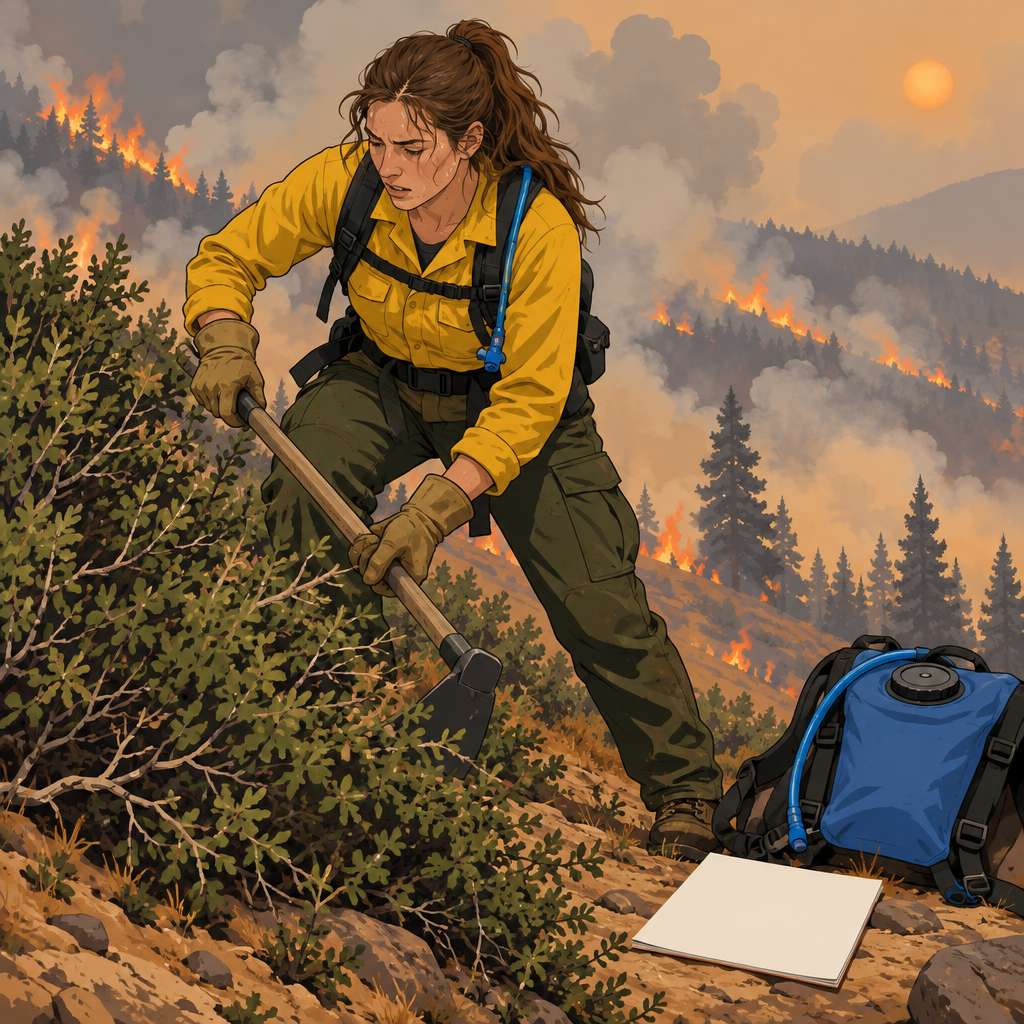
Equipment Shortages Reduce Operational Effectiveness
An insufficient equipment supply can reduce firefighting effectiveness in wildland environments.
Without adequate water tanks, hoses, protective gear, and communication devices, crews may struggle to contain fires efficiently.
Additionally, outdated or malfunctioning equipment creates serious safety risks for frontline personnel.
Staffing Shortages Increase Operational Strain
Staffing shortages create another critical challenge for wildland firefighters.
Increasing wildfire frequency makes it harder to maintain an adequate emergency response workforce.
Limited staffing strains teams, restricts rest rotations, and raises fatigue and burnout risks.
Resource Needs Shape Wildfire Response Capacity
Resource scarcity significantly hampers efforts to combat wildfires effectively.
Addressing budgets, equipment, and staffing can strengthen agencies’ response to wildland emergencies.
Prompt and efficient response depends on sufficient resources.
Discover More: Common Misconceptions About Private Investigators
Unpredictable Wildfire Conditions
Wildfires behave unpredictably and create significant challenges for firefighters.
Rapid weather changes can alter fire behavior and spread patterns within moments.
Transform Your Career Today
Unlock a personalized career strategy that drives real results. Get tailored advice and a roadmap designed just for you.
Start NowTherefore, firefighters must assess conditions continuously and adjust their strategies.
- Rapidly changing weather conditions:
- Wind shifts can send flames in unexpected directions.
- Sudden changes in temperature and humidity can influence fire behavior.
- Wind shifts can send flames in unexpected directions.
- Difficult terrain:
- Steep slopes, canyons, and dense vegetation can restrict access to fire zones.
- Remote locations can make firefighting difficult when resources remain limited.
- Steep slopes, canyons, and dense vegetation can restrict access to fire zones.
- Unpredictable fire behavior:
- Spot fires can ignite ahead of the main fire and create additional threats.
- Fire whirls can intensify flames and spread fire rapidly.
- Spot fires can ignite ahead of the main fire and create additional threats.
Firefighters must remain vigilant and adapt as wildfire conditions change.
They use training, experience, and teamwork to reduce risks and combat these natural disasters.
Learn More: Volunteer Opportunities with Fish and Game Wardens
Mental Health Strain
Wildland firefighters face significant mental health challenges because their work creates intense and unpredictable conditions.
These conditions can heighten stress and expose firefighters to traumatic scenes.
Furthermore, remote deployments can separate them from familiar support systems.
- Intense environments can create high levels of stress.
- Firefighters may witness destruction and loss during wildfire operations.
- Afterward, affected communities and wildlife can create an emotional burden.
- Remote assignments can increase feelings of isolation.
Impact on Mental Well-Being
Several factors can affect firefighters’ mental well-being over time.
Consequently, ongoing exposure to demanding situations can disrupt emotional health and daily routines.
Without adequate support, some firefighters may struggle to manage these effects.
- Traumatic experiences can contribute to post-traumatic stress disorder.
- Continued stress can contribute to depression and anxiety.
- Demanding work can disrupt sleep and cause exhaustion.
- Some firefighters may use alcohol or drugs as coping mechanisms.
Therefore, wildland firefighting agencies should prioritize firefighter mental health and well-being.
They can provide mental health resources and counseling services.
They should also promote open communication to help reduce mental health strain.
Delve into the Subject: Park Rangers and Emergency Response Situations
Balancing Personal Life
Wildland firefighters face significant challenges when balancing their personal lives with demanding career responsibilities.
This struggle affects their personal well-being and relationships.
Furthermore, unpredictable schedules can make consistent personal routines difficult to maintain.
- Time Away from Family: Firefighters often spend extended periods away from loved ones during assignments, which can strain relationships and create loneliness.
- Lack of Family Time: Unpredictable schedules make quality family time difficult and complicate plans for shared activities.
- Impact on Relationships: Demanding schedules and job-related emotional stress can make partners and family members feel neglected or isolated.
- Self-Care Challenges: Firefighters may struggle to prioritize exercise, mental health maintenance, and relaxation after physically demanding work.
- Mental Health Concerns: Job stress and trauma can spill into personal lives, causing burnout and emotional exhaustion.
Therefore, firefighters can protect personal balance by prioritizing self-care, maintaining relationships, and seeking support.
Lack of Recognition for Wildland Firefighters
Wildland firefighters often receive less recognition than their heroic efforts deserve.
Despite facing danger and making sacrifices, these professionals often receive limited public appreciation.
Their work protects lives, property, communities, and natural resources during dangerous wildfire events.
- Media coverage rarely highlights wildland firefighters, which limits public awareness of their work.
- The public often notices structure firefighters more because urban incidents receive greater media attention.
- Many people misunderstand the complexity of fighting fires in remote wilderness areas.
- Remote assignments limit the number of people who witness wildland firefighters’ actions.
- Some individuals view wildland firefighting as routine and overlook its extreme conditions and risks.
This limited recognition can discourage firefighters who demonstrate exceptional dedication and bravery.
Greater public appreciation would acknowledge their vital role in protecting communities and natural resources.
Operational Challenges in Wildland Firefighting
Wildland firefighters confront extreme weather, including high winds and intense heat.
Additionally, rugged terrain and steep slopes increase danger during fire suppression.
Remote water sources can slow operations and increase exhaustion risks.
Meanwhile, unreliable cell service can disrupt communication in forest environments.
Firefighters therefore need clear coordination when conditions change rapidly.
Managing chainsaws and bulldozers demands skill, precision, and constant attention.
These tools help crews limit fire spread during difficult operations.
Smoke inhalation and chemical exposure may create lasting health concerns.
Furthermore, limited manpower and equipment can restrict containment efforts.
Demanding schedules can also strain personal relationships and emotional well-being.
Despite these pressures, firefighters continue protecting communities and natural landscapes.
Their commitment supports public safety and preserves important environmental resources.
These sacrifices merit recognition for the essential work they perform.
Additional Resources
Google search results for Top Challenges Wildland Firefighters Face Protective Services
Bing search results for Top Challenges Wildland Firefighters Face Protective Services


