




Park Ranger Emergency Response
Park rangers safeguard natural resources and protect visitor safety in parks.
Their prompt emergency response protects people and the environment.
When emergencies occur, rangers often become the first responders at the scene.
They handle situations ranging from medical emergencies to natural disasters.
Rangers must prepare thoroughly and carry suitable equipment for crises.
Their quick thinking and decisive actions can significantly influence emergency outcomes.
Additionally, rangers educate visitors about safety and conservation.
By sharing knowledge and skills, they help prevent emergencies before they happen.
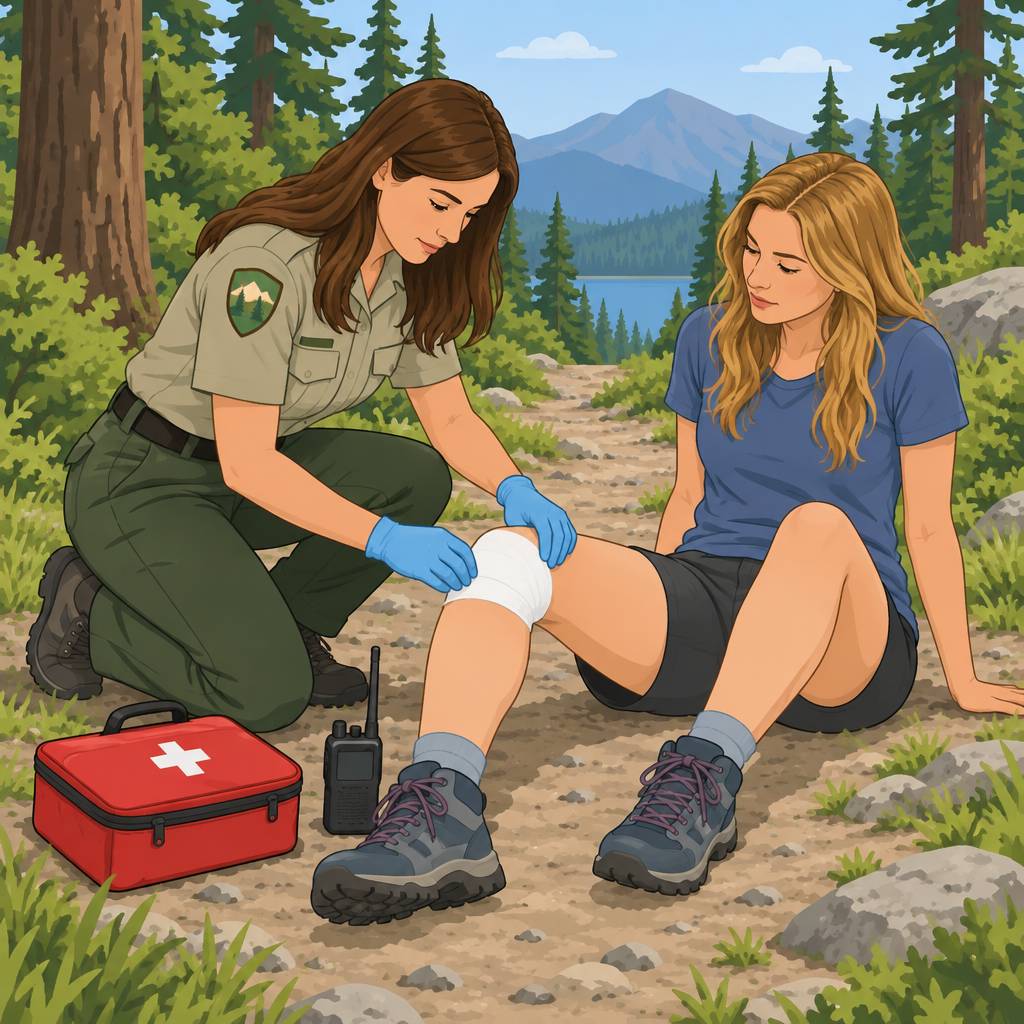
For example, rangers rescue lost hikers and provide first aid to injured visitors.
They also coordinate with other emergency services when necessary.
Therefore, rangers remain on the front lines of park safety and security.
Their dedication protects visitors and the natural environment throughout the park.
Role of Park Rangers in Emergency Response
Park rangers support visitor and wildlife safety during emergencies in parks.
They receive preparation for varied incidents that may occur while they perform their duties.
Moreover, their response work combines immediate assistance, organized coordination, and public protection.
Emergency Response Training for Park Rangers
Park rangers receive specialized training in emergency response techniques.
Their preparation includes first aid, search and rescue, firefighting, and crisis management.
Consequently, rangers can respond quickly and effectively when emergencies arise.
Skills Required During Park Emergencies
Effective emergency response requires park rangers to maintain physical fitness and strong communication abilities.
They navigate challenging terrain to reach people who need assistance.
Additionally, rangers use problem-solving skills to coordinate rescues and make informed decisions under pressure.
Key Emergency Responsibilities
During emergencies, park rangers provide immediate assistance and organize coordinated safety operations.
They also address environmental hazards while supporting visitors and protecting wildlife.
Their responsibilities include the following essential actions.
- Provide first aid to injured individuals
- Coordinate search and rescue operations
- Respond to natural disasters such as wildfires or floods
- Evacuate visitors from dangerous areas
- Work with law enforcement agencies to support public safety
Challenges Affecting Emergency Response
Although park rangers receive extensive preparation, emergency response can present significant challenges.
Limited resources and equipment may restrict the assistance they can provide.
Furthermore, extreme weather and remote park locations can delay access to people needing help.
Collaboration with Emergency Response Agencies
Park rangers often coordinate with local law enforcement, fire departments, and paramedics.
These agencies combine their expertise and resources during park emergencies.
Through collaboration, responders can organize swift actions that support visitor and wildlife safety.
Coordinated Protection in Natural Areas
Park rangers provide an essential emergency response presence in natural areas.
Their training and varied skills help them manage diverse incidents effectively.
By working with other agencies, they strengthen safety efforts for everyone visiting the park.
Emergency Situations Park Rangers Handle
Park rangers respond to several emergencies across park areas.
These incidents demand immediate decisions and coordinated assistance.
The following situations represent common calls they handle.
- Medical emergencies can include heart attacks, dehydration, and visitor injuries.
- Natural disasters can involve wildfires, floods, and severe storms.
- Search and rescue operations help locate missing or lost hikers and campers.
Challenges During Emergency Response
Each emergency creates distinct operational challenges for park rangers.
Access, weather, terrain, and communication can affect response efforts.
Therefore, rangers must adapt their actions to changing conditions.
- Medical emergencies may occur far from medical facilities, requiring rangers to provide first aid.
- Natural disasters can disrupt communication and create hazardous conditions during evacuations.
- Search and rescue operations can span rugged terrain with unpredictable weather and limited visibility.
See Related Content: Top States Hiring Fish and Game Wardens
Transform Your Career Today
Unlock a personalized career strategy that drives real results. Get tailored advice and a roadmap designed just for you.
Start NowTraining and Preparation for Park Ranger Emergency Response
- Specialized programs teach first aid, search and rescue techniques, and communication skills.
- Regular drills and exercises help rangers prepare for emergencies that may arise.
- Additionally, training covers radios, medical supplies, and navigation devices.
- Rangers assess risks, make quick decisions, and coordinate with emergency services when necessary.
- Mock scenarios simulate real emergencies and test ranger responses under pressure.
- Furthermore, training emphasizes teamwork and collaboration during emergency responses.
- Continuous education keeps rangers current with the latest emergency response protocols.
- Ongoing exercises and assessments test ranger knowledge and emergency response skills.
Uncover the Details: Roles and Responsibilities of Diplomatic Security Agents
Communication and Coordination in Emergency Response
Clear communication among park rangers and emergency agencies supports fast, coordinated emergency action.
Without reliable communication, response efforts may face delays and increase risks for responders and visitors.
Therefore, rangers need practical procedures that support accurate information sharing throughout each incident.
- Communication plans should define channels, frequencies, and procedures for contacting other agencies.
- Rangers can use two-way radios, cell phones, and emergency notification systems to share urgent information.
- Regular training and drills help rangers practice communication strategies and improve response times.
- Interagency cooperation connects rangers with fire departments, law enforcement, and medical services.
- The Incident Command System organizes responsibilities and strengthens communication among responders.
- Rangers should share incident updates, resource needs, and evacuation procedures with relevant parties.
- Because conditions can change quickly, rangers must adjust communication plans during emergencies.
- Post-incident evaluations can identify communication strengths, weaknesses, and opportunities for improvement.
These practices help responders coordinate resources while protecting visitors and natural resources.
Effective communication also strengthens future emergency response capabilities through continuous evaluation and improvement.
Explore Further: Bomb Squad Technicians: Technology and Innovations
Equipment and Resources for Park Ranger Emergency Response
Park rangers rely on varied equipment and resources during emergency response situations.
These tools help them provide prompt and efficient assistance to park visitors.
Additionally, regular maintenance keeps essential equipment ready for urgent use.
- First aid kits: These kits contain essential supplies for immediate assistance during injuries or medical emergencies.
- Communication devices: Furthermore, radios connect rangers with emergency services and park staff.
- Specialized vehicles: ATVs, boats, and snowmobiles help rangers reach remote park areas quickly.
Therefore, rangers must maintain and regularly update their equipment.
Proper maintenance ensures that first aid kits and communication devices work when needed.
Regular training sessions and drills also familiarize rangers with proper equipment use.
Moreover, practice helps rangers respond effectively during high-stress situations.
By staying prepared, rangers support the safety and well-being of visitors and staff.
See Related Content: TSA Officer Role in National Security Explained
Challenges During Park Ranger Emergency Response
Park rangers face distinctive challenges during emergency response situations.
Quick decisions and practical solutions help them protect visitors and wildlife.
Meanwhile, difficult conditions can complicate assistance across parks and protected areas.
Remote Locations
Remote work areas can limit access to medical facilities and emergency services.
Consequently, severe injuries and natural disasters may require longer response times.
Rangers prepare for these delays through wilderness first aid and emergency response training.
Additionally, satellite phones and emergency beacons help them contact rescue teams.
Limited Resources
Limited budgets can reduce available medical supplies, equipment, and personnel.
As a result, emergencies requiring immediate attention can challenge ranger teams.
Rangers respond creatively by using available resources as effectively as possible.
They also collaborate with agencies, volunteer groups, and local communities.
These partnerships can help participating groups share resources during emergencies.
Unpredictable Weather Conditions
Weather can change rapidly in outdoor environments and create serious risks.
Thunderstorms, blizzards, and heatwaves can complicate emergency response efforts.
Severe conditions may also increase danger for visitors and rangers.
Rangers monitor forecasts closely and make decisions based on changing conditions.
They may issue warnings, evacuate threatened areas, and provide visitor assistance.
When necessary, rangers also provide shelter during extreme weather events.
Preparedness Under Difficult Conditions
Preparedness and resourcefulness strengthen emergency response in challenging environments.
Rangers use these abilities to support visitor and wildlife safety during unpredictable incidents.
Through dedicated service, they help manage emergencies across national parks and protected areas.
Success Stories of Park Rangers in Emergency Response
Park rangers have demonstrated quick thinking and bravery during many emergency situations.
These examples show how rangers protect lives and natural resources.
- Quick and Effective Response: A ranger swiftly assisted a distressed hiker, provided first aid, and called for backup.
- Protection of Natural Resources: During a patrol, another ranger noticed illegal poaching, acted immediately, apprehended the poachers, and protected endangered wildlife.
- Dedication and Bravery: Furthermore, a ranger braved treacherous weather to rescue stranded climbers on a remote mountain peak.
- Teamwork and Coordination: Rangers from different parks collaborated during a search and rescue mission, demonstrating unity and efficiency.
- Community Engagement: By teaching safety protocols, rangers help visitors act responsibly and prevent emergencies.
These examples demonstrate the dedication and professionalism that rangers bring to emergency response.
Transform Your Career Today
Unlock a personalized career strategy that drives real results. Get tailored advice and a roadmap designed just for you.
Start NowTheir commitment supports safety and sustainability for people, wildlife, and future park visitors.
Ranger Actions During Park Emergencies
Park rangers respond directly when emergencies threaten visitors or wildlife.
They assess urgent situations and act quickly to provide immediate assistance.
Moreover, their decisions can significantly influence outcomes during critical moments.
Rangers apply first aid, search and rescue techniques, and firefighting skills when circumstances demand.
They also coordinate with emergency services to strengthen the overall response.
Consequently, visitors receive support sooner when rangers manage the initial response.
Public Support for Park Ranger Services
Park rangers protect visitors and wildlife while managing demanding emergency responsibilities.
Their dedication helps maintain safer natural areas for everyone.
Therefore, communities should recognize and support their essential work.
- Rangers provide crucial assistance during medical emergencies and other urgent incidents.
- They use specialized skills to respond effectively across park environments.
- Public support strengthens their efforts to protect natural areas.
Additional Resources
Google search results for Park Rangers and Emergency Response Situations Protective Services
Bing search results for Park Rangers and Emergency Response Situations Protective Services


