




TSA Officers and Emergency Response
In emergency situations, TSA officers play a crucial role in protecting passenger safety and security.
They receive training to manage various scenarios efficiently and make quick decisions that protect travelers from harm.
Moreover, their security expertise helps them manage airport crises and coordinate swift, organized emergency responses.
Their presence reassures passengers and helps maintain order during chaotic circumstances.
During natural disasters, terrorist threats, or medical incidents, TSA officers implement emergency protocols.
They also evacuate passengers safely and coordinate with other agencies to resolve situations effectively.
Their role remains essential because they provide an important defense for passengers and airport personnel.
Additionally, their vigilance and quick responses can save lives and prevent emergencies from escalating.
These responsibilities strengthen airport security and protect travelers during emergencies.
Therefore, TSA officers make indispensable contributions to the aviation industry.
Specialized Training for TSA Officers
TSA officers complete specialized preparation for airport emergencies.
Their instruction covers first aid, CPR, crisis management, and situational awareness.
Additionally, officers learn to recognize suspicious behavior, hazards, and potential threats.
Regular Drills and Simulations
Regular drills and simulations keep officers ready for changing emergency conditions.
These exercises recreate realistic situations, so officers practice timely responses.
They also strengthen communication, teamwork, and coordination among TSA personnel.
Continuing Emergency Education
Ongoing training keeps officers familiar with updated emergency response protocols.
Continual education helps them adjust to evolving security threats and emerging technologies.
As a result, officers make faster decisions under pressure.
Assessing Emergency Conditions
During an emergency, officers evaluate severity and identify possible risks.
They consider passenger and staff safety alongside airport security.
This assessment guides response choices and resource requests.
Communicating During Emergencies
Clear communication connects TSA officers with partner agencies during emergencies.
Officers share information with law enforcement, medical personnel, and airport authorities.
Consequently, coordinated messages support timely assistance for people needing help.
Providing First Aid and Passenger Assistance
TSA officers can administer basic first aid and assist injured individuals.
They prioritize people with severe injuries or urgent medical needs.
Meanwhile, officers support distressed passengers and help calm anxious travelers.
Managing High-Stress Conditions
Emergency duties can place significant mental and emotional pressure on officers.
Nevertheless, they must stay calm and decide quickly while protecting safety.
Distressed passengers and chaotic scenes can intensify those demands.
Maintaining Crowd Control
Officers may direct crowds and preserve order during airport emergencies.
Effective control reduces panic, supports orderly evacuation, and aids rescue efforts.
Therefore, officers guide passengers carefully without creating additional disorder.
Coordinating With Multiple Agencies
Complex emergencies require cooperation among several response agencies.
TSA officers coordinate with law enforcement, fire departments, and medical teams.
Clear collaboration creates a unified response and uses available resources effectively.
Professional Standards During Airport Emergencies
TSA officers support airport safety through preparation, assessment, communication, and assistance.
Their professionalism helps maintain safety when emergencies affect travelers.
Despite demanding conditions, they continue serving passengers with dedication.
Transform Your Career Today
Unlock a personalized career strategy that drives real results. Get tailored advice and a roadmap designed just for you.
Start Now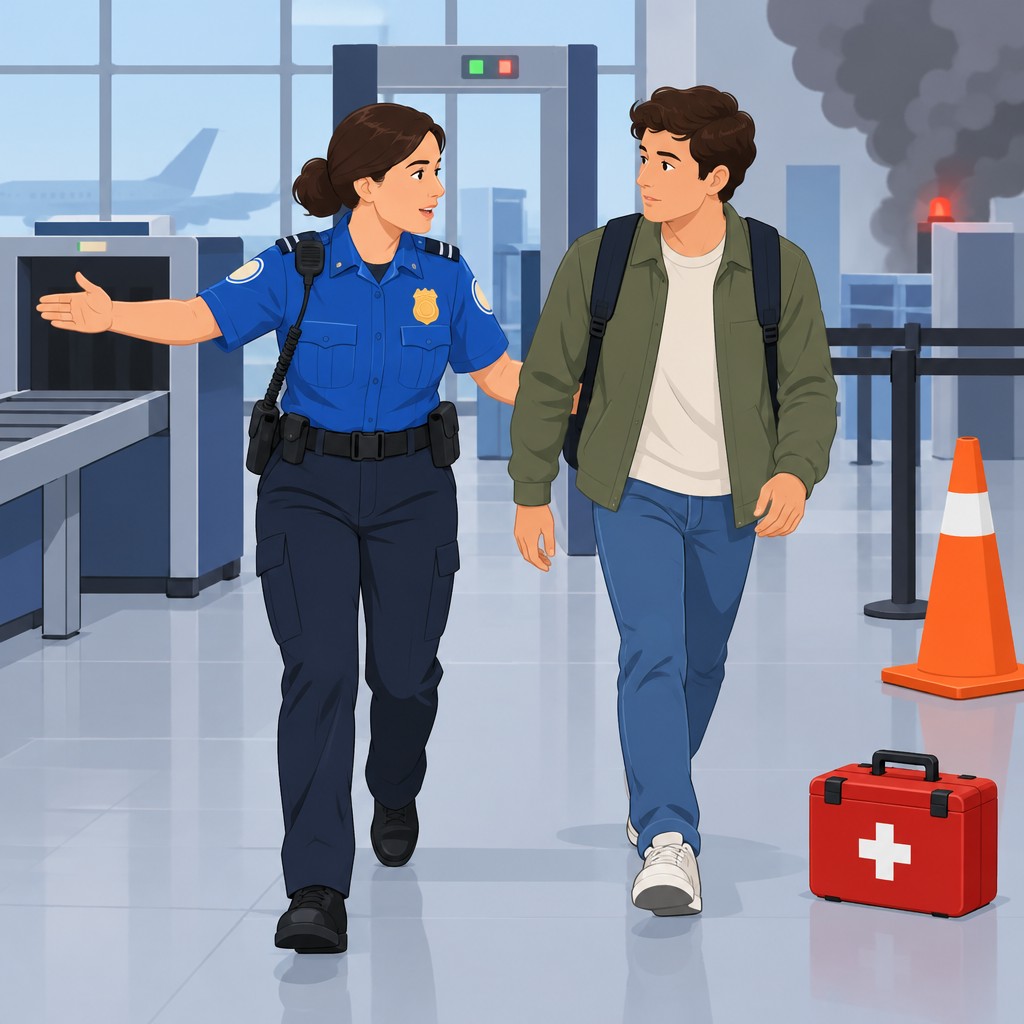
Identifying Potential Threats
TSA officers assess behaviors and situations that could indicate security concerns.
They remain attentive so they can recognize developing risks before those risks escalate.
This approach supports a safer travel environment for passengers and airport personnel.
- Recognizing unusual body language
- Noticing signs of nervousness
- Assessing behaviors that may signal security concerns
Recognizing Suspicious Behavior
Officers study body language, nervousness, and other observable signs during security operations.
They use these observations to evaluate situations and determine whether concerns require further attention.
By identifying warning signs early, officers can address possible risks before security problems grow.
Maintaining Vigilance and Proactive Awareness
Officers monitor their surroundings throughout their assigned duties.
They stay prepared to respond when circumstances change or new concerns appear.
This proactive awareness helps officers protect passengers, airport personnel, and airport facilities.
Using Security Technology and Resources
Officers use screening equipment, CCTV cameras, and communication systems during security operations.
These resources help them gather information and respond quickly to security concerns.
Effective use of available tools strengthens their ability to identify and manage potential risks.
Coordinating Through Communication
Officers share relevant information when they notice possible security issues.
Clear communication helps teams coordinate their actions during changing situations.
Teamwork supports a consistent response and strengthens airport security measures.
Strengthening Readiness Through Continued Development
Security threats can change, so officers continue developing their knowledge and skills.
Ongoing development introduces updated protocols, techniques, and technologies.
This continued preparation helps officers respond effectively when potential risks arise.
See Related Content: Work Environment of Forensic Scientists
Communication With Airport Personnel
Effective communication helps TSA officers coordinate emergency responses.
They relay the emergency type, location, and safety instructions to airport personnel.
Clear, concise messages support evacuations and help personnel address potential threats.
Additionally, TSA officers collaborate with airline staff, airport security, and relevant departments.
Coordination With Law Enforcement and Emergency Responders
TSA officers coordinate with law enforcement agencies and emergency responders during critical incidents.
This cooperation supports a unified response and strengthens security measures around affected areas.
Law enforcement agencies can help secure areas, manage crowds, and contain emergencies.
Meanwhile, fire departments, paramedics, and hazardous materials teams rely on timely information from TSA officers.
By sharing accurate information, responders can protect individuals and mitigate emergency risks.
Learn More: Correctional Officer Inmate Management
Responding to Emergencies
TSA officers assess each emergency to determine its severity and scope.
They coordinate with airport authorities while implementing necessary security measures.
Additionally, officers may evacuate areas and direct people toward safe zones or exits.
- Assess the situation to determine the emergency’s severity and scope.
- Communicate with officers and airport authorities to coordinate the response.
- Implement necessary security measures to protect passengers and staff.
- Evacuate the area when required, following established protocols and procedures.
- Direct passengers and staff toward designated safe zones or evacuation exits.
- Assist individuals with disabilities or special needs during evacuation.
- Monitor the situation and provide updates to passengers and staff.
- Work with law enforcement agencies to secure the area and investigate the emergency’s cause.
Protocol and Composure During Emergencies
Following protocol helps TSA officers provide a coordinated and effective emergency response.
Moreover, staying calm supports sound decisions and timely assistance for people in need.
Clear communication and teamwork help officers manage crises while maintaining order.
- Follow established procedures to support a coordinated emergency response.
- Stay calm under pressure to make sound decisions and assist people effectively.
- Remain focused to help minimize panic and confusion during emergencies.
- Maintain composure and professionalism to reassure passengers and staff.
- Use effective communication and teamwork to support successful emergency resolution.
- Adhere to protocols and remain calm while managing crises and maintaining order.
- Rely on training and preparedness to support swift and effective emergency responses.
Uncover the Details: Probation Officer Caseload Management Tips
Passenger Assistance During Emergencies
TSA officers support passengers by providing practical assistance during emergencies.
They use clear communication and reassurance to help passengers respond calmly.
They also help passengers reach safer areas while maintaining order.
- TSA officers communicate clear instructions and updates during emergency situations.
- They reassure passengers and help reduce anxiety and fear.
- They assist passengers with safe, efficient evacuations during fires or threats.
- They may provide basic first aid until medical professionals arrive.
- They manage crowds and maintain order to protect passengers.
Reasons Passenger Safety Remains Essential
Passenger safety reflects the central responsibilities of TSA officers.
Transform Your Career Today
Unlock a personalized career strategy that drives real results. Get tailored advice and a roadmap designed just for you.
Start NowFurthermore, their response demonstrates professionalism, care, and dedication during difficult circumstances.
These actions also support the agency’s reputation and fulfill legal and moral responsibilities.
- TSA officers have a humanitarian duty to protect and assist passengers.
- Prioritizing safety demonstrates professionalism during crisis situations.
- Protecting passengers strengthens public confidence in TSA officers and the agency.
- Legal obligations require officers to support passenger safety and well-being.
- Concern for passengers reflects the moral responsibilities of TSA officers.
Learn More: Continuing Education and Training for DEA Agents
Security screenings require TSA officers to manage suspicious items carefully.
Clear procedures help officers identify potential threats and protect travelers and airport staff.
Procedures for Suspicious Items
- When officers detect a suspicious item, they assess the situation calmly and promptly.
- Training helps officers recognize explosives, weapons, and other dangerous items.
- These items may threaten travelers or airport staff.
- Officers follow established protocols to contain and secure the area.
- Law enforcement agencies and bomb squads help officers determine each item’s nature and risks.
- Officers treat every suspicious item with caution, professionalism, and poise.
Importance of Proper Protocol
- Proper procedures protect passengers, airport personnel, and the general public.
- Established procedures reduce risks associated with dangerous items.
- They also help prevent threats from causing harm or disruption.
- Coordinated procedures help officers address emergency situations efficiently.
- Guidelines maintain officer readiness for potential threats and security breaches.
- Training and protocol help officers respond with confidence and professionalism.
Established procedures help officers identify, contain, and mitigate potential threats.
Careful responses support the safety of travelers, airport staff, and others inside the airport.
Professional actions also protect the airport environment from avoidable risks and disruptions.
Adapting to Changing Threats
- Security threats constantly evolve, so TSA officers must remain vigilant.
- Officers must adapt to technological advances that threat actors may use.
- Regular training helps officers respond effectively to emerging challenges.
- Officers must stay informed about emerging threats and effective security practices.
- Continuous risk evaluation supports passenger and staff safety.
Threat actors continue developing methods that challenge established security measures.
Therefore, TSA officers must monitor changing risks and adjust their responses.
Consistent awareness helps officers protect passengers, airport staff, and secure areas.
Evolution of Security Threats
Technology advances create new tools and techniques that threat actors can use.
Some threats may involve explosives disguised as ordinary items.
Cyber threats also add complexity to the security challenges officers face.
Adapting to New Challenges
Proactive officers identify emerging risks before those risks become more serious.
They stay informed so they can prepare for unexpected security challenges.
Enhanced screening procedures and adjusted protocols can help reduce security risks.
Importance of Training and Updates
Regular training keeps officers familiar with current security protocols.
Officers strengthen their readiness by reviewing and practicing established procedures.
Updates on best practices support faster and more effective responses.
Staying Informed and Vigilant
Officers maintain stronger security awareness when they track emerging threats.
Current information allows them to adjust strategies and procedures when necessary.
Vigilance and preparedness help officers safeguard airports and travelers.
Evaluating Potential Risks
Continuous risk evaluation helps officers identify vulnerabilities.
Thorough assessments and scenario planning improve preparation for possible threats.
Regular drills and simulations help officers practice responses before emergencies occur.
Maintaining Security Readiness
TSA officers support airport safety by adapting to changing security conditions.
They combine vigilance, current information, and continuous training to address new challenges.
These efforts help protect passengers and staff as security threats evolve.
TSA Officers’ Role in Passenger Safety
TSA officers manage emergency responsibilities that support airport security and passenger safety.
Their work helps protect passengers while officers address urgent situations.
They also carry responsibilities that reinforce security throughout emergency responses.
Additional Resources
Google search results for TSA Officer's Role in Handling Emergency Situations Protective Services
Bing search results for TSA Officer's Role in Handling Emergency Situations Protective Services


