




Public Safety Officers in Emergencies
Public safety officers use professional training to protect community well-being and security.
During emergencies, these officers maintain order, provide assistance, and save lives.
This section examines their challenges and explains how they navigate emergency situations effectively.
Training and Preparation for Public Safety Officers
Public safety officers respond to natural disasters, criminal activities, and other emergency situations.
They require focused preparation to manage emergencies and protect public safety.
Training develops the knowledge, skills, and judgment officers need during demanding situations.
Training Programs and Qualifications
Prospective officers typically complete training programs from recognized institutions or agencies.
These programs teach emergency response protocols, first aid, crisis management, and communication skills.
Applicants may also complete physical fitness tests, background checks, and psychological evaluations.
- Recognized institutions or agencies offer training programs for prospective public safety officers.
- Training programs cover emergency response protocols, first aid, crisis management, and communication skills.
- Applicants may need to pass physical fitness tests, background checks, and psychological evaluations.
Ongoing Training and Skill Development
Public safety officers use continuous training to remain current with emergency response techniques.
Regular instruction strengthens their skills, expands their knowledge, and supports effective emergency responses.
Scenario practice also helps officers improve decisions while working under pressure.
- Continuous training keeps officers updated on emergency response techniques and best practices.
- Ongoing instruction enhances officers’ skills and knowledge for emergency situations.
- Regular scenarios help officers practice decision-making under pressure.
Specialized Training Areas
Departments may assign specialized training according to officers’ roles and responsibilities.
Advanced instruction prepares officers for specific emergency demands and operational duties.
These programs address medical response, tactical operations, hazardous materials, and rescue work.
- Officers may earn advanced first aid and CPR certifications.
- Tactical response and active shooter response programs develop specialized operational skills.
- Hazmat, search and rescue, and emergency medical services programs address specific emergencies.
Rigorous preparation equips officers to handle emergencies effectively and support public safety.
Public Safety Officers During Emergency Response
Public safety officers play a crucial role in protecting public safety and well-being during emergencies.
They respond promptly, provide assistance, evacuate people, enforce regulations, and support emergency responders.
Their duties require coordinated action, especially when dangerous situations threaten the community.
- Responding promptly to emergency calls and incidents
- Providing medical assistance to people in need
- Evacuating individuals from dangerous situations
- Enforcing laws and regulations to maintain order
- Assisting other emergency responders during crises
Public safety officers work closely with emergency responders to coordinate cohesive crisis responses.
Collaboration and teamwork help agencies protect lives and manage emergencies effectively.
They communicate with firefighters, paramedics, and law enforcement throughout each incident.
- Communicating with firefighters, paramedics, and law enforcement
- Sharing information and situation updates
- Coordinating efforts for a unified response
- Providing support to other agencies when needed
- Working together to save lives and protect communities
Effective communication enables public safety officers to perform their duties successfully.
Clear, concise messages keep responders informed and focused during emergencies.
Consequently, strong communication prevents confusion and supports faster decisions.
- Preventing misunderstandings and confusion
- Facilitating quick decisions during stressful situations
- Allocating resources efficiently and effectively
- Keeping the public informed and calm
- Enhancing coordination with other responders
Public safety officers remain essential to emergency response efforts.
Their dedication and commitment help protect and serve communities during crises.
Uncover the Details: Highway Patrol Officer Safety Tips and Protocols
When public safety officers face emergencies, quick decisions can protect people and support effective response.
This discussion examines their preparation, composure, and choices during common crises.
These skills help officers assess threats, prioritize tasks, and act decisively.
Training for Quick Decision-Making
Public safety officers complete extensive training for emergency situations.
Scenario-based simulations recreate real-life crises and encourage rapid decisions.
During these exercises, officers assess conditions, prioritize tasks, and act decisively.
Moreover, training strengthens communication and teamwork during stressful incidents.
Officers collaborate with colleagues to gather information and evaluate risks.
Together, they develop strategies and coordinate actions efficiently.
Remaining Calm and Focused
Officers must remain calm and focused when emergencies create intense pressure.
Composure helps them think rationally and avoid impulsive actions.
Panicked decisions can escalate danger and threaten lives.
Transform Your Career Today
Unlock a personalized career strategy that drives real results. Get tailored advice and a roadmap designed just for you.
Start NowBy staying composed, officers assess conditions accurately and evaluate potential risks.
Clear thinking supports appropriate action, coordinated rescue efforts, and reduced crisis impacts.
Thus, focused officers can help protect individuals and communities.
Examples of Crucial Decision-Making
Several emergencies require public safety officers to decide quickly.
Each situation demands rapid assessment, clear priorities, and coordinated action.
The following examples illustrate where prompt judgment matters most.
- Active shooter situations require officers to assess threats, secure areas, and protect civilians.
- Natural disasters require officers to evacuate residents, provide aid, and coordinate rescues.
- Medical emergencies require officers to provide first aid, request assistance, and protect affected individuals.
- Terrorist attacks require officers to secure areas, neutralize threats, and protect the public.
In these high-pressure situations, officers rely on training, experience, and quick decisions.
Their actions can save lives and help maintain order.
By staying calm, focused, and decisive, they support public safety and security.
Find Out More: Sheriff vs. Deputy Sheriff: Roles and Differences
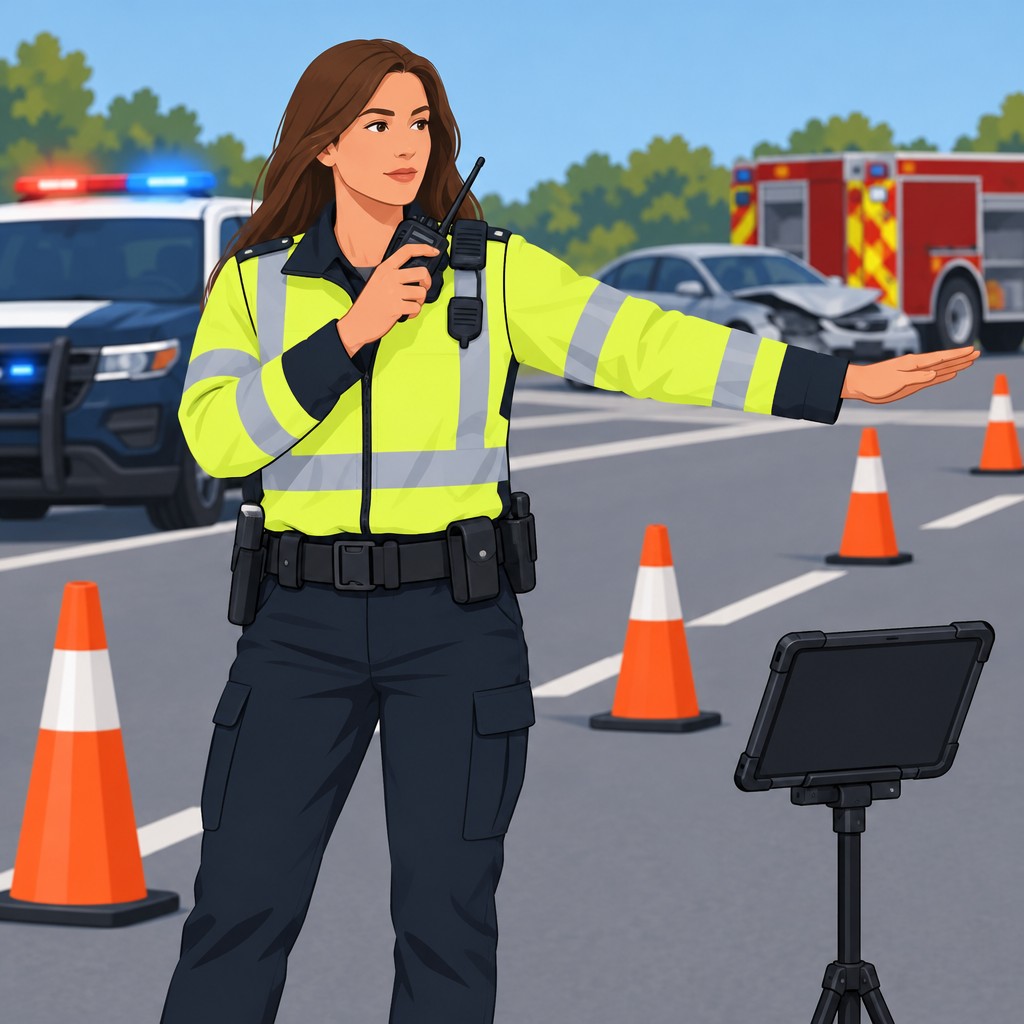
Emergency Equipment and Resources
Public safety officers rely on various equipment and resources during emergency responses.
Their equipment supports communication, immediate assistance, and personal safety.
Together, these resources help officers manage emergency situations effectively.
Equipment Used During Emergency Response
Officers use several tools when responding to emergencies.
These tools help officers communicate, provide assistance, and maintain safety.
They also support coordination during changing emergency conditions.
- Radio communication devices
- Flashlights
- Protective gear such as helmets and vests
- First aid kits
- Fire extinguishers
- Vehicles such as patrol cars and ambulances
- Crowd control barriers
Technology Supporting Public Safety Responses
Recent technological advances have changed how officers respond to emergencies.
These tools improve the speed, accuracy, and effectiveness of emergency response efforts.
Additionally, officers can retrieve information and communicate more efficiently through mobile devices.
- Monitoring live video feeds from surveillance cameras
- Tracking emergency callers through GPS technology
- Accessing databases for quick information retrieval
- Using drones for aerial surveillance
- Communicating efficiently through mobile devices
Equipment Maintenance and Upkeep
Proper maintenance helps officers perform their duties effectively.
Regular upkeep prevents equipment failures during critical moments.
It also extends equipment lifespan and reduces risks from malfunctions or accidents.
- Preventing equipment failures during critical moments
- Extending the lifespan of tools and resources
- Keeping equipment in optimal working condition
- Minimizing malfunction and accident risks
Find Out More: CBP Officer Participation in Public Awareness Programs
Emotional Challenges in Public Safety Work
Public safety officers often face intense emotional challenges during emergency responses.
Traumatic events, life-threatening situations, and high-pressure conditions can affect their mental well-being.
Therefore, agencies must address emotional health alongside operational responsibilities.
Traumatic Exposure and Emotional Strain
Officers may witness tragic accidents, violent crimes, and natural disasters.
These experiences can overwhelm officers emotionally and create lasting psychological effects.
Meanwhile, constant danger can contribute to anxiety, stress, and post-traumatic stress disorder.
- Officers often respond first to traumatic events affecting victims and communities.
- Daily exposure to dangerous situations can increase emotional strain and fear.
- Officers may grieve after losing colleagues, victims, or community members.
Mental Health Support for Public Safety Officers
Officers should recognize emotional distress before it becomes more serious.
Common warning signs include insomnia, mood changes, irritability, and social withdrawal.
Agencies can support officers by providing confidential resources and encouraging early assistance.
- Officers should monitor changes in sleep, mood, behavior, and social engagement.
- Agencies should offer counseling services, peer groups, and confidential hotlines.
- Open conversations can reduce stigma and encourage officers to seek help.
Coping Strategies for Emotional Resilience
Self-care practices can help officers protect their physical and emotional well-being.
Trusted colleagues can provide understanding after difficult emergency experiences.
Professional counseling can offer coping tools and a safe place to express emotions.
- Regular exercise, meditation, hobbies, and family time can support resilience.
- Peer support creates trusted connections within public safety organizations.
- Mental health professionals can help officers manage stress and process emotions.
See Related Content: TSA Officer Physical Fitness Requirements and Tips
Community Engagement
- Public safety officers engage with communities to promote emergency preparedness.
- They host workshops, seminars, and training sessions about safety protocols and procedures.
- Furthermore, officers involve community members in emergency drills and exercises.
- They also work with schools, businesses, and organizations to spread safety awareness.
Public Education and Safety Awareness
- Public safety officers serve as key resources for sharing critical emergency information.
- They provide guidance about evacuations, shelter locations, and disaster safety.
- Through outreach programs and social media campaigns, officers explain potential risks.
- They also describe emergency response tactics, empowering individuals to protect themselves.
Trust and Rapport With Communities
- Public safety officers need trust and rapport to perform their duties effectively.
- When residents trust local officers, they more readily follow safety guidelines.
- They also become more likely to report suspicious activities.
- Additionally, relationships with diverse groups foster collaboration and shared responsibility.
- Strong trust creates a supportive network that strengthens emergency response efforts.
Case Studies and Examples
As a public safety officer, I once responded to a major car accident during rush hour.
Despite the chaos and panic, I remained calm and coordinated the rescue effort effectively.
Similarly, another public safety officer diffused tension between opposing groups at a public event.
Through communication and strategic positioning, the officer prevented a potential outbreak of violence.
Transform Your Career Today
Unlock a personalized career strategy that drives real results. Get tailored advice and a roadmap designed just for you.
Start NowLessons Learned from Past Emergencies
Past emergencies have shown me that communication remains essential.
Clear, concise messages prevent misunderstandings during crisis situations.
They also keep team members aligned while response efforts develop.
Consequently, agencies implement communication protocols and conduct regular training exercises.
Emergencies also require adaptability because conditions can change without warning.
Officers must think on their feet and adjust strategies in real time.
This flexibility supports dynamic response plans tailored to each emergency.
Impact of Effective Leadership in Emergency Situations
Effective leadership sets the tone for an emergency response.
A strong leader inspires confidence, provides direction, and makes decisions quickly.
These actions can influence outcomes and protect everyone involved.
During a natural disaster, one public safety leader remained composed under pressure.
The leader delegated tasks efficiently and maintained open communication with team members.
Consequently, the coordinated response mitigated the disaster’s impact successfully.
Public Safety Officers Protect Communities During Crises
Public safety officers protect communities by managing emergency situations.
They use professional training to support public safety and community well-being.
Throughout emergencies, these officers apply their responsibilities to protect people and property.
Moreover, their dedication and professionalism strengthen their service during difficult moments.
Communities should recognize and support officers who risk their lives while serving the public.
Additional Resources
Google search results for Public Safety Officer: Navigating Emergency Situations Protective Services
Bing search results for Public Safety Officer: Navigating Emergency Situations Protective Services


