




Customs and Border Protection Responsibilities
Customs and Border Protection officers play a critical role in border security.
They enforce laws and regulations at ports of entry.
Their duties include inspecting goods, vehicles, and individuals entering the country.
These inspections help prevent illegal activities such as smuggling and terrorism.
CBP officers need public awareness programs to educate people about their duties and responsibilities.
These programs help build trust and improve communication with the communities they serve.
They also address misconceptions and promote transparency.
As a result, public engagement can enhance public safety.
Benefits of CBP Officers Participating in Public Awareness Programs
Public awareness programs create opportunities for CBP officers to engage directly with communities.
These interactions help residents understand CBP work and border security efforts.
They also encourage cooperation between officers and the communities they serve.
Enhanced Public Trust and Cooperation
- First, officers demonstrate their commitment to serving and protecting communities through transparent public engagement.
- Consequently, public understanding of CBP roles can strengthen confidence in border security efforts.
- Moreover, positive interactions humanize officers and encourage mutual respect between CBP and community members.
Greater Understanding of Border Security Challenges
- Officers explain the complex border security challenges they encounter each day.
- Additionally, they describe procedures and protocols, helping residents understand the rigor behind border protection.
- Through demonstrations and firsthand accounts, officers clarify misconceptions about the value of border security.
Improved Community Relationships and Support
- Community events help officers build stronger relationships with residents and visitors.
- Furthermore, outreach allows officers to show their commitment to community well-being.
- When communities feel valued, they may more readily support CBP initiatives for security and safety.
Public awareness programs therefore strengthen trust between CBP officers and community members.
They also improve public understanding of border security challenges and procedures.
Together, these benefits can support stronger relationships and more effective security initiatives.
Public Awareness Programs for CBP Officers
CBP officers can support public awareness through schools, community events, and targeted outreach.
These activities explain border security, customs regulations, and risks connected to trafficking and smuggling.
They also help officers communicate directly with different groups.
School Presentations on Border Security
School presentations help students understand border security and customs regulations.
Officers can explain why these issues matter in clear, accessible language.
This engagement can help students develop informed perspectives about border security.
Community Events and Public Questions
Community events give CBP officers opportunities to answer questions about their operations.
Direct conversations allow residents to raise concerns and request clear explanations.
Moreover, these discussions encourage open communication between officers and community members.
Outreach for Vulnerable Populations
Targeted outreach can inform immigrant communities and at-risk individuals about human trafficking and smuggling.
Officers can describe warning signs, explain potential dangers, and share available resources.
This guidance can help vulnerable people recognize exploitation and seek appropriate assistance.
Public Education and Protection
By continuing these activities, CBP officers can educate the public about border-related concerns.
They can also help prevent human trafficking and smuggling through timely information and resources.
This work supports their duty to safeguard borders and uphold customs regulations.
Gain More Insights: TSA Officer Physical Fitness Requirements and Tips
CBP officers can use several resources when they join public awareness programs.
These resources help them address diverse audiences and present important messages clearly.
Together, training, materials, and leadership guidance support consistent public engagement.
Specialized Training for Public Engagement
Specialized training prepares officers to communicate with diverse audiences.
It helps them present information clearly and concisely.
Moreover, officers can adapt their communication to each audience’s specific needs.
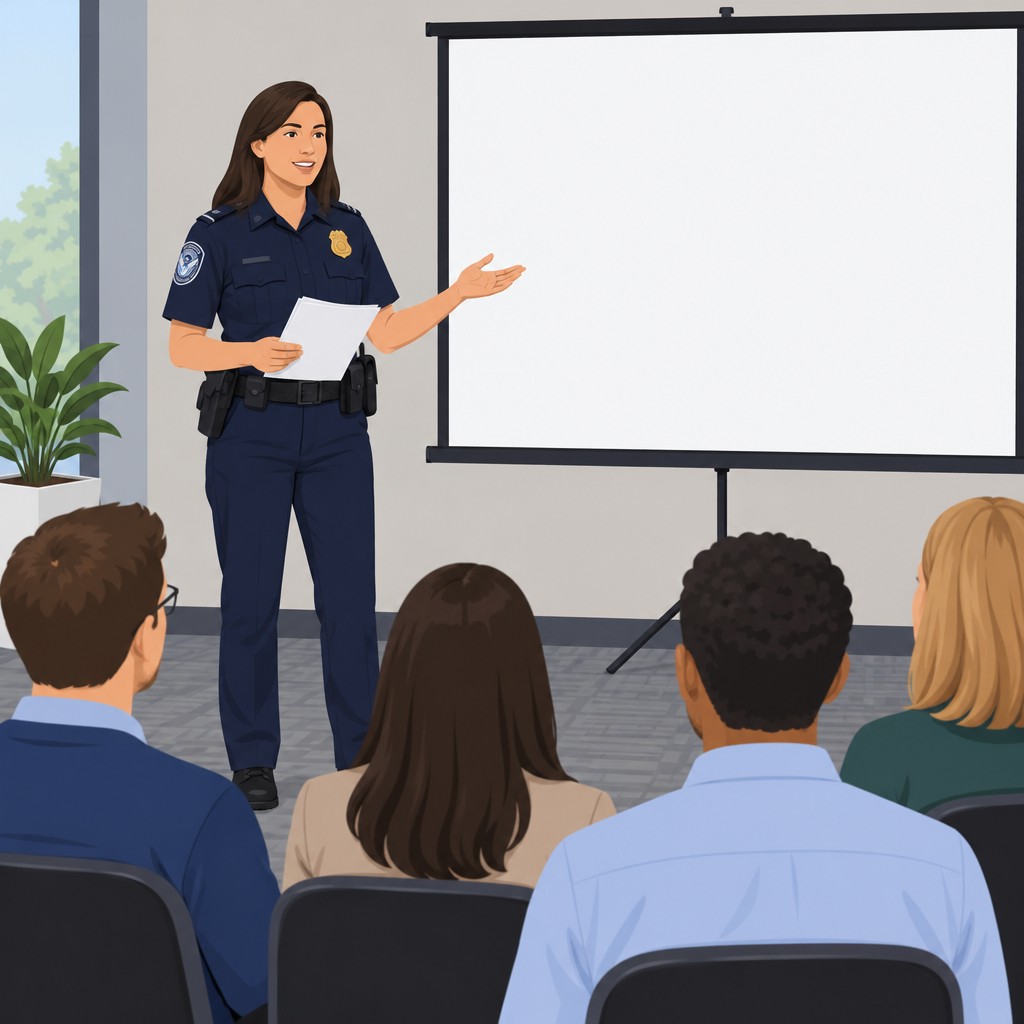
Educational Materials for Outreach Events
Officers can use educational materials and presentations during outreach events.
These resources explain border security, trade enforcement, and immigration processes.
Consequently, structured materials help officers deliver engaging and informative messages.
Leadership Support for Public Communication
CBP leadership encourages officers to participate in public awareness programs.
Transform Your Career Today
Unlock a personalized career strategy that drives real results. Get tailored advice and a roadmap designed just for you.
Start NowLeaders provide guidance as officers engage with the public.
They also help officers represent CBP’s mission and values positively.
With these resources, officers can communicate more effectively during public programs.
Their preparation supports transparency, trust, and cooperation with the communities they serve.
This support helps CBP officers share important information with greater clarity.
Discover More: Top Personal Protection Gear for Bodyguards
Challenges and Barriers to CBP Officers Participating in Public Awareness Programs
CBP officers face several barriers when they participate in public awareness programs.
Limited time, security concerns, and evaluation needs can restrict their involvement.
Addressing these barriers requires careful planning, resource support, and regular feedback.
- Demanding responsibilities can limit officers’ available time and resources.
- Public engagements may create security risks and potential threats.
- Ongoing evaluation and feedback can improve outreach efforts.
Limited Time and Resources
CBP officers manage demanding duties, including border patrol and inspections of goods and travelers.
These responsibilities consume time and may require officers to prioritize operational work.
Limited manpower and funding can further restrict participation in outreach efforts.
Security Risks and Potential Threats
CBP officers work in environments where security threats remain a constant concern.
Public engagements may expose officers to individuals with malicious intent.
Those engagements might also risk revealing sensitive information about their work.
Ongoing Evaluation and Feedback
Effective public awareness programs require regular evaluation and constructive feedback.
Without feedback, officers may not understand how their outreach affects audiences.
Regular evaluation can identify effective practices and areas needing improvement.
Gain More Insights: K-9 Officer Salary: What to Expect in the U.S.
Strategies for Increasing CBP Officer Participation
CBP can strengthen public awareness programs by making officer participation practical, recognized, and secure.
These strategies help officers balance outreach with regular duties.
Clear support can encourage consistent engagement with community audiences.
- Flexible scheduling options can help officers allocate time for outreach activities.
- Additional incentives or recognition can acknowledge officers who actively support community outreach.
- Clear protocols and safety measures can address security concerns during public events.
Flexible Scheduling for Outreach Activities
Flexible scheduling gives officers time for outreach without compromising regular duties.
Officers can choose suitable participation times while balancing their responsibilities.
This approach can make community involvement easier and increase participation.
Recognition for Community Outreach
Recognition can encourage officers who actively support community outreach.
Possible rewards include bonuses, extra time off, or public acknowledgment.
Such appreciation can motivate other officers to participate.
Safety Protocols for Public Events
Clear protocols can address security concerns during public events.
Training and necessary resources can help officers manage those settings confidently.
Consequently, officers may feel more comfortable engaging with community members.
Learn More: Cybersecurity Skills for Modern Bodyguards
Strengthening Community Engagement and Public Safety
CBP officers strengthen community engagement through public awareness programs.
However, the agency needs additional support and resources to increase officer involvement.
By joining outreach efforts, officers can build public trust and promote safety.
Therefore, the agency should prioritize and encourage participation in these initiatives.
Meanwhile, officers and community members can build stronger relationships and promote security together.
Through collaboration and understanding, everyone can help create a safer future.
Additional Resources
Google search results for CBP Officer Participation in Public Awareness Programs Protective Services
Bing search results for CBP Officer Participation in Public Awareness Programs Protective Services
Transform Your Career Today
Unlock a personalized career strategy that drives real results. Get tailored advice and a roadmap designed just for you.
Start Now


