




Highway Patrol Officer Safety
Highway patrol officers help protect the safety and security of roadways.
They perform duties that require careful attention to changing traffic conditions.
Therefore, officers should follow established safety tips and protocols during every assignment.
Importance of Safety Protocols
Safety guidelines help officers reduce the risk of accidents and injuries while working.
These protocols also support effective responses to roadway emergencies.
By following them consistently, officers can perform their responsibilities more safely.
Protective Practices During Patrol
Officers should use protective equipment and maintain awareness around moving vehicles.
They must also approach drivers carefully, particularly during high-risk situations.
These practices help officers manage traffic stops with greater caution.
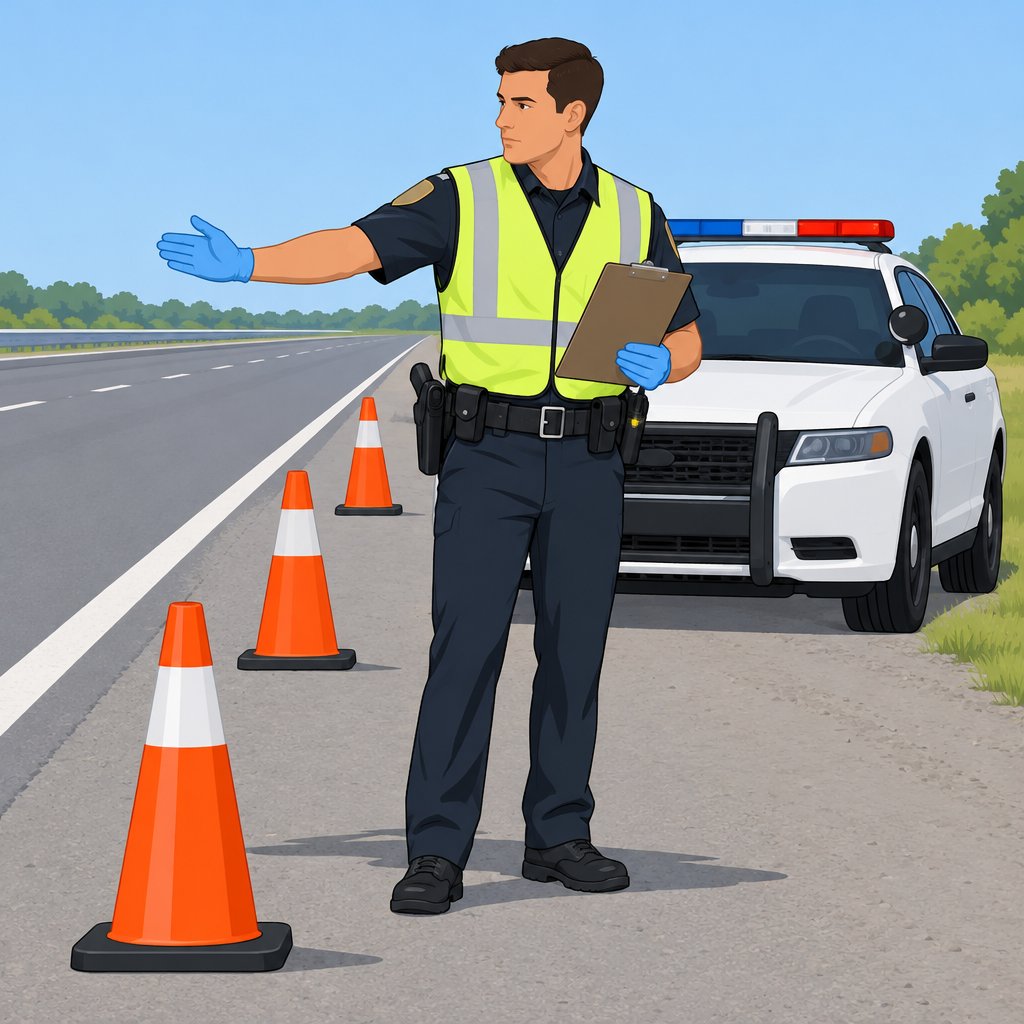
- Always wear appropriate protective gear, including helmets, vests, and gloves.
- Maintain a safe distance from vehicles during traffic stops to reduce collision risks.
- Use caution when approaching vehicles or interacting with drivers in high-risk situations.
Managing Traffic Incidents
Officers should secure each incident scene before managing surrounding traffic.
Clear communication can help de-escalate tense interactions with drivers.
When circumstances become dangerous or unpredictable, officers should request additional support.
- Secure the scene by setting up flares or cones for oncoming traffic.
- Communicate clearly and professionally with drivers during tense situations.
- Request backup or additional support during dangerous or unpredictable circumstances.
Training and Continued Education
Regular training helps officers remain familiar with current safety protocols.
Continued education also reinforces procedures for handling workplace challenges.
As a result, officers can respond to their duties with stronger preparation.
Professional Safety and Effectiveness
Consistent safety practices support the well-being of highway patrol officers.
They also help officers carry out their duties with professionalism and efficiency.
Prioritizing safety strengthens both personal protection and emergency response efforts.
Regular Training for Highway Patrol Officers
Regular training sessions equip highway patrol officers with skills and knowledge for challenges arising during their duties.
Departments can use these sessions to keep officers current on safety protocols and procedures.
Moreover, ongoing instruction helps officers respond to changing technologies and techniques.
- Officers should receive updates on the latest safety protocols.
- Training should address high-risk situations, including approaches to stopped vehicles on highways.
Stopped vehicles can create serious danger, so officers need effective and safe response methods.
Training sessions should include scenarios and simulations that let officers practice skills within controlled environments.
This hands-on approach can build confidence before officers face similar real-life situations.
Departments should therefore provide regular instruction that supports safe and effective job performance.
Equipment That Supports Officer Safety
- Protective gear, including bulletproof vests, supports officer safety.
- Additionally, helmets provide added protection during dangerous situations.
- Communication devices help officers call for backup quickly.
- Radios or cell phones ensure help remains only a call away.
- Furthermore, proper gear improves an officer’s emergency response.
- Flashlights and batons can also support self-defense.
- Officers should check every item regularly and keep it in good condition.
- Proper training teaches officers to wear and use gear safely.
- Organizations should provide necessary protective equipment for their officers.
- Regular maintenance keeps gear functional when officers need it most.
By using suitable tools and following these practices, highway patrol officers can respond effectively to situations on the job.
See Related Content: Sheriff vs. Deputy Sheriff: Roles and Differences
Situational Awareness During Highway Patrol
Situational awareness helps highway patrol officers recognize changing conditions during every assignment.
Officers should remain alert while patrolling highways or conducting traffic stops.
This awareness allows officers to identify potential threats before situations become dangerous.
- Officers should observe their surroundings at all times.
- Officers should assess potential threats and react quickly during dangerous situations.
Constant Vigilance During Duty
Highway patrol officers should remain observant while patrolling roads or conducting traffic stops.
Careful observation can reveal potential threats before they escalate.
Officers can improve their safety by staying alert throughout each assignment.
Assessing Potential Threats
Officers need practical guidance for recognizing signs of danger.
Threat assessment helps officers choose suitable responses during high-risk situations.
Quick, effective reactions can help officers protect themselves and other people.
Alertness During Highway Patrol
While patrolling, officers should scan the road ahead for changing conditions.
They should also check their rearview mirrors frequently.
Suspicious behavior from other drivers may require a prompt response.
Backup and Communication Procedures
Officers should request backup or additional assistance whenever circumstances require it.
Transform Your Career Today
Unlock a personalized career strategy that drives real results. Get tailored advice and a roadmap designed just for you.
Start NowClear communication with fellow officers and dispatch supports safer responses.
Officers should understand emergency procedures before facing dangerous situations.
Calm Decisions During High-Stress Situations
High-stress situations require officers to remain calm and collected.
A level-headed approach helps officers make better decisions.
Following established procedures can improve responses during threats or emergencies.
Department Policies and Procedures
Highway patrol officers should follow department policies during every assignment.
Established procedures help officers minimize risks while performing their duties.
Consistent compliance also supports professional conduct and public safety.
Situational awareness remains an important part of highway patrol work.
Officers can protect themselves and the public by applying these safety practices.
You Might Also Like: CBP Officer Participation in Public Awareness Programs
Traffic Safety Practices for Highway Patrol Officers
Traffic safety guidelines help officers manage roadway duties with greater care.
These practices reduce accident risks while officers drive or respond to traffic conditions.
Officers should apply these measures consistently throughout every assignment.
- Officers should wear seat belts while driving and obey posted speed limits.
- They should use turn signals and headlights to improve roadway visibility.
Seat Belt Use and Speed Control
Seat belts provide a basic safeguard during vehicle collisions.
Officers should buckle up whenever they enter a patrol vehicle.
Meanwhile, obeying speed limits helps officers maintain vehicle control and protect nearby motorists.
Excessive speed can increase collision risks and make vehicles harder to control.
Turn Signals and Headlight Use
Turn signals communicate an officer’s intended movement to other drivers.
They also support smoother traffic flow during lane changes.
Using signals can reduce confusion caused by unexpected vehicle movements.
Headlights improve visibility during low light conditions and bad weather.
Officers should keep headlights in working condition and use them when necessary.
These practices help officers and other motorists share the road more safely.
Discover More: TSA Officer Physical Fitness Requirements and Tips
Self-Care and Officer Safety
Law enforcement officers face significant stress and pressure during their duties.
Their work can expose them to dangerous situations and demanding responsibilities.
Therefore, officers should protect their mental and physical well-being to support safety on duty.
Mental and Physical Well-Being During Duty
Strong mental health helps officers manage pressure while performing their responsibilities.
Physical health supports alertness, energy, and readiness during demanding assignments.
Regular self-care can help officers manage stress and maintain their well-being.
Stress Management Practices
Officers can use several practical methods to manage stress during and after work.
Mindfulness, physical activity, and supportive conversations can help reduce tension.
Additionally, healthy boundaries can help officers maintain balance between work and personal life.
- Practice deep breathing exercises or meditation to help reduce stress levels.
- Engage in regular physical activity to release tension and support overall well-being.
- Talk with colleagues, friends, or professional counselors about feelings and concerns.
- Establish work-life boundaries and prioritize activities that support self-care.
Rest and Recovery Practices
Adequate rest helps officers recharge their bodies and minds.
Better sleep can support alertness and energy during work assignments.
Officers can create routines that encourage relaxation and improve sleep quality.
- Get enough sleep each night to recharge and rejuvenate your body and mind.
- Avoid caffeine and electronic devices before bedtime to encourage better sleep quality.
- Create a relaxing bedtime routine that helps your body prepare for rest.
- Consider short power naps during breaks to support alertness and energy.
Healthy Lifestyle Practices
A balanced lifestyle gives officers nutrients and energy for daily responsibilities.
Hydration, healthy food choices, and enjoyable activities can support overall well-being.
Officers should also limit habits that may increase health risks.
Transform Your Career Today
Unlock a personalized career strategy that drives real results. Get tailored advice and a roadmap designed just for you.
Start Now- Eat fruits, vegetables, lean proteins, and whole grains to support your health.
- Drink enough water throughout the day to support overall well-being.
- Avoid excessive alcohol consumption and smoking to reduce potential health risks.
- Enjoy hobbies or activities outside work to relax and recharge.
Uncover the Details: Top Personal Protection Gear for Bodyguards
Buddy System Partnerships
Law enforcement agencies can pair officers during dangerous patrols and high-risk incidents.
Partners should watch for changing conditions and support each other throughout challenging assignments.
This approach strengthens teamwork, improves awareness, and helps prevent dangers from escalating.
- Officers should patrol dangerous areas with assigned partners whenever operational conditions require additional support.
- Partners should monitor each other’s safety and maintain awareness of surrounding conditions.
- Officers can provide immediate support when challenging situations create additional risks.
Benefits of Officer Partnerships
A reliable partner gives officers another source of observation and immediate assistance.
Moreover, partners can exchange information and coordinate their actions more effectively.
They can also compare risk assessments before making quick decisions during incidents.
- A partner can watch an officer’s back and respond when safety concerns arise.
- Partners can share information and coordinate responses during patrols or critical incidents.
- Two officers can assess risks together and make more informed decisions quickly.
Establishing Effective Officer Partnerships
Agencies should create partnerships that encourage trust, compatibility, and dependable cooperation.
Clear communication protocols help partners coordinate actions during patrols and critical incidents.
Regular practice allows officers to strengthen teamwork and respond more confidently together.
- Assign partners according to compatibility and trust to support strong working relationships.
- Establish communication protocols that guide coordination during patrols and critical incidents.
- Conduct regular training sessions that develop cooperation and shared response skills.
Officer Safety During a Violent Traffic Stop
During a routine traffic stop, Officer Smith encountered an agitated driver who became violent.
Officer Johnson quickly called for backup and helped diffuse the situation.
The partnership protected Officer Smith and prevented harm to nearby civilians.
This example demonstrates how partners can support officers before a dangerous encounter escalates.
A buddy system can improve safety, reduce response times, and strengthen operational effectiveness.
Effective Communication During Highway Patrol Duties
- Clear and concise communication should guide interactions among officers and dispatch.
- Officers should learn effective radio use and accurate emergency information relay.
Clear communication helps highway patrol officers protect themselves and the public during demanding emergency situations.
Under pressure, concise messages can improve an officer’s emergency response.
Therefore, officers should communicate accurately with colleagues and dispatch throughout each incident.
- Officers should listen actively to colleagues and dispatch, noting verbal cues, tone, and nonverbal communication.
- Use simple, direct language, and avoid jargon or technical terms that could confuse others.
- Ask clarifying questions and repeat information to confirm accurate understanding.
- Training should cover radio operation, frequency adjustments, channel changes, and clear message transmission.
- Agencies should establish communication protocols for relaying information between officers and dispatch.
- Teach officers to use codes and signals discreetly while protecting sensitive operational information.
- Regular drills should rehearse communication skills across varied emergency scenarios.
These drills can improve response times and coordination during real highway emergencies.
With suitable tools and training, agencies can strengthen officer safety and operational effectiveness.
Clear messages can prevent misunderstandings, support timely responses, and help save lives during emergencies.
Consistent Safety Practices for Highway Patrol Officers
Highway patrol officers must always wear seatbelts and maintain safe following distances.
During traffic stops, officers should approach vehicles cautiously to reduce potential dangers.
They should remain aware of their surroundings and stay vigilant throughout each duty assignment.
Additionally, regular training and recertification can prepare officers to handle emergency situations effectively.
These safety tips and protocols support the well-being of highway patrol officers.
Therefore, officers should consistently prioritize safety and take necessary precautions.
Additional Resources
Google search results for Highway Patrol Officer Safety Tips and Protocols Protective Services
Bing search results for Highway Patrol Officer Safety Tips and Protocols Protective Services


