




Introduction
Fish and Game Wardens play a crucial role in protecting natural resources.
They enforce laws and regulations to support natural resource protection.
Additionally, community involvement helps create awareness and promote conservation efforts.
Duties of Fish and Game Wardens
Fish and Game Wardens protect wildlife and natural resources through daily fieldwork and public service.
They patrol outdoor areas to identify activities that violate hunting, fishing, and wildlife protection laws.
Their responsibilities combine enforcement, investigations, education, and conservation cooperation.
- Monitoring and enforcing hunting, fishing, and wildlife protection laws
- Investigating illegal poaching and pollution incidents
- Educating the public about conservation efforts
Field Enforcement and Investigations
Wardens monitor outdoor areas to ensure people follow established regulations.
They detect activities such as out-of-season hunting, excessive harvests, and unlicensed fishing.
When reports arise, wardens investigate suspected poaching or pollution and gather relevant evidence.
They also work with local law enforcement agencies to prosecute wildlife protection violations.
Public Education and Conservation Partnerships
Wardens conduct outreach programs in schools, community centers, and outdoor events.
These programs explain conservation responsibilities and encourage people to protect natural resources.
Wardens collaborate with local organizations and businesses to promote environmental stewardship.
They organize clean-up events that restore habitats and improve ecosystem health.
Participants develop pride and ownership while becoming environmental advocates.
Wardens also attend fairs, festivals, and workshops to answer questions about wildlife protection.
By remaining accessible, they build trust and strengthen relationships with community members.
These combined efforts support natural resource protection and encourage responsible stewardship for future generations.
Community Outreach Programs
Wardens engage residents through educational programs and activities focused on wildlife and conservation.
These efforts help community members understand their responsibilities toward natural habitats and wildlife.
Furthermore, outreach programs encourage people to participate in conservation efforts within their communities.
- Organizing educational workshops and outdoor activities
- Collaborating with schools to teach wildlife and conservation
- Partnering with local organizations to promote environmental awareness
Organizing Community Events
Wardens organize events that bring people together to learn about wildlife and conservation.
These events may include educational workshops, outdoor activities, and seminars.
Consequently, participants gain greater awareness of the importance of preserving natural habitats.
Collaborating with Schools
Wardens collaborate with schools to introduce students to wildlife conservation.
They work with educators to develop lessons about local ecosystems and endangered species.
These activities help students recognize the importance of conservation efforts.
Partnering with Local Organizations
Wardens partner with conservation groups, nonprofits, and community associations.
These partnerships promote environmental awareness and support shared conservation initiatives.
Additionally, collaboration helps partners reach broader audiences with messages about environmental stewardship.
Strengthening Environmental Stewardship
Community involvement strengthens the connection between residents and the natural resources around them.
Through outreach, wardens inspire individuals to care for wildlife and natural habitats.
These efforts support a sustainable future for wildlife and ecosystems.
See Related Content: Highway Patrol Contribution to Homeland Security
Building Relationships with Local Communities
- Establish trust with residents in rural and urban areas.
- Work closely with landowners to address wildlife-related issues.
- Provide wildlife management information to community members.
Fish and game wardens build trust with residents in both rural and urban communities.
This trust helps wardens address wildlife management concerns more effectively.
Additionally, wardens work closely with landowners to resolve wildlife-related problems.
For example, they help address nuisance animals affecting crops or livestock.
These partnerships help protect both wildlife and landowners.
Wardens also serve as resources for residents seeking wildlife management information.
Transform Your Career Today
Unlock a personalized career strategy that drives real results. Get tailored advice and a roadmap designed just for you.
Start NowThey understand local wildlife species, habitats, and conservation efforts.
As a result, wardens provide useful guidance to community members interested in wildlife conservation.
Strong community relationships help wardens protect wildlife and support conservation efforts.
Explore Further: Technological Tools Used by TSA Officers for Security
Volunteer Initiatives Supporting Conservation
Volunteer initiatives expand conservation work through organized public participation.
Fish and game wardens coordinate these efforts while guiding residents toward practical conservation activities.
These activities support wildlife monitoring, habitat care, and public education.
Recruiting and Training Conservation Volunteers
Wardens recruit volunteers for projects that support wildlife and habitat conservation.
They train participants to monitor wildlife populations and assess habitats.
Through this preparation, volunteers can support conservation tasks and educate their communities.
Supporting Clean-Up and Habitat Restoration Projects
Community clean-up events help remove waste from natural areas.
Meanwhile, habitat restoration projects improve ecosystem health and support sustainable natural resources.
By participating directly, wardens show their commitment to preserving these areas for future generations.
Encouraging Residents to Protect Natural Resources
Wardens encourage residents to help protect natural resources.
Community outreach, educational workshops, and interactive events explain why conservation matters.
Residents can then take practical action to safeguard their local environment.
Together, these volunteer initiatives strengthen public participation in conservation.
They also promote sustainable practices and encourage environmental stewardship.
Through these efforts, wardens help communities preserve natural resources for future generations.
Discover More: The Role of ICE Agents in Border Security
Responding to Community Concerns
- Address complaints about wildlife encounters and environmental hazards.
- Guide residents toward safe coexistence with wildlife.
- Collaborate with local authorities on wildlife-related public safety issues.
Fish and Game Wardens respond to community concerns involving wildlife encounters and environmental hazards.
Residents often contact wardens when wildlife enters neighborhoods or environmental problems arise.
Wardens address complaints and offer practical guidance for safer interactions with wildlife.
They may respond to nuisance wildlife on private property.
They also assist with injured or sick animals.
Additionally, wardens help manage wildlife that threatens humans or pets.
Wardens resolve these situations safely and humanely.
They often work with wildlife experts and conservation organizations to identify suitable solutions.
Furthermore, wardens teach residents how to reduce wildlife conflicts near their homes.
They recommend securing trash cans so animals cannot access food waste.
Residents should also remove food sources that attract wildlife into neighborhoods.
Wardens advise people never to feed wild animals.
These practices help residents and wildlife share residential areas more safely.
Wardens also coordinate with local authorities during wildlife-related public safety incidents.
They may work alongside law enforcement agencies, animal control services, and emergency response teams.
These partnerships support coordinated responses to aggressive or dangerous animals.
Consequently, wardens help protect residents while supporting humane wildlife management.
Find Out More: Campus Security Officer: Crime Prevention Tactics
Promoting Ethical Hunting and Fishing Practices
- Wardens educate sportsmen about regulations and sustainable harvesting practices.
- They conduct inspections and license checks to ensure compliance with laws.
- They encourage responsible behavior through outreach campaigns for hunters and anglers.
Educating Sportsmen on Regulations and Best Practices
Fish and Game Wardens educate sportsmen about regulations and sustainable harvesting practices.
They use workshops, seminars, and training sessions to explain wildlife management rules.
Transform Your Career Today
Unlock a personalized career strategy that drives real results. Get tailored advice and a roadmap designed just for you.
Start NowThis guidance helps hunters and anglers follow ethical practices while supporting balanced wildlife populations.
Conducting Inspections and License Checks
Fish and Game Wardens conduct inspections and license checks to enforce hunting and fishing laws.
They patrol hunting and fishing areas while monitoring activities for compliance.
Regular checks help prevent illegal practices and support sustainable wildlife populations.
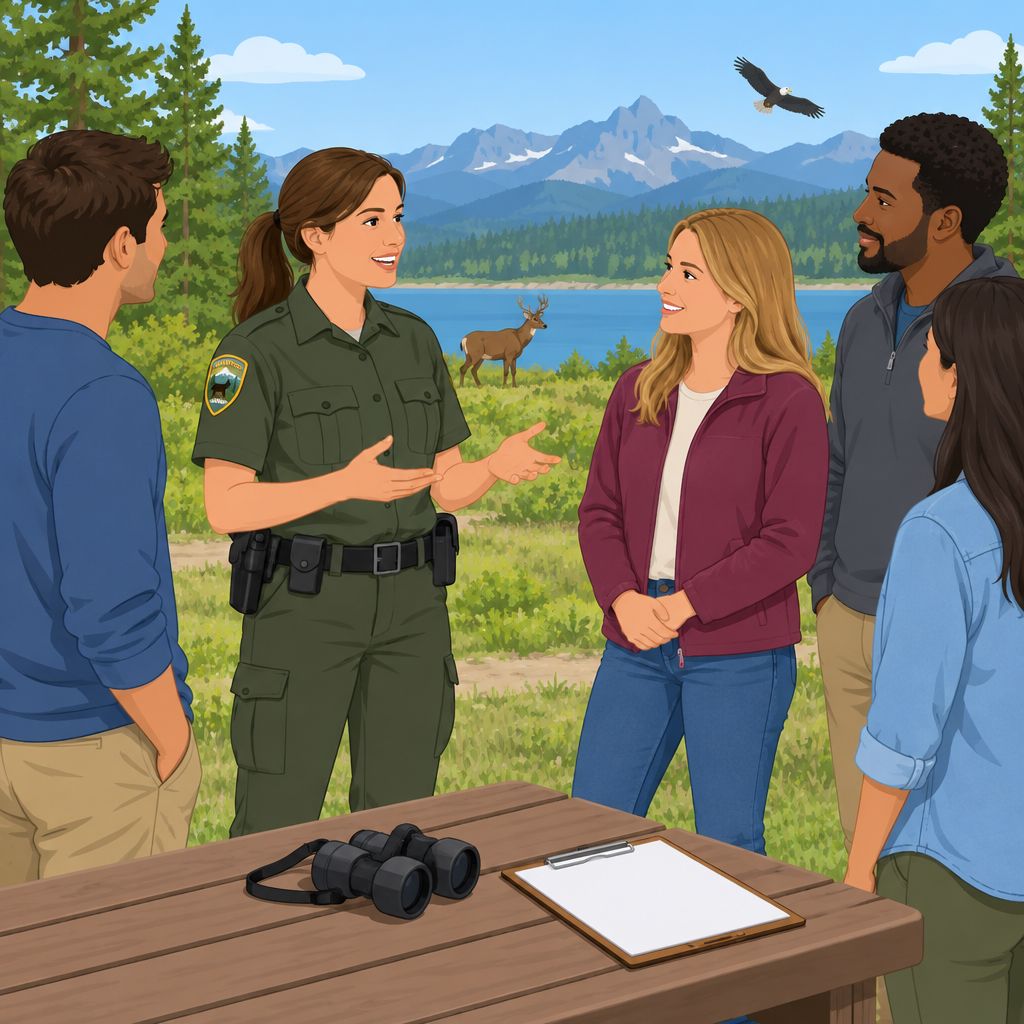
Encouraging Responsible Behavior Through Outreach Campaigns
Fish and Game Wardens encourage responsible behavior among hunters and anglers through outreach campaigns.
They collaborate with community organizations, schools, and outdoor recreational groups to promote ethical practices.
These efforts raise conservation awareness and encourage respect for the environment.
Fostering Community Stewardship
- Inspire residents to value their natural surroundings
- Empower individuals to report suspicious activities or environmental violations
- Encourage conservation and respect for wildlife throughout the community
As wardens, we strengthen stewardship by helping residents value nearby natural resources.
Residents who understand local ecosystems can support conservation decisions.
Their participation also helps sustain wildlife and natural habitats.
Inspiring Pride in Natural Surroundings
Education and outreach can help residents recognize the value of local wildlife and ecosystems.
This knowledge encourages residents to appreciate the places and species around them.
As appreciation grows, residents may support conservation efforts and protect their surroundings.
Empowering Environmental Reporting
Residents can help protect wildlife by reporting suspicious activities and environmental violations.
They should report illegal hunting, illegal fishing, pollution, or other harmful conduct.
These reports help authorities address threats to wildlife and natural habitats.
Encouraging Conservation and Respect for Wildlife
Wardens encourage responsible outdoor recreation and sustainable practices within the community.
These practices help residents develop a stronger connection with the natural world.
That connection encourages residents to respect wildlife and protect the environment for future generations.
Engaging the Community
Wardens engage community members while enforcing fish and game laws.
They listen to local observations and encourage residents to share relevant information.
This cooperation helps wardens address violations with greater community awareness.
Educating the Public
Wardens explain hunting and fishing regulations in clear, accessible terms.
Consequently, residents can better understand rules that support conservation.
Regular explanations also help community members make informed decisions outdoors.
Building Trust
Consistent communication helps wardens earn confidence from community members.
Residents become more willing to cooperate when wardens explain their actions.
Trust strengthens relationships that support future conservation efforts.
Reporting Suspicious Activity
Community members can report suspicious activity occurring in their area.
These reports give wardens information about possible illegal activities.
Timely communication helps wardens respond to concerns more effectively.
Enhancing Communication
Clear communication allows wardens and residents to exchange useful information.
Moreover, accurate exchanges reduce confusion about regulations and conservation responsibilities.
Better communication can therefore improve cooperation around natural resources.
Community Support for Wardens
Community involvement gives wardens practical support during conservation efforts.
Residents contribute local knowledge when they communicate with wardens.
This support helps wardens pursue their mission with stronger public cooperation.
Collaboration for Natural Resource Protection
Wardens and community members share responsibility for protecting natural resources.
Through collaboration, both groups can coordinate conservation efforts more effectively.
Such coordination connects enforcement, communication, and public support.
Transform Your Career Today
Unlock a personalized career strategy that drives real results. Get tailored advice and a roadmap designed just for you.
Start NowCommunity Engagement and Conservation Outcomes
Community involvement strengthens the connection between wardens and residents.
Together, they can support conservation through communication, cooperation, and shared attention.
These combined efforts help protect natural resources.
Additional Resources
Google search results for Fish and Game Wardens: Community Involvement Protective Services
Bing search results for Fish and Game Wardens: Community Involvement Protective Services


