




Correctional Officers and Inmate Management
Correctional officers play a vital role in maintaining order and security within correctional facilities.
Effective inmate management protects both officers and inmates.
Together, these responsibilities support a secure and orderly correctional environment.
Responsibilities of Correctional Officers
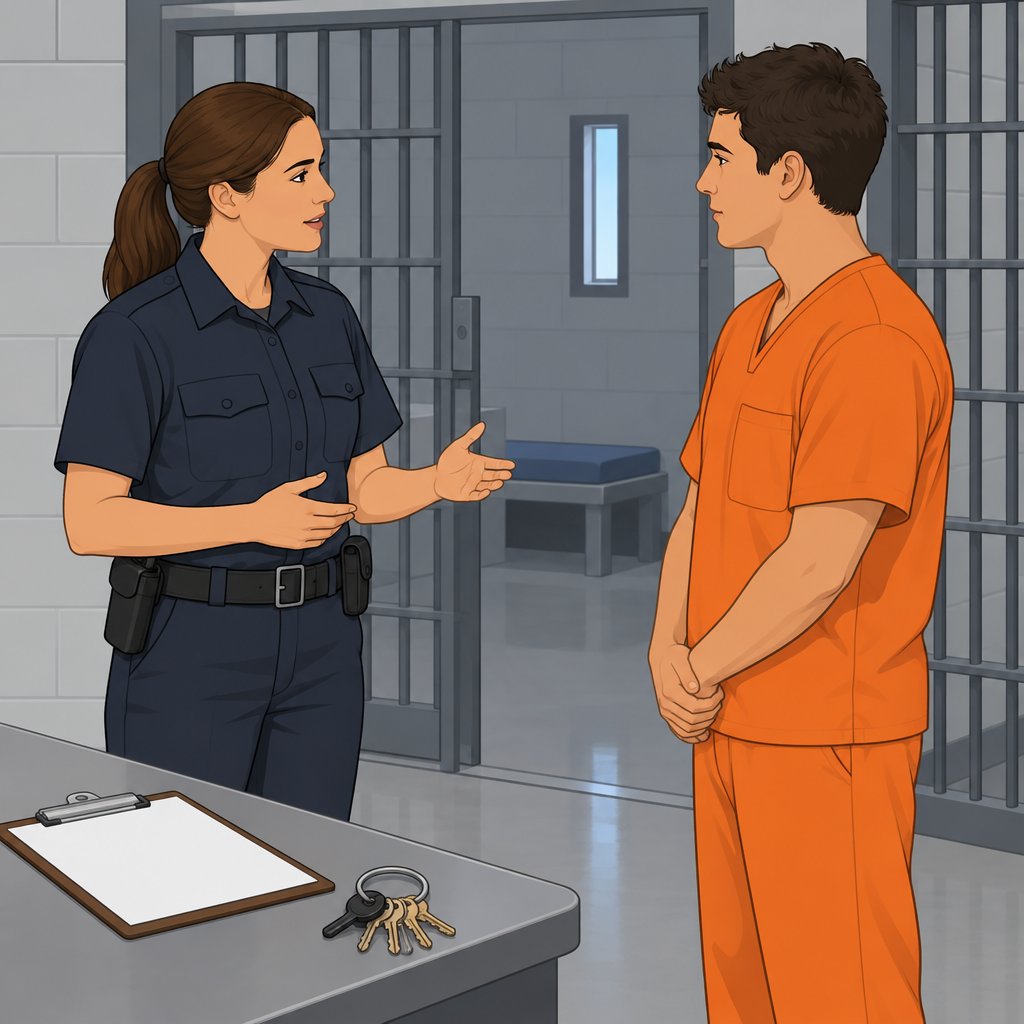
Correctional officers supervise and oversee inmates’ daily activities.
They enforce rules and regulations to prevent violence and maintain discipline.
Additionally, officers conduct routine searches to confiscate contraband and ensure policy compliance.
They also assist inmates who need medical or mental health services.
During emergencies or disturbances, officers respond promptly.
Furthermore, positive relationships with inmates can support smoother management.
By remaining vigilant, officers can address potential security threats before they escalate.
Benefits of Effective Inmate Management
Effective inmate management reduces violence and conflict within correctional facilities.
It also creates a safer environment for inmates and staff, promoting well-being.
Moreover, proper management can support inmate rehabilitation and reentry programs.
Clear boundaries and expectations help inmates understand and follow facility protocols.
Consequently, well-managed facilities can pursue reduced recidivism and more positive behavior.
Effective inmate management remains essential for maintaining a secure and orderly correctional environment.
Training and Education Requirements
Correctional officers need foundational education and specialized preparation before entering the profession.
Most positions require a high school diploma or GED.
Additionally, employers may prefer candidates with bachelor’s degrees in criminal justice or related fields.
- Complete a high school diploma or GED.
- Consider a bachelor’s degree in criminal justice or a related field.
- Pass a background check and drug screening.
- Complete a correctional officer training program.
- Pass a physical fitness test for the job’s demands.
Ongoing Training for Professional Development
Continuous training helps officers maintain current knowledge and strengthen essential professional skills.
Moreover, regular education keeps officers informed about changing laws and regulations.
It also improves communication, conflict resolution, and crisis intervention techniques.
- Stay current with evolving laws and regulations.
- Strengthen communication and conflict resolution skills.
- Learn updated techniques for managing inmate populations.
- Improve crisis intervention techniques.
- Follow emerging trends in corrections and rehabilitation.
Furthermore, education can increase understanding of mental health challenges, substance abuse disorders, and trauma.
This knowledge helps officers address underlying issues affecting incarcerated individuals.
As conditions change, updated strategies help officers respond to complex situations more effectively.
Therefore, continuous learning supports safer facilities and more rehabilitative environments.
Risk Based Inmate Classification
Inmate classification categorizes individuals according to criminal history, behavior, and individual needs.
This process guides decisions about housing, supervision, and available programming.
Consequently, facilities can assign placements that reflect each inmate’s circumstances.
Safety Through Appropriate Housing
Classification helps facilities place inmates with comparable risk levels together.
Such placements can reduce opportunities for violence and conflict.
Therefore, staff can support safer conditions for inmates and employees.
Individual Needs and Rehabilitation
Staff can identify needs involving mental health, substance abuse, and education.
Facilities can address those needs through treatment, counseling, and educational programs.
These services can help inmates prepare for reintegration after release.
Resource Planning and Risk Assessment
Moreover, classification supports overcrowding prevention and more effective resource management.
Grouping inmates by supervision and programming needs helps facilities allocate staff efficiently.
Standardized assessment tools can identify people needing closer monitoring or intensive intervention.
This approach promotes a safer, more secure, and more rehabilitative correctional environment.
Discover More: Probation Officer Caseload Management Tips
Transform Your Career Today
Unlock a personalized career strategy that drives real results. Get tailored advice and a roadmap designed just for you.
Start NowConflict Resolution Strategies
Conflicts can arise between correctional officers and inmates within a prison environment.
Effective strategies can guide both parties toward peaceful and constructive resolutions.
Furthermore, respectful interactions can help address concerns before tensions increase.
- Communication
Open and honest communication helps both parties feel heard and understood. - Mediation
A neutral third party can guide discussions and help participants find common ground. - Active Listening
Officers should listen carefully to each party’s concerns and grievances. - Empathy
Understanding another person’s emotions and perspective can reduce tension and support resolution. - Conflict Resolution Training
Training can equip officers with practical skills for managing conflicts effectively.
De-escalation Techniques in Correctional Settings
De-escalation techniques help officers manage tense interactions before they become violent.
These approaches also support safety and security throughout the prison environment.
In addition, skilled communication can help officers understand and address inmate concerns.
- Prevention of Violence
Officers can use de-escalation techniques to reduce the risk of violence and danger. - Preservation of Relationships
These techniques can support positive relationships between officers and inmates. - Reduction of Incidents
Applying these methods can reduce disruptions and incidents within the facility. - Improved Communication
Effective communication helps officers identify and address inmate concerns more clearly. - Enhanced Conflict Resolution
Officers can manage conflicts more effectively when they practice de-escalation techniques.
Officers should receive training and apply these techniques during interactions with inmates.
These practices can help create a safer and more productive correctional environment.
Uncover the Details: Continuing Education and Training for DEA Agents
Communication
Clear communication helps officers manage interactions with inmates effectively.
It supports order, safety, and respectful relationships within correctional facilities.
Furthermore, consistent communication helps officers share information and address concerns.
Significance of Clear and Effective Communication
Clear communication prevents misunderstandings and helps officers address issues before conflicts develop.
It also builds trust, encourages respect, and creates a safer facility environment.
Additionally, effective communication supports information exchange and helps officers de-escalate tense situations.
- Prevents misunderstandings and conflicts
- Establishes trust and respect
- Creates a conducive and safe environment
- Facilitates the exchange of important information
- Helps de-escalate tense situations
- Enhances overall inmate management
Officers who communicate consistently can establish positive rapport with inmates.
As a result, inmates may respond more cooperatively and comply with facility expectations.
Tips for Improving Communication Skills with Inmates
Officers can improve daily interactions by listening carefully and communicating expectations clearly.
They should also remain calm, show empathy, and use language that inmates can understand.
Moreover, professional boundaries and continuing training support stronger communication practices.
- Active Listening: Listen attentively to what the inmate is saying.
- Non-Verbal Communication: Pay attention to body language and gestures.
- Use Simple Language: Avoid jargon or complex terms that may confuse inmates.
- Be Empathetic: Understand the inmate’s perspective and show empathy.
- Stay Calm: Maintain a calm demeanor, even in stressful situations.
- Set Clear Expectations: Communicate rules and expectations clearly to inmates.
- Provide Feedback: Offer constructive feedback to facilitate better understanding.
- Establish Boundaries: Maintain professional boundaries while engaging with inmates.
- Seek Training: Continuously improve communication skills through training and development.
By applying these practices, officers can strengthen communication during daily inmate interactions.
They can also build stronger professional relationships and support a safer correctional environment.
Ultimately, effective communication contributes to a more orderly and cooperative facility.
Uncover the Details: Bomb Squad Technician: Real-Life Case Studies
Security Procedures
Correctional officers must thoroughly search inmates and their belongings before entry into or departure from certain facility areas.
Officers must understand facility security protocols clearly.
Furthermore, they must follow those protocols consistently to protect staff members and inmates.
Regular patrols and facility inspections help officers identify potential security threats.
These actions also help prevent conflicts among inmates from escalating.
Officers should remain vigilant and alert throughout their duties.
They must notice unusual behavior or activity that could signal a security risk.
During an emergency or security breach, officers must act quickly and decisively.
They must contain the situation, protect staff members, and prevent inmate harm.
Respectful relationships with inmates can support a secure facility environment.
Mutual trust may help officers prevent conflicts and incidents from escalating.
Effective communication supports security within a correctional facility.
Officers must share concerns with colleagues and inmates to maintain smooth operations.
Proper training prepares officers to respond to security threats effectively.
It also helps them de-escalate conflicts and handle emergencies professionally.
Regular staff meetings and debriefings keep officers informed about facility security concerns.
Transform Your Career Today
Unlock a personalized career strategy that drives real results. Get tailored advice and a roadmap designed just for you.
Start NowConsequently, staff members can work together to address those concerns effectively.
Officers must know the facility emergency response plan.
They should be ready to implement it swiftly during a security emergency.
Delve into the Subject: Technological Tools Used by Sheriffs and Deputies
Recognizing and addressing mental health concerns in inmates supports individual well-being.
It also strengthens safety and security within the correctional facility.
Importance of Mental Health Awareness
- Early detection of mental health issues can prevent problems from escalating.
- Untreated mental health conditions can contribute to violent or disruptive behavior.
- Improving mental health can enhance inmates’ ability to successfully reintegrate into society.
- Promoting mental wellness contributes to a more positive and productive environment.
Strategies for Handling Inmates with Mental Health Concerns
- Specialized training helps correctional officers identify mental health symptoms.
- Mental health professionals can collaborate on individualized treatment plans.
- Counseling, therapy, and medication provide needed support for inmates with mental health needs.
- A dedicated mental health unit can provide intensive care and support.
- Crisis intervention techniques can de-escalate potentially harmful situations.
- Regular assessments and observations help staff monitor and evaluate inmate well-being.
- Finally, mental health education and support groups give inmates opportunities to learn and connect.
Prioritizing mental health awareness supports safer correctional environments.
Effective strategies can create a more rehabilitative setting for staff and inmates.
Professionalism and Rehabilitation in Correctional Facilities
Effective inmate management depends on consistent practices that support safety, accountability, and rehabilitation.
Correctional officers strengthen these practices through professional conduct and attentive daily supervision.
Building rapport with inmates can encourage cooperation and support constructive interactions.
Additionally, appropriate disciplinary measures reinforce accountability while respecting institutional expectations.
Rehabilitation support can help inmates prepare for reintegration into society.
Therefore, officers’ professionalism, dedication, and diligence contribute to secure environments for staff and inmates.
Additional Resources
Google search results for Correctional Officer Inmate Management Protective Services
Bing search results for Correctional Officer Inmate Management Protective Services


