




Community Health Workers and Public Health
Community health workers connect communities with healthcare services.
They promote public health through education, advocacy, and support for underserved populations.
Because CHWs often belong to the communities they serve, they understand local needs and build trust.
Maternal and Child Health Support
In rural areas of Africa, CHWs help improve maternal and child health.
They provide prenatal education and encourage proper nutrition during pregnancy.
They also promote vaccinations to help protect mothers and children.
These efforts help reduce maternal and child mortality rates.
Infectious Disease Prevention and Care
In areas affected by malaria or HIV/AIDS, CHWs educate communities about prevention.
They distribute insecticide-treated bed nets to support malaria prevention.
They also connect individuals with treatment and ongoing care.
Through these services, CHWs strengthen community responses to infectious diseases.
Mental Health Support and Community Connection
In urban areas, CHWs address communities with high rates of mental health disorders.
They help reduce stigma surrounding mental illness through education and support.
They provide counseling services and connect individuals with mental health professionals.
This support helps individuals access appropriate care within their communities.
Community Health Workers as Public Health Partners
These examples demonstrate how CHWs improve public health outcomes.
They also help reduce healthcare disparities among underserved populations.
Their dedication, compassion, and commitment make them valuable community health partners.
Promoting Maternal and Child Health
Community health workers supported maternal and child health in an underserved rural community in Africa.
One program demonstrated how trained CHWs can improve health outcomes for mothers and children.
The program also showed how timely support can reduce maternal and child mortality rates.
- The program focused on maternal and child health.
- The program significantly reduced mortality rates.
- Beneficiary testimonials demonstrated the program’s success.
Program Design and Home Visits
The program employed trained CHWs to conduct regular home visits.
They visited pregnant women and mothers with young children.
During visits, CHWs taught families about prenatal care and safe delivery practices.
They also provided guidance about breastfeeding and child nutrition.
Changes in Maternal and Child Mortality
Following the program, the village experienced a significant decrease in maternal mortality.
Child mortality also declined as families received timely health support.
These interventions contributed to healthier pregnancies, safer deliveries, and improved child health outcomes.
Beneficiary Experiences and Community Support
Beneficiaries expressed gratitude for the guidance and support they received.
One mother said, “Thanks to the CHWs, I knew how to care for myself during pregnancy.”
She added, “Their guidance helped me protect my baby’s health.”
Another beneficiary called the CHWs guardian angels for their constant support.
The CHWs answered questions, shared essential information, and offered emotional support during difficult times.
The program’s success demonstrates the value of CHWs in improving well-being among vulnerable populations.
Addressing Chronic Diseases
Community health workers addressed diabetes and hypertension in a rural Midwestern community.
They collaborated with local healthcare providers to prevent and manage these chronic diseases.
The program combined education, physical activity, counseling, and access to healthier foods.
Community Strategies for Chronic Disease Management
First, CHWs held health education sessions in community centers and churches.
These sessions explained chronic disease risk factors and encouraged preventive habits.
They also organized activities that supported exercise and healthier lifestyle choices.
Transform Your Career Today
Unlock a personalized career strategy that drives real results. Get tailored advice and a roadmap designed just for you.
Start Now- CHWs conducted regular health education sessions in community centers and churches.
- They organized walking groups and yoga classes to encourage physical activity.
- They provided individualized counseling for community members diagnosed with chronic diseases.
- CHWs helped participants manage their conditions through ongoing support.
- They collaborated with local food banks to distribute healthier food options.
- They taught community members about the importance of balanced diets.
Health Outcomes Among Participants
The program produced meaningful improvements among community members who participated actively.
Participants reported healthier routines involving exercise and nutritious eating.
Surveys and feedback also reflected stronger well-being and improved quality of life.
- Participants experienced lower average blood pressure and blood sugar levels.
- More community members adopted regular exercise and nutritious eating habits.
- Hospital admissions for uncontrolled chronic diseases decreased among participants.
- Community members reported improved well-being and quality of life.
These results show how CHWs can support chronic disease prevention and management.
Health education helped community members recognize risks and make healthier choices.
Accessible support also helped participants manage their conditions more effectively.
Find Out More: Youth Work Policies and Legislation: What You Need to Know
Mental Health Support Through Community Health Workers
Community health workers provided mental health support to community members.
They built trust by listening actively and offering emotional support.
They also connected people with mental health resources and services.
- CHWs conducted regular check-ins to monitor progress and encourage continued improvement.
- They offered ongoing support during regular community interactions.
- They connected community members with services requiring further assistance.
Challenges Affecting Mental Health Support
However, CHWs faced several barriers while addressing mental health concerns.
Many CHWs lacked training and knowledge about identifying mental health conditions.
Stigma and cultural barriers also discouraged people from seeking mental health assistance.
- Limited resources restricted access to mental health services for people in need.
- Insufficient training complicated efforts to recognize and address mental health conditions.
- Cultural barriers made mental health discussions and service referrals more difficult.
Positive Changes in Community Mental Health
Despite these challenges, the initiative produced positive changes in community mental health.
Community members gained greater awareness and understanding of mental health issues.
People also gained improved access to mental health services and resources.
- Reduced stigma encouraged more community members to seek help.
- Participants experienced enhanced mental well-being and quality of life.
- Community awareness increased through accessible mental health support.
The initiative demonstrated the important role CHWs play in underserved communities.
By combining emotional support with referrals, CHWs helped people pursue needed assistance.
Regular contact helped CHWs provide encouragement while monitoring individual progress.
Learn More: Top Strategies for Domestic Violence Crisis Intervention
Health Promotion in Underserved Communities
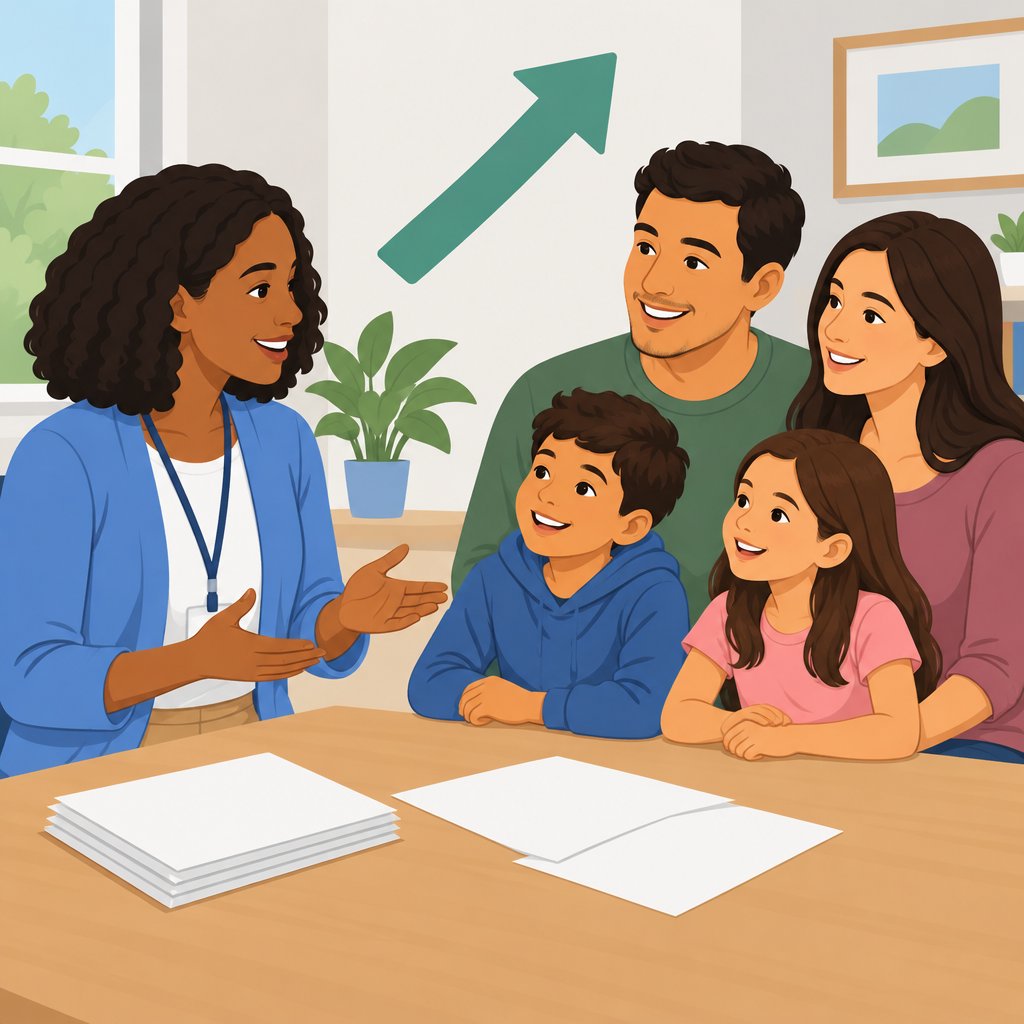
One successful program served an underserved rural community in the Midwest.
Community health workers connected residents with healthcare services and culturally sensitive support.
They also helped residents pursue screenings, follow-up care, and healthier daily choices.
Community Outreach and Care Coordination
CHWs worked closely with healthcare providers to coordinate appropriate screenings and follow-up care.
Additionally, they organized workshops and outreach events about healthy lifestyles and disease prevention.
These activities encouraged residents to take greater responsibility for their health and well-being.
- CHWs provided culturally sensitive care and support to community members.
- They promoted healthy lifestyle choices through education and community outreach.
- They helped residents access screenings and receive needed follow-up care.
Diabetes Support and Self-Management
One middle-aged woman had diabetes but struggled because resources and knowledge were limited.
A CHW helped her obtain affordable medication and learn effective blood sugar monitoring.
The CHW also connected her with support groups and local resources for lifestyle changes.
- The woman learned practical ways to monitor her blood sugar levels.
- She accessed affordable medication through the CHW’s guidance.
- Support groups helped her strengthen diabetes management and daily habits.
Healthcare Access for Families
A young family in a low-income neighborhood faced challenges accessing healthcare for their children.
CHWs guided the family through the healthcare system and helped arrange necessary medical services.
They also used home visits to explain preventive care and encourage routine check-ups.
- CHWs helped the family schedule routine medical appointments for their children.
- Home visits reinforced preventive care practices within the household.
- The family gained support while prioritizing their children’s health and well-being.
Through these efforts, the program improved healthcare access, health education, and community confidence.
Delve into the Subject: Mental Health Technician: Pros and Cons
Lessons Learned from Successful CHW Programs
Successful Community Health Worker programs share strategies that strengthen relationships, improve services, and support community well-being.
These lessons help organizations develop or improve programs that respond effectively to community needs.
Strong programs combine trust, flexibility, training, collaboration, education, and advocacy.
Building Trust and Relationships
Community health workers build trust by developing strong relationships with the people they serve.
Trust helps CHWs communicate effectively and understand each person’s needs.
It also supports culturally competent care and stronger connections with community members.
Transform Your Career Today
Unlock a personalized career strategy that drives real results. Get tailored advice and a roadmap designed just for you.
Start NowTailoring Services to Community Needs
Successful CHW programs respond flexibly to the unique needs of each community.
CHWs can address specific health concerns, cultural beliefs, and social determinants of health.
This approach helps community members engage with services and receive more effective care.
Providing Ongoing Training and Support
Ongoing training helps CHWs maintain current knowledge and practical skills.
Training also supports the use of best practices and evidence-based interventions.
Supervisors and peers can help CHWs manage challenges and pursue professional growth.
Collaborating with Healthcare Providers
Successful programs encourage collaboration between CHWs, healthcare providers, and community organizations.
These partnerships promote continuity of care and help prevent duplicated services.
They also strengthen the quality of care available to community members.
Empowering Community Members Through Education and Advocacy
CHWs empower community members through health education and advocacy.
They explain preventive care, healthy lifestyle choices, and available resources.
This support helps individuals make informed decisions about their health and well-being.
Community Engagement and Cultural Competence
Community engagement and cultural competence provide a foundation for successful CHW programs.
Organizations can involve community members in program planning and implementation.
Cultural competence helps CHWs respect diverse norms, beliefs, and practices while delivering responsive care.
Replicating Successful CHW Programs
Organizations need careful planning, collaboration, and resources when adapting successful CHW programs.
They should assess community priorities before designing services or selecting program activities.
They can also evaluate outcomes and adjust programs to improve effectiveness.
- Conduct a needs assessment to identify the community’s health challenges and priorities.
- Engage community members in program development and implementation.
- Provide comprehensive training and ongoing support for CHWs.
- Build partnerships with healthcare providers, community organizations, and local government agencies.
- Evaluate program outcomes and make adjustments when needed.
These strategies can increase access to care, improve health outcomes, and promote wellness in diverse communities.
Gain More Insights: How Victim Advocates Collaborate with Law Enforcement
Challenges Affecting Community Health Workers
Community Health Workers face several barriers while carrying out their duties.
These barriers can limit their ability to provide services effectively.
Therefore, programs must address practical, financial, and personal needs.
- Lack of formal training and education in healthcare.
- Difficulty accessing remote or underserved communities.
- Inadequate financial compensation for their work.
- Emotional burnout and stress from difficult cases.
- Limited resources and supplies for effective services.
Support Systems for Effective CHW Services
Community Health Workers help connect healthcare providers with the communities they serve.
However, they need adequate support, training, and resources to perform their responsibilities effectively.
Strong support systems can improve CHW programs and strengthen healthcare services for communities in need.
Strategies for Strengthening CHW Programs
Organizations can address these challenges through coordinated and sustained support.
Moreover, practical resources and supervision can help CHWs manage their responsibilities.
Regular wellness support can also help CHWs maintain their ability to serve communities.
- Provide comprehensive training programs for CHWs.
- Ensure access to necessary resources and supplies.
- Offer ongoing support and supervision to CHWs.
- Advocate for fair compensation for their valuable work.
- Implement regular mental health and wellness programs for CHWs.
Addressing these challenges can improve the effectiveness of CHW programs.
It can also enhance healthcare services for communities in need.
Supporting CHWs recognizes their efforts and helps them promote health and wellness among vulnerable populations.
Recognizing Community Health Workers’ Community Impact
Community health workers (CHWs) play a crucial role in improving community health outcomes.
Their dedication and hard work have helped address various health challenges.
Furthermore, sharing CHW success stories inspires others and provides valuable learning opportunities.
These stories can help organizations strengthen CHW programs and initiatives.
Public health leaders should recognize and support the vital role CHWs play.
Although their contributions often go unnoticed, CHWs significantly influence community well-being.
As healthcare systems grow stronger, communities should continue reinforcing the importance of CHWs.
By supporting and empowering CHWs, communities can promote health and well-being at the local level.
Transform Your Career Today
Unlock a personalized career strategy that drives real results. Get tailored advice and a roadmap designed just for you.
Start Now


