




Community Health Workers and Minority Health
Community Health Workers play a crucial role in minority communities.
They help improve health outcomes among these populations.
Furthermore, they bridge healthcare providers and minority communities.
Community Health Workers in Minority Health Initiatives
They address cultural and language barriers affecting healthcare access.
Additionally, they educate communities about preventive care and promote healthy behaviors.
They also facilitate access to healthcare services.
Role of Community Health Workers
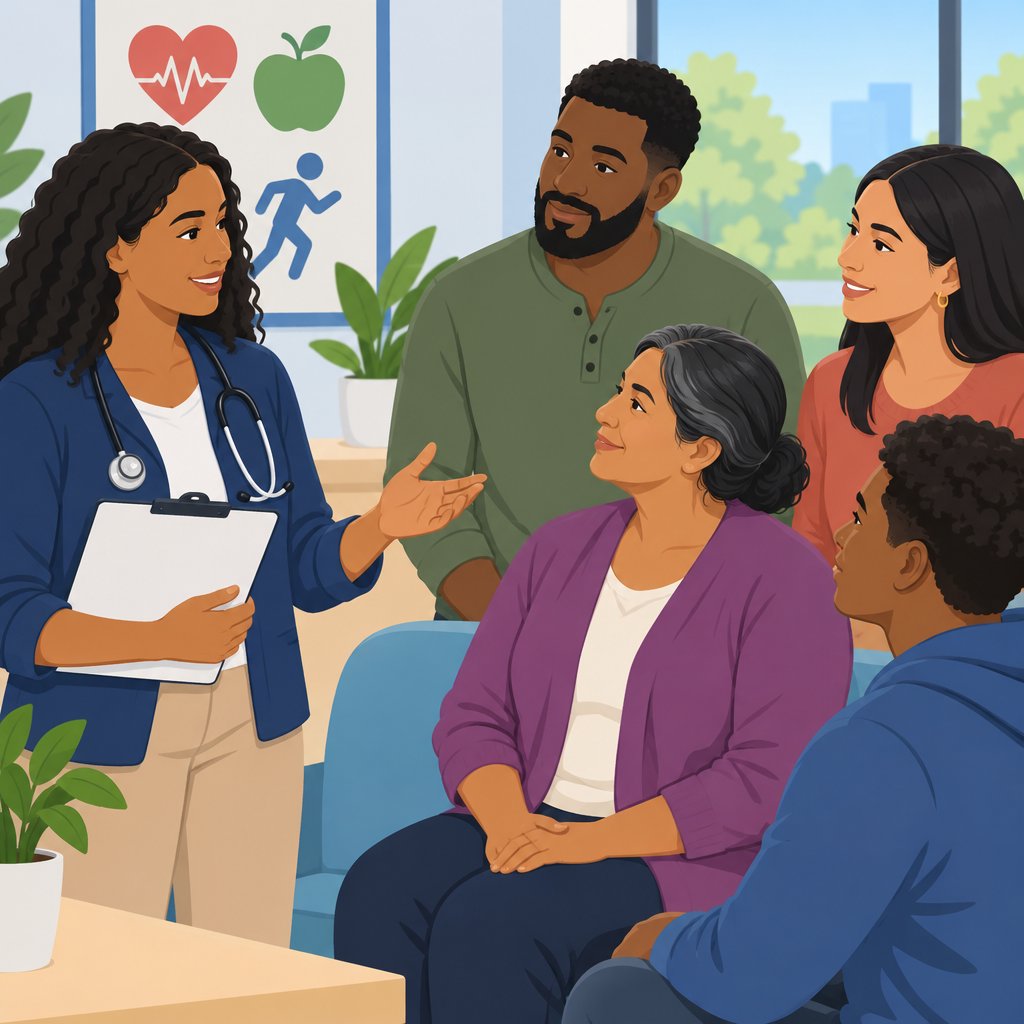
Community health workers (CHWs) provide culturally competent care to minority populations.
They understand the unique needs and challenges that diverse communities face.
CHWs serve as liaisons between healthcare providers and community members.
They bridge communication gaps and build trust within the communities they serve.
Many CHWs belong to these communities, which makes them relatable and trustworthy information sources.
They promote health education and preventive care through culturally sensitive personal engagement.
Importance of CHWs in Minority Health Initiatives
- CHWs address health disparities by providing tailored support to minority populations.
- They increase healthcare access by addressing language, cultural, and awareness barriers.
- These workers empower community members to manage their health through education and resources.
- They help reduce healthcare costs by preventing chronic illnesses through early intervention and education.
Impact of CHWs in Promoting Health Education
- CHWs deliver culturally relevant health information that minority communities can easily understand.
- They conduct outreach programs that promote preventive measures and encourage healthy behaviors.
- These professionals support people managing chronic conditions and navigating the healthcare system.
- They help individuals follow treatment plans and make informed decisions about their well-being.
Training and Qualifications of Community Health Workers
CHWs typically study public health, communication, and cultural competence during their training.
State requirements differ, although many programs require a high school diploma or equivalent.
Additionally, specialized certifications and language skills can strengthen their work with diverse populations.
- Training often covers public health, communication, and cultural competence.
- Many states require a high school diploma or equivalent for CHW qualifications.
- A Certified Peer Specialist credential can enhance CHW abilities.
- Community Health Worker Certification demonstrates competence in the field.
- Second-language proficiency benefits CHWs who serve minority populations.
Importance of Ongoing Professional Development
Ongoing professional development keeps CHWs current with best practices and relevant skills.
It also helps them respond to changing needs across diverse communities.
Moreover, continued cultural competency education can build trust and understanding among minority groups.
- Continuous training helps CHWs maintain current best practices and skills.
- Professional development helps CHWs adapt to diverse community needs.
- Regular cultural competency education fosters trust among minority groups.
- Chronic Care Professional certification can improve effectiveness in health initiatives.
- Conferences and workshops provide networking opportunities, knowledge, and resources.
Discover More: Day in the Life of an Employment Specialist
Challenges in Minority Community Health Work
- Community Health Workers often encounter challenges when working in minority communities.
- Communication and trust barriers can hinder their effectiveness.
- Overcoming these challenges helps CHWs build partnerships and improve health outcomes.
Common Challenges for Community Health Workers
Language barriers can make communication difficult for Community Health Workers in minority communities.
Cultural misunderstandings can weaken communication and reduce the effectiveness of health initiatives.
Limited resources and funding can restrict CHWs’ ability to support minority health initiatives.
Communication and Trust Barriers
Differences in language, cultural norms, and beliefs can create communication barriers between CHWs and community members.
Community members may distrust outsiders or hesitate to share personal information.
Past negative healthcare experiences can deepen mistrust and limit effective communication.
Strategies for Building Trust and Cooperation
Cultural competency training can help CHWs understand and connect with community members.
Consistent, respectful communication and active listening can help CHWs establish trust.
Community leaders and stakeholders can help connect CHWs with community members.
Ongoing training, supervision, and mentorship can strengthen CHW effectiveness.
Local organizations can help address social determinants of health and advocate for resources.
Strengthening Minority Health Partnerships
Addressing these challenges can improve health outcomes in underserved communities.
CHWs can build stronger partnerships by recognizing communication and trust barriers.
Strategic support can help CHWs make a meaningful impact on minority health.
Find Out More: Online Substance Abuse Counseling: Pros and Cons
Success Stories of Community Health Workers in Minority Health Initiatives
Community health workers support minority populations through education, guidance, and personal connections.
Several initiatives focus on diabetes management, preventive care, and early intervention.
These efforts can reduce disparities when communities, healthcare providers, and organizations work together.
- CHWs help minority populations improve health outcomes through education and ongoing support.
- Diabetes management programs led by CHWs have reduced health disparities.
- Trust, cultural understanding, and language proficiency strengthen CHW relationships with community members.
- CHWs connect with community members through personal and supportive relationships.
- Healthcare providers and organizations can enhance the impact of CHW programs.
- CHWs support preventive care and early intervention efforts in minority communities.
- Peer support and counseling from CHWs encourage positive health behavior changes.
- CHWs collaborate with local organizations to provide resources and support.
- They advocate for improved healthcare access among minority communities.
- CHWs partner with researchers and policymakers to advance health equity initiatives.
How CHWs Improve Community Health
CHWs explain preventive care and healthy behaviors in ways that community members can understand.
Through personalized guidance, they encourage individuals to manage their health and well-being.
Meanwhile, CHWs help underserved populations navigate healthcare systems and access appropriate support.
Transform Your Career Today
Unlock a personalized career strategy that drives real results. Get tailored advice and a roadmap designed just for you.
Start Now- CHWs educate minority populations about preventive care and healthy behaviors.
- They empower individuals to take greater control of their health.
- Culturally competent care helps CHWs connect with minority communities.
- CHWs bridge communication gaps between providers and underserved populations.
- They offer personalized guidance for navigating healthcare systems.
Factors That Strengthen CHW Programs
Successful programs provide CHWs with training, professional development, and meaningful institutional support.
Strong partnerships help CHWs share resources, lead initiatives, and respond to community needs.
Evaluation and sustainable funding help organizations measure results and maintain CHW services.
- Training and continuing professional development strengthen CHW skills.
- Healthcare institutions and community leaders can recognize and support CHW contributions.
- Local organizations and agencies can collaborate to share resources.
- Cultural competence and language proficiency improve communication with diverse populations.
- Empowered CHWs can take initiative and lead health initiatives.
- Strong communication skills help CHWs engage diverse populations effectively.
- Health equity advocacy can address policies and social determinants affecting communities.
- Technology can help CHWs reach and connect with minority communities.
- Data collection and evaluation can measure the impact of CHW interventions.
- Funding and community support can sustain CHW programs over time.
Uncover the Details: Housing Coordinators: Legal Considerations
Collaboration With Healthcare Providers and Organizations
Effective collaboration helps address minority health disparities.
CHWs, healthcare providers, and community organizations must coordinate their efforts.
A multidisciplinary approach combines expertise from healthcare, community, and social service fields.
This cooperation supports comprehensive solutions and encourages innovation when addressing complex health issues.
- CHWs, healthcare providers, and community organizations work together to strengthen minority health initiatives.
- Combining expertise from various fields creates more comprehensive health solutions.
- Collaboration fosters innovation when stakeholders address complex health issues.
Benefits of Collaboration
Shared resources and information can improve healthcare access for minority communities.
Better coordination supports efficient and effective delivery of health programs.
Cultural competence helps stakeholders understand and support minority communities.
Collaboration also promotes sustainability and strengthens the long-term success of health initiatives.
- Partners share resources and information to improve access to healthcare services.
- Coordinated efforts improve the delivery of health programs.
- Cultural competence supports better understanding of minority communities.
- Collaboration promotes sustainable health initiatives.
- Pooling expertise and resources expands the reach of interventions.
Examples of Successful Partnerships
Partnerships across several cities demonstrate how organizations can address minority health needs.
These collaborations connect CHWs with clinics, schools, social service agencies, and faith-based organizations.
Each partnership applies local relationships and resources to support improved health access and education.
- In Los Angeles, CHWs partnered with local clinics to provide culturally tailored outreach.
- In Detroit, CHWs and social service agencies improved access to care through collaboration.
- In New York City, CHWs and schools increased health education through partnership.
- In Chicago, community health centers and CHWs addressed chronic disease disparities.
- In Houston, CHWs and faith-based organizations improved preventive care through collaborative efforts.
Collaboration enables stakeholders to leverage their distinct strengths and resources.
These partnerships can improve health outcomes for minority populations.
Cooperation also supports health equity in underserved communities.
Learn More: Techniques for Empowering Domestic Violence Survivors
Advancing Health Equity Through Community Health Workers
Community health workers bridge gaps between minority communities and healthcare services.
They serve as trusted liaisons for health education and resources.
By addressing cultural barriers, CHWs promote preventive care among minority populations.
Their efforts improve health outcomes and strengthen overall well-being in underserved communities.
Integrating CHWs into minority health initiatives supports progress toward health equity.
CHWs understand community needs and experiences, making them valuable partners in quality healthcare access.
We must recognize CHW contributions and support their continued involvement in reducing health disparities.
Supporting CHWs can create a more inclusive healthcare system for people from every background.
Readers can advocate for stronger CHW integration in healthcare delivery.
Such advocacy can help build a more equitable and accessible healthcare system.


