




The Intersection of Substance Abuse and Domestic Violence
Substance abuse and domestic violence affect many individuals and families.
Moreover, society reports alarmingly high rates of both issues.
Many cases remain unreported.
These issues often occur together and can worsen one another.
As a result, affected individuals may face severe consequences.
Understanding this connection can help people support victims more effectively.
It can also help communities break the cycle of abuse.
Definitions of Substance Abuse and Domestic Violence
Substance abuse means using psychoactive substances in harmful or hazardous ways.
Domestic violence involves abusive behaviors that help one partner control another.
These issues can affect safety, relationships, decision-making, and personal well-being.
- Substance abuse: Harmful or hazardous use of psychoactive substances.
- Common substances: Alcohol, illicit drugs, and misused prescription medication.
- Domestic violence: A pattern of abuse used to gain control.
- Common abuse types: Physical, emotional, psychological, sexual, and financial abuse.
Understanding Substance Abuse
Substance abuse may begin as a coping mechanism for stress, trauma, or mental health concerns.
Over time, harmful use can escalate into addiction.
Addiction can affect many aspects of an individual’s life.
Effects of Substance Abuse on Domestic Violence
Substance abuse can intensify domestic violence situations.
It may contribute to aggression, irrational behavior, and impaired decision-making.
As a result, intimate relationships can develop harmful and unstable environments.
Warning Signs That Require Attention
Recognizing warning signs can support early intervention and prevention.
Behavioral changes may indicate substance abuse or relationship difficulties.
Frequent arguments and physical injuries can also signal domestic violence.
Sources of Help and Support
People experiencing substance abuse or domestic violence should seek professional help.
Support groups can provide assistance during recovery and safety planning.
Hotlines can also connect individuals with trained professionals and support resources.
Breaking Harmful Patterns
Understanding these issues can help individuals recognize harmful patterns.
Early support can help people address abuse, addiction, and related safety concerns.
Seeking appropriate assistance can support safety and personal well-being.
Shared Factors Behind Substance Abuse and Domestic Violence
Several shared conditions help explain how these problems interact.
These conditions can intensify conflict, weaken judgment, and make harmful patterns harder to interrupt.
Recognizing these connections supports a more holistic response to both problems.
- Psychological Factors: Trauma, low self-esteem, and anger management problems can fuel substance abuse and domestic violence.
- Escalation of Conflict: Substance abuse can heighten emotions and escalate relationship conflicts into violence.
- Impaired Judgment: Substance abuse can impair cognition, encourage poor decisions, and increase impulsive violence.
- Role Modeling: People raised around substance abuse and domestic violence may repeat those behaviors in later relationships.
- Power Dynamics: Substance abuse can worsen power imbalances, control, and manipulation within relationships.
- Loss of Inhibitions: Substances can reduce inhibitions and permit violence that might not occur when someone remains sober.
- Coping Mechanisms: Some people use substances to cope with domestic violence-related stress and trauma.
- Isolation: Substance abuse and domestic violence can cause isolation, limiting access to help and safer situations.
- Underreporting: Stigma surrounding both issues can discourage reporting and delay needed support.
- Normalization of Violence: Communities exposed to both problems may normalize violence and perpetuate abuse.
These shared factors reveal complex dynamics between substance abuse and domestic violence.
Addressing those dynamics requires attention to both issues together.
Gain More Insights: Understanding Legal Protections for Domestic Violence Victims
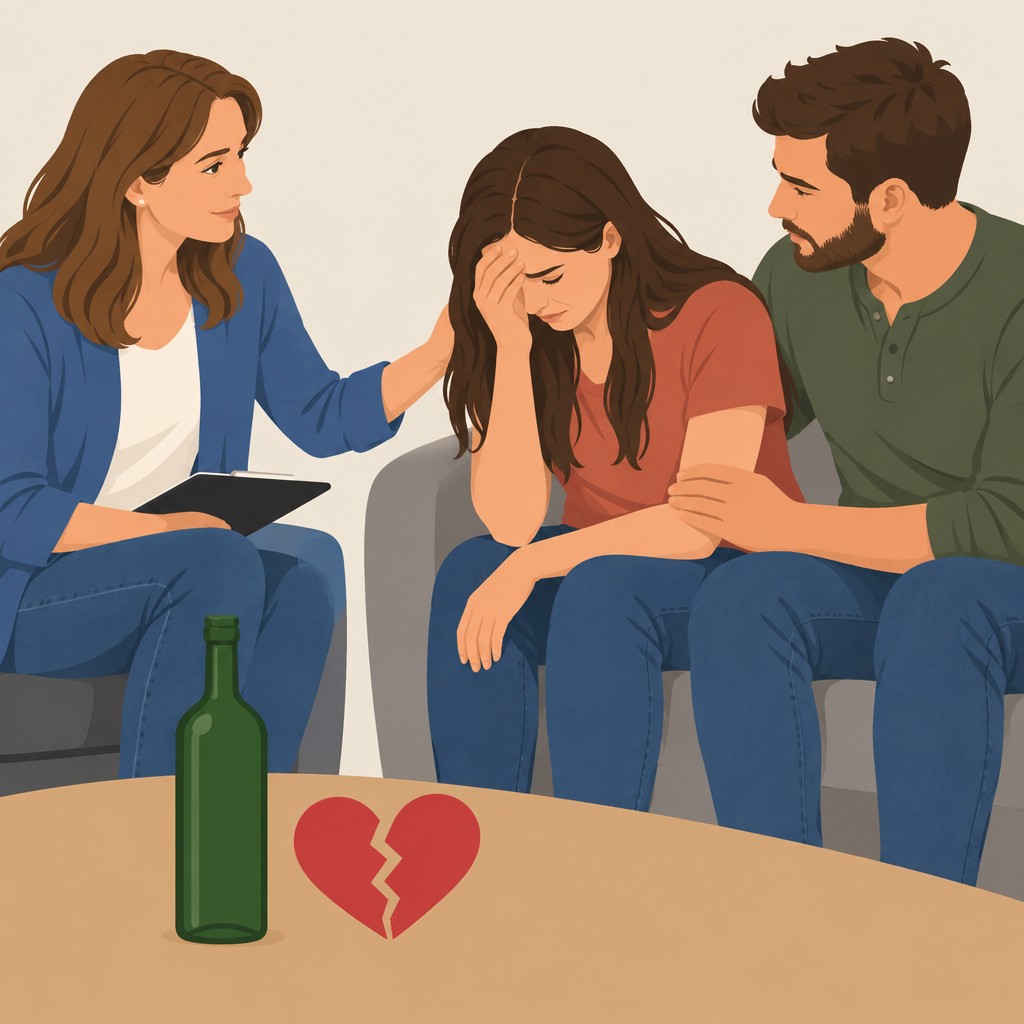
Escalation of Violent Behaviors
Substance abuse can lower inhibitions and impair judgment, which may increase hostility between intimate partners.
Alcohol, drugs, and other substances can alter moods and trigger angry or violent outbursts.
Moreover, intoxicated partners may misread situations, causing conflict to escalate into physical violence.
Repeated substance abuse can reduce concern about consequences and encourage further abusive behavior.
Effects on Victims of Domestic Violence
Victims may experience emotional, physical, and psychological trauma when partners misuse substances.
Substance abuse can increase the intensity and frequency of abuse, leaving victims feeling trapped and helpless.
Furthermore, financial dependence or fear of retaliation may prevent victims from seeking help or leaving.
Children in these households face greater risks of trauma and lasting negative effects.
Substance abuse can therefore sustain domestic violence and prolong harm within families.
Transform Your Career Today
Unlock a personalized career strategy that drives real results. Get tailored advice and a roadmap designed just for you.
Start NowLearn More: Community Health Workers: Addressing Health Disparities
How Domestic Violence Can Influence Substance Use
- Domestic violence can lead individuals to use substances as a coping mechanism.
- Victims may face immense challenges when seeking substance abuse support.
Physical, emotional, and psychological abuse can create intense trauma and distress.
As a result, some individuals use alcohol or drugs to manage painful experiences.
Substances may temporarily numb pain and provide an escape from abusive relationships.
That temporary relief can create a sense of control during situations involving helplessness.
Connections Between Trauma and Substance Abuse
People who experience domestic violence face increased risks of developing substance abuse problems.
Abuse can damage self-worth and encourage individuals to manage emotional pain through substance use.
Additionally, trauma can contribute to depression and anxiety.
These mental health challenges may encourage individuals to seek relief through substances.
Challenges When Seeking Help
Fear of retaliation can prevent victims from contacting support services.
Shame, guilt, and limited support can also delay requests for assistance.
Some victims avoid discussing substance abuse because they fear judgment or further victimization.
This silence can prolong harmful patterns and make it harder to leave unsafe relationships.
Barriers to Treatment Access
People living with abusers may struggle to attend counseling or rehabilitation programs safely.
Financial limitations can further restrict access to treatment.
Transportation problems may also prevent individuals from reaching available services.
Furthermore, limited specialized support can complicate recovery for people facing both issues.
Integrated Support for Recovery
Support providers should address domestic violence and substance abuse together.
Trauma-informed care can respond to survivors’ emotional and safety needs.
Specialized interventions can help individuals address substance use alongside abuse-related trauma.
Collaboration between service providers can create more coordinated and comprehensive support.
Building Safer Paths Toward Healing
Recognizing these connected challenges can improve support for affected individuals.
Education and awareness can encourage survivors to seek appropriate assistance.
Safe, supportive services can help survivors pursue healing and rebuild resilience.
See Related Content: Benefits of Life Skills Instruction for Special Needs
Complexities Affecting Support and Recovery
People facing substance abuse and domestic violence may encounter stigma related to both experiences.
This combined stigma can discourage them from seeking help for either concern.
Meanwhile, trauma, coping behaviors, and limited support can make recovery more difficult.
- Dual stigma: Stigma surrounding both issues may prevent individuals from requesting needed support.
- Interconnected trauma: Each issue can intensify the effects of the other.
- Survival mechanisms: Some individuals may use substances to cope with abusive experiences.
- Misdiagnosis: Substance use may conceal signs of domestic violence during assessment.
- Barriers to treatment: Both concerns can create additional obstacles to receiving care.
- Isolation: People may struggle to find support that addresses both concerns together.
Benefits of Holistic Support
An integrated response can address substance abuse and domestic violence within one coordinated support plan.
Such care can examine underlying causes while respecting each person’s safety and choices.
Collaboration among agencies and professionals can create more consistent support.
- Integrated care: Coordinated services can address both concerns during the same recovery process.
- Root causes: Providers can explore factors that sustain harmful patterns.
- Empowerment: Holistic support can help individuals participate actively in their recovery.
- Prevention: Addressing underlying concerns may help reduce future substance abuse and violence.
- Collaborative efforts: Agencies and professionals can coordinate their responses more effectively.
Find Out More: Health Education Techniques for Community Health Workers
Prevention and Intervention Strategies
Addressing these concerns requires coordinated prevention and intervention strategies.
These efforts can promote safer relationships and healthier responses to conflict.
Therefore, individuals and communities can support prevention through education, skills development, and accessible services.
Preventing Substance Abuse and Domestic Violence
Prevention efforts should strengthen communication, coping skills, and respectful relationship behaviors.
Additionally, counseling can address substance use, violence, anger, and conflict management.
These approaches can help individuals recognize harmful patterns and seek appropriate support.
- Educate individuals about the connection between substance abuse and domestic violence.
- Promote healthy coping mechanisms for managing stress and conflicts.
- Encourage open communication and mutual respect within relationships.
- Offer therapy or counseling for individuals experiencing substance abuse or violence.
- Provide training in effective problem-solving and anger management skills.
Education, Awareness, and Community Resources
Education can help people understand these concerns and identify available support.
Meanwhile, awareness campaigns can reduce stigma and encourage people to seek help.
Transform Your Career Today
Unlock a personalized career strategy that drives real results. Get tailored advice and a roadmap designed just for you.
Start NowCommunity resources can connect affected individuals with services, trained professionals, and peer support.
- Integrate substance abuse and domestic violence education into school curriculums.
- Conduct community awareness campaigns that reduce stigma and encourage help-seeking behaviors.
- Collaborate with local organizations to provide support services for victims and perpetrators.
- Train healthcare professionals to recognize and address related warning signs.
- Establish helplines and support groups for affected individuals.
Building Safer Futures Beyond Abuse and Addiction
Substance abuse and domestic violence create complex harms that can affect individuals, relationships, and communities.
Recognizing their signs and effects helps people respond to these interconnected concerns.
Furthermore, understanding their connection can strengthen efforts to address and prevent both problems.
Anyone facing either concern should seek appropriate help and support.
With support, people can work toward breaking harmful cycles and creating safer environments.
Together, communities can promote healthier lives and reduce the devastating effects of abuse and addiction.


