




Health education plays a crucial role in equipping community health workers with necessary skills and knowledge.
Significance of Health Education
Community health workers serve as frontline educators who promote preventive health measures and healthy behaviors.
Therefore, health education equips them with skills and knowledge for community outreach.
It also supports their efforts to encourage healthier behaviors.
Role of Community Health Workers
Community health workers bridge the gap between healthcare providers and underserved populations.
Additionally, they deliver culturally appropriate health education.
They also provide support to individuals in their communities.
Understanding the Community
Community culture, beliefs, and socioeconomic status shape effective health education.
Therefore, health workers must understand local conditions before designing educational programs.
This understanding helps programs connect with community values and practical needs.
- Cultural knowledge supports sensitive and relevant health education programs.
- Belief systems help workers include traditional practices within health education strategies.
- Socioeconomic information supports affordable and accessible health interventions.
The Role of Culture in Health Education
Community health workers need cultural understanding to build trust with residents.
Moreover, cultural competence helps workers address language barriers and support health literacy.
By adapting materials and messages, CHWs can encourage healthier behaviors.
The Influence of Community Beliefs
Beliefs influence how individuals understand health, illness, and healthcare.
Accordingly, CHWs can use these beliefs when developing targeted health promotion strategies.
Respectful dialogue can incorporate traditional healing practices and spiritual beliefs.
Tailoring Programs to Community Needs
Different communities face unique challenges that generic programs may not address.
Needs assessments and community engagement help workers identify priority health concerns.
Additionally, local partnerships can strengthen cultural appropriateness and program sustainability.
- Workers can adapt materials to local literacy levels and language preferences.
- Community members can help identify important health priorities.
- Local leaders can support appropriate and sustainable health education programs.
The Value of Understanding Community Perspectives
During a rural health education program, a CHW discovered strong beliefs about disease causes.
The CHW incorporated those beliefs into educational materials and connected information with the community’s worldview.
As a result, residents increased their awareness and adopted preventive measures more effectively.
Effective Communication Techniques
- Community health workers use active listening to understand community needs.
- They use eye contact and body language as non-verbal communication cues.
- They employ plain language to make complex health information accessible.
- They encourage two-way communication to foster trust and engagement.
- They provide culturally sensitive communication that respects diverse backgrounds.
Importance of Clear and Concise Communication in Health Education
Clear and concise communication plays an important role in health education.
- It prevents misinformation and promotes accurate understanding.
- It increases compliance with health recommendations and interventions.
- It builds trust between community health workers and community members.
- It empowers individuals to make informed health decisions.
- It reduces language and literacy barriers during health communication.
Effective communication techniques empower community health workers to connect with community members.
These strategies help workers build trust, improve comprehension, and promote positive health outcomes.
See Related Content: Family Support Worker Salary and Benefits
Utilizing Technology
Technology has revolutionized how health education programs reach learners.
It makes these programs more accessible and engaging for community health workers and their clients.
- Mobile apps and online resources provide health information regardless of location or time constraints.
- Interactive quizzes, videos, and games engage learners and make learning more effective.
- Technology tailors content to individual needs and preferences, creating a more personal learning experience.
Technology also expands health education initiatives through several practical applications.
- Community health workers can receive training and health updates through online modules and video conferencing.
- Mobile apps can track training progress and goal completion, supporting program improvement.
- Interactive technology platforms provide immediate quiz feedback and reveal areas for improvement.
Technology integration makes health education more engaging, inclusive, and impactful for the populations community health workers serve.
Learn More: Legal Aspects of Child Welfare Specialist's Role
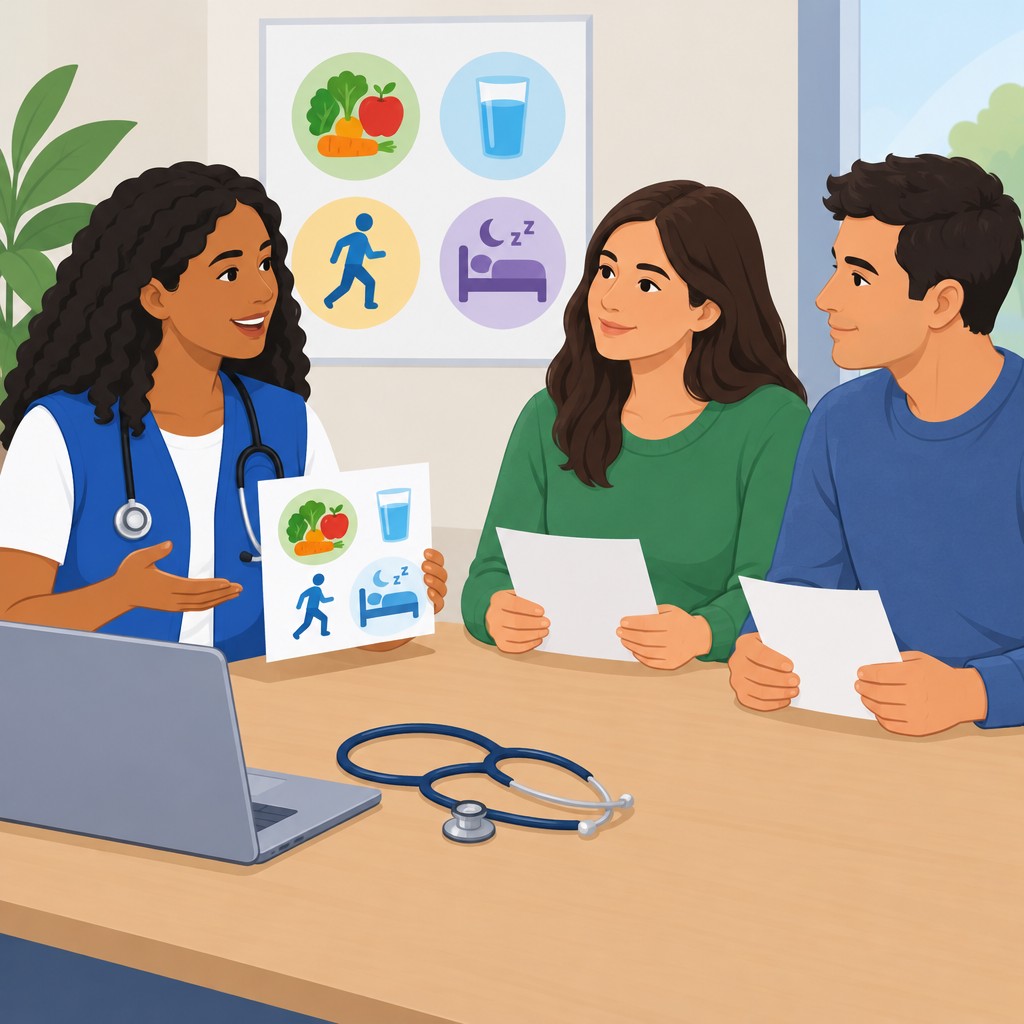
Hands-on Training for Community Health Workers
Hands-on training helps community health workers develop practical skills for health education.
It also lets them apply theory in real-life scenarios and deepen their understanding.
Moreover, practice builds confidence when workers deliver health education services.
- Workers interact effectively with community members and address their specific needs.
- They improve communication skills by participating in practical activities.
- Demonstrations and interactive workshops provide effective training methods.
- Interactive workshops include group discussions, role-playing, and problem-solving exercises.
- Demonstrations let workers practice skills in a controlled setting.
- Trainers and peers provide feedback that highlights areas for improvement.
- Collaborative sessions help workers share experiences and learn from one another.
You Might Also Like: Building Trust: Disability Services Coordinators' Guide
Developing Educational Materials
- Create culturally sensitive materials that community health workers can understand easily.
- Consider the audience’s background when tailoring educational information.
- Use simple language and avoid jargon to improve comprehension.
- Include real-life examples and stories to make information relatable and engaging.
- Use visuals, such as infographics and videos, to support written information.
- Visuals can simplify complex concepts and make information easier to understand.
- Infographics present data and statistics clearly in an appealing format.
- Videos can demonstrate practical skills or provide step-by-step health instructions.
- Ensure visuals remain culturally appropriate and connect with the intended audience.
- Collaborate with graphic designers or multimedia experts to create informative materials.
- Test materials with community health workers and gather their feedback.
- Finally, update materials regularly using feedback and new information.
Gain More Insights: School Social Workers: Promoting Positive School Climate
Building Trust and Rapport with Community Members
Community health workers need trust and rapport to encourage open communication.
Strong relationships also support effective health education and community engagement.
Several strategies can help workers develop respectful and reliable connections.
Active Listening
Active listening requires full attention to the community member’s words.
Transform Your Career Today
Unlock a personalized career strategy that drives real results. Get tailored advice and a roadmap designed just for you.
Start NowWorkers should understand, respond to, and remember the information shared.
This approach demonstrates genuine interest and strengthens mutual trust.
Empathy
Empathy helps workers understand and share another person’s feelings.
When workers show empathy, community members feel understood and valued.
As a result, empathetic interactions create supportive and trusting relationships.
Consistency
Consistent actions help community health workers establish credibility.
Workers should follow through on their commitments and remain reliable.
Furthermore, acting with integrity reinforces community members’ confidence.
Respect and Cultural Sensitivity
Respect for community beliefs, values, and practices supports trusting relationships.
Cultural sensitivity helps workers recognize differences and avoid misunderstandings.
Consequently, respectful interactions create more positive connections with community members.
Reliability and Transparency
Reliable and transparent communication demonstrates honesty and dependability.
Workers should provide accurate information and avoid making false promises.
Open communication allows community members to develop confidence in their support.
Building Personal Connections
Personal connections can grow through shared experiences and genuine interactions.
A warm, sincere, and authentic attitude helps strengthen these relationships.
Positive connections can improve workers’ ability to engage community members.
By applying these strategies, workers create a foundation for effective community engagement.
Trust also supports open discussions about health-related topics.
Therefore, strong rapport helps workers deliver health education more effectively.
Collaborating with Other Stakeholders
Collaboration among healthcare providers, local organizations, and government agencies strengthens community health education.
Local organizations and government agencies can contribute resources, knowledge, and community connections.
Together, these stakeholders can address health issues and improve community well-being.
Benefits of Stakeholder Collaboration
These partnerships can expand program reach and improve access to valuable resources.
They can also increase credibility while supporting coordinated, community-focused solutions.
Additionally, collaboration helps programs respond to local needs and remain sustainable.
- Partners can provide funding, educational materials, and specialized expertise.
- Different organizations can extend health education across broader parts of the community.
- Reputable partners can strengthen public trust in health education initiatives.
- Multiple stakeholders bring diverse perspectives and skills to health challenges.
- Partnerships can provide continued support for long-term health education programs.
- Stakeholders can help identify and address specific community health needs.
Partnerships That Improve Community Health Outcomes
Several partnership models can strengthen health education and improve community health outcomes.
Each model combines different resources, skills, and community relationships.
These collaborations can support targeted interventions and broader health education efforts.
- Healthcare providers can help community health workers improve health education delivery and services.
- Local organizations and government agencies can develop targeted responses to community health issues.
- Private companies and non-profit organizations can combine resources for large-scale initiatives.
- Academic institutions and community groups can support research, knowledge exchange, and capacity building.
Effective collaboration connects community knowledge with professional expertise and practical resources.
These coordinated efforts can create sustainable health education programs that benefit the wider community.
Sustaining Community Health Education
Community health workers play a crucial role in promoting health education within their communities.
They communicate important health information through interactive workshops, visual aids, and role-playing activities.
These techniques help workers engage community members during learning sessions.
Therefore, workers should continue learning and applying effective educational techniques.
Ongoing learning helps them address current health issues and trends.
Consequently, informed workers can educate others and support positive health outcomes.
Their dedication and hard work make a meaningful difference in the lives of people they serve.
Moreover, their commitment to health and wellness deserves recognition.
Empowering workers with knowledge and skills strengthens their ability to educate communities effectively.
Transform Your Career Today
Unlock a personalized career strategy that drives real results. Get tailored advice and a roadmap designed just for you.
Start NowAs a result, their efforts can create a ripple effect of positive change.
Healthier and happier communities can emerge when workers and community members act together.
Together, they can support a brighter and healthier future for all.


