




Introduction
Domestic violence affects individuals in intimate relationships.
Approximately 1 in 4 women and 1 in 9 men experience severe intimate partner violence.
This includes physical violence, contact sexual violence, or stalking with serious impacts.
Impacts can include injury, fearfulness, post-traumatic stress disorder, victim service use, or sexually transmitted diseases.
Brief Overview of Domestic Violence and Its Prevalence
Domestic violence involves abusive behavior that establishes or maintains power and control within an intimate relationship.
Abuse can include physical, emotional, psychological, sexual, or financial actions.
Millions of individuals experience domestic violence every year.
Importance of Legal Protections for Domestic Violence Victims
Legal protections help domestic violence victims secure safety and support.
These measures can include restraining orders, protection orders, and emergency protective orders.
They can help prevent further harm and hold abusers accountable.
Additionally, legal protections empower victims to seek resources and escape abusive relationships.
Definition of Domestic Violence
Domestic violence involves patterns of behavior within an intimate relationship.
One partner uses these behaviors to maintain power and control over another partner.
These actions can affect safety, independence, and emotional well-being.
Different Forms of Domestic Violence
Domestic violence can take several forms beyond physical attacks.
Abuse may target a person’s body, emotions, relationships, or financial resources.
Recognizing these patterns can help people identify controlling behavior.
- Physical violence includes hitting, slapping, kicking, or causing other physical harm.
- Emotional abuse includes threats, insults, manipulation, and isolation from support systems.
- Financial abuse restricts access to money, employment, or resources needed for independence.
Impact on Victims and Their Families
Domestic violence can produce physical injuries, emotional trauma, and long-term psychological effects.
Families may experience disruption, fear, and stress within the household.
Children may face behavioral issues, trauma, and difficulty forming healthy relationships.
- Victims may suffer physical injuries, emotional trauma, and long-term psychological effects.
- Families can experience disruption, fear, and stress because violence continues within the household.
- Children exposed to domestic violence may develop behavioral issues and relationship difficulties.
Legal Protections for Domestic Violence Victims
Legal protections help promote safety and well-being for people experiencing domestic violence.
These protections can address contact, housing, counseling, legal guidance, and law enforcement response.
Victims can use available resources while seeking safety and justice.
Restraining Orders
Restraining orders are court orders that prohibit an abuser from contacting or approaching the victim.
Courts may include provisions that protect children.
These orders establish legal boundaries around contact and proximity.
Emergency Protective Orders
Emergency protective orders provide immediate protection after domestic violence incidents.
A police officer or judge may issue an emergency protective order.
These temporary orders can lead to a more permanent restraining order.
Domestic Violence Shelters
Domestic violence shelters provide safe places for victims escaping abusive situations.
Shelters may provide housing, counseling, legal advocacy, and support services.
These services help victims access safety and assistance.
Counseling and Support Groups
Counseling and support groups help victims address trauma from domestic violence.
They offer emotional support and coping strategies.
They also help victims develop confidence and empowerment.
Legal Assistance
Legal assistance helps victims navigate the legal system.
Attorneys and advocates can help victims seek restraining orders and pursue justice.
Pro bono services and legal aid clinics may offer free or low-cost representation.
Law Enforcement Intervention
Law enforcement can respond to domestic violence incidents and investigate reported abuse.
Officers can help hold abusers accountable through the legal process.
Transform Your Career Today
Unlock a personalized career strategy that drives real results. Get tailored advice and a roadmap designed just for you.
Start NowVictims can contact the police when they need immediate assistance.
Building Safety and Support
Understanding legal protections helps victims identify available safety and support options.
Seeking assistance can help victims move away from abusive situations.
Communities can support victims by raising awareness and advocating for stronger protections.
Legal Protections for Domestic Violence Victims
Legal protections can help people respond to domestic violence and seek safety through available legal channels.
These options include court orders, emergency measures, and police assistance.
Additionally, local resources can provide guidance while someone evaluates appropriate protective steps.
A restraining order can prevent an abuser from contacting or approaching the protected person.
It gives the protected person a legal tool for maintaining distance from the abuser.
Moreover, violating the order can bring serious legal consequences for the abuser.
Police or courts can issue emergency protective orders when someone faces immediate danger.
These temporary orders can provide immediate relief and protection.
They often remain valid for seven to ten days while the person seeks further legal protection.
Police Intervention
Police intervention can help protect someone during a domestic violence situation.
Officers can respond to calls, arrest the abuser, and provide emergency assistance.
They can also connect the person with support services.
Accessing Support and Legal Guidance
Understanding these protections can help people make informed decisions about personal safety.
Knowing available rights and legal options can support efforts to leave an abusive situation.
Therefore, local hotlines and shelters can offer guidance about navigating the legal system.
These resources can also help people identify appropriate protection for themselves and their families.
Find Out More: Community Health Workers: Addressing Health Disparities
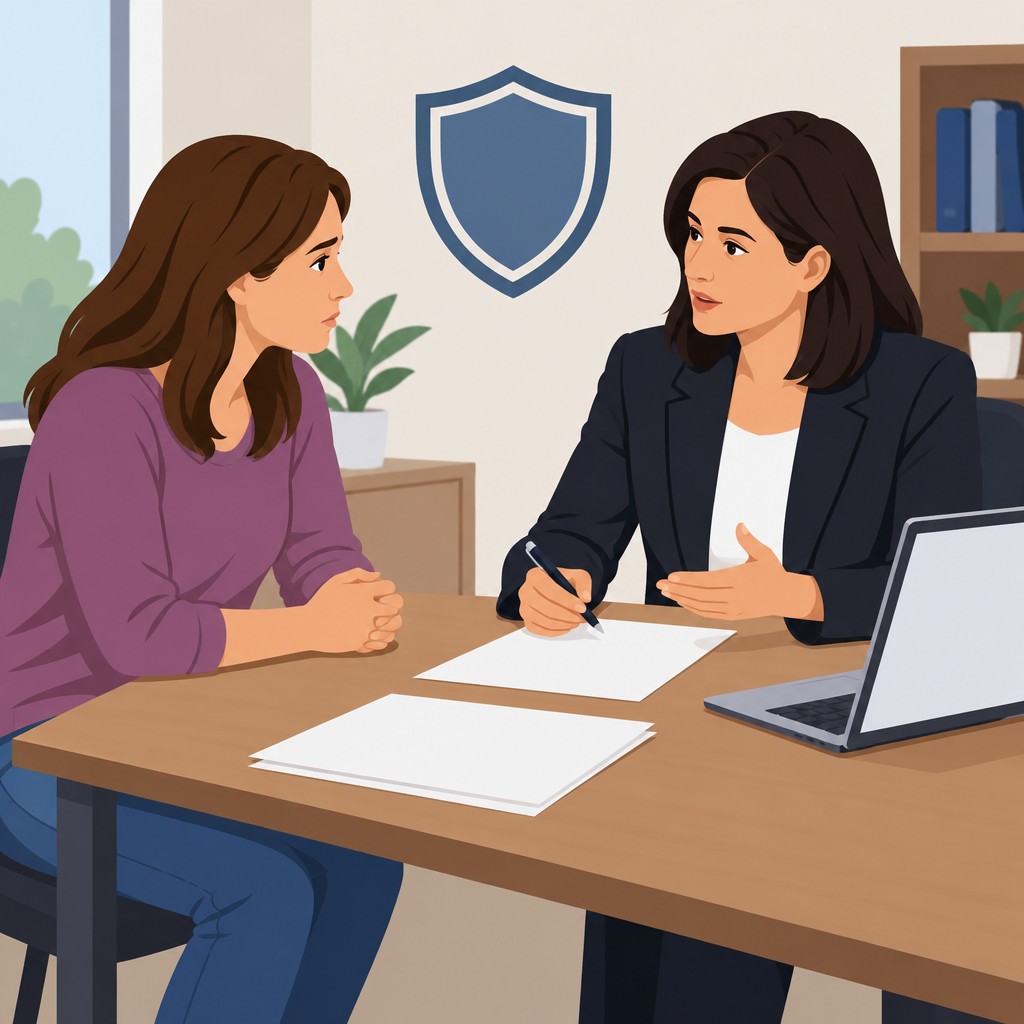
Process of Obtaining a Restraining Order
People can begin by contacting a local courthouse or domestic violence organization.
Applicants provide abuse details through the required court forms.
The court then reviews the request and schedules any necessary hearings.
- Contact a local courthouse or domestic violence organization for assistance.
- Complete the required forms and describe the abuse to the court.
- A judge reviews the request and may issue a temporary restraining order.
- The abuser receives notice and must follow the order’s terms.
- The court schedules a hearing about a permanent restraining order.
- The judge decides whether continued protection remains necessary for the victim’s safety.
Enforcement of Restraining Orders
Restraining orders require the abuser to follow the court’s stated restrictions.
Victims should contact the police promptly when someone violates the order.
Victims can also request extended protection when necessary.
- A violation may result in fines, jail time, or both.
- Victims should contact the police immediately after a violation occurs.
- Violating a restraining order can create serious criminal consequences.
- Victims may request an extension for continued protection.
- Law enforcement may check whether the abuser follows the order.
- Victims should maintain a safety plan if the abuser attempts contact.
You Might Also Like: Benefits of Life Skills Instruction for Special Needs
Importance of Emergency Protective Orders in Immediate Danger Situations
Domestic violence can place victims in immediate danger from an abuser.
Emergency protective orders provide immediate legal protections during these dangerous situations.
They can help prevent further violence and give victims greater security.
- These orders offer quick relief to victims facing imminent harm.
- They can help prevent additional violence against victims.
- They remain essential when victims face a high risk of harm.
How to Obtain Emergency Protective Orders
Victims typically contact law enforcement or a local courthouse to begin the process.
They may need to describe the abuse and provide supporting evidence.
After reviewing the request, a judge decides whether to grant the order.
- Contact law enforcement or a courthouse about obtaining an emergency protective order.
- Complete the required paperwork with details about the abuse, abuser, and victim’s situation.
- Allow a judge to review the request and decide whether to grant the order.
Law Enforcement’s Role in Enforcing Emergency Protective Orders
Law enforcement helps enforce an emergency protective order after a judge grants it.
Officers ensure that the abuser follows the order’s terms.
They also assist victims when the abuser violates those terms.
- Law enforcement officers respond to situations involving domestic violence.
- Officers explain the victim’s rights under the protective order.
- They can take appropriate action when the abuser violates the order.
- Officers may arrest the abuser when evidence shows contact or threats violated the order.
Explore Further: Health Education Techniques for Community Health Workers
Police Responses to Domestic Violence Calls
When police respond to domestic violence calls, they prioritize safety for victims and everyone else inside the home.
They assess the situation, gather information, and determine whether someone committed a crime.
Transform Your Career Today
Unlock a personalized career strategy that drives real results. Get tailored advice and a roadmap designed just for you.
Start NowNext, officers separate the involved individuals to prevent additional violence.
They may also offer victims resources, including shelters or counseling services.
Furthermore, officers document the incident carefully to support possible legal proceedings.
Officers handle these cases with sensitivity and compassion while following safety protocols.
Finally, they may arrest someone when probable cause indicates that a crime occurred.
Escalated Police Actions in Severe Cases
In severe cases, police may take immediate action when a victim faces serious danger.
For example, officers may remove the alleged abuser from the home.
They may also seek a restraining order or place the alleged abuser under arrest.
When children face potential harm, police may contact Child Protective Services.
In extreme situations, specialized units may help control the scene and protect the victim.
These units can include SWAT officers or hostage negotiators.
Therefore, officers assess each situation carefully and match their response to the identified risk.
They protect victims while enforcing the law and holding alleged abusers accountable.
Gain More Insights: Family Support Worker Salary and Benefits
Support Services Available for Domestic Violence Victims
Domestic violence victims can access support services while navigating difficult and dangerous situations.
These services can help them address immediate needs and plan safer next steps.
Key options include shelters, safe houses, and counseling services.
- Shelters and safe houses
- Counseling services
Shelters and Safe Houses
Domestic violence shelters and safe houses provide temporary housing for individuals and families fleeing abusive situations.
These facilities offer a safe and supportive environment while residents plan their next steps.
They also provide basic necessities, including food, clothing, and toiletries.
Additionally, shelters offer services that can help victims rebuild their lives.
These services may include legal advocacy, support groups, counseling, and referrals to community resources.
Trained staff can help victims create safety plans and connect with helpful services.
Those services can support movement toward independence and stability.
Counseling Services
Counseling services can support victims as they address the emotional and psychological effects of abuse.
Many victims experience trauma, anxiety, depression, and low self-esteem after enduring abuse.
Counseling can help victims process their experiences and understand the effects of abuse.
It can also help them develop coping strategies for addressing trauma.
Specialized therapists and counselors provide a safe, non-judgmental space for victims.
During sessions, victims can explore their feelings and experiences.
Sessions may address self-care, healthy boundaries, communication skills, and self-confidence.
Victims may also receive help developing safety plans and accessing rebuilding resources.
Support services such as shelters, safe houses, and counseling can help victims heal and rebuild their lives.
By accessing these services, victims can receive support, guidance, and resources for moving forward.
They can also work toward a safer and more stable future for themselves and their families.
Legal Assistance for Domestic Violence Victims
Domestic violence victims can seek legal assistance when they need help navigating legal matters.
These resources may offer free or low-cost support, depending on the provider.
Additionally, legal professionals can explain rights and support victims during legal proceedings.
Legal Aid Organizations
Legal aid organizations offer free or low-cost legal services to people who need assistance.
They explain victims’ rights and help them file protective orders.
Transform Your Career Today
Unlock a personalized career strategy that drives real results. Get tailored advice and a roadmap designed just for you.
Start NowThey can also represent victims during court proceedings.
Furthermore, advocates may provide emotional support and guidance throughout the legal process.
Pro Bono Legal Services
Domestic violence victims can also seek pro bono services from private attorneys.
Pro bono services provide free legal help to people who cannot afford legal fees.
Many law firms and individual attorneys offer these services as part of their commitment to pro bono work.
These attorneys help victims navigate the legal system and advocate on their behalf.
They also work to protect victims’ rights during legal proceedings.
Additionally, victims can contact legal aid organizations or pro bono attorneys for support.
Building Safer Futures Through Legal Protection
Legal protections for domestic violence victims help safeguard their safety and well-being.
Additionally, victims should seek help from available resources, including shelters and hotlines.
By using legal protections and seeking support, victims can leave abuse and rebuild their lives.
Furthermore, society should continue advocating for stronger laws and policies that protect domestic violence victims.
Through collective action, communities can create safer, more supportive environments for people affected by domestic violence.


