




Gerontologists and Dementia Care
Gerontologists specialize in studying aging individuals.
They address the unique needs and challenges associated with aging.
Additionally, they help optimize older adults’ quality of life.
In dementia care, gerontologists develop comprehensive plans for individuals experiencing memory loss.
These plans address each person’s specific cognitive and emotional needs.
What Dementia Is
Dementia is a syndrome marked by declining cognitive function.
It affects memory, thinking, and reasoning.
It describes symptoms linked to declining brain function, rather than one specific disease.
Definition and Causes of Dementia
- Dementia is not a normal part of aging.
- It occurs more often in older adults.
- Various conditions can cause dementia, including Alzheimer’s disease, vascular dementia, and Lewy body dementia.
- Its exact cause often remains difficult to determine.
- Genetic, environmental, and lifestyle factors may combine to influence its cause.
Common Symptoms and Effects of Dementia
- Memory loss, confusion, and communication difficulties commonly occur with dementia.
- Individuals may experience changes in mood, behavior, and personality.
- Dementia can make everyday tasks difficult to complete.
- It can significantly affect quality of life and independent living.
As dementia progresses, individuals may need more support and care during daily life.
Role of Gerontologists in Dementia Care
Gerontologists focus on aging and related concerns.
They receive specialized training to understand older adults’ physical, mental, and emotional needs.
They work in hospitals, nursing homes, and community centers.
Gerontologists’ Expertise in Older Adult Care
Gerontologists assess older adults and develop personalized care plans.
They also collaborate with healthcare providers to coordinate comprehensive support.
Additionally, their work addresses the varied needs of older adults across care settings.
- Gerontologists focus on the aging process and related issues.
- They understand older adults’ physical, mental, and emotional needs.
- They work in hospitals, nursing homes, and community centers.
- They assess seniors and create personalized care plans.
- They collaborate with healthcare providers to support older adults.
Holistic Support for People Living with Dementia
Gerontologists help diagnose and manage dementia in older adults.
They support patients and families throughout the disease’s progression.
Furthermore, they guide families through the challenges associated with dementia.
- Gerontologists help diagnose and manage dementia in older adults.
- They support patients and families during disease progression.
- They use interventions to help improve patients’ quality of life.
- They counsel families about coping with dementia-related challenges.
- They advocate for dementia-friendly environments and policies.
Delve into the Subject: How School Social Workers Help with Attendance Issues
Gerontologists assess people with dementia to understand their cognitive function.
They use several methods and tools to guide effective care planning.
This assessment also helps professionals identify individual care needs.
Assessing Dementia Patients
Gerontologists combine memory, cognitive, functional, and imaging assessments.
Each method examines a different aspect of the patient’s abilities.
Together, these tools provide information for planning appropriate support.
Methods and Tools Used by Gerontologists
- Memory tests assess recall and retention, which dementia can impair.
- Cognitive assessments measure attention, language, and problem-solving abilities.
- Functional assessments examine the patient’s ability to complete daily tasks independently.
- Neuroimaging, including MRI or CT scans, can identify structural brain changes.
Importance of Early Assessment
Early assessment offers several important benefits for people with dementia.
It can clarify cognitive changes and guide timely care decisions.
Additionally, repeated assessments help professionals and families respond to changing needs.
- Early assessment can support a timely dementia diagnosis and appropriate interventions.
- Early findings help gerontologists develop personalized care plans.
- Regular assessments track cognitive changes and support care adjustments.
- Assessment information helps families access useful support and resources.
Gain More Insights: Mental Health Technician's Role in Patient Education
Developing Personalized Care Plans
Gerontologists create personalized care plans for dementia patients and their families.
These plans address medical, social, and emotional needs.
They also reflect each patient’s preferences, routines, and values.
Comprehensive Patient Assessment
Gerontologists begin by evaluating the patient’s overall condition.
They examine physical health, cognitive abilities, emotional well-being, and social support.
This information helps them address the patient’s complete range of needs.
Collaboration With Healthcare Providers
Gerontologists coordinate care with physicians, nurses, and therapists.
These professionals share information and develop a coordinated approach.
Gerontologists also include appropriate treatments and therapies within the care plan.
Family Participation in Care Planning
Family members provide valuable information about the patient’s daily life.
They can describe personal preferences, familiar routines, and important values.
Transform Your Career Today
Unlock a personalized career strategy that drives real results. Get tailored advice and a roadmap designed just for you.
Start NowGerontologists use these insights to support respectful and meaningful care.
Emotional and Social Support
Personalized plans include support for both patients and family members.
Gerontologists recognize the emotional challenges associated with dementia care.
They may provide counseling, support groups, and coping resources.
Ongoing Care Plan Adjustments
Gerontologists regularly monitor changes in the patient’s condition.
They review the care plan and evaluate its effectiveness over time.
They then adjust services to maintain the patient’s health and quality of life.
This continuing involvement helps families respond to changing care needs.
Close cooperation among patients, families, and healthcare providers strengthens personalized dementia care.
A coordinated plan can support the well-being of patients and their loved ones.
See Related Content: Victim Advocacy in Domestic Violence Cases
Ongoing Support and Monitoring in Dementia Care
Gerontologists provide ongoing support and monitoring for patients with dementia.
They respond to changing needs while supporting patients, caregivers, and families.
This continued involvement helps maintain consistent and effective dementia care.
Continuous Monitoring and Adjusting Care Plans
Gerontologists regularly assess each patient’s condition and response to treatment.
They adjust care plans when patients’ needs or responses change.
This proactive approach helps prevent potential complications and supports patient well-being.
Additionally, gerontologists gather information from caregivers and family members about behaviors and symptoms.
They use these insights to create care plans that reflect individual needs and preferences.
Collaboration Among Healthcare Professionals
Gerontologists collaborate with healthcare professionals to provide comprehensive dementia care.
They work with neurologists, psychiatrists, nurses, and social workers.
Together, these professionals address the patient’s physical, emotional, and social needs.
Furthermore, gerontologists coordinate communication across the healthcare team.
This coordination keeps patient care consistent and aligned.
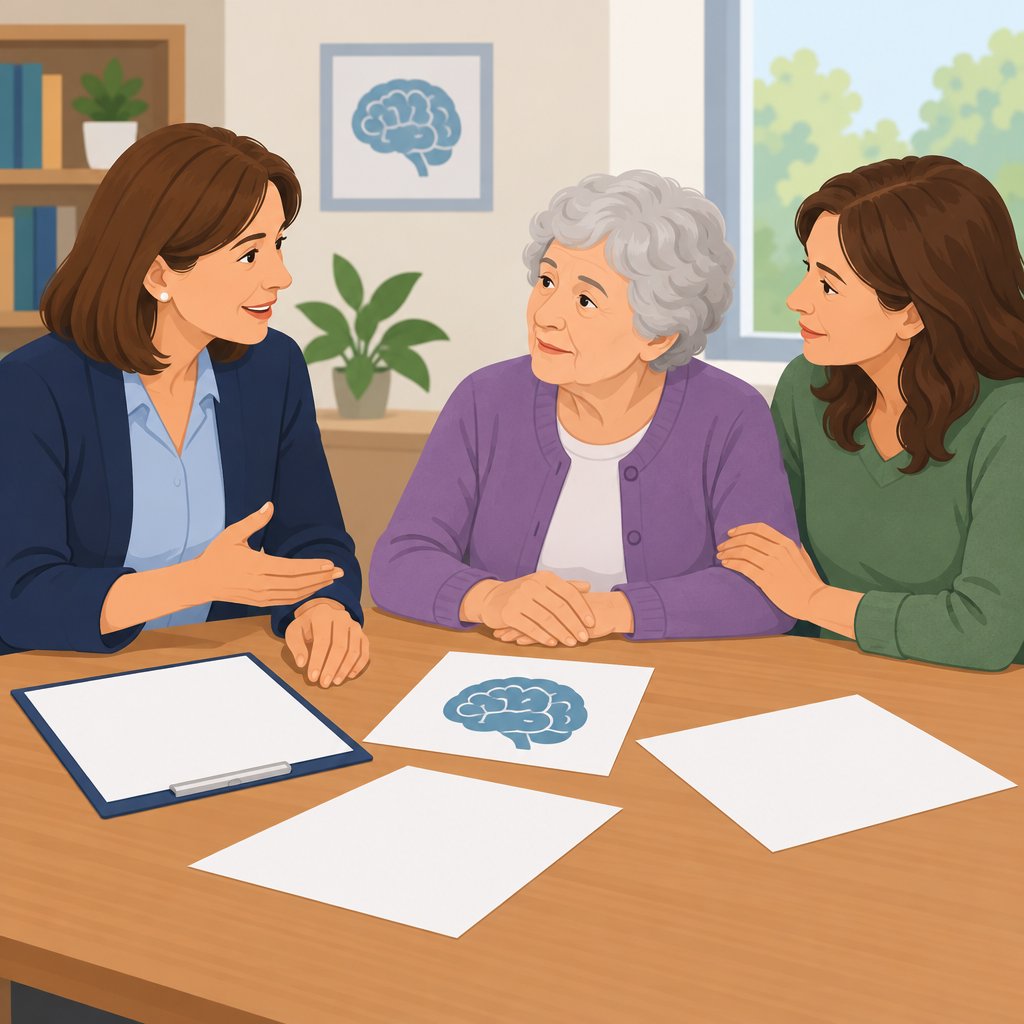
Supporting Patient Well-Being Through Coordinated Care
Ongoing monitoring allows gerontologists to respond to changes in dementia patients’ conditions.
Regular collaboration helps healthcare professionals deliver coordinated support.
These efforts promote the quality of care and well-being of dementia patients.
Delve into the Subject: Public Health Social Work: Volunteer Opportunities
Educating Families and Caregivers About Dementia
Gerontologists educate families and caregivers about dementia.
They explain changes that may affect a loved one.
This guidance helps caregivers approach daily challenges with greater confidence and compassion.
Understanding Dementia Types and Progression
Gerontologists describe Alzheimer’s disease, vascular dementia, and Lewy body dementia.
Understanding the diagnosis helps families adapt support to specific needs.
They also explain how symptoms can change as dementia progresses.
Practical Resources for Dementia Care at Home
Gerontologists recommend ways to create safe, supportive home environments.
They teach communication techniques that help caregivers respond effectively.
They may suggest cognitive stimulation activities to support engagement and quality of life.
Community Support and Individualized Care Strategies
Families can also learn about community resources, support groups, and respite care services.
Gerontologists collaborate with caregivers to tailor strategies to individual preferences and needs.
These plans can reduce caregiving burdens while strengthening consistent support at home.
Transform Your Career Today
Unlock a personalized career strategy that drives real results. Get tailored advice and a roadmap designed just for you.
Start NowResearch and Advancements in Dementia Care
Current dementia care research supports informed decisions by gerontologists.
Research addresses early detection, non-pharmacological interventions, technology, and person-centered care.
Gerontologists use this evidence to refine support and care practices.
- Early Detection and Diagnosis: Researchers examine early detection and diagnosis to support timely interventions and treatment plans.
- Non-Pharmacological Interventions: Studies examine cognitive stimulation therapy and exercise programs for people with dementia.
- Technology-Driven Solutions: Researchers explore smart home devices and virtual reality programs for dementia care.
- Person-Centered Care: This approach considers each person’s preferences, needs, background, and experiences.
How Gerontologists Stay Updated on Dementia Care Practices
Gerontologists use ongoing learning to follow changes in dementia care.
They combine education, professional exchange, research collaboration, and regular reading.
These activities help them apply evidence-based approaches in practice.
- Continuing Education: Gerontologists attend education programs covering treatments, research findings, and care management practices.
- Professional Conferences: Conferences help gerontologists learn from experts, connect with peers, and examine current developments.
- Collaboration with Researchers: Gerontologists collaborate with researchers to share knowledge and implement evidence-based practices.
- Subscriptions to Journals and Publications: Journals and newsletters provide research findings, case studies, and care practices.
- Participation in Research Studies: Research participation gives gerontologists experience with emerging interventions and treatments.
Research advancements shape how gerontologists support people with dementia.
Staying informed helps gerontologists provide appropriate interventions and improve quality of life.
Gerontologists’ Contributions to Dementia Care
Gerontologists assess cognitive function, develop care plans, and provide support.
They also educate caregivers about managing behaviors and improving quality of life.
Additionally, gerontologists combine medical and non-medical interventions to address dementia-related needs.
Interdisciplinary Collaboration in Dementia Care
Healthcare providers, caregivers, gerontologists, and other professionals collaborate to provide comprehensive dementia care.
Each team member contributes expertise that addresses the patient’s physical, emotional, and social needs.
Through coordination, professionals monitor progress and adjust interventions to support the best possible outcomes.
Additional Resources
Google search results for How Gerontologists Help with Dementia Care Social and Human Services
Bing search results for How Gerontologists Help with Dementia Care Social and Human Services


