




Victim Advocacy in Domestic Violence Cases
Victim advocates support survivors throughout domestic violence legal proceedings.
They help survivors pursue justice and access essential support.
Advocates empower survivors, provide resources, and explain complex legal processes.
These professionals also speak for survivors while helping protect their rights.
Through this support, survivors can rebuild their lives, restore autonomy, and heal from trauma.
Victim Advocacy
Victim advocacy supports individuals who have experienced domestic violence.
It addresses emotional, legal, safety, and practical needs.
This support can help survivors regain greater control over their lives.
Support and Empowerment from Victim Advocates
Advocates listen to survivors and provide emotional support.
They also explain rights and help survivors navigate legal processes.
Additionally, advocates connect survivors with services and support safety planning.
- Victim advocates offer emotional support to survivors of domestic violence.
- They help survivors understand their rights and navigate the legal system.
- Advocates provide referrals for counseling and housing assistance.
- They help survivors regain control over their lives.
- Advocates assist with safety planning and continued support resources.
Resources Available Through Victim Advocacy Organizations
Victim advocacy organizations offer several resources for survivors.
These resources address immediate safety, housing, legal, and emotional needs.
Support groups also help survivors connect with others who share similar experiences.
- Hotlines provide immediate support and assistance.
- Shelters and housing options support survivors fleeing abusive situations.
- Legal advocacy helps survivors navigate the court system.
- Counseling services support emotional healing and trauma recovery.
- Support groups connect survivors with people who have similar experiences.
Types of Advocacy Services Provided
Victim advocates help survivors manage legal proceedings and recover after domestic violence.
They offer emotional guidance, legal assistance, and connections to essential services.
These services can help survivors regain agency while addressing practical challenges.
- Emotional support during legal proceedings
- Legal advocacy within the justice system
- Connections to shelters, counseling, and financial support
Emotional Support for Survivors
Advocates provide steady emotional support throughout legal proceedings.
They listen carefully, validate survivors’ experiences, and acknowledge difficult emotions.
This support gives survivors a safer space to express fear, anger, and sadness.
Legal Advocacy During Proceedings
Advocates help survivors understand their rights within the legal system.
They can prepare survivors for hearings and accompany them during legal proceedings.
They also connect survivors with law enforcement, attorneys, and court personnel.
Through this liaison role, advocates help survivors communicate their concerns effectively.
Accessing Recovery Resources
Advocates connect survivors with services that support recovery and stability.
They may refer survivors to shelters for safe housing.
They can also connect survivors with counselors or therapists for mental health support.
Additionally, advocates may help survivors access financial assistance for medical bills or legal fees.
These connections can help survivors rebuild autonomy after abuse.
Coordinated advocacy helps survivors pursue justice while rebuilding their lives.
See Related Content: Public Health Social Work: Volunteer Opportunities
Challenges Facing Victim Advocates
Victim advocates face several obstacles while supporting survivors of domestic violence.
These barriers can limit the assistance that advocates provide.
Therefore, organizations must address these challenges to strengthen advocacy for survivors.
- Lack of resources and funding for victim advocacy organizations
- Limited training and education for advocates supporting survivors
- Systems that may not prioritize survivors’ needs
Resource Constraints Affecting Advocacy Organizations
Many victim advocacy organizations lack enough resources and funding.
Consequently, limited budgets can reduce services and assistance for survivors.
Organizations may also struggle to maintain essential programs addressing domestic violence.
Training Needs for Effective Survivor Support
Advocates sometimes lack comprehensive training and education for survivor support.
Without specialized knowledge, they may find it harder to provide appropriate assistance.
Ongoing education can help advocates respond more effectively to survivors’ needs.
Transform Your Career Today
Unlock a personalized career strategy that drives real results. Get tailored advice and a roadmap designed just for you.
Start Now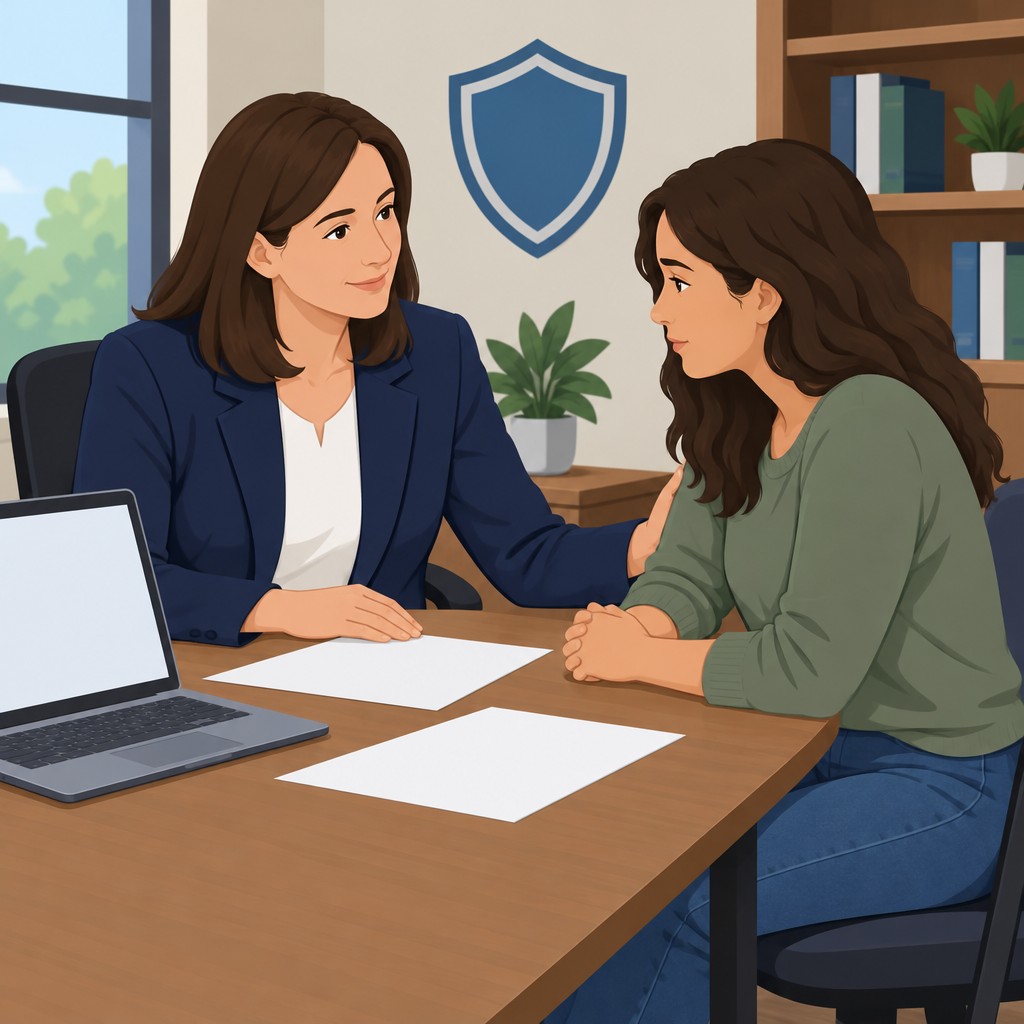
System Barriers Affecting Survivor Priorities
Victim advocates navigate systems that may not prioritize survivor needs.
As a result, advocates can face difficulty securing necessary resources, services, and support.
These barriers may affect the quality of care and assistance survivors receive.
Uncover the Details: Human Services Assistant: Ethics and Professional Conduct
Impact of Victim Advocacy on Survivor Outcomes
- Advocacy increases survivors’ likelihood of seeking help and reporting abuse.
- Advocacy contributes to higher rates of successful prosecution against abusers.
- Advocacy services can improve survivors’ mental health and overall well-being.
Victim advocacy can improve outcomes for survivors of domestic violence.
Advocates provide support, guidance, and resources that help survivors seek assistance.
As a result, survivors may feel more prepared to report abuse and pursue justice.
Advocates also support legal processes by helping document cases and organize evidence.
They work with law enforcement and legal professionals throughout those processes.
This coordinated support can strengthen cases and improve the likelihood of successful prosecution.
Additionally, advocacy services address the emotional effects of domestic violence.
Advocates offer emotional support, counseling, and referrals to mental health professionals.
These resources help survivors cope with trauma and support their recovery.
Therefore, victim advocacy can promote healing, accountability, and improved well-being for survivors.
Delve into the Subject: Mental Health Technician and Patient Interaction
Collaborations With Other Stakeholders
Victim advocacy requires cooperation among professionals who support survivors of domestic violence.
These partnerships can improve safety, legal assistance, and access to essential services.
Additionally, coordinated efforts can help hold abusers accountable.
Partnerships With Law Enforcement
Law enforcement agencies can help advocates address immediate safety concerns.
Police officers can provide protection when domestic violence incidents occur.
Furthermore, police departments can respond to incidents and enforce protection orders.
- Advocates can work closely with law enforcement agencies to support survivor safety.
- Police officers can help provide immediate protection during domestic violence incidents.
- Police departments can respond to incidents and enforce protection orders.
Partnerships With Legal Professionals
Legal professionals can help survivors access representation and understand available legal options.
Lawyers and legal advocates can guide survivors through protection order procedures.
They can also help survivors navigate court processes and pursue accountability.
- Lawyers and legal advocates can help survivors obtain legal representation.
- Legal professionals can assist survivors with protection orders and court procedures.
- Attorneys can help survivors pursue accountability through the legal system.
Partnerships With Social Service Agencies
Social service agencies can connect survivors with practical and emotional support.
These agencies may provide shelter, counseling, and support groups.
Moreover, social workers can help survivors rebuild their lives after abuse.
- Social service agencies can connect survivors with shelter and counseling.
- Support groups can help survivors address the effects of domestic violence.
- Social workers and advocates can provide support beyond legal assistance.
Coordinated Support for Survivors
Effective advocacy connects survivors with several forms of support.
Coordination can address legal, emotional, financial, and housing needs.
Therefore, service providers should work together to offer comprehensive assistance.
Support Services
Support services can help survivors recover and make informed choices.
Counseling and support groups can address emotional needs after abuse.
Safe housing and financial assistance can support survivors as they rebuild their lives.
- Survivors should have access to counseling and support groups.
- Mental health services can provide additional assistance during recovery.
- Safe housing and financial assistance can help survivors rebuild their lives.
- Service providers can coordinate resources to address survivors’ varied needs.
Case Management
Case managers can help survivors navigate legal procedures and service systems.
They can coordinate resources according to each survivor’s needs.
In addition, case managers can provide a consistent point of contact.
- Case managers can help survivors navigate the legal system.
- They can connect survivors with necessary services and resources.
- Case managers can coordinate support in a holistic manner.
- They can serve as central contacts for survivors.
Empowerment and Education
Education can help survivors understand their rights and available options.
Clear information can help survivors make informed decisions.
Learning about domestic violence can also help survivors understand their experiences.
- Advocates can explain survivors’ rights and available choices.
- Information about resources can help survivors take greater control.
- Education about domestic violence can clarify survivors’ experiences.
Policy Changes for Survivor Protection and Accountability
Victim advocacy also addresses policies that affect survivor safety.
Transform Your Career Today
Unlock a personalized career strategy that drives real results. Get tailored advice and a roadmap designed just for you.
Start NowAdvocates can promote stronger protections and improved institutional responses.
They can also support resources that strengthen services for survivors.
Policy Advocacy
Policy advocacy can strengthen protections for survivors of domestic violence.
Advocates can encourage systems that prioritize survivor safety and well-being.
They can also seek funding for programs that serve survivors.
- Advocates can support stricter enforcement of protection orders.
- They can promote survivor safety within the criminal justice system.
- Advocates can seek funding for domestic violence support programs.
Training and Education
Training can help professionals respond more effectively to domestic violence cases.
Law enforcement and legal professionals need education about these cases.
Similarly, policymakers need information that supports meaningful policy changes.
- Training can improve law enforcement responses to domestic violence cases.
- Legal professionals can learn approaches that better support survivors.
- Judges and court personnel can study domestic violence dynamics.
- Policymakers can learn why domestic violence requires sustained attention.
You Might Also Like: How to Navigate Case Management Documentation
Promoting Awareness and Education
Victim advocates promote awareness and education about domestic violence within their communities.
They help the public recognize domestic violence and understand its effects on survivors.
Additionally, advocates connect community members with resources that can support people experiencing domestic violence.
Community Outreach Programs
Community outreach programs teach people about domestic violence and its warning signs.
These programs also explain how domestic violence affects survivors and their communities.
Furthermore, outreach efforts identify resources for people who need assistance.
Victim advocates partner with local organizations, schools, and businesses to reach broader audiences.
By sharing accurate information, advocates can reduce stigma and encourage survivors to seek help.
Training Workshops for Supportive Communities
Victim advocates provide training workshops for advocates, professionals, and community members.
These workshops teach participants how to support survivors with knowledge and compassion.
Training topics include trauma-informed care, legal advocacy, and safety planning.
Consequently, survivors can access a more informed and supportive network.
That network can help survivors rebuild their lives after domestic violence.
Advocating for Prevention Strategies
Victim advocates also promote strategies that can help prevent domestic violence.
They may work with policymakers to support laws prioritizing survivor safety and well-being.
These efforts address factors that contribute to domestic violence within communities.
Moreover, prevention advocacy seeks lasting changes that can benefit future generations.
Through education and prevention, advocates work toward communities that reject domestic violence.
Success Stories and Testimonies
Sharing survivor stories shows how victim advocacy can change lives.
These accounts offer hope and demonstrate why support matters in domestic violence cases.
They also show how advocates help survivors pursue safety and stability.
Survivor Stories
Survivors describe how advocacy helped them escape abuse and begin rebuilding their lives.
Their experiences highlight the practical value of safety planning, housing assistance, and legal guidance.
These stories also show how support can strengthen survivors’ confidence during difficult transitions.
- Sarah escaped an abusive relationship after an advocate helped her find safe housing and legal assistance.
- David navigated the legal system with advocacy support and obtained a restraining order against his former partner.
Impact of Advocacy Services
Victim advocacy helps survivors access resources while they work to break the cycle of abuse.
Advocates encourage survivors to seek help and take steps toward greater personal safety.
These services also support safer communities by promoting accountability for abusive behavior.
Testimonials from Survivors and Supporters
Testimonials from advocates, survivors, and community members show the value of consistent support.
Their experiences describe practical assistance, personal growth, and stronger community accountability.
Together, these perspectives illustrate how advocacy can help survivors move toward safety and justice.
- Maria values seeing survivors become empowered individuals through advocacy services and support.
- John appreciated the guidance that helped him navigate legal processes and seek justice for abuse.
- Rachel praised advocates for providing resources and raising awareness about domestic violence.
These testimonies show how advocacy can support healing and help survivors regain control of their lives.
Transform Your Career Today
Unlock a personalized career strategy that drives real results. Get tailored advice and a roadmap designed just for you.
Start NowThey also reinforce the importance of survivor empowerment, accountability, safety, and community support.
Community Commitment to Survivor Support
Victim advocacy helps survivors access support and resources after domestic violence.
It also raises awareness and encourages communities to pursue justice.
Therefore, we can support survivors by listening carefully and offering practical help.
As a community, we can oppose domestic violence and strengthen victim advocacy programs.
Our responsibility includes creating safe, supportive spaces where survivors can seek help and heal.
You can contribute by volunteering or raising awareness in your community.
Together, we can empower survivors and defend their rights.
Let us stand with survivors and work toward a safer future for everyone.
Additional Resources
Google search results for Victim Advocacy in Domestic Violence Cases Social and Human Services
Bing search results for Victim Advocacy in Domestic Violence Cases Social and Human Services


