




Agricultural Laborers and Their Essential Contributions
Agricultural laborers play a vital role in ensuring the success of farms and fields.
They plant, cultivate, and harvest crops while tending to livestock.
These workers form the backbone of the agricultural industry.
Furthermore, their dedication helps produce food for consumption.
Despite these contributions, agricultural laborers face several challenges during their daily work.
These challenges include physical exertion and exposure to harsh weather conditions.
They also encounter wage issues and limited access to healthcare.
Low Wages and Limited Benefits
Agricultural laborers often receive minimum wage or less.
This pay makes it difficult for them to meet basic needs.
Consequently, many workers experience financial instability and insecurity.
Without healthcare access, agricultural laborers may struggle to obtain needed medical treatment.
Moreover, unpaid leave can force them to work while ill or injured.
Low wages also increase stress and anxiety among agricultural workers.
- Low wages contribute to high stress and anxiety among agricultural workers.
- Without healthcare and paid leave, agricultural laborers struggle to protect their health and well-being.
- Families also experience financial strain and limited access to healthcare.
These conditions affect workers and their families.
They also perpetuate poverty and health disparities.
As a result, agricultural laborers may struggle to improve their quality of life.
Unsafe Working Conditions
Agricultural laborers face pesticide exposure and accidents involving heavy machinery.
These hazards can cause serious injuries and fatalities across the industry.
Meanwhile, many workers lack adequate safety regulations, training, equipment, and workplace protections.
Consequently, limited oversight and enforcement leave laborers vulnerable to dangerous conditions.
Addressing Safety Risks
Working in agriculture exposes laborers to significant health and safety risks every day.
Moreover, toxic pesticides and heavy machinery create distinct physical dangers.
Without protective measures, workers may suffer injuries, illnesses, or fatalities while performing their duties.
Therefore, policymakers and agricultural employers must prioritize worker safety and well-being.
They should implement strict safety regulations, provide proper training, and ensure access to protective gear.
Additionally, clear guidelines and enforcement can hold employers accountable and protect workers’ rights.
Creating a safety culture can reduce workplace risks and support a more humane agricultural environment.
Uncover the Details: Common Questions for Agricultural Loan Officers
Long Hours and Physically Demanding Work
Agricultural work demands long hours and strenuous physical labor in harsh weather.
These conditions can place significant strain on workers’ bodies.
- Constant exposure to the elements
- Heavy lifting and repetitive tasks
- Fatigue and limited rest
- Limited breaks and downtime
Workers face constant exposure to scorching heat and freezing cold.
They often spend hours under the sun, risking heat exhaustion and dehydration.
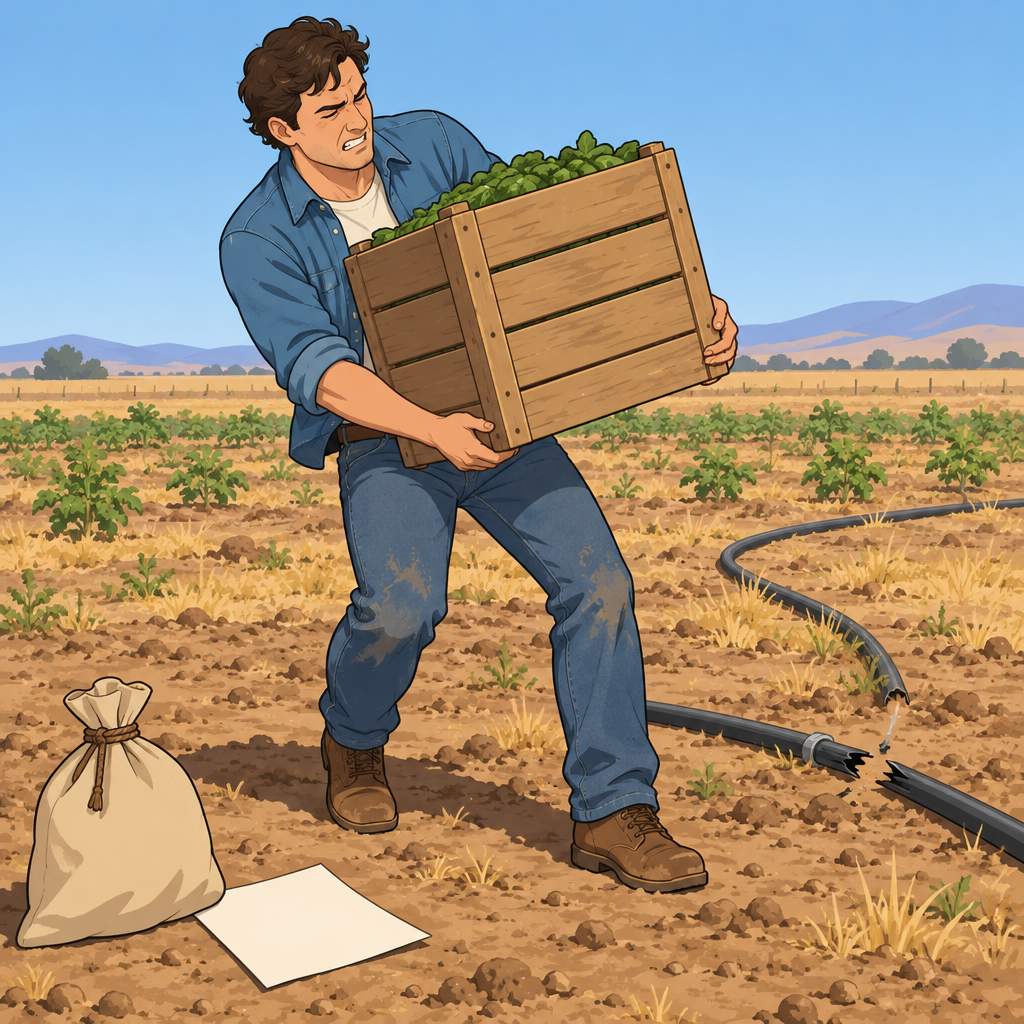
Agricultural tasks frequently involve heavy lifting and repetitive motions.
These activities strain muscles and joints, potentially causing chronic pain, back injuries, and other physical ailments.
Demanding schedules can prevent many workers from getting adequate rest and recuperation.
Long hours in fields can leave workers exhausted and drained.
Some agricultural workers lack regular breaks or downtime during the day.
Employers may expect them to work long stretches without rest, increasing fatigue and burnout.
The physical demands of agriculture can significantly affect workers’ health and wellbeing.
Better working conditions and stronger support can help address these challenges.
Transform Your Career Today
Unlock a personalized career strategy that drives real results. Get tailored advice and a roadmap designed just for you.
Start NowDelve into the Subject: Benefits of Precision Agriculture for Modern Farmers
Limited Access to Education and Training
Many agricultural laborers live in rural areas where educational resources remain scarce.
Consequently, limited schooling can prevent workers from developing skills needed for agricultural careers.
Training costs can also exclude laborers who already struggle to meet basic needs.
Effects on Career Advancement and Job Opportunities
Without additional education, workers may find career advancement difficult.
As a result, many remain in low-paying, physically demanding roles with limited opportunities.
This restricted mobility can create frustration and reduce workers’ overall well-being.
Approaches to Expanding Education Access
Government and industry stakeholders can expand access through targeted educational initiatives.
Mobile programs can bring training directly to rural communities and reduce travel barriers.
Moreover, financial support and employer partnerships can help workers gain practical skills.
- Government and industry stakeholders should increase funding for rural education programs.
- Mobile education units can deliver training directly to rural communities.
- Scholarships and grants can make education more affordable for agricultural laborers.
- Agricultural companies can provide on-the-job training to strengthen workers’ skills.
Uncover the Details: Water Management Strategies for Horticulturists
Discrimination and exploitation affect agricultural laborers in several ways.
These practices create serious challenges for workers seeking a livelihood in agriculture.
Moreover, unfair treatment can undermine workers’ security and dignity.
Instances of Discrimination and Exploitation
Employers may deny workers fair pay for completed labor.
Harassment can also create hostile workplaces through physical or verbal abuse.
Together, these practices can make agricultural employment unstable and unsafe.
- Wage theft occurs when employers withhold fair payment for workers’ labor.
- Physical and verbal harassment can create hostile conditions in agricultural workplaces.
Vulnerability of Migrant Workers
Migrant workers face heightened risks because immigration status can limit their legal protections.
Employers may exploit this vulnerability by imposing harsh conditions or tolerating abusive behavior.
Consequently, migrant workers may struggle to report discrimination or seek meaningful support.
Addressing Systemic Discrimination
Protecting agricultural laborers requires attention to the systems that permit discrimination and exploitation.
Fair labor practices can help employers respect workers’ rights and improve workplace treatment.
Additionally, enforcing laws against exploitation can support a more just agricultural industry.
Delve into the Subject: Safety Tips for Operating Farm Machinery Efficiently
A common challenge for agricultural laborers involves limited representation and advocacy.
Limited Voice of Agricultural Laborers
- Agricultural laborers often have few opportunities to advocate for their rights.
- Many laborers avoid speaking out because they fear job loss or retaliation.
- Meanwhile, temporary and seasonal work makes organizing and mobilizing difficult.
Role of Unions and Advocacy Organizations
- Unions play an important role in representing agricultural workers.
- They negotiate better wages, benefits, and working conditions for laborers.
- Additionally, advocacy organizations provide resources that help workers assert their rights.
Ways to Amplify Agricultural Laborers’ Voices
- Laborers can join unions and advocacy groups to strengthen their collective voice.
- Training can teach workers about labor rights and effective advocacy methods.
- Public platforms can help agricultural laborers share their experiences and concerns.
Stronger representation helps protect agricultural laborers’ rights and well-being.
Barriers to Healthcare Access
Remote farm locations often separate agricultural laborers from healthcare facilities.
Additionally, limited transportation can delay workers’ medical visits.
Financial, language, and insurance barriers can also limit access to care.
- Remote farms make healthcare facilities difficult to reach.
- Limited transportation prevents some farmworkers from traveling to medical centers.
- Financial constraints can discourage agricultural laborers from seeking medical care.
- Language differences can hinder communication with healthcare providers.
- Seasonal and migrant workers may lack adequate health insurance coverage.
Mental Health Challenges in Agriculture
Rural work can leave agricultural laborers feeling isolated and alone.
Furthermore, long hours and demanding tasks can increase stress and anxiety.
Job uncertainty, chemical exposure, and mental health stigma can make support harder to seek.
- Rural work can increase isolation and loneliness among agricultural laborers.
- Long hours and demanding work can contribute to stress and anxiety.
- Pesticide and chemical exposure can affect workers’ mental health.
- Uncertain employment and financial insecurity can contribute to mental health concerns.
- Mental health stigma can prevent agricultural laborers from seeking help.
Why Healthcare Equity Matters
Better healthcare access helps workers detect and treat health problems earlier.
Moreover, mental health support can strengthen well-being and workplace productivity.
Reducing healthcare disparities can support worker retention and promote social justice.
- Improved healthcare access supports earlier detection and treatment of health problems.
- Mental health support can improve workers’ well-being and productivity.
- Fewer healthcare disparities can help attract and retain agricultural laborers.
- Worker health and safety support the agricultural economy.
- Healthcare equity advances social justice and fairness.
Social and Economic Pressures on Agricultural Laborers
Agricultural laborers often face conditions that affect their health, stability, and daily well-being.
Long workdays and demanding tasks can cause fatigue, stress, and burnout.
Meanwhile, unstable employment can make it difficult for workers to support themselves and their families.
Migrant workers encounter additional barriers, including language differences and cultural isolation.
These barriers can also restrict their access to healthcare services.
Transform Your Career Today
Unlock a personalized career strategy that drives real results. Get tailored advice and a roadmap designed just for you.
Start NowTogether, these pressures deepen the difficulties workers experience throughout the agricultural sector.
Building a More Equitable Agricultural Sector
Addressing systemic issues can improve conditions and promote greater stability for agricultural laborers.
Fair wages and stronger employment stability can help workers pursue more secure livelihoods.
Support for migrant workers should address language, cultural, and service-related barriers.
Consumers can advocate for worker rights and support initiatives that promote fairness and dignity.
Together, communities can encourage a more sustainable and equitable future for agricultural laborers.
Additional Resources
Google search results for Common Challenges Faced by Agricultural Laborers Agricultural
Bing search results for Common Challenges Faced by Agricultural Laborers Agricultural


