




Introduction
Pest management strategies provide a brief overview of methods that protect healthy environments.
They support individual well-being by addressing harmful pests.
Furthermore, these strategies help prevent pest-related problems across important industries.
The Importance of Pest Management Strategies
Pest management strategies maintain healthy environments and support individual well-being.
They control harmful pests that can damage crops, structures, and human health.
Additionally, prevention reduces the spread of those pests.
Definition of Pest Management
Pest management controls and manages pests through several methods.
These methods include biological, cultural, and chemical control.
Moreover, agriculture, forestry, food processing, and healthcare use it to prevent pest-related problems.
Types of Pests
Residential and commercial settings contain several common pest species.
These pests can threaten health, crops, buildings, and household belongings.
Recognizing their behavior helps people address infestations appropriately.
Common Pests in Residential and Commercial Settings
Homes and businesses often experience infestations from insects, rodents, and other pests.
These organisms can contaminate food, damage property, or cause discomfort.
Therefore, identifying the pest supports effective control and prevention.
- Cockroaches can carry diseases and contaminate food in homes and businesses.
- Ants can enter homes for food and damage property when their numbers increase.
- Mice and rats can spread diseases, contaminate food, and damage structures by gnawing materials.
- Termites can severely damage building structures and create costly problems without treatment.
- Bed bugs can inhabit mattresses, furniture, and upholstery, causing itchy bites and discomfort.
Effects of Pests on Health, Crops, and Structures
Pests create significant risks for people, agriculture, buildings, and infrastructure.
Different pest types produce different effects across these important areas.
Furthermore, understanding these effects supports stronger pest management decisions.
Human Health Risks
Mosquitoes and ticks can transmit malaria, dengue fever, Lyme disease, and West Nile virus.
Rodents can carry pathogens that cause hantavirus and salmonellosis in humans.
Additionally, cockroaches and dust mites can trigger allergies and asthma.
- Mosquitoes and ticks can transmit malaria, dengue fever, Lyme disease, and West Nile virus.
- Rodents can carry pathogens that cause hantavirus and salmonellosis.
- Cockroaches and dust mites can trigger allergies and asthma, causing respiratory issues.
Agricultural Effects
Aphids, caterpillars, and beetles can feed on plant tissues and damage crops.
Consequently, crop damage can reduce agricultural yield, quality, and profitability.
Fungal pathogens can also cause plant diseases, crop losses, and food security concerns.
- Aphids, caterpillars, and beetles can reduce crop yield and quality by feeding on plants.
- Weeds compete with crops for nutrients, sunlight, and water.
- Fungal pathogens can cause plant diseases that affect food security and economics.
Structural Effects
Termites can damage wooden structures, homes, buildings, and furniture.
Rodents can gnaw electrical wires, insulation, and plumbing.
As a result, infestations can create fire hazards, water damage, and structural instability.
- Termites can compromise the integrity of wooden structures when damage continues untreated.
- Rodents can damage electrical wires, insulation, and plumbing inside buildings.
- Carpenter ants and beetles can weaken wooden structures and reduce their longevity.
Pest Management Priorities
Pest management protects human health, crops, buildings, and surrounding environments.
People can identify common pests and select suitable control and prevention strategies.
However, severe infestations may require professional assistance to maintain a safe, healthy environment.
Integrated Pest Management
Integrated Pest Management focuses on long-term pest prevention.
It combines biological control, habitat manipulation, and resistant varieties.
This approach manages pests effectively through multiple coordinated techniques.
How the IPM Approach Works
- IPM involves monitoring and identifying pests before selecting control measures.
- It emphasizes pest life cycles and interactions with the environment.
- Furthermore, IPM prevents pests from becoming serious problems.
- It combines cultural, physical, biological, and chemical control methods.
- IPM minimizes chemical pesticide use while maintaining effective pest control.
Benefits of IPM Strategies
- IPM reduces reliance on chemical pesticides that can harm the environment and human health.
- It improves control efficiency by targeting specific pests with combined methods.
- Moreover, IPM supports sustainable agriculture by preserving natural pest enemies.
- Rotating control methods reduces pesticide resistance among pest populations.
- IPM can reduce frequent pesticide applications and provide long-term cost benefits.
Long-Term Value of IPM
IPM provides a holistic approach to pest control.
It combines prevention with long-term pest management solutions.
Therefore, IPM supports sustainable agriculture and environmental health.
Discover More: Training Programs for Aspiring Quality Control Inspectors
Biological Control Methods
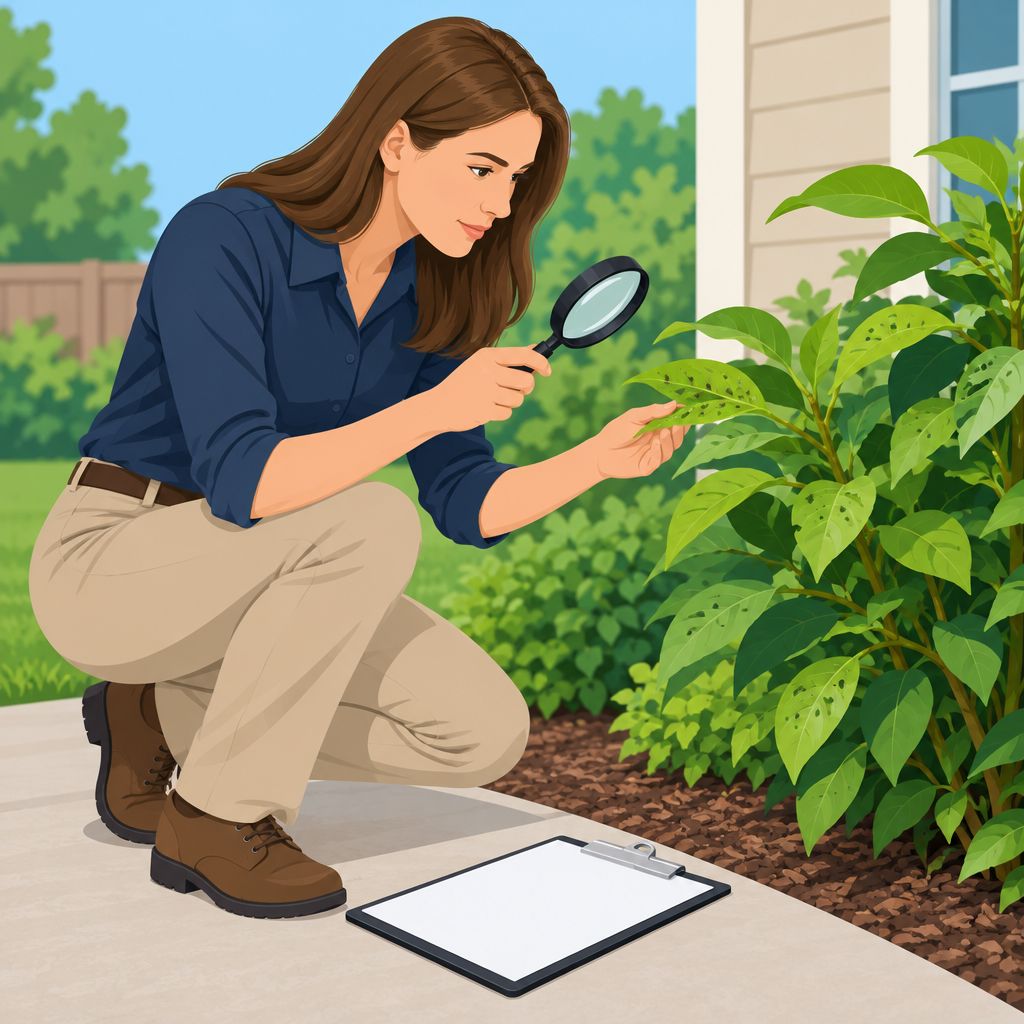
Biological control uses living organisms to reduce pest populations.
Natural enemies limit pest damage by reducing the number of harmful organisms.
Therefore, farmers can manage pests while reducing their reliance on chemical pesticides.
Transform Your Career Today
Unlock a personalized career strategy that drives real results. Get tailored advice and a roadmap designed just for you.
Start NowThis method supports sustainable agriculture and minimizes harmful effects on the environment and human health.
Additionally, biological control helps preserve biodiversity within agricultural ecosystems.
Biological Control Agents and Their Functions
Biological control agents belong to three main categories: predators, parasitoids, and pathogens.
- Predatory insects, including ladybugs, lacewings, and mantises, feed on pest insects.
- Parasitoids lay eggs in or on pest insects, eventually killing their hosts.
- Pathogens include bacteria, fungi, and viruses that infect and kill pests such as caterpillars, beetles, and aphids.
Parasitic wasps and flies can target specific pests without harming other beneficial insects.
Farmers can introduce these agents into agricultural systems to manage pest populations naturally.
This strategy reduces chemical pesticide use and helps preserve ecosystem biodiversity.
Moreover, it supports sustainable pest management practices.
Implementing Biological Control in Agriculture
Effective implementation requires careful consideration of each farm’s specific pest problems.
Farmers must also identify natural enemies suited to those problems.
By working with nature, farmers can support healthy and resilient agricultural systems.
These systems can benefit both environmental protection and agricultural productivity.
Biological control therefore offers a sustainable option for conserving natural resources.
Learn More: Understanding Mastitis: A Dairy Scientist's View
Overview of Chemical Pesticides
Chemical pesticides are substances used to control or eliminate pests such as insects, weeds, and pathogens.
They disrupt pests’ normal functions by affecting growth, reproduction, or behavior.
Moreover, chemical pesticides include insecticides, herbicides, and fungicides, grouped by their modes of action.
Effectiveness of Chemical Pesticides
Chemical pesticides can quickly reduce pest populations.
They can address many pest species through sprays, baits, or fumigants.
However, excessive reliance can encourage pesticide resistance and reduce effectiveness over time.
Therefore, users should combine chemicals with other pest management strategies.
Safety Precautions for Chemical Control
Users should read and follow each pesticide label carefully.
Labels provide dosage, application methods, and safety guidelines.
Protective equipment, including gloves, masks, and goggles, reduces exposure during handling or application.
Keep children and pets away from treated areas.
Store pesticides in a locked cabinet beyond their reach.
Dispose of empty containers according to local regulations.
Avoid contaminating water sources or harming non-target organisms.
Finally, monitor treated areas for residue or contamination.
Take corrective action when monitoring identifies a problem.
Responsible Chemical Pest Management
Chemical control methods can manage pest infestations effectively.
However, responsible use limits risks to human health and the environment.
Using these methods alongside other strategies supports safer pest management.
Gain More Insights: Reducing Carbon Footprint in Agriculture
Definition of Cultural Control Methods
Cultural control methods modify environments to make them less suitable for pests.
These practices disrupt pest habitats and behaviors, making reproduction more difficult.
They can reduce damage without relying on chemical treatments.
Examples of Cultural Control Methods
Several cultural practices can reduce pest populations in agricultural and built environments.
Each method changes conditions that support pest survival, movement, feeding, or reproduction.
Therefore, selecting suitable practices requires attention to local pest conditions.
- Crop Rotation: Farmers rotate crops to prevent pest populations from building up.
Different crops attract different pests, so rotation can disrupt pest lifecycles and reduce their numbers. - Sanitation Practices: Clean living and working spaces remove food sources and hiding places.
Regular waste disposal, sealed cracks, and proper hygiene can deter pests. - Habitat Modification: Landscape adjustments can reduce locations where pests live and reproduce.
Removing pest-supporting vegetation, creating barriers, and improving drainage can limit pest movement and breeding. - Trap Cropping: Farmers plant attractive crops near vulnerable plants to lure pests away.
These decoy plants can reduce damage to primary crops. - Mulching: Mulch conserves moisture, controls weeds, and regulates soil temperature.
Some mulch types also create barriers that prevent pests from reaching plant roots.
Implementing Cultural Control Methods
Successful implementation requires knowledge of pest biology, behavior, and environmental requirements.
Transform Your Career Today
Unlock a personalized career strategy that drives real results. Get tailored advice and a roadmap designed just for you.
Start NowPractitioners should match cultural practices to the setting and the pest problem.
Regular monitoring helps people measure results and adjust their strategies.
Assessment of Pest Conditions
Begin by identifying the pests present in the affected area.
Next, determine their lifecycle stages and the infestation’s extent.
This information guides the selection of appropriate cultural control methods.
Planning Cultural Practices
Create a detailed plan for the selected cultural control methods.
Consider the location, size, and type of the affected area.
Also, identify necessary resources, establish a timeline, and set pest management objectives.
Implementation and Monitoring
Apply each cultural method according to relevant guidelines and established best practices.
Monitor the methods regularly to determine whether they reduce pest activity.
Make adjustments when monitoring shows that the strategy needs improvement.
Evaluation of Results
Evaluate results by monitoring pest populations and assessing plant health.
Document changes in infestation levels throughout the management process.
Compare these observations with the initial assessment to measure effectiveness.
Adaptation to Changing Conditions
Adapt cultural methods when environmental conditions or pest dynamics change.
New information may require practitioners to revise their management approach.
Flexibility and creativity help address situations that require unique solutions.
Cultural control methods offer sustainable and eco-friendly options for managing pests.
These practices can reduce reliance on chemical treatments.
They also support environmental health and conservation while controlling pest populations.
Discover More: Best Practices for Efficient Agricultural Labor
Mechanical Control Methods
Mechanical control methods play a crucial role in keeping pests away from properties.
These methods physically prevent pests from entering or inhabiting a space.
They provide a practical way to reduce pest access without relying on chemical treatments.
Importance of Physical Barriers
Physical barriers provide the first line of defense against pests.
They create obstacles that make it difficult for pests to breach protected areas.
Property owners can customize these barriers to provide targeted protection against specific pests.
- Physical barriers prevent pests from accessing your property.
- They make it harder for pests to infiltrate your space.
- These barriers reduce the risk of infestations and property damage.
- Customized barriers address the specific needs of your property.
Mechanical Control Devices and Their Applications
Mechanical devices block entry points or capture pests after they enter a space.
Different devices address different pest behaviors and property locations.
Using the appropriate device can help reduce pest populations and protect buildings.
- Door sweeps block pests from squeezing through gaps beneath doors.
- Window screens keep pests outside while allowing fresh air indoors.
- Caulking seals cracks and crevices that pests may use as entry points.
- Physical traps capture pests and help reduce their populations.
- Barrier fencing helps keep larger pests, including deer and rabbits, away.
Monitoring and Prevention
Effective pest management requires regular monitoring and preventive action.
These practices help reduce the risk of pest problems in homes and businesses.
Moreover, early attention supports targeted responses before infestations become severe.
Importance of Regular Pest Monitoring
Regular monitoring reveals pests early and prevents them from establishing difficult-to-control populations.
It also identifies pest types, population sizes, and the extent of potential damage.
Therefore, monitoring supports targeted control measures before pest problems become severe.
Preventing Pest Infestations in Homes and Businesses
Property owners can reduce pest access by sealing entry points and maintaining clean storage areas.
Regular waste disposal, vegetation trimming, and proper drainage also limit conditions that attract pests.
Additionally, inspections and routine cleaning can identify or remove pests before they spread indoors.
- Seal cracks and crevices in walls, floors, and foundations to block pest entry.
- Keep food storage areas clean and organized to remove potential food sources.
- Dispose of garbage regularly and securely to avoid attracting rodents and flies.
- Trim vegetation around buildings to reduce hiding places for ants, spiders, and rodents.
- Maintain proper drainage to prevent water accumulation that attracts mosquitoes and cockroaches.
- Store firewood away from buildings and off the ground to discourage pests.
- Inspect furniture, luggage, and packages for pests before bringing them indoors.
- Use screens on doors and windows to prevent pests from entering buildings.
- Clean and vacuum carpets, upholstery, and other areas where pests may hide.
- Consult a pest management professional about preventive measures for your situation.
Sustainable Pest Management Outcomes
Understanding pest management strategies helps people maintain healthy and sustainable environments.
Transform Your Career Today
Unlock a personalized career strategy that drives real results. Get tailored advice and a roadmap designed just for you.
Start NowFurthermore, informed individuals and organizations can combat pests while minimizing ecosystem impacts.
Integrated pest management combines techniques to control pests sustainably.
It also reduces reliance on harmful chemicals and supports long-term pest control.
Consequently, these strategies protect crops, homes, and the environment.
They also help safeguard public health.
Therefore, people and organizations should promote education and awareness about these practices.
Working together can support a healthier and more sustainable future.
Additional Resources
Google search results for Understanding Pest Management Strategies Agricultural
Bing search results for Understanding Pest Management Strategies Agricultural


