




Creating effective conservation awareness campaigns helps protect the environment and wildlife.
These campaigns also educate the public about important environmental issues.
This section explains the key elements of successful conservation awareness campaigns.
Importance of Conservation Awareness Campaigns
Conservation awareness campaigns raise public understanding of natural resource protection.
Additionally, these campaigns promote sustainable practices and encourage environmental action.
Greater awareness empowers people to make informed choices that benefit future generations.
Topics Covered in Conservation Campaign Planning
The following sections explain strategies for creating compelling conservation messages.
They also examine social media, partnerships, and storytelling as campaign tools.
Finally, practical guidance addresses diverse audiences and conservation campaign measurement.
Understanding the Target Audience
Identifying the target audience supports effective conservation awareness campaigns.
First, determine whom you want to reach before developing campaign messages.
Consider age, gender, location, interests, and values when defining the audience.
Additionally, use surveys, interviews, and research to understand audience preferences and behaviors.
Researching and Identifying Key Demographics
Demographic research reveals the characteristics of the people your campaign seeks to reach.
Examine statistics, trends, and insights to identify groups that align with campaign goals.
Also, evaluate income, education, occupation, and lifestyle choices during demographic analysis.
Use social media analytics, market research reports, and government data to gather demographic information.
Tailoring Messaging and Tactics for Audience Engagement
Craft messages that address your audience’s interests, values, and concerns.
Use language and visuals that connect with the demographic groups you want to reach.
Moreover, storytelling, emotional appeals, and relatable examples can strengthen audience engagement.
Choose channels that your target demographic uses, including social media, email, or community events.
These steps can increase engagement, encourage behavior change, and support positive conservation efforts.
Setting Clear Campaign Goals
- The campaign team identifies the conservation awareness campaign’s primary purpose.
- Next, the team determines the specific outcomes the campaign should achieve.
- The team creates clear, actionable goals that align with the campaign’s mission.
- Meanwhile, the team considers the target audience and selects effective ways to reach them.
- Finally, the team ensures that the goals remain realistic within the campaign timeline.
Establishing Measurable Objectives
- The campaign team breaks each goal into smaller, measurable objectives.
- Next, the team defines specific actions required to achieve every objective.
- The team sets deadlines that support effective progress tracking.
- Additionally, the team aligns each objective with the overall campaign goals.
- Finally, the team establishes metrics for evaluating each objective’s success.
Defining Success Metrics
- The campaign team determines how to measure success for every objective.
- Next, the team sets key performance indicators to track progress and impact.
- The team considers qualitative and quantitative data when assessing campaign success.
- Throughout the campaign, the team collects data to monitor performance.
- Finally, the team adjusts strategies based on data to improve campaign effectiveness.
Explore Further: Creating an Inclusive Agri-Science Classroom
Utilizing Multiple Communication Channels
Multiple communication channels help conservation campaigns reach wider audiences.
They also allow campaign teams to present messages in different ways.
Therefore, combine digital platforms, online events, community activities, and physical materials.
- Use social media platforms to engage younger audiences.
- Host webinars and online events to educate and inspire people.
- Engage local communities through workshops and events.
- Distribute flyers, posters, and other physical materials in key locations.
Leveraging Social Media Platforms
Social media platforms can spread conservation awareness and build supportive communities.
They enable campaigns to reach wider audiences through engaging and shareable content.
Additionally, these platforms encourage meaningful participation in conservation efforts.
- Create engaging content that showcases conservation work.
- Use hashtags to increase visibility and reach.
- Collaborate with organizations and influencers for greater impact.
- Encourage user-generated content to involve the audience.
Partnering with Influencers and Organizations
Influencers and organizations can amplify conservation awareness campaigns.
Their reach and credibility can help campaigns connect with more people.
Furthermore, carefully chosen partnerships can support stronger communication efforts.
- Identify influencers and organizations that align with the cause.
- Present a clear collaboration proposal when reaching out.
- Co-create content that resonates with both audiences.
- Track partnership impact to guide future campaigns.
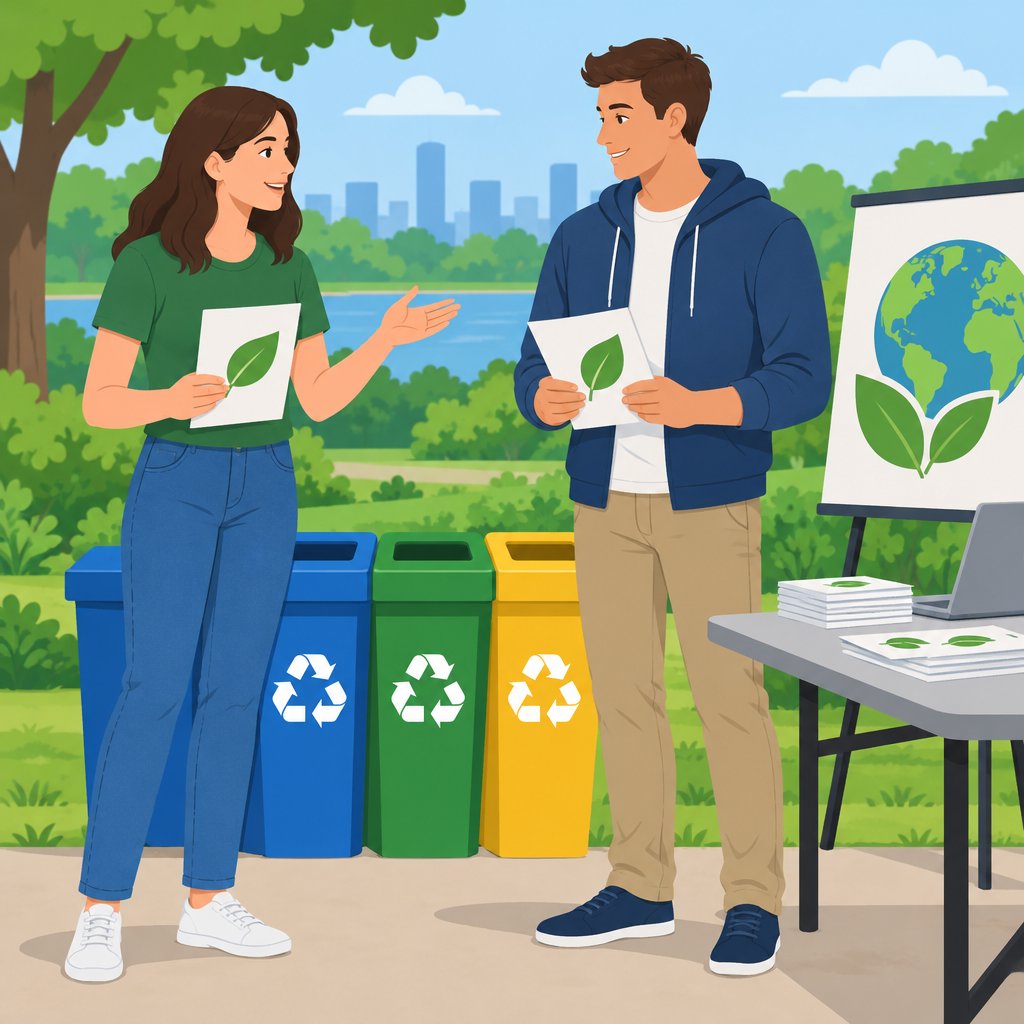
Utilizing Traditional Media Outlets
Traditional media outlets remain useful for raising awareness about conservation issues.
These outlets can reach people who may not engage with digital channels.
Consequently, traditional media helps campaigns diversify their communication strategies.
- Write press releases and pitch stories to newspapers and magazines.
- Secure interviews on radio and television programs.
- Partner with journalists and media professionals to create impactful stories.
- Attend and speak at relevant conferences and events.
See Related Content: Farm Safety Guidelines Every Manager Should Know
Creating Engaging and Impactful Content
Effective conservation awareness campaigns depend on engaging and impactful content.
This content should inform, educate, and inspire people to take action.
Campaign teams can strengthen their messages by combining relevant information with relatable experiences.
- Research your audience to understand its interests and preferences.
- Create content that resonates with audiences and communicates conservation’s importance.
- Use compelling visuals, infographics, and statistics to capture attention and explain your message.
- Include personal stories, case studies, and testimonials to make content relatable and engaging.
Developing Powerful Visuals and Videos
Visuals and videos capture attention and communicate conservation messages effectively.
Transform Your Career Today
Unlock a personalized career strategy that drives real results. Get tailored advice and a roadmap designed just for you.
Start NowHigh-quality creative work can leave a lasting impression on audiences.
Meanwhile, varied visual formats can present conservation efforts from unique perspectives.
- Use high-resolution images, videos, and graphics to attract and engage audiences.
- Create visually striking content that conveys conservation’s urgency and importance.
- Utilize drone footage, time-lapse videos, and virtual reality experiences to offer unique perspectives.
- Collaborate with artists, photographers, and videographers to create compelling visuals.
Using Compelling Storytelling Techniques
Storytelling creates emotional connections between audiences and conservation efforts.
Strong narratives can inspire action while making campaign messages memorable.
Through relatable stories, campaigns can present conservation successes, challenges, and significance.
- Develop a narrative that highlights conservation’s effects on individuals and communities.
- Create characters, plotlines, and conflicts that resonate with audiences and evoke empathy.
- Incorporate suspense, drama, and emotion to maintain audience engagement.
- Use storytelling to present success stories, challenges, and conservation’s importance.
Incorporating Calls to Action
Clear calls to action encourage audiences to support conservation efforts.
Specific instructions help people understand how they can participate.
Persuasive language and timely messaging can motivate audiences to respond.
- Invite audiences to sign petitions, volunteer, or donate.
- Create urgency by explaining action’s immediate impact and inaction’s consequences.
- Use persuasive language and compelling visuals to encourage participation.
- Provide clear instructions that make conservation participation easier.
Find Out More: Latest Trends in Animal Nutrition and Feed Programs
Effective conservation awareness campaigns depend on collaboration with stakeholders.
Working with diverse groups and individuals can significantly strengthen campaign impact.
Stakeholder collaboration also supports a more coordinated approach to conservation awareness.
Collaborating with Stakeholders
Stakeholders include local communities, businesses, government agencies, and non-governmental organizations.
Each group can contribute valuable knowledge, resources, or community connections.
Therefore, engaging stakeholders early can create a more comprehensive and effective campaign.
- Engage stakeholders early in planning so they can contribute meaningful input.
- Create a shared vision and goals to align interests and strengthen campaign effectiveness.
- Communicate regularly and transparently to keep stakeholders informed and engaged.
- Seek feedback throughout the campaign to address concerns and improve strategies.
Building Partnerships with Brands, NGOs, and Government Agencies
Partnerships can expand the reach and influence of conservation awareness campaigns.
Brands, NGOs, and government agencies can provide resources, expertise, and established networks.
Additionally, shared efforts can help partners advance common conservation objectives.
- Identify partners that share compatible conservation values and goals.
- Develop clear agreements that define each partner’s roles, responsibilities, and expectations.
- Coordinate joint marketing efforts to use each partner’s audience and reach.
- Monitor and evaluate partnerships regularly to maintain alignment and effectiveness.
Leveraging Existing Networks for Greater Reach
Existing social, professional, and community networks can extend conservation campaign reach.
These networks can connect campaign messages with broader audiences and potential supporters.
Furthermore, trusted relationships can encourage people to participate in conservation activities.
- Identify influential network members who can advocate for the campaign.
- Use social media platforms to engage online communities and share campaign messages.
- Work with existing groups to host events that raise conservation awareness.
- Encourage supporters to share campaign materials and participate in advocacy efforts.
Stakeholder collaboration can create a unified approach to conservation awareness.
Strategic partnerships can strengthen campaign resources and broaden public engagement.
By activating existing networks, campaign teams can encourage wider participation in conservation efforts.
Learn More: Top Marketing Strategies for Agricultural Products
Monitoring and Evaluating Campaign Effectiveness
Campaign effectiveness helps determine whether a conservation awareness campaign succeeds.
Regular monitoring shows how the campaign performs over time.
Evaluation also guides decisions about future campaign activities.
Tracking Key Performance Indicators
Identifying key performance indicators helps teams gauge campaign impact.
Teams can monitor these indicators throughout the campaign.
Therefore, KPI tracking provides a structured way to review progress.
Analyzing Data for Informed Decisions
Data analysis reveals which campaign strategies work well.
It also identifies areas that need improvement.
Consequently, teams can use these insights when making informed decisions.
Making Adjustments to Improve Outcomes
Teams can adjust campaign activities after reviewing the data.
These changes can help optimize campaign effectiveness.
Moreover, adjustments can improve the campaign’s reach and outcomes.
Sustaining Campaign Improvement
Monitoring, analysis, and adjustment work together to support campaign success.
Together, these steps help teams evaluate conservation awareness campaigns.
This process keeps campaign decisions connected to observed performance.
Transform Your Career Today
Unlock a personalized career strategy that drives real results. Get tailored advice and a roadmap designed just for you.
Start NowAdvancing Conservation Through Community Action
Effective conservation awareness campaigns raise awareness about environmental issues.
By using suitable platforms and engaging content, organizations can reach wider audiences and encourage positive change.
Successful campaigns begin by defining clear objectives and understanding their target audiences.
Furthermore, storytelling and visual communication can strengthen campaign messages.
Therefore, readers can create conservation campaigns that support sustainability and protect the planet for future generations.
Additional Resources
Google search results for Creating Effective Conservation Awareness Campaigns Agricultural
Bing search results for Creating Effective Conservation Awareness Campaigns Agricultural


