




Introduction
Proper animal nutrition supports overall health and well-being.
Furthermore, current nutrition trends help caregivers develop optimal feed programs.
Consequently, balanced nutrition influences animal performance, productivity, and quality of life.
Sustainable Ingredients in Animal Feed
Using sustainable ingredients in animal feed is a growing industry trend.
These ingredients come from ethical sources that support environmental conservation and animal welfare.
Additionally, sustainable feed ingredients benefit animals and the environment.
- Sustainable ingredients promote better animal health and overall well-being.
- They reduce carbon footprints and minimize waste, supporting environmental conservation.
- Over time, these ingredients can offer farmers more economical feed options.
Popular sustainable ingredients include insect protein, algae, and plant by-products.
- Black soldier fly larvae provide a rich protein source for animals.
- Algae supply nutrients and function as supplements in animal feed.
- Food-processing by-products, such as soybean meal, can support feed production.
These examples demonstrate the diverse sustainable sources available for animal feed.
Personalized Nutrition Plans for Animals
Animal nutrition now emphasizes tailored plans that address each animal’s individual needs.
Because animals differ, caregivers must consider unique dietary requirements when planning daily feeding.
These plans help optimize health and performance while supporting appropriate growth, reproduction, and vitality.
- Each animal has unique dietary requirements.
- Personalized plans target health and performance.
- Caregivers can adjust feeding according to individual needs.
Benefits of Personalized Nutrition Plans
Personalized feeding can improve animal health and well-being.
Moreover, balanced plans may enhance growth, reproduction, vitality, and feed utilization.
They also help reduce nutritional deficiencies, excesses, and common nutrition-related veterinary issues.
- Improved animal health and well-being.
- Enhanced growth, reproduction, and overall vitality.
- Reduced risks of nutritional deficiencies or excesses.
- Fewer common veterinary issues related to nutrition.
- More efficient feed utilization and nutrient absorption.
Creating Personalized Nutrition Plans
A qualified animal nutritionist should guide each personalized nutrition plan.
The assessment should include age, breed, weight, activity level, and health status.
Additionally, research-based nutrient requirements and medical restrictions guide necessary dietary adjustments.
- Consult a qualified animal nutritionist.
- Assess age, breed, weight, activity level, and health status.
- Use research-based nutrient requirements.
- Consider existing medical conditions and dietary restrictions.
- Adjust diets for growth stages, seasonal changes, or performance goals.
By tailoring diets to individual requirements, owners can support optimal health, performance, and well-being.
Find Out More: Top Marketing Strategies for Agricultural Products
Functional Feed Additives
Functional feed additives have become more popular because they target specific animal health concerns.
These products can improve health, performance, and nutritional support more precisely than traditional feed options.
Producers also use them to address particular needs within animal nutrition programs.
- Explore the rise in popularity of functional feed additives.
- Discuss the different types of functional feed additives and their benefits.
- Provide examples of successful outcomes from incorporating functional feed additives in animal nutrition programs.
Types and Benefits of Functional Feed Additives
Several functional feed additive categories support digestion, immunity, growth, and animal health.
Common options include probiotics, prebiotics, enzymes, antioxidants, and essential oils.
Each category works differently and offers distinct benefits for animal nutrition.
Probiotics provide live beneficial bacteria that help maintain a healthy gut microbiome.
They can improve nutrient absorption, support immunity, and promote animal well-being.
Prebiotics provide nondigestible fibers that feed beneficial gut bacteria.
They encourage beneficial bacteria growth and activity within the gut.
Enzymes break complex nutrients into simpler forms that animals absorb more easily.
This action can improve digestion, reduce digestive disorders, and maximize feed nutrient use.
Antioxidants protect cells from oxidative stress and support immune function.
Essential oils can provide antimicrobial, anti-inflammatory, and digestive benefits.
Successful Outcomes in Animal Nutrition Programs
Animal nutrition programs have reported useful outcomes after producers incorporated these additives.
Poultry producers have used probiotics to reduce harmful pathogens and improve feed conversion.
They have also supported stronger growth performance.
Pig producers have used prebiotics to strengthen immune responses and support gut health.
These applications can reduce the need for antibiotics.
Ruminant producers have used enzymes to improve plant-based feed digestibility.
Improved digestibility has supported increased milk production and better feed efficiency.
Transform Your Career Today
Unlock a personalized career strategy that drives real results. Get tailored advice and a roadmap designed just for you.
Start NowAntioxidants have helped extend meat shelf life and improve egg quality in laying hens.
Essential oils have helped reduce animal stress during transportation and other stressful events.
These targeted applications can help producers improve growth, productivity, and sustainability.
Delve into the Subject: Exploring the Fascinating World of Insect Behavior
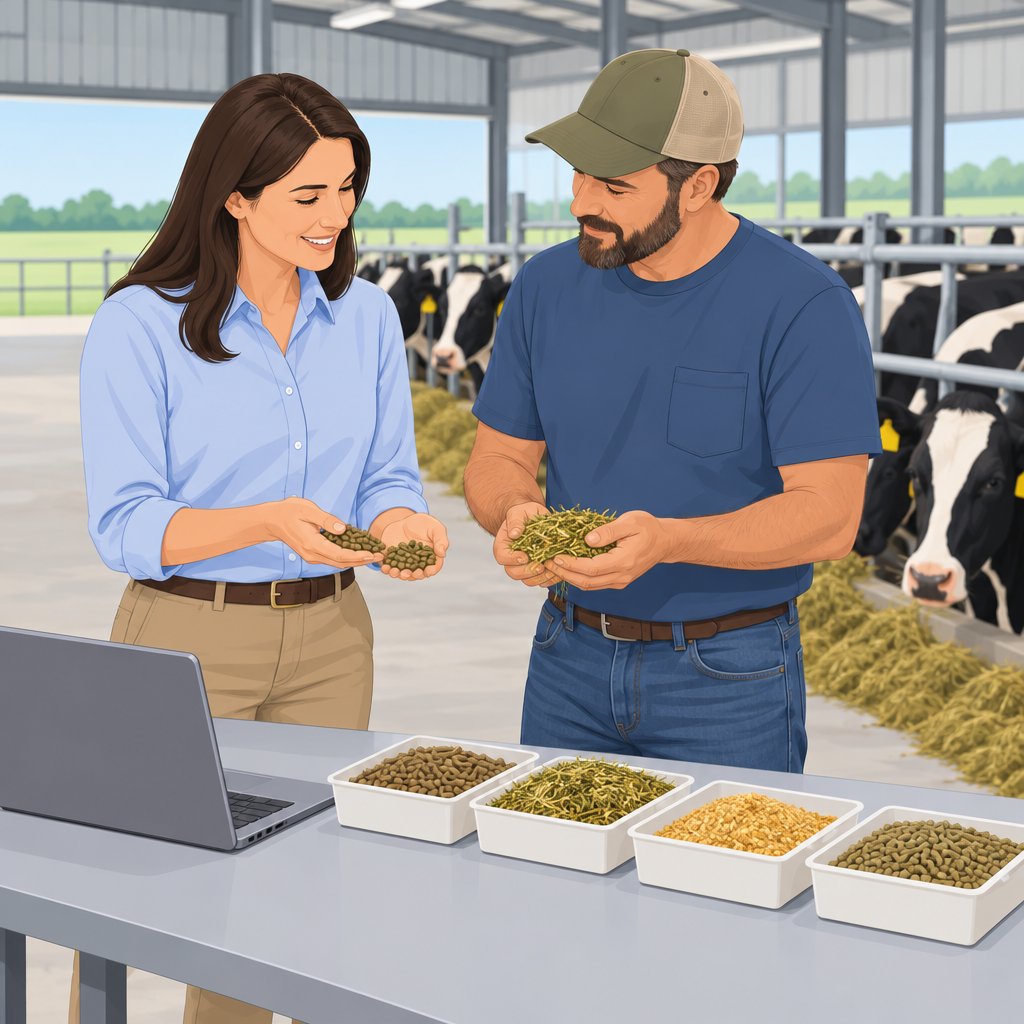
Advances in Nutritional Science
- Recent advancements in nutritional science are revolutionizing animal feed programs.
- Researchers use innovation to enhance animal nutrition across different species.
- Moreover, precision nutrition and nutrigenomics are transforming animal nutrition research.
New Insights into Nutritional Requirements
- Studying specific animal needs has enabled researchers to develop tailored feed programs.
- Additionally, gut microbiome research has improved digestion and nutrient absorption.
- Researchers have optimized protein utilization by examining amino acid profiles in animal diets.
Impact of Functional Ingredients
- Probiotics and prebiotics have enhanced gut health in animals.
- Meanwhile, vitamin E and selenium support immune function in animals.
- Furthermore, botanical extracts and phytogenics have improved livestock performance and welfare.
Personalized Nutrition for Animals
- Precision nutrition now supports customized diets based on individual animal needs.
- Nutrigenomics examines how nutrients interact with genes to optimize animal health.
- Additionally, predictive algorithms help formulate diets that meet specific nutritional requirements.
Future Directions in Nutritional Science
- Researchers are exploring epigenetics and its role in animal health and performance.
- Additionally, artificial intelligence can support data analysis and feed formulation.
- Finally, researchers are developing feed alternatives that reduce animal agriculture’s environmental impact.
Find Out More: Challenges Faced by Seed Technologists
Focus on Gut Health
Animal nutrition and feed programs increasingly emphasize gut health.
Producers use this focus to support animal well-being and performance.
A healthy gut helps animals digest nutrients efficiently and strengthens immune function.
- Improving gut health supports animal well-being and performance.
- A healthy gut supports efficient digestion and nutrient use.
Why Gut Health Matters
Digestive health directly affects nutrient absorption.
Effective absorption influences growth, reproductive performance, and overall health.
Therefore, gut health remains central to consistent animal performance.
Poor gut health can cause diarrhea, inefficient feeding, and reduced growth rates.
It can also increase disease susceptibility and compromise animal welfare.
These challenges may create economic losses for producers.
- Nutrition and feed programs can help address gut health challenges.
- Improved gut health can optimize performance and reduce veterinary costs.
- Healthier animals can support more sustainable production operations.
Strategies for Promoting Gut Health
Producers can promote gut health through practical nutrition and feed strategies.
These strategies support beneficial gut bacteria and improve nutrient utilization.
Regular monitoring helps producers respond to emerging health concerns.
- Include prebiotics and probiotics to support beneficial gut bacteria.
- Avoid sudden dietary changes that disrupt gut microflora.
- Provide clean water at all times for digestion and nutrient absorption.
- Use enzymes to improve nutrient utilization and reduce digestive disorders.
- Include fiber-rich ingredients to support gut motility and digestion.
Production Benefits of Gut Health
Prioritizing gut health can improve animal well-being and performance.
Producers can also strengthen feed program results through consistent digestive support.
These practices benefit animals and contribute to successful production systems.
Gain More Insights: Seasonal Tasks in a Vineyard Explained
Alternative Protein Sources for Animals
Many farmers now use alternative protein sources in their animal feed programs.
These sources offer varied benefits and support animal nutrition.
Additionally, farmers can diversify feed programs by exploring different protein options.
Benefits of Alternative Protein Sources
Alternative protein sources can reduce feeding costs compared with traditional sources.
Furthermore, these ingredients can reduce reliance on conventional feed ingredients.
They also provide varied nutrients that may support animal health and performance.
- Alternative protein sources can provide a more affordable option than traditional sources.
- Farmers can support sustainability by using alternatives to conventional feed ingredients.
- These sources offer diverse nutrients that can enhance animal health and performance.
- Many alternative proteins have a lower environmental footprint than traditional sources.
- New protein sources encourage research and development in animal nutrition.
Innovative Protein Sources in Animal Feed Programs
Farmers and nutrition researchers continue exploring innovative protein sources for animal feed programs.
These options include insects, algae, microorganisms, food-processing by-products, and plant proteins.
Each option can help feed programs address nutritional needs through a broader ingredient selection.
- Insects such as black soldier flies and mealworms provide sustainable protein for animal feed.
- Algae contain essential amino acids and offer another sustainable feed option.
- Yeast and bacteria can produce protein-rich single-cell feed supplements.
- Food-processing by-products can become nutritious animal feed through waste-based protein production.
- Soy, pea, and canola provide plant-based alternatives for animal feed programs.
Farmers increasingly recognize the value of diversifying their feed sources.
They continue exploring innovative solutions that meet their animals’ nutritional needs.
This interest will likely support continued growth in alternative animal feed proteins.
Nutritional Requirements for Different Animal Species
- Species-specific nutrition supports animal health and well-being.
- Each species has unique nutritional requirements based on size, metabolism, and lifestyle.
- For example, cows require more dietary fiber than cats because herbivores digest plants.
Differences in Nutritional Needs Among Various Animals
- Cattle need high-roughage diets to support their complex digestive systems.
- Meanwhile, poultry require protein-rich diets to support growth and egg production.
- Horses need balanced fiber, protein, vitamins, and minerals for optimal health.
Ways to Meet Animal Nutritional Needs
- Consult a veterinarian or animal nutritionist about each species’ dietary requirements.
- Use high-quality feed and supplements to provide essential nutrients in proper balance.
- Additionally, rotate feed types to prevent deficiencies and promote animal health.
Informed Decisions for Animal Care
Animal owners should monitor emerging nutrition research to guide responsible feeding decisions.
Staying informed helps them evaluate new strategies and techniques for animal care.
Consequently, owners can improve the nutritional quality of daily feeding programs.
Nutrition research continues to evolve, so owners should follow relevant developments in the field.
Current knowledge enables more informed choices about feeding practices.
Moreover, owners can adjust their approaches as reliable nutritional guidance changes.
These efforts can support animal health and performance over time.
Transform Your Career Today
Unlock a personalized career strategy that drives real results. Get tailored advice and a roadmap designed just for you.
Start NowFurthermore, thoughtful nutrition may contribute to animal longevity and vitality.
Owners should actively consider suitable strategies that promote better health through nutrition.
By remaining open to new ideas, they can positively influence their animals’ well-being.
Additional Resources
Google search results for Latest Trends in Animal Nutrition and Feed Programs Agricultural
Bing search results for Latest Trends in Animal Nutrition and Feed Programs Agricultural


