




Farm Safety for Managers
Farm safety helps managers prevent accidents and protect workers.
Managers must address machinery accidents, chemical exposure, and animal handling hazards.
Therefore, managers should implement proper safety guidelines to create a safe farm environment.
Conducting Regular Safety Inspections
Regular safety inspections help managers maintain safe working conditions across the farm.
They also reveal problems before those problems cause harm.
Additionally, inspections support compliance with applicable safety regulations and standards.
- Inspections help managers identify hazards that could endanger workers.
- Risk assessments help managers prioritize safety measures and allocate resources effectively.
- Regular inspections help farms follow safety regulations and established standards.
Identifying Potential Hazards
Managers should inspect the entire farm during each safety review.
They should focus on areas where accidents could occur.
Furthermore, managers should examine machinery, equipment, and infrastructure for wear or damage.
Assessing Workplace Risks
After identifying hazards, managers should assess each hazard systematically.
They should consider both the likelihood and severity of possible incidents.
This process helps managers create an action plan for addressing critical safety issues first.
Addressing Safety Concerns
Managers should address identified safety concerns without unnecessary delay.
They may repair faulty equipment, introduce safety protocols, or provide worker training.
They can also modify work processes to reduce workplace risks.
These inspections help establish a consistent culture of safety across the farm.
As a result, the farm can reduce the risk of accidents and injuries.
Comprehensive Farm Safety Training
Comprehensive safety training helps farm workers recognize hazards before they cause accidents or injuries.
It also teaches workers practical ways to reduce risks during daily farm activities.
Furthermore, consistent instruction helps managers build a strong culture of safety across farm operations.
Essential Topics for Safety Training
Training should explain how workers can operate farm machinery and equipment correctly.
Workers also need guidance about handling and storing hazardous chemicals safely.
Additionally, sessions should prepare workers for first aid, emergencies, livestock handling, and proper PPE use.
- Proper operation of farm machinery and equipment.
- Safe handling and storage of hazardous chemicals.
- First aid and emergency response procedures.
- Safe handling of livestock.
- Proper use of personal protective equipment, or PPE.
Managers’ Responsibilities for Safety Training
Managers must organize training so every worker receives the information needed for safe work.
They should train new hires before those employees begin their assigned duties.
Moreover, managers should schedule refresher sessions and encourage workers to discuss safety concerns openly.
- Develop a comprehensive safety training program.
- Train every new hire before work begins.
- Provide regular refresher training to reinforce safe practices.
- Lead by example and prioritize safety during farm operations.
- Encourage open communication about safety concerns among workers.
Explore Further: Latest Trends in Animal Nutrition and Feed Programs
Farm Safety Protocols and Procedures
Farm safety protocols protect workers and support smooth daily operations.
Clear procedures help managers prevent accidents and maintain consistent expectations.
Moreover, accountable safety practices strengthen the farm’s working environment.
Benefits of Farm Safety Practices
Safety procedures help workers identify and reduce potential hazards.
They also help farms follow applicable local and federal requirements.
Additionally, consistent safety practices support worker morale and farm productivity.
- Safety protocols reduce the likelihood of workplace accidents.
- Legal compliance helps farms avoid penalties and related legal problems.
- Clear guidelines show workers that the farm values their well-being.
- Risk management protects workers and the farm’s reputation.
Essential Farm Safety Protocols
Farm managers should match protective measures to the hazards workers face.
Furthermore, workers need clear instructions for equipment, chemicals, and emergencies.
Regular maintenance and proper storage can reinforce these protective procedures.
- Workers should wear helmets, gloves, and boots in hazardous areas.
- Managers should require training before workers operate farm machinery.
- Workers should follow protective gear, storage, and disposal procedures for chemicals.
- Every worker should understand the emergency plan for fires, accidents, and natural disasters.
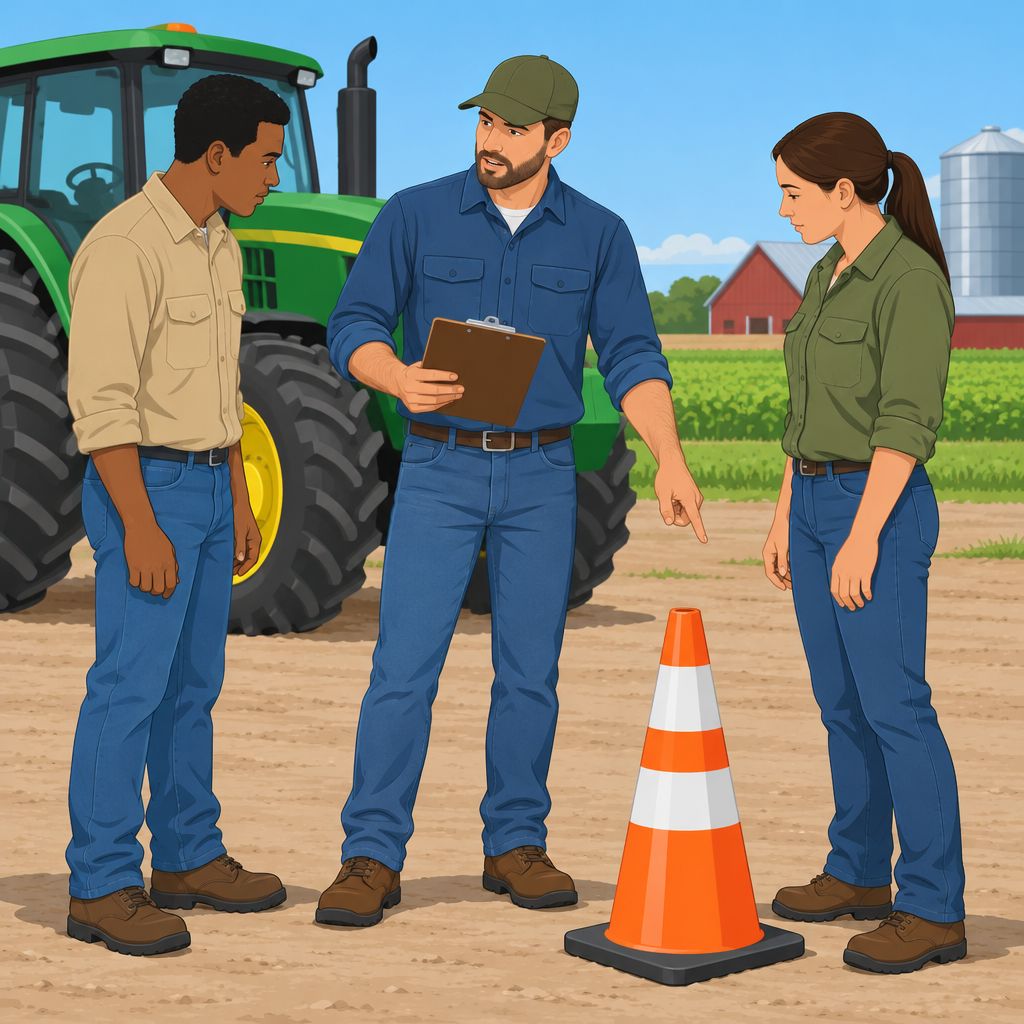
Manager Responsibilities for Safety Enforcement
Managers translate written procedures into daily expectations for every worker.
They should provide instruction, monitor behavior, and respond promptly to violations.
Meanwhile, regular reviews allow managers to improve procedures as farm conditions change.
- Managers should train workers to understand and follow safety protocols.
- Supervisors should monitor compliance and intervene when unsafe actions occur.
- Managers should address violations promptly and hold workers accountable.
- Managers should update procedures and consider worker feedback during reviews.
Delve into the Subject: Top Marketing Strategies for Agricultural Products
Transform Your Career Today
Unlock a personalized career strategy that drives real results. Get tailored advice and a roadmap designed just for you.
Start NowProviding Necessary Farm Safety Equipment
Farm managers must provide suitable safety equipment for every worker.
This equipment helps workers respond safely to hazards during daily farm activities.
Furthermore, reliable equipment shows that the farm prioritizes employee safety.
Benefits of Providing Safety Equipment
Proper equipment protects workers from potential hazards and workplace accidents.
Additionally, dependable safety gear can increase employee confidence and morale.
Consequently, farms can reduce injuries and related costs through effective equipment provision.
- Protection from potential hazards and accidents
- Greater confidence and morale among employees
- Clear evidence of the farm’s commitment to safety
- Fewer injuries and related costs
Essential Safety Equipment for Farm Work
Workers need protective clothing when farm tasks expose them to physical hazards.
Meanwhile, specialized equipment protects their eyes, ears, breathing, heads, and bodies.
Emergency supplies also support immediate responses to injuries and fires.
- Coveralls, gloves, and protective boots
- Safety glasses and earmuffs
- Respiratory protection for hazardous chemicals or dust
- Hard hats for construction or maintenance work
- Safety harnesses and fall protection gear for elevated work
- First aid kits for immediate injury treatment
- Fire extinguishers for fire emergencies
Manager Responsibilities for Safety Equipment
Managers should assess equipment needs as workplace conditions change.
They must purchase high-quality gear that meets applicable industry standards.
Moreover, managers should explain proper equipment use and maintenance to workers.
- Assess equipment needs regularly
- Purchase high-quality safety gear
- Train workers to use and maintain equipment correctly
- Require safety equipment during applicable work
- Monitor compliance with safety requirements
- Provide refresher training when necessary
- Inspect and replace damaged or worn equipment
By managing safety equipment carefully, farm managers create stronger protection for every employee.
Consistent access, proper use, and timely replacement help maintain a safer working environment.
You Might Also Like: Exploring the Fascinating World of Insect Behavior
Creating an Emergency Response Plan
Every farm needs an emergency response plan to protect workers and visitors.
During accidents, natural disasters, or other emergencies, a clear plan can reduce injuries and damage.
Moreover, a structured plan helps everyone understand the actions required during an emergency.
Key Components of an Emergency Response Plan
Farm managers should identify hazards and prepare specific responses for possible emergencies.
They should also assign responsibilities, establish communication methods, and explain evacuation procedures.
Additionally, regular updates help the plan remain useful as farm operations and circumstances change.
- Identify potential risks and hazards on the farm.
- Designate emergency response team members and define their roles.
- Establish emergency communication protocols.
- Provide procedures for evacuating workers and visitors to safe locations.
- Set guidelines for providing first aid and medical assistance.
- Explain how to shut down equipment or operations during emergencies.
- List emergency services and external resources for contact.
- Review and update the emergency response plan regularly.
Effective Communication of the Emergency Response Plan
A written plan works best when every worker understands its purpose and responsibilities.
Therefore, managers should communicate the plan clearly and provide opportunities for questions and feedback.
Regular drills and reviews can strengthen worker familiarity and improve the plan over time.
- Hold regular training sessions and drills to familiarize workers with the plan.
- Give every worker access to the written plan and explain where to find it.
- Use maps and diagrams to show evacuation routes and safe zones.
- Assign responsibilities to designated team members and provide suitable training.
- Encourage workers to discuss the plan’s effectiveness openly.
- Review and revise the plan according to feedback and changing circumstances.
By involving workers in emergency planning, farm managers can create a safer work environment.
Consequently, everyone can respond more effectively when an unforeseen emergency occurs.
Learn More: Challenges Faced by Seed Technologists
Building a Safety-Conscious Farm Culture
Promoting a safety culture supports the overall well-being of farm employees.
Several practical strategies can help farms build a safety-conscious work environment.
Managers also influence daily behavior by demonstrating safe practices and encouraging workers to follow them.
- Regular Training Sessions: Conduct frequent safety training sessions to educate employees on best practices.
- Clear Communication: Maintain open communication so workers can report safety concerns or issues promptly.
- Proper Equipment: Supply workers with protective gear and tools for safe task performance.
- Safety Policies: Enforce clear policies and procedures to create a structured environment.
Manager Leadership in Farm Safety
Managers can reinforce this culture through visible participation, timely feedback, and recognition.
They should actively support safety initiatives and encourage workers to follow established guidelines.
These leadership practices help farms create a more secure and productive work environment.
- Lead Safety Meetings: Conduct regular safety meetings to discuss hazards and reinforce safety’s importance.
- Participate in Safety Training: Join safety training sessions to demonstrate ongoing commitment.
- Provide Feedback: Give constructive feedback when employees follow or disregard safety protocols.
- Recognize Safety Efforts: Acknowledge and reward employees who prioritize safety and follow guidelines.
Monitoring and Evaluating Safety Practices
Every farm manager should prioritize worker safety.
Managers can monitor and evaluate safety practices to improve existing measures.
Regular evaluation also helps managers respond to worker feedback.
These efforts support a safer working environment for everyone.
Importance of Monitoring and Evaluating Safety Practices
- Regular monitoring helps managers identify potential risks and hazards on the farm.
- Evaluating safety practices helps managers prevent accidents and injuries before they occur.
- Monitoring helps managers maintain compliance with safety regulations and standards.
- Regular evaluation supports continuous improvement in safety practices and protocols.
Tracking and Measuring Effectiveness
- Managers can collect and analyze safety data to track the effectiveness of safety practices.
- Key Performance Indicators can measure the success of safety measures.
- Regular safety audits help managers assess overall safety performance on the farm.
- Monitoring incident trends helps managers identify areas that need improvement.
Making Improvements Based on Feedback
- Managers should encourage farm workers to provide feedback about safety practices and protocols.
- Reviewing evaluation reports helps managers identify practices that need improvement.
- Managers should change safety practices according to feedback and evaluation results.
- Additional training can teach workers about updated safety measures.
Managers can create safer farm workplaces by monitoring and evaluating safety practices.
Continuous improvement helps prevent accidents and promotes a culture of safety.
Sustaining Farm Safety Improvements
Farm managers protect everyone by maintaining safe practices throughout daily agricultural work.
Transform Your Career Today
Unlock a personalized career strategy that drives real results. Get tailored advice and a roadmap designed just for you.
Start NowThey should continue strengthening these practices as conditions and responsibilities change.
Moreover, managers can support worker well-being by treating safety as a continuing responsibility.
Consistent attention helps reduce accidents, injuries, and possible fatalities on the farm.
As a result, workers can perform their duties in a more secure environment.
Safety therefore remains essential to protecting the livelihoods of people who work on farms.
Additional Resources
Google search results for Farm Safety Guidelines Every Manager Should Know Agricultural
Bing search results for Farm Safety Guidelines Every Manager Should Know Agricultural


