




Importance of Inclusivity
An inclusive classroom ensures that every student feels valued and respected.
It supports students regardless of their background or ability.
Additionally, inclusivity promotes belonging and encourages students to participate in learning.
Benefits of Diversity
Diversity brings varied perspectives, experiences, and ideas to classroom discussions and activities.
These perspectives challenge students to think critically and consider different viewpoints.
As a result, students develop a richer and more comprehensive understanding of agri-science.
Inclusivity also strengthens collaboration and teamwork skills.
Students learn to work effectively with peers from diverse backgrounds.
Furthermore, an inclusive classroom helps students develop empathy and respect for others.
Consequently, students help create a supportive and harmonious learning environment.
This environment supports academic success and personal growth throughout the learning community.
Understanding Diversity
Diversity in an agri-science classroom includes differences in backgrounds, perspectives, and experiences.
Each student brings unique characteristics that can strengthen classroom learning.
Therefore, teachers should recognize and value the contributions students make.
Diversity Within an Agri-Science Classroom
In this classroom, diversity reflects students’ cultural, social, and economic backgrounds.
Students also contribute different perspectives, beliefs, values, and personal experiences.
These differences influence how learners understand and engage with agri-science concepts.
Major Aspects of Classroom Diversity
Several aspects of diversity shape classroom interactions and learning experiences.
Recognizing these aspects helps educators understand the range of student perspectives.
Additionally, respectful discussion allows students to learn from one another.
- Students from various racial backgrounds bring different viewpoints and experiences.
- Cultural heritage and traditions influence how students engage with agri-science concepts.
- Male and female students may offer unique perspectives and approaches to learning.
- Students from different socioeconomic backgrounds provide varied insights and experiences.
Teaching Practices That Support Diversity
Educators can support diverse learners through culturally responsive teaching practices.
Open discussions about diversity can help students appreciate differences respectfully.
Safe spaces encourage students to share ideas and experiences without fear.
- Teachers can include diverse perspectives in lesson plans and teaching materials.
- Relevant examples can make agri-science lessons more engaging for students.
- Students can share cultural traditions and experiences with their classmates.
- These opportunities can strengthen mutual understanding and classroom respect.
Effects of Valuing Student Diversity
Valuing diversity can foster creativity, collaboration, and meaningful exchanges of ideas.
Moreover, diverse perspectives can strengthen student engagement and learning outcomes.
By respecting each learner’s background, educators can support positive classroom relationships.
Consequently, students can experience a welcoming environment where they can thrive.
Recognizing Unconscious Bias
Unconscious bias influences attitudes, decisions, and actions without conscious awareness.
These attitudes or stereotypes can shape assumptions about students’ abilities, backgrounds, or identities.
Although bias may remain unintentional, educators should acknowledge its presence within the classroom.
Strategies for Addressing Bias
Teachers can reduce bias by examining their assumptions and adjusting their classroom practices.
Additionally, inclusive teaching should represent diverse perspectives, voices, and experiences throughout the curriculum.
Clear expectations and open communication can support respectful interactions among all students.
- Educators can practice self-reflection to identify personal biases.
- Training sessions can explain unconscious bias and practical classroom strategies.
- Teachers can promote diversity by including varied perspectives and experiences.
- Clear behavioral guidelines can encourage respect and inclusion among students.
- Open dialogue can help students discuss diversity, equity, and inclusion safely.
- Books, articles, and videos can strengthen awareness of unconscious bias.
- Collaborative learning can build empathy among students from different backgrounds.
- Student feedback can help teachers evaluate and improve classroom inclusivity.
Gain More Insights: Farm Safety Guidelines Every Manager Should Know
Diverse Teaching Methods in Agri-Science
Agri-science students have different learning preferences, so teachers should use varied instructional methods.
Visual learners can use diagrams, charts, and videos to understand important concepts.
Meanwhile, auditory learners may benefit from lectures and discussions about agri-science topics.
Hands-on activities and experiments can help kinesthetic learners engage with classroom content.
Therefore, multiple learning pathways can strengthen understanding and support participation across the classroom.
Inclusive Practices for Agri-Science Lessons
Teachers can apply several inclusive practices to support different abilities, backgrounds, and learning preferences.
Transform Your Career Today
Unlock a personalized career strategy that drives real results. Get tailored advice and a roadmap designed just for you.
Start NowThese approaches give students flexible ways to participate, demonstrate knowledge, and collaborate with classmates.
Additionally, inclusive lessons can create a supportive environment where students feel valued and respected.
- Teachers can differentiate instruction by offering projects or verbal presentations alongside traditional tests.
- Cooperative learning lets students solve problems together and use their individual strengths.
- Universal Design for Learning creates flexible activities that support participation across varied abilities.
- Educational technology can provide online resources, simulations, multimedia presentations, and adaptive feedback.
- Culturally relevant teaching connects lessons with diverse perspectives, cultural references, and real-world examples.
Uncover the Details: Latest Trends in Animal Nutrition and Feed Programs
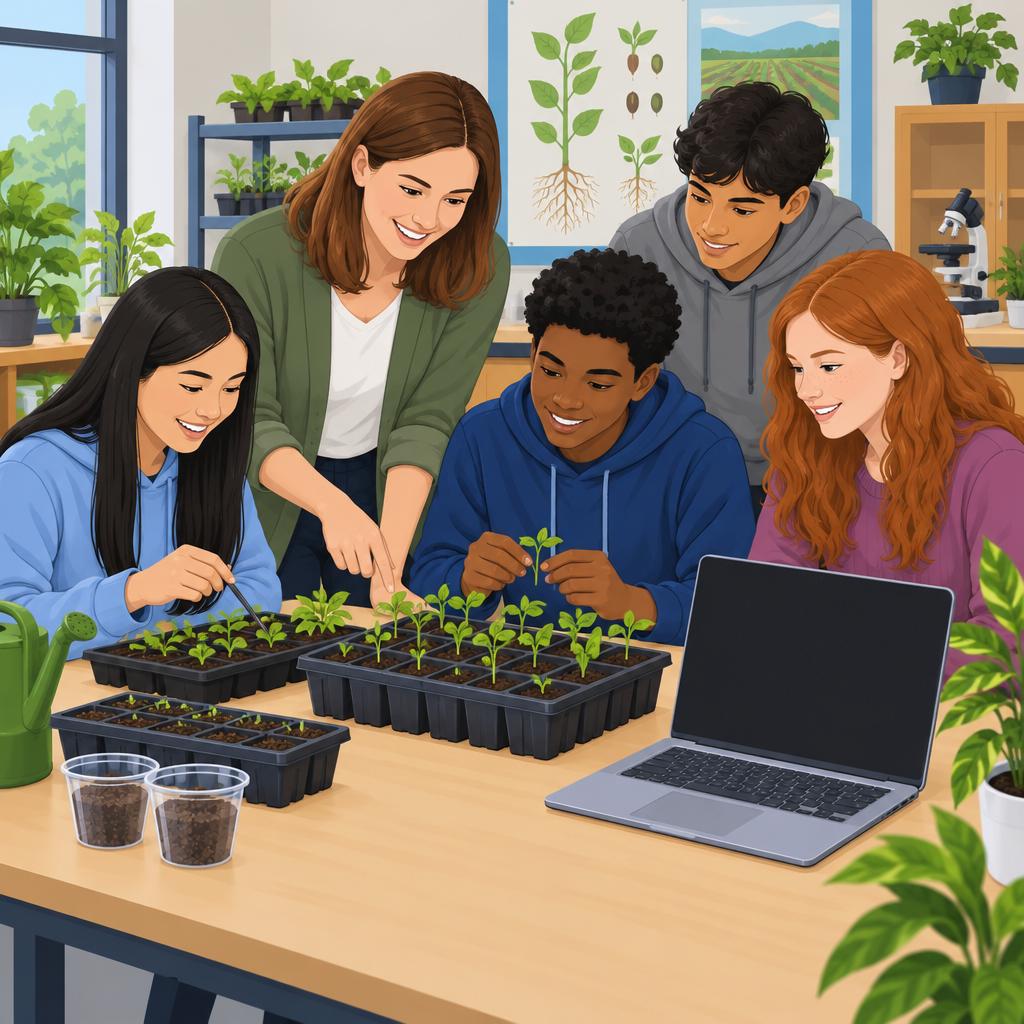
Encouraging Student Participation
Teachers can create agri-science classrooms where students feel comfortable contributing ideas.
Clear expectations and varied opportunities help students participate in ways that suit their communication preferences.
Additionally, supportive feedback can strengthen engagement during discussions and classroom activities.
Respectful Classroom Norms
Teachers should establish ground rules that encourage respectful communication.
These expectations help students share opinions without fearing judgment or ridicule.
Consequently, students can approach classroom discussions with greater confidence and willingness to contribute.
Collaborative Learning Opportunities
Teachers can encourage students to work together on projects and assignments.
Group activities build shared responsibility and motivate students to contribute during discussions.
Furthermore, hands-on activities and technology can support participation across different learning preferences.
Student Feedback and Positive Reinforcement
Teachers can ask students about preferred learning approaches and topics that interest them.
They can then adjust instruction so students feel valued and heard.
Moreover, verbal praise and small incentives can recognize contributions and encourage continued participation.
Growth Mindset and Participation Options
Teachers can present challenges as opportunities for learning and growth.
When students view mistakes as part of learning, they may participate more actively.
Finally, written responses, group presentations, and online forums provide additional ways to participate.
Learn More: Top Marketing Strategies for Agricultural Products
Building Belonging in an Agri-Science Classroom
Belonging helps students feel valued and respected in an agri-science classroom.
Consequently, students can engage more fully when the classroom welcomes their backgrounds and experiences.
Teachers can strengthen this environment through respect, collaboration, and responsive support.
Benefits of a Supportive Classroom Community
A supportive community welcomes students and creates a positive learning environment.
It can also increase motivation, engagement, unity, and teamwork.
Furthermore, respectful classrooms reduce discrimination and encourage understanding of diverse perspectives.
- Students feel welcomed and accepted in a positive learning environment.
- Students gain motivation and engage more actively in learning.
- Unity and teamwork help students collaborate more effectively.
- Respectful classrooms reduce discrimination and encourage acceptance.
- Students develop empathy and understand diverse perspectives and backgrounds.
Strategies for Establishing Classroom Belonging
Teachers can learn about students by holding respectful one-on-one conversations.
Meanwhile, open communication and mutual respect can guide daily classroom interactions.
Students also need opportunities to share their perspectives and experiences.
- Get to know students through individual conversations.
- Encourage open communication and mutual respect.
- Invite students to share their perspectives and experiences.
- Include diverse voices and perspectives in lessons and discussions.
- Offer support and resources to students who struggle or feel marginalized.
- Use group projects and team-building activities to promote collaboration.
- Celebrate student diversity through cultural events and guest speakers.
- Set clear behavior expectations and promote an inclusive culture.
- Address bias or discrimination promptly and sensitively.
- Ask students how the classroom can improve inclusivity and diversity.
These practices can help educators create an agri-science classroom where every student feels included.
As a result, students can pursue their full potential in agri-science.
Gain More Insights: Exploring the Fascinating World of Insect Behavior
Promoting Cultural Awareness in Agri-Science
- Exposure to different cultures in agri-science enhances students’ understanding of global perspectives.
- Additionally, cultural exposure encourages students to appreciate diversity and fosters classroom inclusivity.
- By embracing cultural differences, students develop empathy and respect for people from varying backgrounds.
Benefits of Cultural Exposure
- Cultural exposure enhances cross-cultural communication skills for diverse work environments.
- Furthermore, it expands students’ knowledge of agricultural practices around the world.
- It also encourages critical thinking about cultural sensitivity in agri-science research and innovation.
Resources and Activities for Cultural Competence
- Invite guest speakers from diverse cultural backgrounds to share agri-science experiences.
- Next, organize field trips to farms or agricultural organizations representing different cultural practices.
- Encourage students to participate in multicultural agriculture or sustainability events and workshops.
- Finally, include literature and case studies about culture’s impact on agricultural practices and food systems.
Providing Resources for Diverse Learners
Agri-science classrooms include students with varied learning preferences and abilities.
Teachers can provide resources that help each learner access information and demonstrate understanding.
Therefore, thoughtful resource planning can support participation without repeating earlier instructional approaches.
Understanding Learner Needs
Teachers should first identify how each student accesses information and completes learning tasks.
Additionally, they should consider visual, auditory, and kinesthetic preferences when selecting resources.
Students with disabilities may require specific accommodations to use classroom materials effectively.
- Recognize that each student has a unique way of learning.
- Consider different learning preferences when preparing classroom resources.
- Review individual accommodation needs before assigning learning materials.
Creating Accessible Materials
Teachers can combine visual aids, hands-on activities, and multimedia resources.
Moreover, offering multiple formats allows students to access information in suitable ways.
Accessible materials help learners engage with agri-science content more independently.
Transform Your Career Today
Unlock a personalized career strategy that drives real results. Get tailored advice and a roadmap designed just for you.
Start Now- Use visual aids to clarify important information.
- Include hands-on activities that connect learners with practical tasks.
- Provide audio recordings or braille materials when appropriate.
- Offer subtitles or transcripts for videos.
Offering Flexible Accommodations
Flexible accommodations allow students to complete tasks according to their documented learning needs.
For example, teachers can adjust timing or accept different forms of evidence.
Peer collaboration can also provide useful support during shared classroom activities.
- Provide extra time for assignments or assessments when needed.
- Allow oral presentations or projects as alternative demonstrations of understanding.
- Encourage peer collaboration for students who benefit from group work.
When teachers provide varied resources, every student can access agri-science learning opportunities.
These choices also create a more responsive learning experience for the entire classroom.
Creating an Inclusive Agri-Science Classroom
A supportive environment forms a key foundation for an inclusive agri-science classroom.
By embracing diversity and promoting equity, educators empower students to thrive.
Furthermore, varied teaching methods and resources help educators address diverse student needs.
This approach enhances classroom engagement and improves learning outcomes.
Additionally, collaboration and mutual respect help students develop belonging and teamwork.
Consequently, these practices create a positive atmosphere that supports learning.
Educators should therefore emphasize inclusivity throughout the agri-science classroom.
Such emphasis supports student success and well-being.
Ultimately, inclusive practices help every student excel and reach their full potential.
Additional Resources
Google search results for Creating an Inclusive Agri-Science Classroom Agricultural
Bing search results for Creating an Inclusive Agri-Science Classroom Agricultural


