




Agricultural Policy Analysis in U.S. Agriculture
Agricultural policy analysts play a crucial role in U.S. agriculture by providing insights and recommendations to policymakers.
Their analysis helps shape effective agricultural policies affecting farmers, consumers, and the environment.
Their recommendations support policymakers as they address agricultural issues.
Importance of Agricultural Policy Analysts
Analysts identify trends and evaluate policy impacts within the agricultural sector.
They also offer solutions to challenges facing agriculture.
Therefore, their work helps policymakers develop evidence-based policies aligned with stakeholder needs.
Policy Impact, Sustainability, and Food Security
Analysts influence policy decisions through research and recommendations.
They advocate for sustainable practices within U.S. agriculture.
They also contribute to food security through policy analysis.
Responsibilities of Agricultural Policy Analysts
Policy analysts monitor agricultural developments that affect farmers and agribusinesses.
They track technology, market conditions, and government regulations.
This work helps them identify emerging issues across the agricultural sector.
- They research current agricultural trends and issues.
- They analyze data and present findings to policymakers.
- They develop policy recommendations from research and analysis.
Skills Required for Agricultural Policy Analysts
Effective analysts collect, organize, and interpret information from multiple sources.
They also explain complex findings clearly to varied stakeholders.
Moreover, they combine agricultural knowledge with public policy expertise.
- Strong research skills support accurate information gathering and interpretation.
- Analytical skills help analysts draw meaningful conclusions from complex information.
- Communication skills help them address policymakers, farmers, and industry experts.
- Agricultural knowledge helps analysts understand industry trends, challenges, and opportunities.
- Policy expertise supports practical recommendations and understanding of legislative processes.
Impact on U.S. Agriculture
Agricultural policy analysts inform decisions affecting the future of U.S. agriculture.
Their recommendations can affect farmers, ranchers, agribusinesses, and consumers.
Consequently, their work supports agricultural productivity, environmental conservation, and food security.
For example, incentives can encourage sustainable farming practices.
Improved market access can strengthen opportunities for agricultural producers.
Financial assistance can help farmers manage periods of hardship.
Analysts also contribute to food safety, land use, and agricultural trade regulations.
Their expertise helps balance public health, environmental protection, innovation, and economic growth.
Therefore, their research guides agricultural decisions at local, state, and federal levels.
Influence on Agricultural Policy
Agricultural policy analysts influence legislation and regulations through research, analysis, and practical recommendations.
They help policymakers evaluate ways to improve and modernize agricultural systems.
Their work connects evidence with decisions affecting farmers, consumers, and the environment.
- How agricultural policy analysts shape agricultural legislation and regulations
- Collaboration with government agencies and other stakeholders
- Impact of their recommendations on the agricultural industry
Analysts monitor industry trends and conduct impact assessments to identify areas requiring policy intervention.
They then propose evidence-based solutions that address documented challenges.
These contributions help lawmakers draft policies that balance competing agricultural interests.
Analysts work with government agencies, lawmakers, policymakers, and regulators throughout the policy process.
They assess whether proposed measures remain feasible, practical, and enforceable.
They also engage industry representatives, NGOs, and academic experts.
That engagement brings diverse perspectives into policy recommendations.
Recommendations can shape decisions affecting farmers, agricultural businesses, and consumers.
Research helps decision-makers understand the likely effects of proposed policies.
Evidence-based arguments can influence policy direction and agricultural industry conditions.
Analysts also examine climate change, food security, and technological innovation.
They track new agricultural developments to help policymakers respond effectively.
Consequently, their advice supports long-term sustainability and success across the agricultural industry.
Transform Your Career Today
Unlock a personalized career strategy that drives real results. Get tailored advice and a roadmap designed just for you.
Start NowYou Might Also Like: Quality Control Inspector's Role in Pest Management
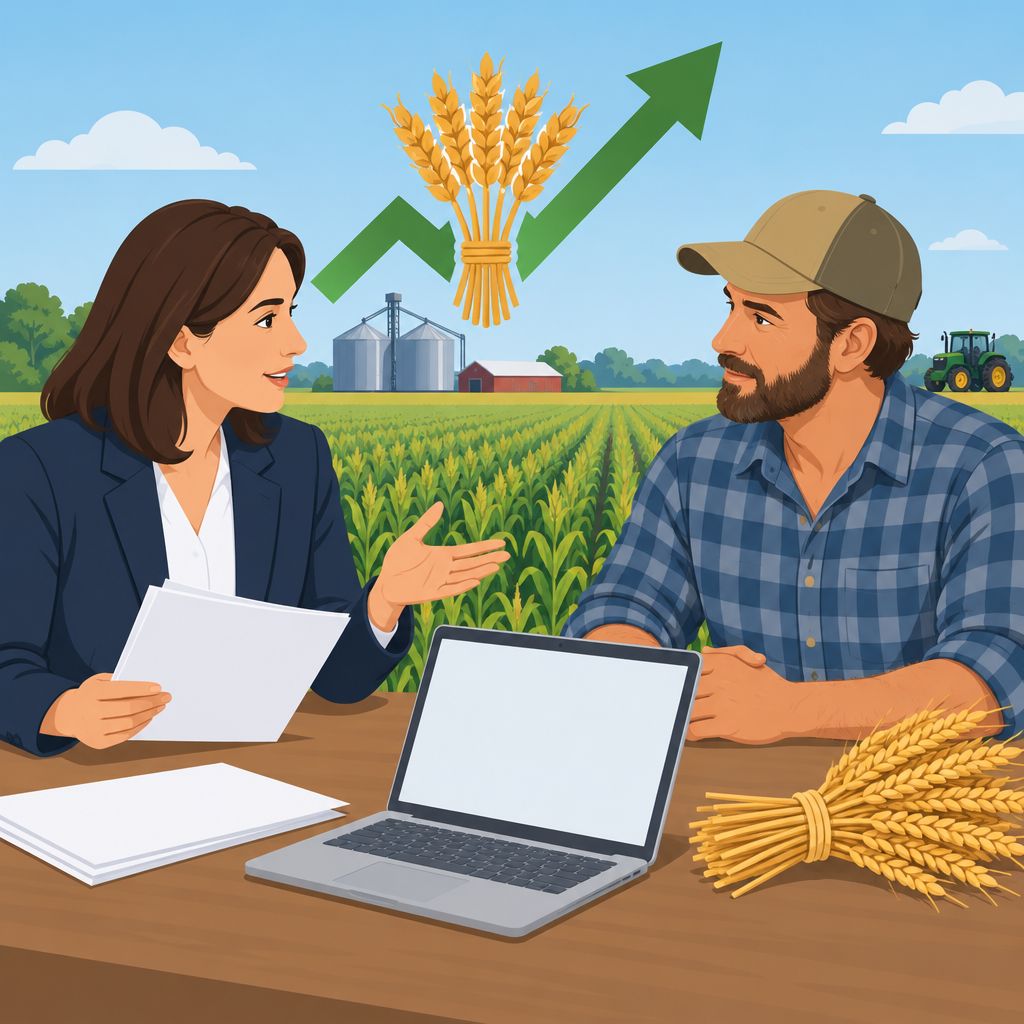
Economic Impact of Agricultural Policies
- Analysts examine the economic implications of agricultural policies.
- Studies assess effects on farmers, consumers, and the broader economy.
- Comparisons reveal potential economic trade-offs among policy approaches.
Agricultural policy analysts examine how policies shape economic outcomes.
They assess effects on the agricultural sector and the broader economy.
Furthermore, analysts study how policies affect farmers and consumers.
They conduct research and analyze data to evaluate these economic consequences.
Analysts also compare different policy approaches and their possible results.
These comparisons help identify costs and benefits associated with policy choices.
However, each approach can create economic trade-offs among affected groups.
Farmers, consumers, and the overall economy may experience different effects.
By identifying challenges and opportunities, analysts support more effective policy decisions.
Their evaluations can help policymakers improve the efficiency of agricultural policies.
Analysts therefore contribute to the economic development of U.S. agriculture.
Their work clarifies how policy decisions influence economic conditions across the agricultural sector.
Uncover the Details: Case Studies: Successful Environmental Initiatives in Farming
Environmental Considerations in Agriculture
Agricultural policy analysts address environmental concerns across the agricultural sector.
They analyze how farming practices affect the environment.
Through research and data analysis, analysts identify risks and develop sustainable policy recommendations.
These recommendations target soil erosion, water pollution, and deforestation.
Additionally, analysts work with policymakers, researchers, and industry stakeholders to implement effective environmental strategies.
They assess how agricultural policies affect ecosystems, biodiversity, and long-term environmental health.
Through collaboration and interdisciplinary approaches, analysts develop innovative solutions to environmental challenges.
Consequently, sustainable agriculture can support conservation practices and reduce carbon emissions.
Their expertise helps balance food production with environmental protection and natural resource preservation.
Thus, analysts help shape policies that promote environmental sustainability in U.S. agriculture.
Gain More Insights: Becoming an Extension Agent: Career Pathways
Technological Innovation in Agriculture
Technological advancements shape the future of agriculture.
Agricultural policy analysts incorporate these innovations into policy recommendations.
Their work can improve agricultural efficiency and sustainability.
Incorporating Technology Into Policy Recommendations
Analysts research the latest technologies available in the agricultural market.
They assess how those technologies could affect farming practices and productivity.
Meanwhile, industry engagement provides insights into emerging technological trends.
- Analysts conduct thorough research on available agricultural technologies.
- They assess each technology’s potential effects on farming practices and productivity.
- Industry experts and stakeholders provide insights into technological trends.
- Policymakers and analysts collaborate on technology-friendly agricultural policies.
Benefits and Challenges of Agricultural Technologies
New technologies can create economic advantages for farming operations.
Analysts also examine environmental implications linked to technology-driven practices.
Risk assessments help identify challenges before widespread adoption occurs.
- Analysts evaluate the economic advantages of implementing new farming technologies.
- They assess environmental implications associated with technology-driven agricultural practices.
- Research identifies potential risks connected with advanced agricultural technologies.
- Analysts develop strategies that mitigate challenges and maximize technological benefits.
Policies Supporting Agricultural Innovation and Sustainability
Effective policies can encourage sustainable agricultural practices.
Research and development initiatives can further advance innovation throughout the sector.
Policy monitoring shows how technology-focused measures affect agriculture.
- Analysts advocate incentives for sustainable agricultural practices.
- They promote research and development initiatives that drive sector innovation.
- Industry stakeholders help draft policies aligned with technological advancements.
- Analysts monitor policy implementation and measure its agricultural impact.
Technological innovation presents both opportunities and challenges for agricultural policy analysts.
Staying informed helps analysts evaluate advancements and recommend supportive policies.
These recommendations can support sustainable growth and development across agriculture.
Transform Your Career Today
Unlock a personalized career strategy that drives real results. Get tailored advice and a roadmap designed just for you.
Start NowSee Related Content: Key Skills Needed for a Successful Rangeland Manager
International Trade and Competitiveness
Globalization makes international trade important to United States agriculture.
International trade shapes the competitive landscape for American agriculture.
Agricultural policy analysts examine global markets, trade policies, and competitiveness.
Global Markets and United States Agriculture
Analysts study how global markets influence agriculture in the United States.
They evaluate foreign demand for United States agricultural products.
Additionally, they monitor currency exchange rates, trade agreements, and geopolitical events.
These factors can affect the movement of goods and services across borders.
By studying international trade, analysts anticipate challenges and opportunities for American farmers, ranchers, and agribusinesses.
Their insights help policymakers capitalize on emerging trends and reduce risks from global market fluctuations.
Trade Policies and Domestic Agriculture
United States trade policies directly affect the competitiveness of domestic agriculture.
Policy analysts examine tariffs, quotas, subsidies, and other trade regulations.
They assess how these measures affect market access for American farmers.
They also evaluate how domestic producers compete with foreign producers.
Furthermore, analysts review the effectiveness of existing trade agreements.
They advocate removing trade barriers that restrict agricultural exports.
Through this analysis, they help policymakers support sustainable growth in United States agriculture.
Strategies for Global Competitiveness
Analysts base competitiveness recommendations on research and international trade analysis.
They propose strategies that increase market access for American agricultural products.
They also recommend streamlined trade procedures and policies that promote fair competition.
Moreover, analysts support innovation and technology adoption within the agricultural sector.
They collaborate with industry stakeholders, trade associations, and government agencies.
These partnerships help develop strategies addressing international trade challenges and opportunities.
Evidence-based recommendations help United States agriculture compete in an interconnected global marketplace.
Social Justice and Equity in Agriculture
Social justice and equity shape how agricultural policies affect people across the United States.
Agricultural policy analysts examine social concerns alongside economic and environmental considerations.
They also assess whether policies distribute resources and opportunities fairly among communities.
- Addressing social issues within the agricultural industry
- Analyzing policy impacts on marginalized communities and small farmers
- Advocating for equitable and inclusive agricultural policies
Addressing Social Issues in Agriculture
Policy analysts identify social issues affecting agricultural workers, farmers, and communities.
They examine access to resources, labor practices, and environmental impacts.
This review shows how policy choices can create or reduce inequities.
Assessing Impacts on Marginalized Communities and Small Farmers
Analysts also study how policies affect marginalized communities and small farmers.
These groups may encounter distinct challenges and barriers within the agricultural sector.
Careful analysis helps policymakers understand how rules influence economic viability and sustainability.
Advocating for Equity and Inclusion
Policy analysts use research to support policies that advance equity and inclusion.
They can advocate for fair wages, resource access, and sustainable farming practices.
These priorities can support a more diverse, resilient, and sustainable agricultural sector.
By addressing social issues and policy impacts, analysts help shape fairer agricultural systems.
Their work supports marginalized communities, small farmers, and the broader agricultural sector.
Strengthening Agricultural Policy Through Analysis
Agricultural policy analysts support informed decisions across the United States agricultural sector.
Their evidence, data, and recommendations help policymakers and stakeholders evaluate agricultural priorities.
Transform Your Career Today
Unlock a personalized career strategy that drives real results. Get tailored advice and a roadmap designed just for you.
Start NowMoreover, ongoing analysis reveals emerging issues and informs future policy development.
This work can strengthen sector sustainability by connecting research with practical decisions.
Recognizing these contributions highlights the importance of informed agricultural governance.
Further research and discussion can improve agricultural policies and practices.
Additional Resources
Google search results for Role of Agricultural Policy Analysts in U.S. Agriculture Agricultural
Bing search results for Role of Agricultural Policy Analysts in U.S. Agriculture Agricultural


