




Farm Management
Farm managers oversee daily operations.
They ensure productivity across the farm.
Additionally, they manage resources effectively.
Economic Challenges Faced by Farm Managers
Running a farm creates economic challenges that farm managers must navigate daily.
These challenges can significantly affect farm profitability and sustainability.
Several major economic pressures influence farm management decisions today.
Fluctuating Market Prices
- Agricultural product prices constantly fluctuate because of supply, demand, weather, trade policies, and consumer preferences.
- Farm managers should monitor market trends and choose suitable selling times to maximize profits.
- Sudden price declines can cause financial losses, while rapid increases can complicate efforts to meet consumer demand.
- Farm managers may use futures contracts or hedging strategies to reduce the effects of price fluctuations.
Rising Input Costs
- Seeds, fertilizers, pesticides, machinery, fuel, and labor remain essential farm inputs.
- However, rising input prices can make farm operations increasingly expensive.
- Farm managers must budget carefully while allocating funds to maintain profitability.
- Sustainable practices and technology investments may reduce costs over time.
Access to Financing
- Many farm managers, especially those running small or mid-sized farms, struggle to secure financing.
- Traditional lenders may hesitate because agricultural operations involve significant risks and uncertainties.
- Farm managers can explore agricultural loans, grants, subsidies, or crowdfunding to support operations.
- Strong financial records, lender relationships, and detailed business plans can improve financing access.
Careful planning, strategic decisions, and sustainable practices can help farms manage these economic pressures.
Environmental Challenges Faced by Farm Managers
Farm managers face environmental pressures that affect crop production and livestock management.
These pressures include climate change, water scarcity, and soil degradation.
Therefore, sustainable practices and innovative technologies can support farm resilience and resource conservation.
Climate Change and Farm Management
Climate change creates a major environmental challenge for farm managers.
Unpredictable weather, rising temperatures, droughts, and floods affect crop production and livestock management.
Consequently, managers must adopt technologies and practices that reduce climate-related impacts on their farms.
Water Scarcity in Agriculture
Water scarcity creates another significant challenge for farm managers.
Growing agricultural demand makes it difficult to secure enough water for irrigation and livestock.
Climate change worsens this problem by altering precipitation patterns and causing droughts in many regions.
Managers can respond through water-saving techniques, including drip irrigation and rainwater harvesting.
Soil Degradation and Farm Sustainability
Soil degradation threatens the long-term productivity and sustainability of farms.
Monoculture and excessive chemical fertilizers and pesticides cause erosion, nutrient depletion, and reduced soil fertility.
However, crop rotation, cover cropping, and organic farming can improve soil health.
Sustainable Responses to Environmental Challenges
Farm managers can address these pressures through sustainable farming practices and innovative technologies.
Collaboration with stakeholders can further support resilient and viable farms.
By protecting natural resources, these efforts strengthen the long-term sustainability of agriculture.
Gain More Insights: Artificial Insemination and Animal Welfare Concerns
Technological Challenges Faced by Farm Managers
Farm managers increasingly depend on technology to improve operational decisions and maintain competitive agricultural businesses.
However, adopting new tools requires careful planning, financial investment, employee training, and ongoing technical support.
Additionally, managers must organize complex information and connect multiple systems across their agricultural operations.
- Implementing new technology
- Managing and analyzing data
- Integrating precision agriculture
Implementing New Technology
Farm managers often face difficulties when they introduce unfamiliar technology into established farming operations.
New equipment can require substantial investments of time, money, and resources before delivering practical benefits.
Furthermore, managers must train employees so they can use new systems accurately and efficiently.
Because agricultural technology advances quickly, managers must regularly evaluate which innovations suit their operations.
They also need sufficient knowledge to connect each technology with specific performance and efficiency goals.
Managing and Analyzing Agricultural Data
Modern technologies generate extensive information from soil samples, crop yields, and other farming activities.
Farm managers must collect, organize, and interpret this information before making operational decisions.
Effective analysis can reveal opportunities to improve yields, reduce input costs, and strengthen profitability.
Nevertheless, some managers lack the technical skills or resources needed to analyze complex agricultural data.
Integrating Precision Agriculture
Precision agriculture uses data, GPS technology, and specialized tools to improve crop production and resource management.
Farm managers may need to connect GPS equipment with tractors and other agricultural machinery.
They can also use drones to monitor crops and sensors to measure soil conditions and crop health.
Although these tools can improve farm management, their integration often demands significant investment and technical expertise.
Transform Your Career Today
Unlock a personalized career strategy that drives real results. Get tailored advice and a roadmap designed just for you.
Start NowSuccessful adoption requires managers to coordinate equipment, software, data, and employee capabilities.
Learn More: Innovative Programs Led by 4-H Youth Agents
Labor Challenges Faced by Farm Managers
Farm managers face several labor challenges that affect daily agricultural operations.
These challenges include finding workers, controlling labor expenses, and retaining skilled employees.
Together, these issues create significant obstacles for farm managers today.
- Labor shortage
- Increasing labor costs
- Retaining skilled workers
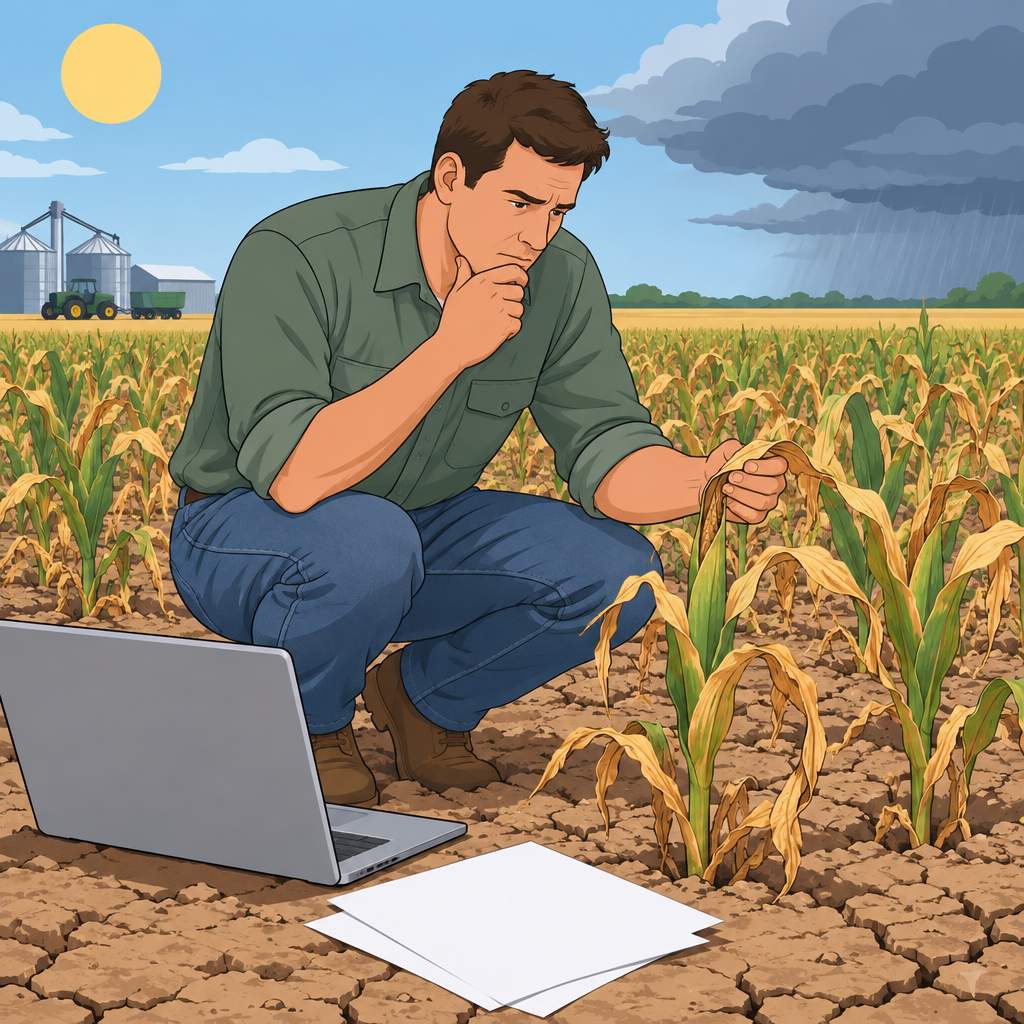
Labor Shortage
Farm managers currently experience significant challenges because agricultural labor remains limited.
Demographic shifts contribute to the shortage by reducing the number of people willing to work in agriculture.
As a result, managers must address staffing difficulties while maintaining farm operations.
Increasing Labor Costs
Farm managers also contend with continually increasing labor costs.
Rising wages and benefits make farm operations more expensive to manage.
Consequently, higher labor expenses create additional pressure for farm managers.
Retaining Skilled Workers
Retaining skilled workers remains crucial for successful farm operations.
However, workers may pursue better-paying opportunities in other industries.
Therefore, farm managers face increasing difficulty keeping experienced employees.
These labor challenges pose significant obstacles for farm managers today.
Explore Further: Top Environmental Laws Every Scientist Should Know
Regulatory Challenges Faced by Farm Managers
Farm managers face several regulatory challenges while operating agricultural businesses.
They must navigate food safety, environmental, and labor regulations.
Regulatory compliance also supports ethical standards and sustainable farming practices.
Compliance with Food Safety Regulations
- Farm managers must ensure that their operations meet necessary food safety standards.
- Regular inspections and audits can consume significant time while farms maintain regulatory compliance.
- Managers must implement proper protocols for handling and storing food safely.
- Training staff in food safety practices can create additional management challenges.
Environmental Regulations
- Farm managers must follow environmental regulations to reduce their operations’ ecosystem impacts.
- Managing waste disposal according to environmental laws can prove complex.
- Sustainable farming practices require consistent effort to reduce environmental harm.
- Obtaining permits and approvals for environmentally sensitive activities can involve extensive bureaucracy.
Labor Laws
- Farm managers must comply with labor laws to ensure fair treatment of workers.
- Managing employee schedules according to labor regulations can present challenges.
- Workers may need proper training and certifications to meet legal requirements.
- Managers must handle worker disputes and grievances according to labor laws.
Farm managers must monitor changing regulations and address compliance issues proactively.
This approach helps them avoid potential penalties and legal repercussions.
Delve into the Subject: 4-H Youth Agent: Role in Agricultural Youth Programs
Farm managers face several risk management challenges during daily operations.
Risks from Crop Failure
- Unforeseen weather conditions can cause crop failures and reduce farm profitability.
- Additionally, pest infestations and diseases can increase the risk of crop failure.
- Therefore, managers need proper planning, monitoring, and mitigation strategies.
Threats from Natural Disasters
- Natural disasters such as hurricanes, floods, droughts, and wildfires threaten farm operations.
- These events can destroy crops, livestock, infrastructure, and equipment, causing financial losses.
- Consequently, managers should create emergency response plans and invest in disaster-resistant infrastructure.
Managing Agricultural Price Volatility
- Agricultural price volatility creates uncertainty about revenue for farm managers.
- Changes in supply and demand, geopolitical events, and market speculation can shift prices.
- As a result, managers can use hedging, crop diversification, and strong buyer relationships.
Strategic Resilience in Agricultural Management
Farm managers now navigate interconnected pressures that demand deliberate, adaptable decision-making.
Strategic planning and proactive adaptation can help them strengthen resilience and competitiveness.
By leveraging technology, managers can improve responses while sustainable practices support long-term operational stability.
Furthermore, collaboration with stakeholders and workforce development can reinforce their ability to respond effectively.
Staying informed about industry trends also helps managers adjust their strategies as conditions change.
Although these pressures remain demanding, a forward-thinking mindset can position farms for long-term success.
Additional Resources
Google search results for Top Challenges Faced by Farm Managers Today Agricultural
Bing search results for Top Challenges Faced by Farm Managers Today Agricultural


